
Antique Drawer Base
An antique drawer base offers sturdy storage and surface space, bringing practical utility and enduring character to a room.
Antique Drawer Base
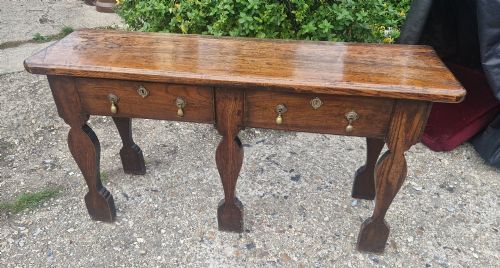
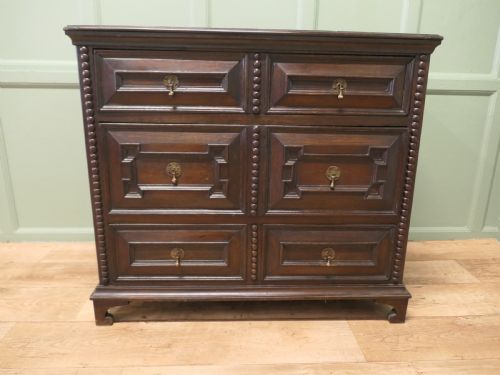
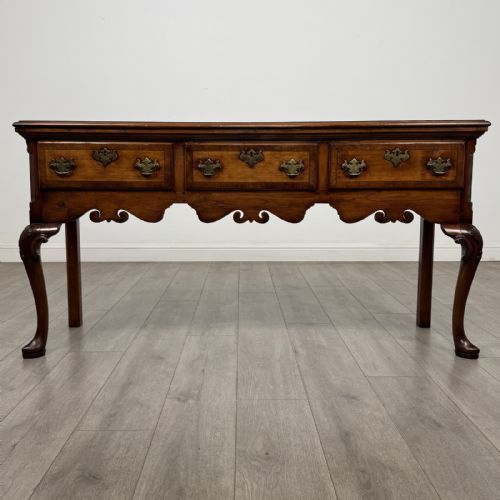
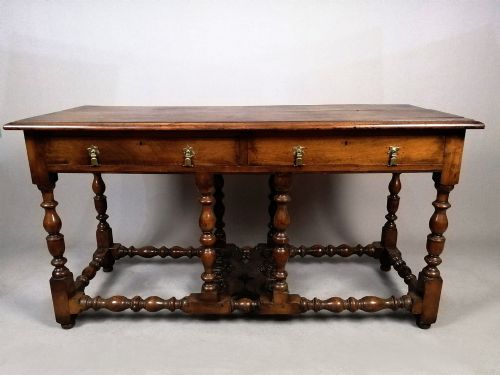
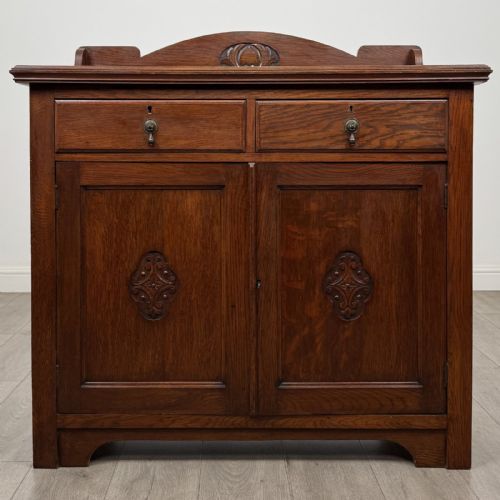
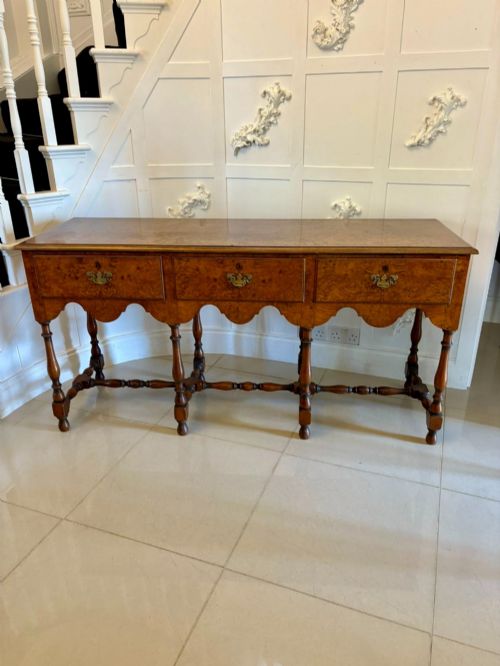
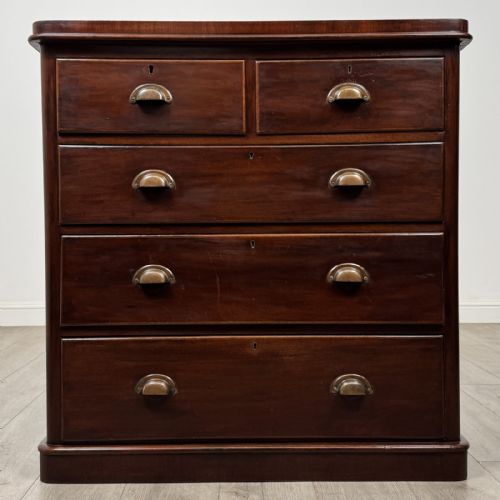
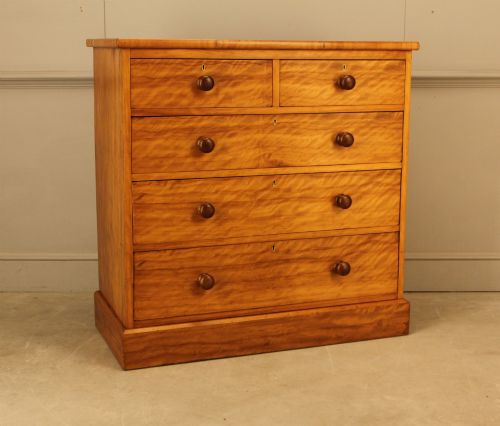
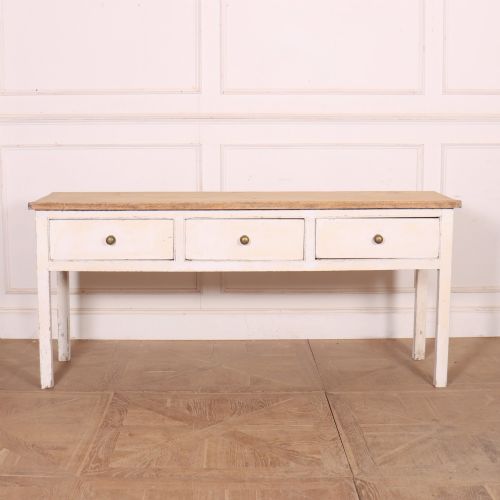
An antique drawer base provides a low-level storage surface, typically featuring a row or multiple tiers of functional drawers beneath a flat top. Buyers searching for an antique drawer base often encounter robust country furniture designed for daily utility in domestic settings. The pieces span periods from the eighteenth century through to the Edwardian era, with strong representation from Georgian and Victorian workshops.
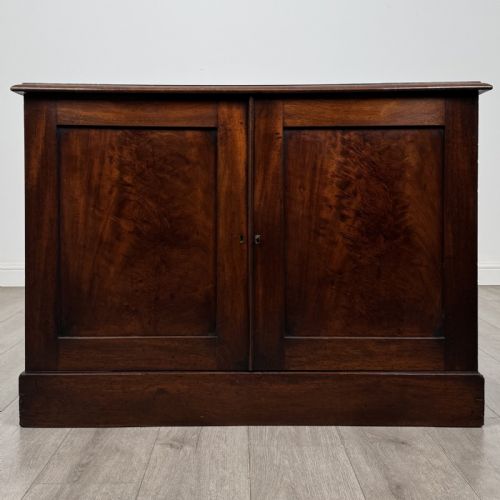
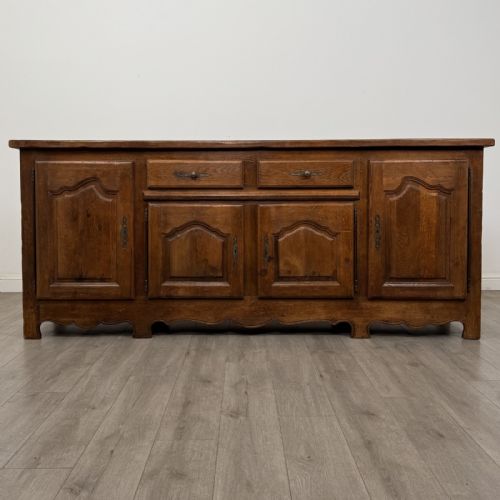
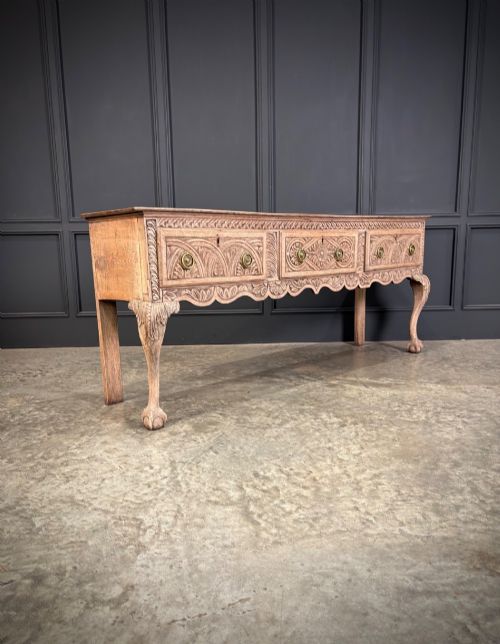
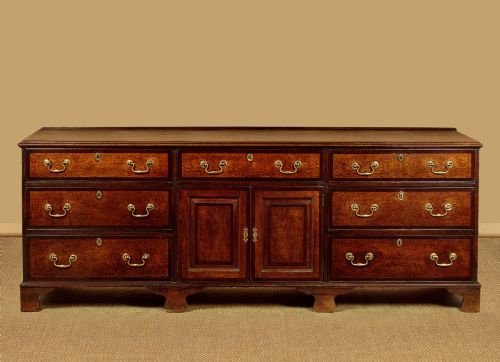
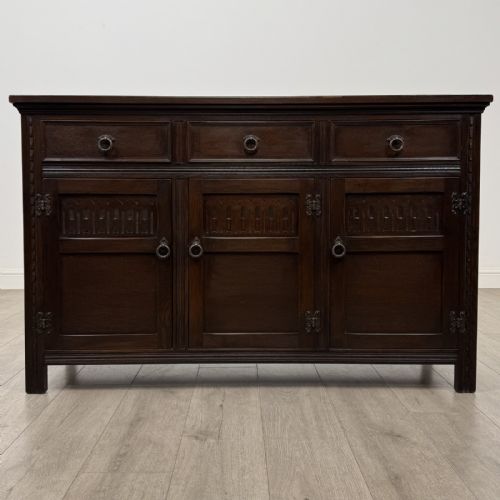
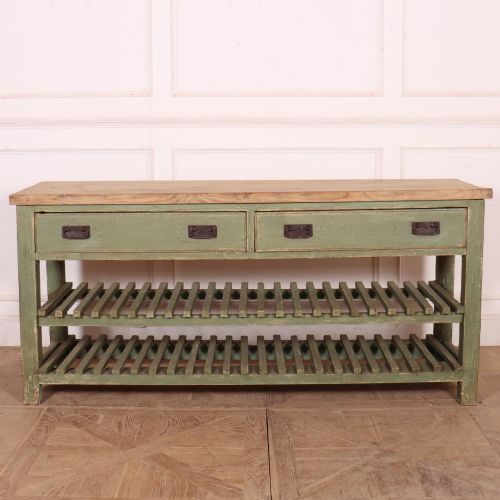
Forms vary from utilitarian potboard designs with open lower shelves to enclosed cupboards and long sideboards suited to dining spaces. Woods such as oak, mahogany, and pine predominate, reflecting the regional availability of timber across English and Scottish making traditions. Simpler vernacular examples sit alongside refined walnut and mahogany iterations featuring cabriole legs or inlaid detail.
Materials and construction methods
Makers utilised solid timbers like oak and pine for structural integrity, alongside decorative veneers of mahogany and burr walnut on finer surfaces. Joinery relies on traditional hand-cut methods, with drawer construction often employing dovetail joints to ensure durability under regular use. Iron and brass hardware, including drop handles and cup handles, secure the operational components.
Surface finishes range from waxed pine and scrubbed oak to polished mahogany and painted treatments applied to regional country pieces. Geometric moulding and carved detailing appear on select seventeenth- and eighteenth-century inspired revivals, demonstrating the hand of the artisan.
Regional variants include long Cheshire dresser bases alongside Scottish and English painted potboard configurations.
Assessing craftsmanship and proportion
Quality reveals itself in the harmony of proportion, the selection of timber grain, and the integrity of the original construction. Superior examples display careful timber matching across drawer fronts and tight, precise joinery in the drawer frames.
The retention of original brass hardware, feet, and backboards distinguishes higher-grade items from those altered over centuries of domestic service. Finer pieces balance decorative flourishes, such as crossbanding or inlay, with sound utilitarian design.
The Antique Drawer Base Glossary
- Dresser base
- A low standalone sideboard or cabinet featuring one or more rows of drawers, historically used for food preparation and storage in kitchens.
- Potboard
- An open slatted lower shelf beneath a dresser base traditionally used for storing pots, pans, and heavy kitchenware.
- Dovetail
- A joint formed by interlocking wedge-shaped fingers, prized for its tensile strength in drawer construction.
- Gallery
- A raised wooden border running along the back or sides of a top surface to prevent items from sliding off.
- Cabriole leg
- A curved furniture leg featuring an outward convex knee that tapers inward to a simple foot, popular in eighteenth-century and revival designs.
Antique Drawer Base: Frequently Asked Questions
How do I choose the right size drawer base?
Measure your available floor space and consider the depth of the room to ensure clearance for drawers and doors to open fully.
Shorter Georgian or Scottish pieces suit compact hallways, while longer Cheshire or country oak bases anchor larger dining rooms and kitchens.
Were drawer bases used only in kitchens?
While many originated in farmhouse kitchens or sculleries as utilitarian work surfaces, refined mahogany and walnut variations served formal dining rooms.
They functioned as serving tables and storage units for linens and tableware rather than purely for food preparation.
How should I care for an antique wooden base?
Maintain a stable indoor climate away from direct heat sources and strong sunlight to prevent the timber from warping or splitting.
Apply a traditional beeswax polish occasionally to nourish dry wood and preserve the natural lustre of the finish.
How can I tell a Georgian base from a Victorian revival?
Examine the timber shrinkage, tool marks on internal secondary woods, and the construction methods used inside the drawer boxes.
Georgian pieces display period-specific hand-cut joinery and authentic patina, whereas later revivals often utilise nineteenth-century machinery marks and stylistic exaggerations.