




Antique Dragon Plate
An antique dragon plate brings mythical power to your table through intricate porcelain, enamel, and bronze craftsmanship.
Antique Dragon Plate
An antique dragon plate covers a fascinating range of decorative vessels, from English porcelain dishes painted with orientalist motifs to Japanese cloisonne enamels and Chinese imperial chargers. When you search for an antique dragon plate, you encounter items shaped as saucers, square trays, chargers, and platters spanning several centuries. The selections on this page lean heavily towards Japanese Meiji period cloisonne works alongside English factory porcelain from the Georgian and Regency eras.
The motif itself shifts according to origin, showing five-clawed imperial beasts on Chinese porcelain, compartmentalised Japanese dragons on bronze and enamel, and Chinoiserie interpretations on English ceramics. Forms vary from small saucer dishes to massive chargers exceeding thirty centimetres in diameter. Collectors choose these pieces for the intense colour palettes and the sheer skill required to render scaly mythical serpents across curved surfaces.
How they were made
Potters and metalworkers utilised diverse materials including hard-paste porcelain, copper, brass, bronze, and glass enamel. Japanese cloisonne pieces required soldering fine metal wires onto a copper or brass base to form the outlines of the dragon, then filling the resulting cells with coloured enamel paste before firing.
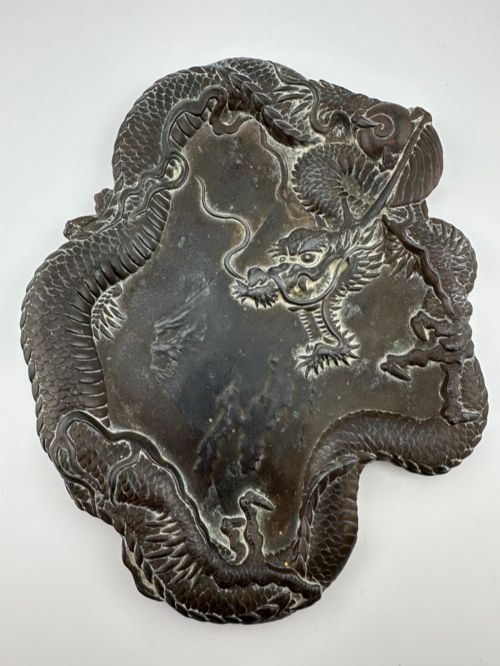
English ceramic factories such as Worcester applied underglaze blue or enamel paints directly onto porcelain bodies, often employing transfer printing combined with hand-finishing. Bronze objects relied on patination and mixed-metal inlay techniques, while early Chinese works utilised cast bronze or imperial porcelain throwing methods.
Antique Dragon Plate Retail Price Guide 2026
Typical asking prices for dragon plate among the pieces listed under this phrase on Sellingantiques today, from the lower quarter to the upper quarter. They describe what is for sale here now, not the wider market.
Several dragons hide inside compartmentalised ceramic trays, seemingly trapped by geometric borders until someone looks too closely.
What varies in quality
The finesse of the drawing separates standard utility items from masterworks, particularly in the precision of the dragon scales and the tension in the beast's body. In cloisonne enamel, the thickness and neatness of the wirework dictate the refinement of the final image, with tighter cells producing sharper detail.
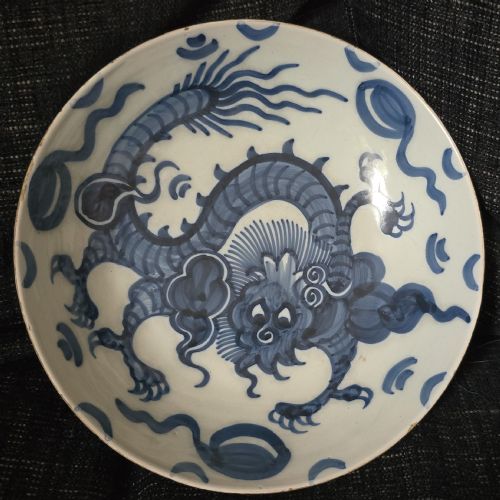
Porcelain quality depends on the purity of the white body and the vibrancy of the cobalt blue or enamel colours. Imperial pieces display superior control over glazes and symmetry, whereas lesser examples show minor firing imperfections and less disciplined brushwork.
Worcester Barr Flight And Barr·Chamberlain Worcester·C J Mason·Warwick Goble
The Antique Dragon Plate Glossary
- Cloisonne Enamel
- A metalwork technique where thin wires are soldered to a base to create compartments filled with enamel paste. This method creates vibrant, multi-coloured decorative patterns upon plates and trays.
- Charger
- A large decorative plate or platter. These items typically measure over thirty centimetres and hang on walls or sit on sideboards rather than serving food.
- Chinoiserie
- European artistic style reflecting Chinese motifs and motifs of East Asia. English factories like Worcester utilised this aesthetic heavily during the Georgian and Regency periods.
- Meiji Period
- The era of Japanese history lasting from 1868 to 1912. Objects from this time often exhibit highly detailed patinated bronze and complex cloisonne work.
- Armorial
- Decorated with heraldic coats of arms or crests. English dessert plates sometimes combined armorial elements with oriental dragon patterns.
Antique Dragon Plate: Frequently Asked Questions
How do I identify a Chinese dragon plate?
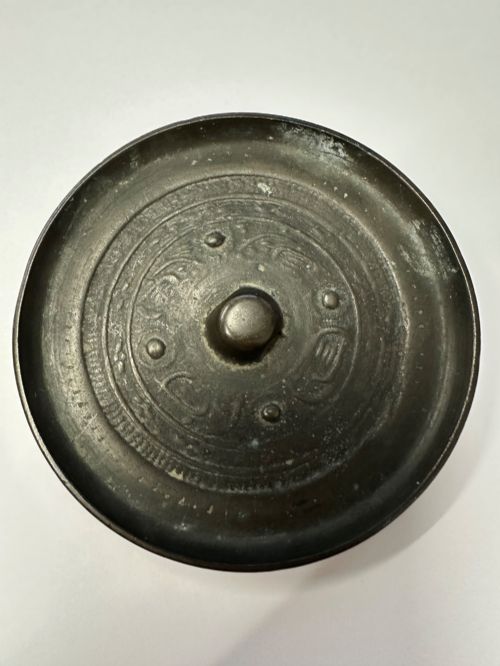
Chinese examples frequently feature five-clawed dragons associated with imperial rule, painted in underglaze blue on porcelain or rendered on bronze mirrors.
They often carry cyclical date marks or dynasty attribution marks on the base, though these require careful verification against known period styles.
Were these plates used for dining?
Most large chargers and cloisonne vessels served as decorative display objects rather than functional tableware. Smaller dishes and saucers functioned as dessert plates or cabinet pieces in wealthy households.
The fragile nature of enamel and fine porcelain meant they were prized for visual impact.
What is the difference between Japanese and English dragon plates?
Japanese pieces from the Meiji period typically employ cloisonne enamel or patinated bronze with intricate wirework and metal inlay. English pieces from the Georgian era feature porcelain painted with blue and white or polychrome Chinoiserie patterns.
The Japanese items focus on sculptural metal and glass, while English examples adapt Eastern motifs to European ceramic forms.
How should I clean an antique cloisonne plate?
Dust enamel and bronze surfaces gently with a soft, dry microfibre cloth to remove surface particles. Avoid chemical cleaners, abrasives, or soaking, as moisture can damage old metal bases and vulnerable enamel cells.
Professional conservation advice should be sought for deep cleaning.