





Antique Dowry Box
An antique dowry box is a storage chest made for a bride, built from heavy timbers to hold her household linens and valuables.
Antique Dowry Box
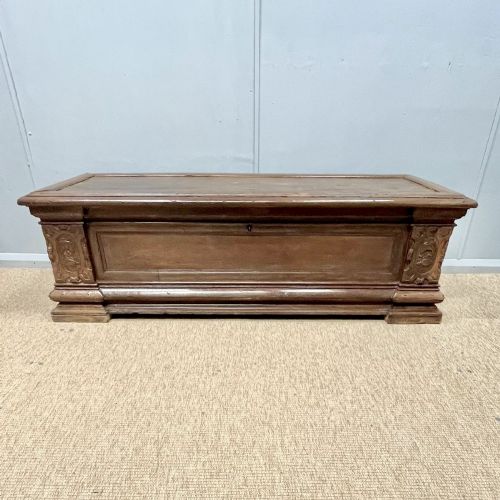
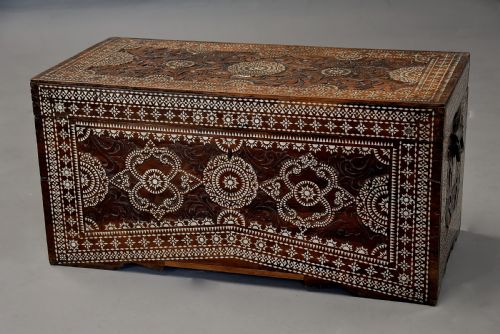
When you search for an antique dowry box, you meet heavy storage chests and trunks created across different cultures to hold household linens, garments and valuables for a marriage. These pieces appear under regional names such as dowry chests, marriage chests, damchiyas, coffers and wedding boxes.
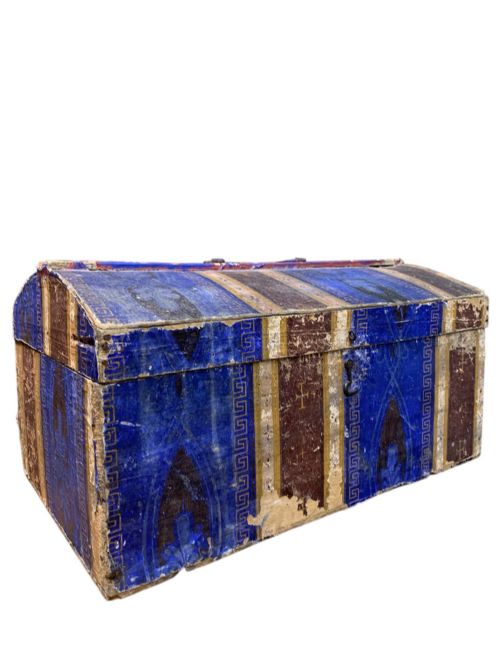
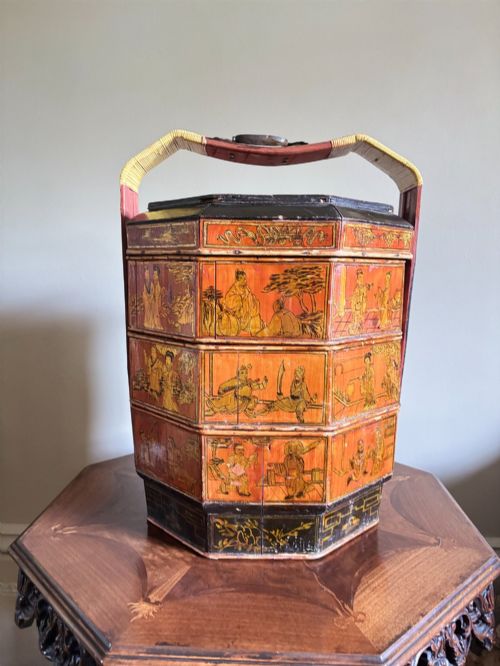
The selection on this page spans several centuries, ranging from seventeenth-century English oak coffers to nineteenth-century Indian teak trunks and painted Scandinavian marriage chests. Forms include large floor chests, trunks bound in iron, cabinets with internal compartments and multi-tiered baskets.
Origins stretch from European regional workshops in Sweden, Hungary, Italy and the Alpine region to Indian provinces such as Rajasthan and Jaisalmer, alongside Middle Eastern and Anglo-Indian variants. Each piece reflects the domestic storage traditions and decorative styles of its specific geographic origin.
How they were made
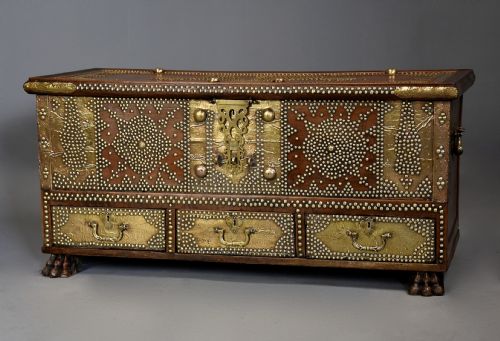
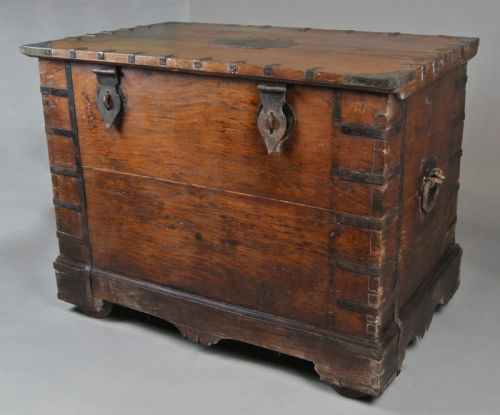
Makers built these chests using durable local timbers such as oak, teak, pine, hardwood and mahogany, joined with traditional carpentry methods. Many examples utilise heavy iron bands, brass mounts or hinges to reinforce the structure for long-term utility.
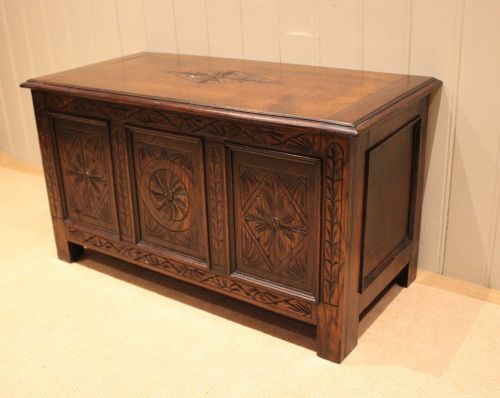
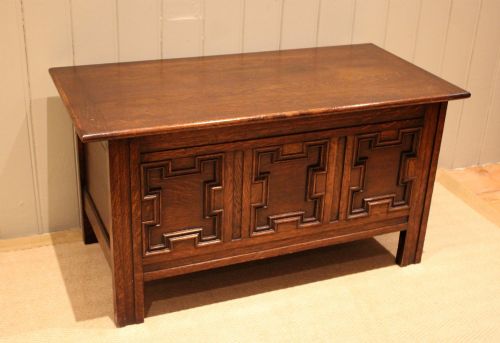
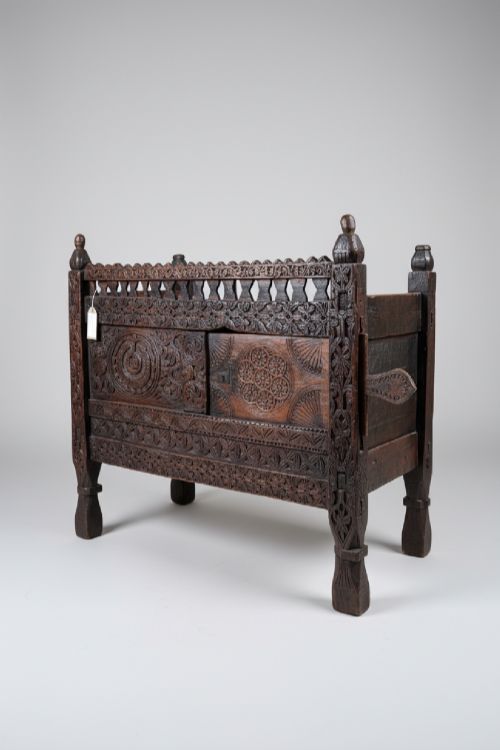
Surface decoration divides into two distinct traditions: carved woodwork and applied paint. Oak and teak versions display scratch carving, relief panels or geometric motifs, while pine and hardwood variants from Sweden, Hungary and Italy feature hand-painted floral or figural folk art and red lacquer.
Antique Dowry Box Retail Price Guide 2026
Typical asking prices for dowry box among the pieces listed under this phrase on Sellingantiques today, from the lower quarter to the upper quarter. They describe what is for sale here now, not the wider market.
Some nineteenth-century Indian trunks arrive bearing complex brass locks designed to foil inquisitive relatives before the wedding day.
What varies in quality
The standard of a dowry box rests upon the integrity of its timber construction and the complexity of its ornamentation. Pieces featuring deeply carved panels, elaborate brass strapping or original hand-painted folk art retain greater visual impact than plain utility boxes.
Survival of original surface finishes, such as early paint layers, patinated dark oak and authentic hardware like locks and hinges, separates standard regional containers from exceptional surviving examples of domestic craft.
The Antique Dowry Box Glossary
- Coffer
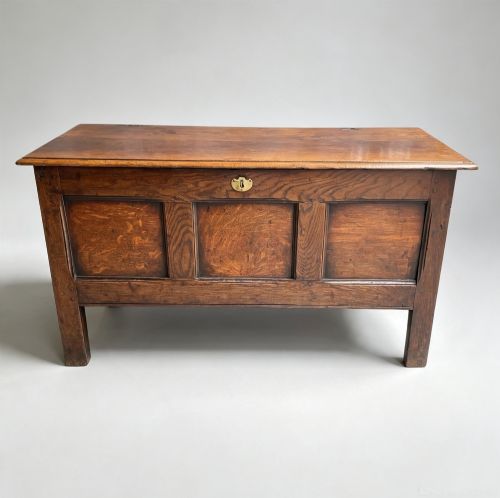
- A heavy wooden chest traditionally used for storing valuables or dry goods. Early examples often feature front panels decorated with scratch carving or raised panels.
- Damchiya
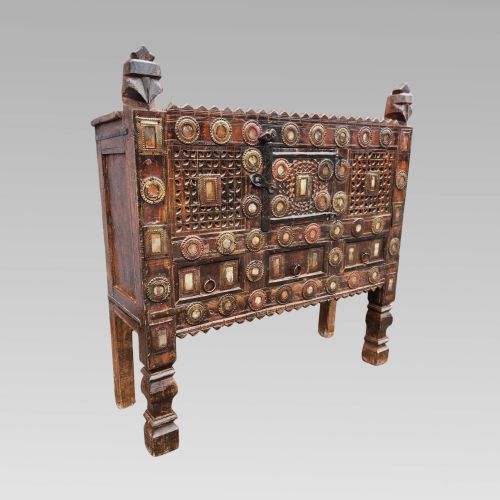
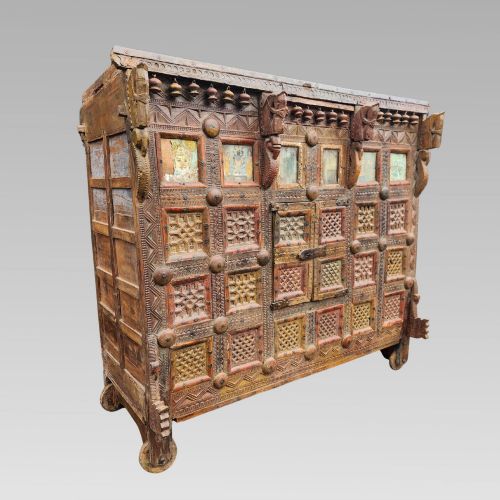
- A traditional Indian dowry chest or storage cabinet, frequently fitted with doors, internal compartments and brass or iron hardware.
- Mule chest
- A storage chest equipped with one or more drawers at the base beneath the main compartment. This form emerged in the eighteenth century to provide more accessible storage.
- Cassone
- A large Italian chest associated with Renaissance marriage customs, typically decorated with painted panels, carving or gesso work.
- Folk art
- Decorative painting and carving executed by regional craftspeople using traditional local motifs rather than academic design rules. Painted pine marriage chests from Sweden and Hungary rely heavily on this tradition.
Antique Dowry Box: Frequently Asked Questions
What was a dowry box used for?
A dowry box served to collect and transport the household linens, textiles, garments and valuables that a bride brought into her marriage.
Families often commissioned or acquired these chests years in advance, filling them gradually to prepare the couple for establishing a new home.
How do I tell an English coffer from an Indian damchiya?
English coffers are typically constructed from dark oak with panelled construction, geometric mouldings or scratch carving typical of seventeenth and eighteenth-century joinery.
Indian damchiyas and trunks utilise dense tropical hardwoods like teak, often enhanced with heavy iron banding, brass mounts and distinct architectural door configurations.
Where should I place a large chest in a modern room?
Large chests and coffers function effectively as window seats, end-of-bed storage units or standalone coffee tables in living spaces.
Their robust timber construction provides a stable surface for display while keeping internal storage accessible for blankets and bulkier household items.
How do I identify painted marriage chests from different regions?
Painted marriage chests display regional palettes and motifs characteristic of their geographic origin, such as floral folk art on Swedish pine or bright red lacquer on Chinese wedding boxes.
Examining the underlying wood species alongside the style of the hand-painted decoration helps clarify whether a piece originates from Alpine Europe, Hungary or Scandinavia.