


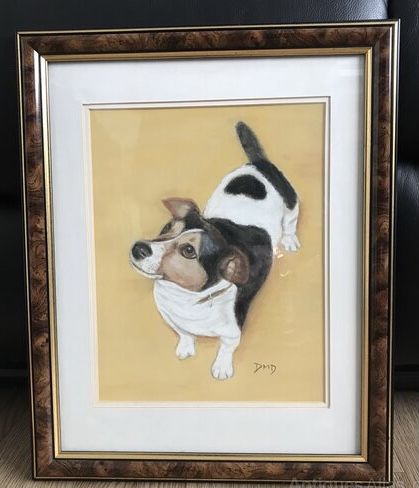

Antique Dog Wall Artwork
Antique dog wall artwork spans centuries of portraiture and sporting art, bringing character and historical craft directly into domestic spaces.
Antique Dog Wall Artwork
When searching for antique dog wall artwork, buyers encounter a diverse selection of canine depictions spanning the nineteenth and twentieth centuries. These pieces record beloved pets, working hounds, and sporting dogs through various artistic mediums.
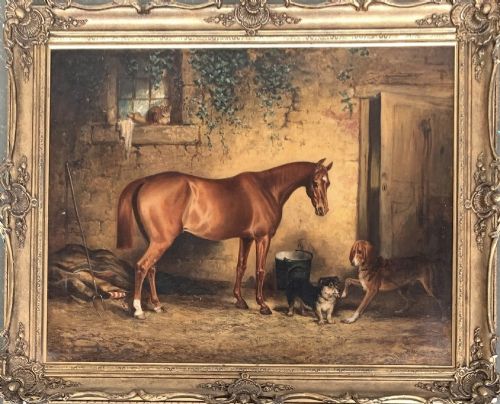
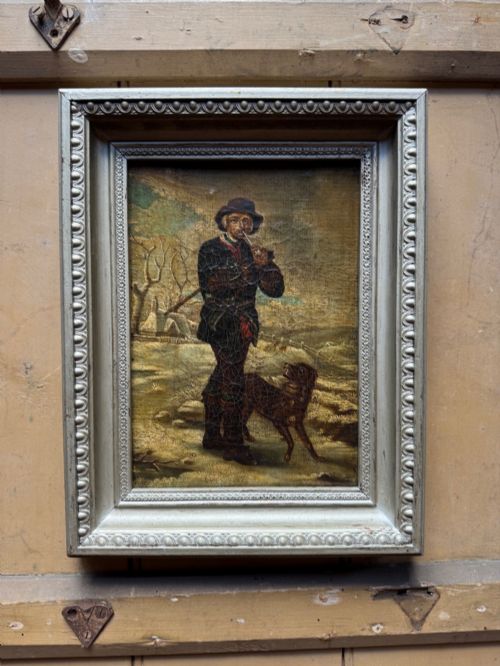
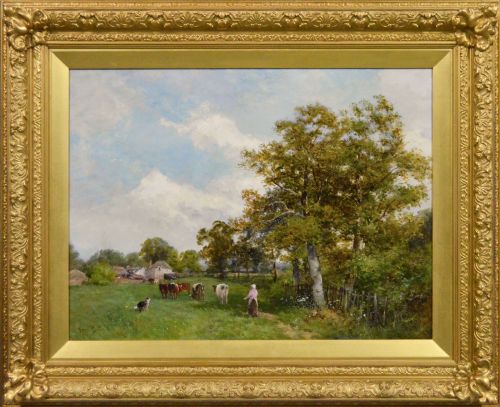
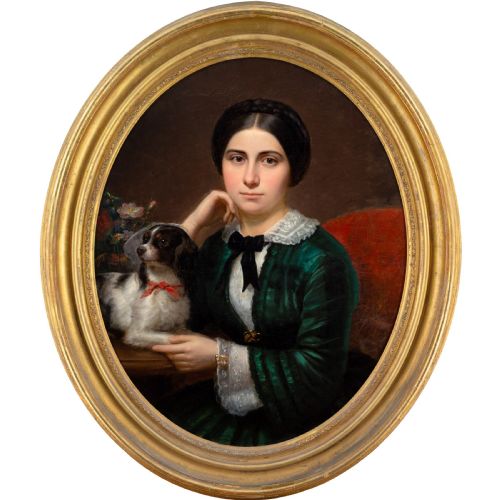
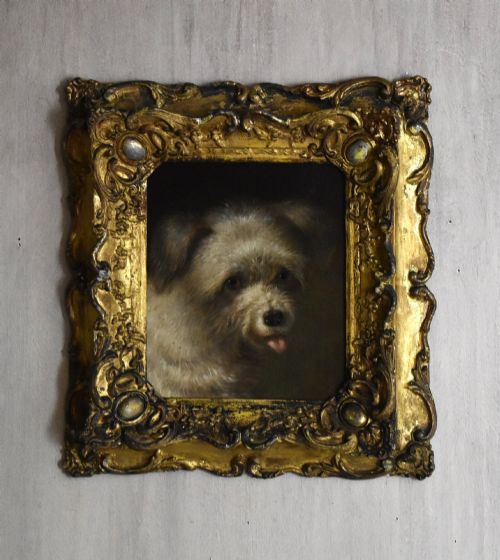
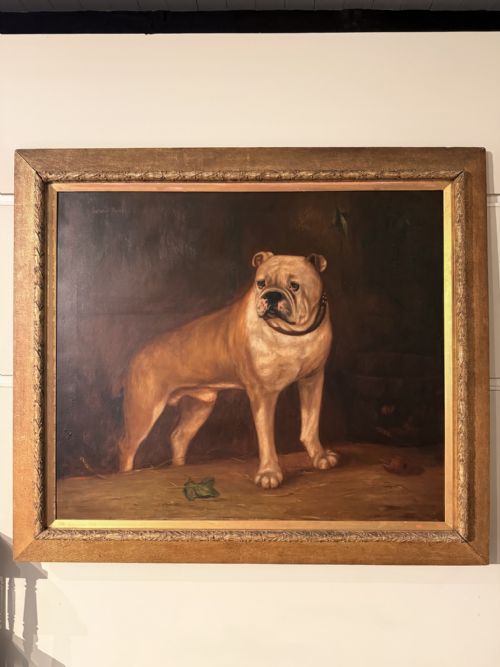
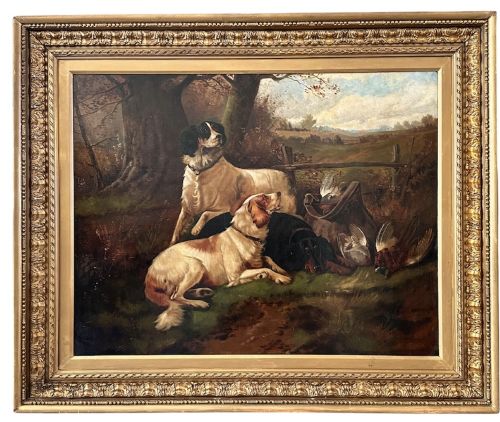
The selection on this page leans heavily toward oil paintings on canvas and panel, alongside original etchings and period prints. Victorian and Edwardian works dominate the selection, capturing both formal portraiture and scenes of rural life.
Domestic dogs appear alongside horses, children, and owners, reflecting how artists integrated animals into broader social and sporting contexts. Buyers find everything from intimate head studies to large-scale hunting scenes.
How They Were Made
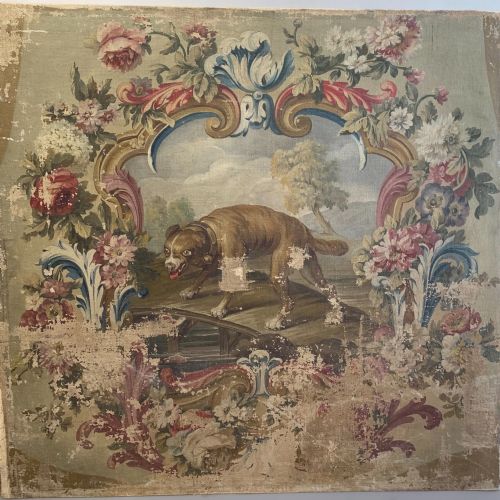
Makers utilised oil paint on prepared canvas or wood panels, building rich textures and deep tones that capture the lustre of canine coats. Canvas works frequently show the weave of the fabric beneath layers of varnish and pigment.
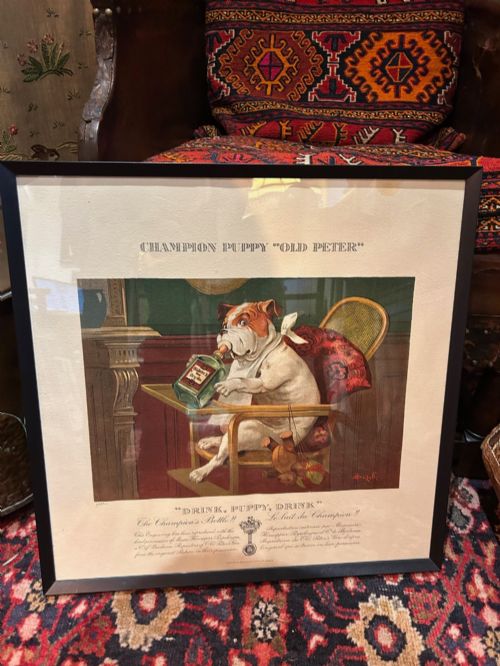
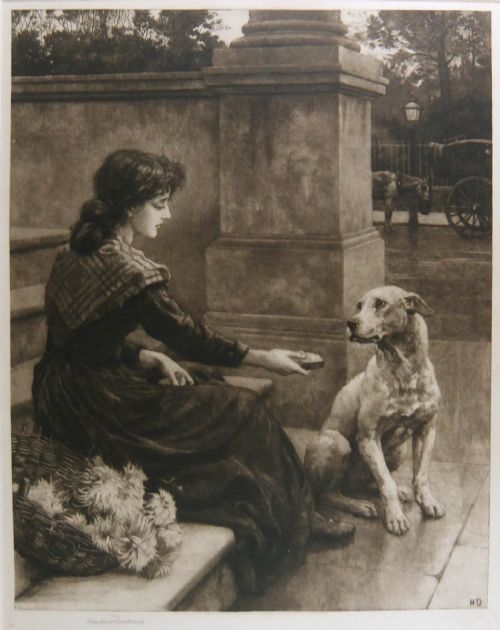
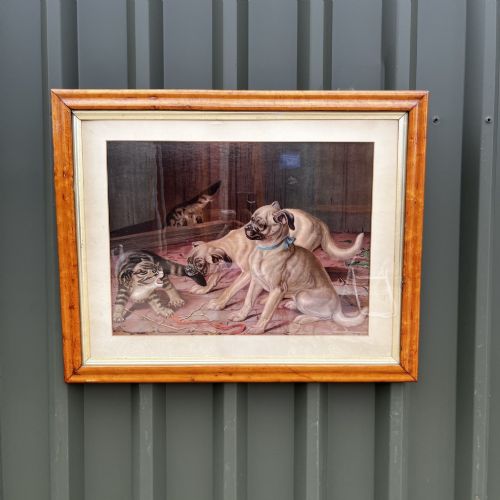
Graphic works rely on paper supports, utilising etching techniques to incise fine lines into metal plates for ink transfer. Chromolithographs and framed prints introduce colour and line through mechanical and manual printing processes.
Original frames in materials such as wood, giltwood, and burr maple often accompany the artwork, employing traditional joinery and moulding techniques specific to their period.
Listings feature oil on canvas, paper, wood, and glass materials across nineteenth-century and twentieth-century periods.
What Varies in Quality
The standard of draughtsmanship and anatomical accuracy separates accomplished works from simpler folk-art interpretations. Master artists render bone structure, muscle tone, and expression with precise observation.
The integrity of the physical materials influences the endurance and visual impact of each piece. Intact pigment layers, stable canvas tension, and original framing elements preserve the historical state of the artwork.
Henry Barraud·Marcellin Auzolle·David Bates·Martin Theodore Ward·John Sargent Noble·Herbert Dicksee·C R Breytle·Horatio Henry Couldrey·Frans Snyders·C W Tuck·George E Sharpe·Sir Edwin Landseer·Valentine Thomas Garland·Fannie Moody·Edwin Frederic Holt·John Alfred Wheeler·J Cecil Bradshaw·John Charles Tunnard·Jules Chardigny
The Antique Dog Wall Artwork Glossary
- Etching
- A printmaking method where acid bites lines into a metal plate to hold ink. Artists draw directly through an acid-resistant ground to create fine, detailed images.
- Chromolithograph
- A multicoloured print produced through lithography stones. Each colour requires a separate stone and precise alignment during the printing process.
- Canvas
- A heavy woven fabric stretched across a wooden frame to serve as a painting surface. It provides the foundational support for most oil paintings in this category.
- Giltwood
- Wood carved and coated with a thin layer of gold leaf or metallic powder. It frequently appears on ornate period frames surrounding fine art portraits.
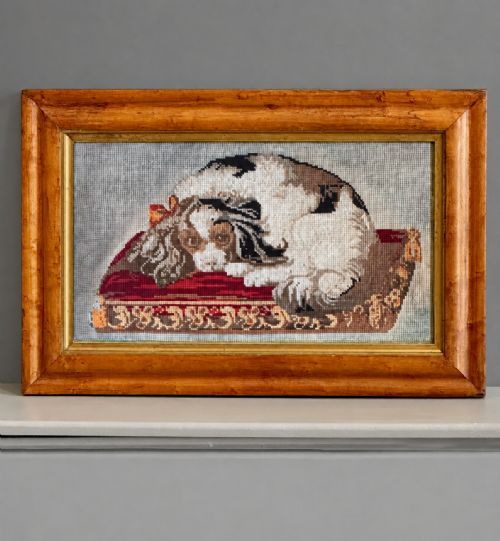
- Needlework
- Textile art created by stitching yarn or thread onto a canvas ground. Pieces like Berlin work utilise coloured wools to form pictorial designs.
Antique Dog Wall Artwork: Frequently Asked Questions
What periods do these artworks cover?
The listings on this page span from the seventeenth century through to the mid-twentieth century. Victorian and Edwardian pieces form the largest group.
Earlier examples from the Regency and Georgian eras also appear, offering a view into historical canine portraiture.
How are these pieces displayed at home?
Most works come ready to hang in their original or period-appropriate frames, such as burr maple or giltwood. They suit traditional studies, hallways, and living rooms.
Smaller etchings and prints require careful placement away from direct sunlight to protect the paper supports.
What is the difference between an oil painting and an etching?
Oil paintings utilise pigments suspended in oil on canvas or wood boards, offering rich textures and varied brushwork. They represent unique, one-off creations by the artist.
Etchings are works on paper created by printing from an incised metal plate, allowing for fine linear detail across multiple impressions.
Are these works signed by the artists?
Many pieces feature artist signatures, inscriptions, or attribution to known painters, etchers, and printmakers of the nineteenth and twentieth centuries.
Unsigned works often reflect the broader output of contemporary school painters or folk-art traditions from the same periods.