


Antique Display Shelf Chiffonier
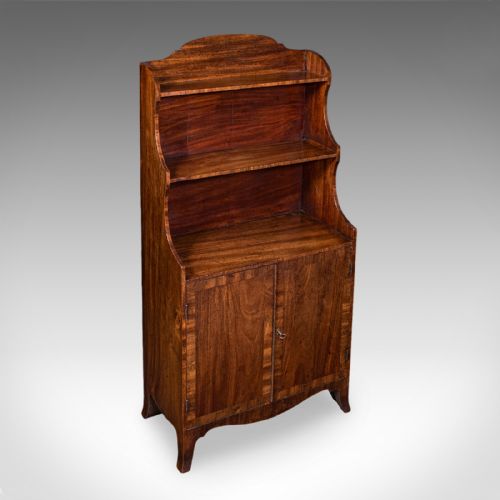
These antique display shelf chiffonier pieces combine open shelving with enclosed storage, offering a practical surface to display and organise books and decorative objects.
Antique Display Shelf Chiffonier
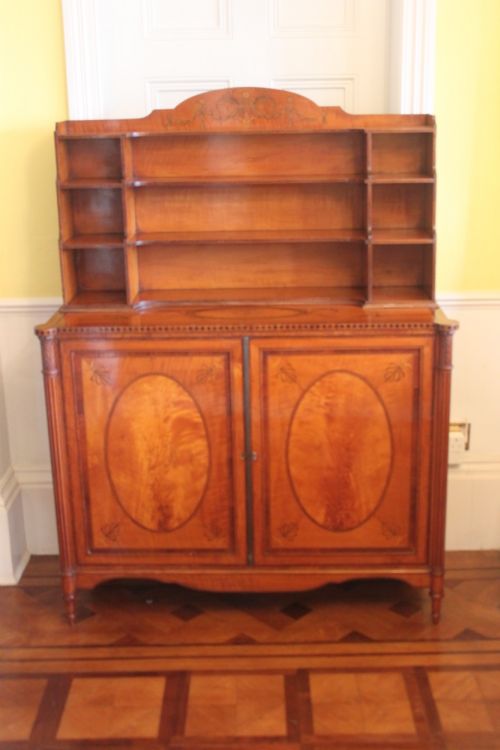
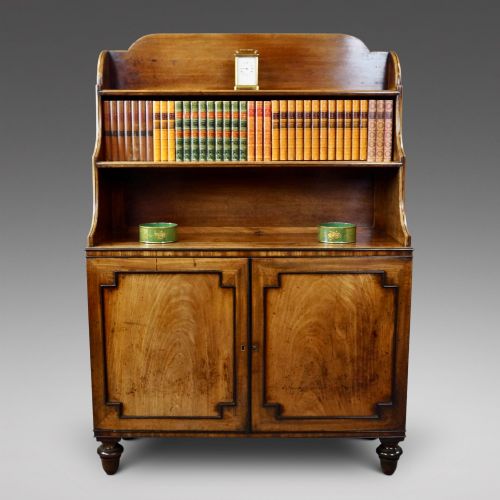
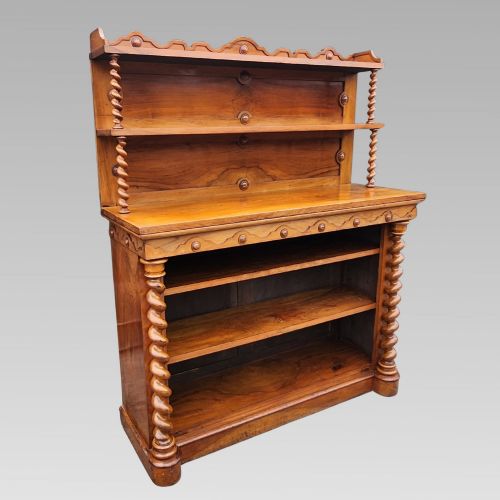
An antique display shelf chiffonier brings together several related forms including side cabinets, bookcases, and credenzas across periods from the eighteenth century to the Edwardian era. You will frequently encounter nineteenth-century examples in mahogany, rosewood, and burr walnut that feature upper shelves for display alongside lower cupboards.
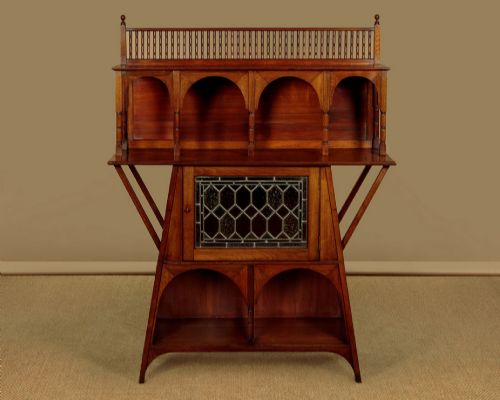
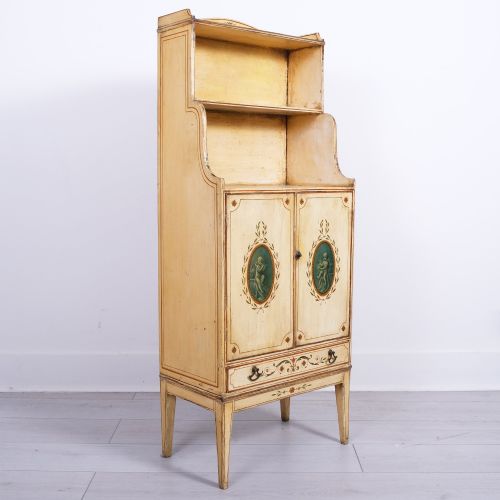
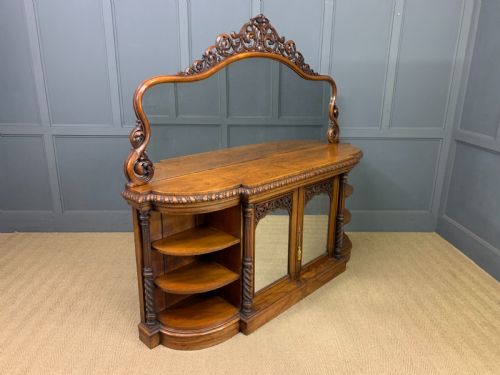
Makers and designers from the Regency, Victorian, and Edwardian periods produced these hybrid storage pieces to suit changing domestic interiors. The listings show forms ranging from compact waterfall bookcases to mirrored chiffoniers and sideboards with integrated display sections.
Materials and construction methods
Cabinet makers utilised dense hardwoods such as mahogany, rosewood, burr walnut, and oak as the structural foundation for these pieces. Surfaces often incorporate intricate satinwood inlay, brass mounts, and painted panels to accentuate the grain of the timber.
Glass panels and mirror backs frequently complement the timber framework, particularly on Victorian and later display cabinets. Joinery techniques from the Georgian period onward ensure stable upright frames designed to support books and heavy porcelain.
Listings include timber varieties such as mahogany, rosewood, burr walnut, oak, and satinwood across the eighteenth, nineteenth, and early twentieth centuries.
Assessing quality in construction and finish
The standard of a piece depends largely on the selection of timber veneers, such as flame mahogany or burr walnut, and the precision of any satinwood inlay. Superior examples display crisp carving, balanced proportions, and original brass or glass components that integrate seamlessly with the main structure.
Liberty & Co.·Robert Strahan·Gillows
The Antique Display Shelf Chiffonier Glossary
- Chiffonier
- A low sideboard or cabinet, often featuring a shelf or superstructure on top for displaying small objects. This form evolved during the nineteenth century to provide both cupboard storage and display space.
- Waterfall bookcase
- A set of open shelves that step back progressively from the bottom to the top. This design gained popularity during the Regency and Victorian periods for holding books.
- Credenza
- A decorative cabinet or sideboard, frequently fitted with mirrored doors or glass panels. These pieces served primarily for display and serving in formal nineteenth-century dining rooms.
- Whatnot
- An open set of multiple shelves used for displaying ornaments or books. They appear in various timbers from the Victorian era.
Antique Display Shelf Chiffonier: Frequently Asked Questions
What is an antique display shelf chiffonier used for?
These pieces combine enclosed lower cupboards with upper open shelves or mirrored display areas. They serve to store household items while exhibiting books or ceramics.
Their varied proportions allow them to fit into living rooms, hallways, or libraries as functional focal points.
How do I identify a Regency chiffonier?
Regency examples typically feature dark timbers such as mahogany or rosewood, often enhanced with brass inlay or simple turned supports. They date from the early nineteenth century and display classical restraint in their ornamentation.
Look for clean architectural lines and distinct brass mounts that reflect the neoclassical taste of the period.
What is the difference between a chiffonier and a credenza?
A chiffonier generally includes an upright superstructure with one or more display shelves above a low cupboard base. A credenza usually denotes a lower, freestanding cabinet without an upper tier, frequently enclosed by glass or mirrored doors.
Both forms developed to meet the Victorian demand for specialised furniture that could display decorative objects.
Where should I place a mirrored chiffonier?
Mirrored chiffoniers suit rooms where reflected light can brighten dark corners or amplify surrounding space. Placing them against a solid wall in a dining room or drawing room provides both stability and visual depth.
Keep them away from direct, strong sunlight to protect sensitive rosewood or walnut veneers from fading.