

Antique Display Secretary
An antique display secretary combines a practical writing desk with upper display shelving, offering a dual-purpose piece that suits modern living rooms.
Antique Display Secretary
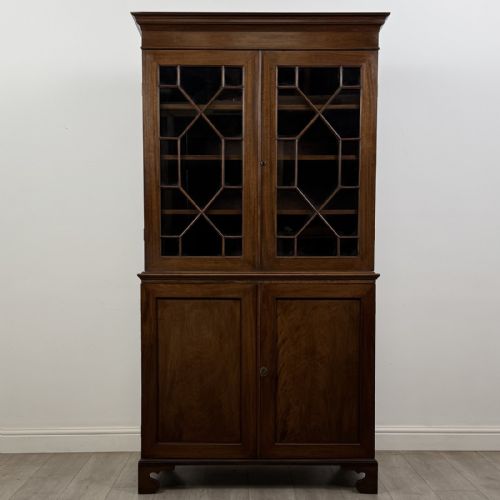
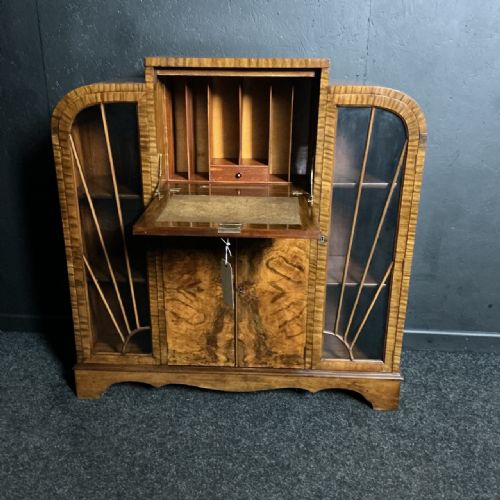
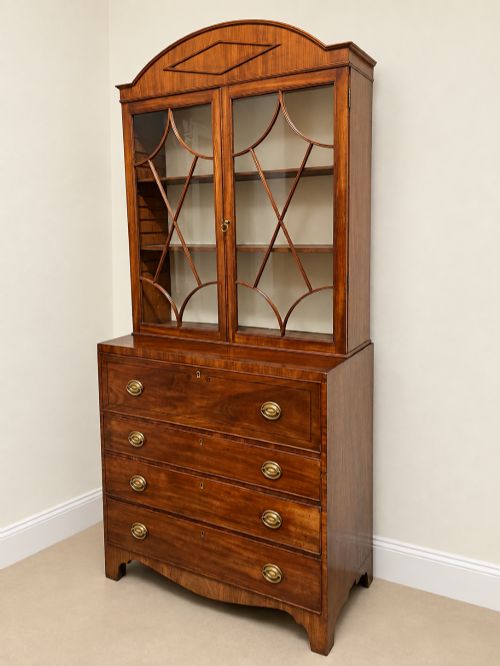
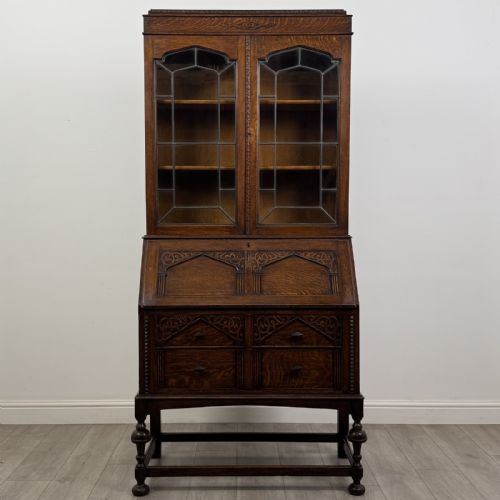
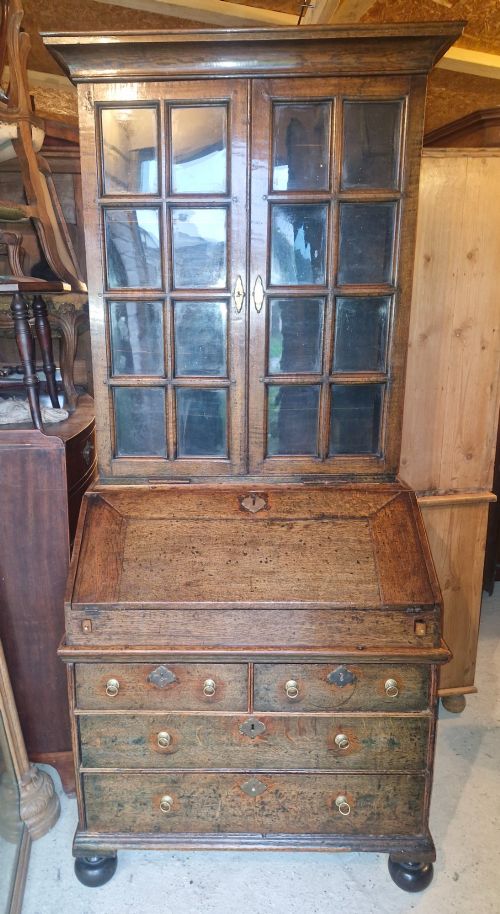
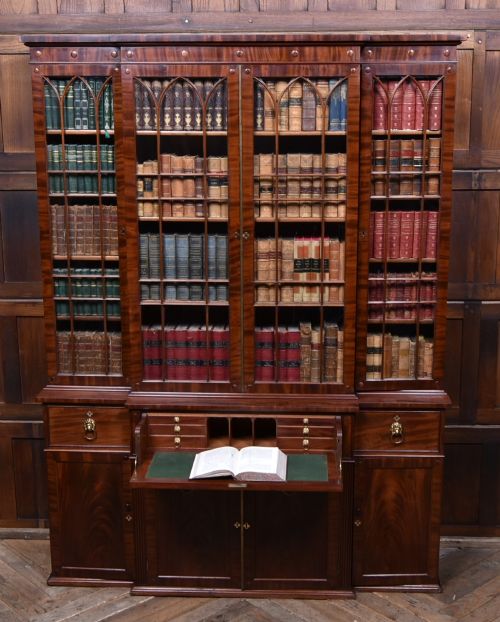
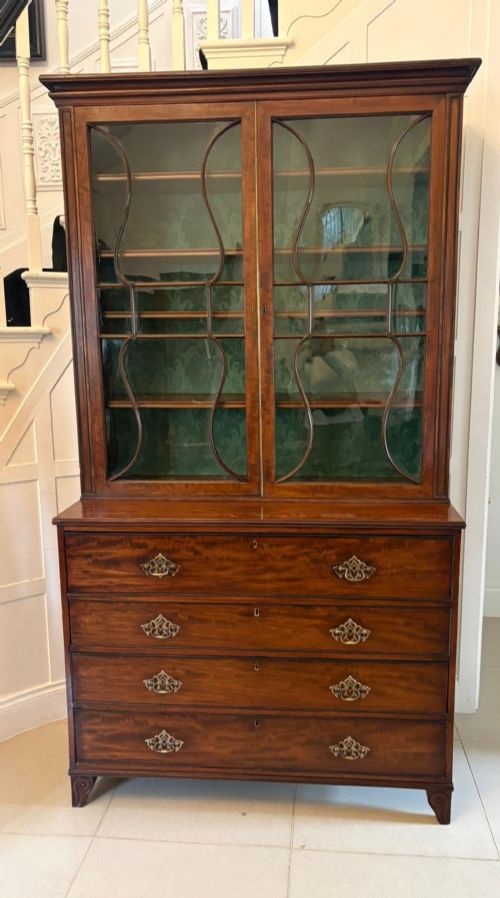
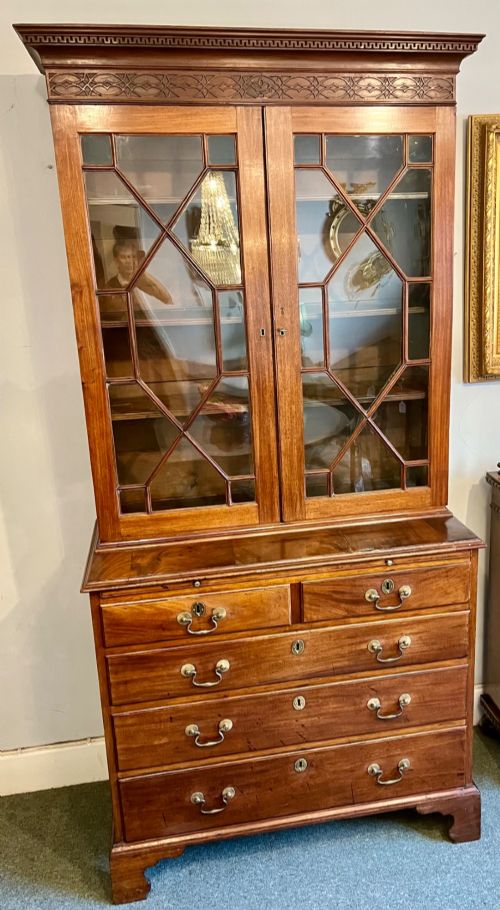
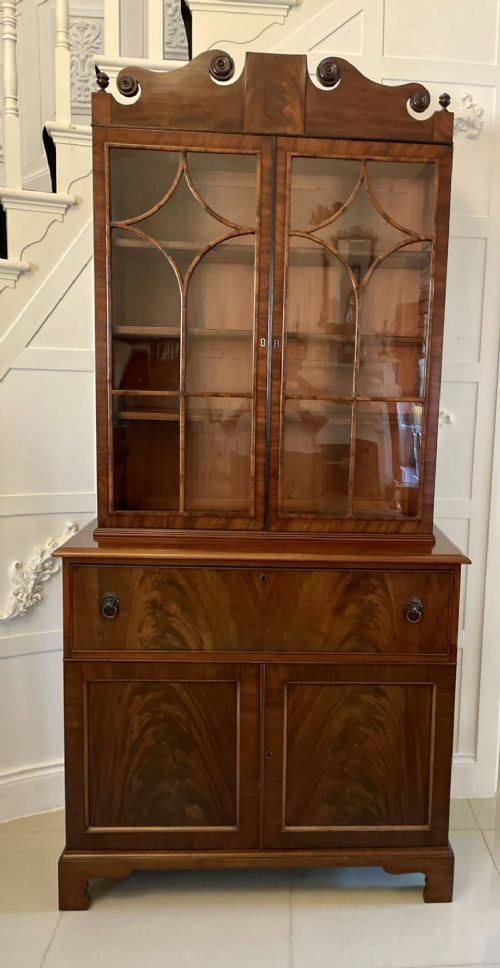
When searching for an antique display secretary, buyers encounter tall cabinet furniture designed with a drop-down writing drawer or fitted bureau compartment concealed beneath upper shelving enclosed by glass doors. These pieces originate across the eighteenth, nineteenth, and early twentieth centuries, spanning Georgian, Victorian, Regency, and Edwardian periods.
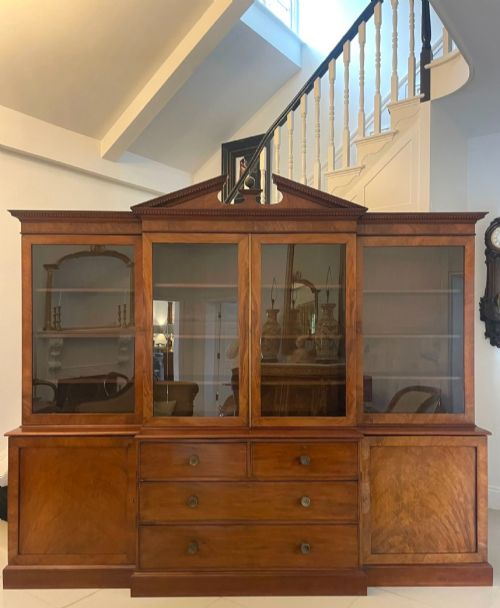
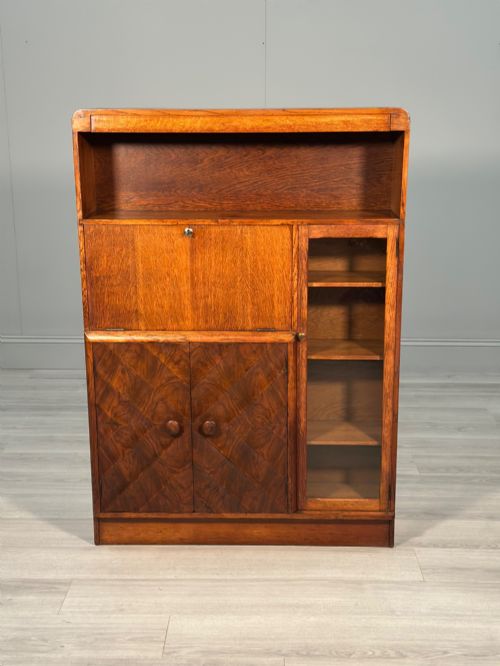
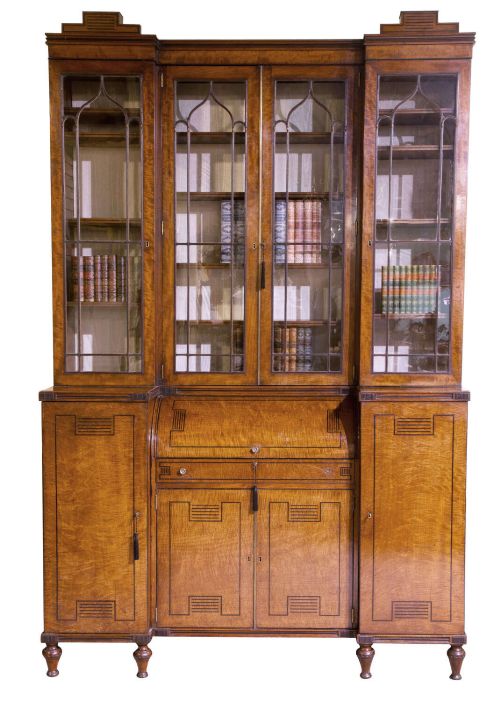
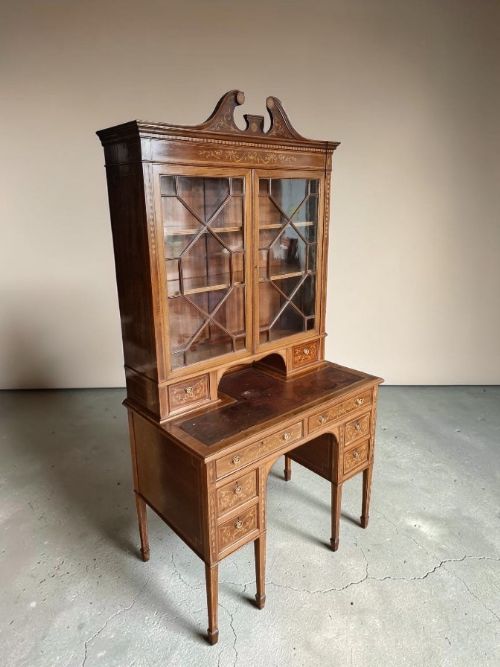
Regional and stylistic variations include Dutch marquetry, Edwardian Sheraton Revival satinwood, and Art Deco oak pieces by makers such as E Gomme. George III examples often incorporate breakfront profiles and astragal glazed door framing, providing a formal architectural appearance.
Materials and construction methods
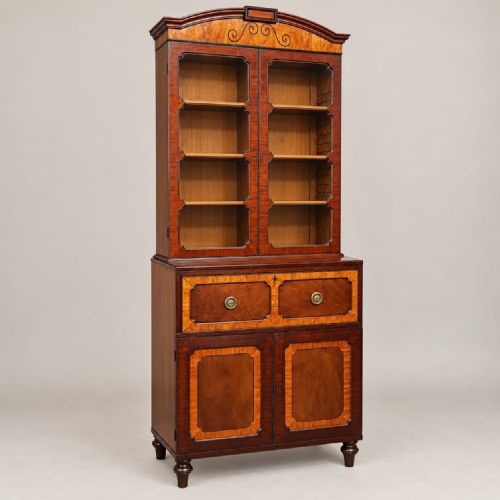
Cabinetmakers utilised solid timbers and selected veneers such as flame mahogany, satinwood, burr walnut, and oak over secondary woods. Timber selection dictated the structural stability and decorative grain patterns visible on the exterior fall-fronts and door panels.
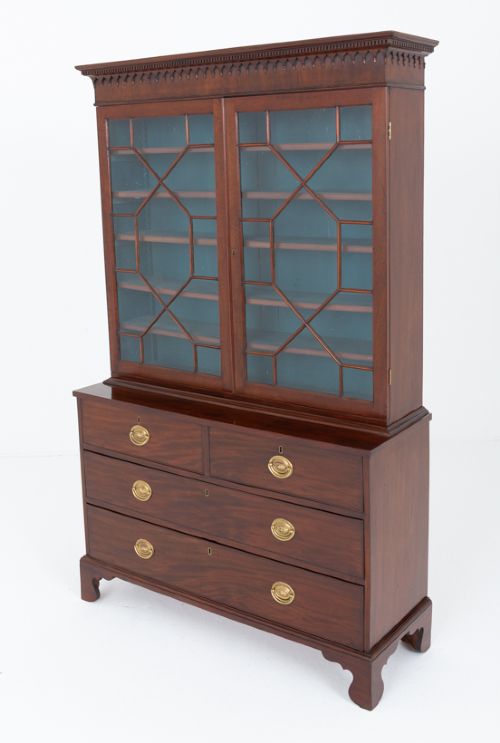
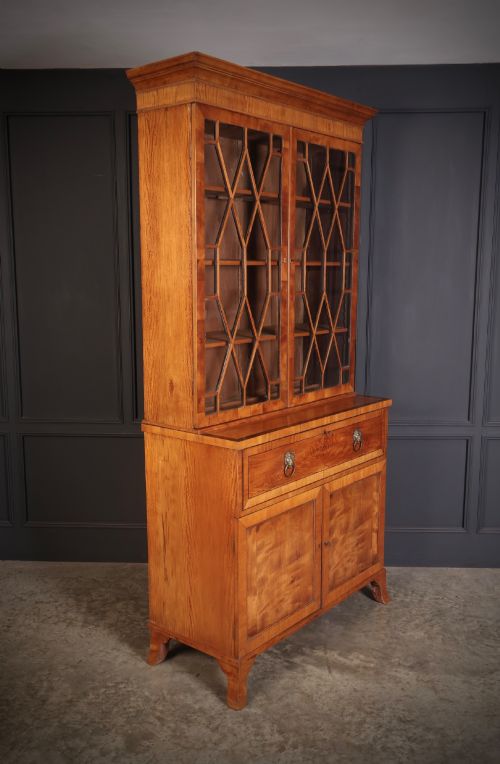
Glazing involved individual glass panes held in place by wooden timber bars, creating astragal patterns typical of eighteenth and nineteenth-century library cabinets and bookcases. Brass hardware, including drop handles, escutcheons, and hinges, secured the drawers and doors.
Interiors contained fitted compartments constructed with small drawers, pigeonholes, and occasionally leather-lined writing surfaces attached to the drop-down secretaire drawer mechanism.
Antique Display Secretary Retail Price Guide 2026
Typical asking prices for display secretary among the pieces listed under this phrase on Sellingantiques today, from the lower quarter to the upper quarter. They describe what is for sale here now, not the wider market.
The inventory includes forms ranging from George III breakfront library bookcases to Edwardian Sheraton Revival satinwood desks.
Distinguishing quality across examples
The standard of timber selection and veneer matching defines the visual impact of an antique display secretary. Finely figured mahogany, symmetrical burr walnut, and intricate satinwood or ebony inlay distinguish higher-grade pieces from plain utility furniture.
Construction precision dictates mechanical longevity, particularly in the smooth operation of the secretaire drawer fall-front and the pigeonhole joinery. Cabinetmaking skill also appears in the delicacy of the astragal glazing bars and the integration of the lower cabinet base with the upper bookcase section.
Thomas Chippendale·Gillows·E Gomme
The Antique Display Secretary Glossary
- Secretaire bookcase
- A tall combination piece incorporating a desk drawer with a drop-down front beneath a glazed bookcase. This term appears interchangeably with bureau bookcase across various periods.
- Astragal glazed
- Glass doors divided into smaller panes by wooden framing strips known as glazing bars. These bars form geometric patterns across the bookcase front.
- Breakfront
- A cabinet design where the central section projects forward from the flanking outer sections. This architectural feature creates depth on larger library furniture.
- Marquetry
- Decorative veneer patterns formed by fitting together contrasting pieces of wood or other materials. Dutch examples frequently display floral and pictorial marquetry motifs.
- Fall-front
- A hinged writing flap that drops down to a horizontal position for writing. It conceals internal stationery compartments when closed.
Antique Display Secretary: Frequently Asked Questions
How do I date an antique display secretary?
Dating relies on architectural styling, timber types, and construction techniques visible in the cabinetwork. Georgian pieces display formal classical proportions, whereas Edwardian and Art Deco examples show lighter satinwood or oak construction.
Examining internal drawer joinery and glass manufacturing characteristics also helps establish the production era.
Where were secretaire bookcases used?
These cabinets stood primarily in libraries, studies, and formal drawing rooms of large houses. They provided a compact workspace that could be concealed quickly by closing the fall-front flap.
The upper display section allowed owners to showcase leather-bound volumes and valued ornaments.
How do I care for wood surfaces?
Maintaining antique timber involves keeping pieces away from direct heat sources and strong sunlight to prevent veneer splitting and fading. Regular dusting with a soft, dry cloth preserves the finish.
Applying microcrystalline wax periodically protects the polished surface without building up excessive residue.