
Antique Display Mirror
When you search for an antique display mirror, you are looking at nineteenth and early twentieth century pieces that combine reflective glass with storage, shelving, or cabinetry.
Antique Display Mirror
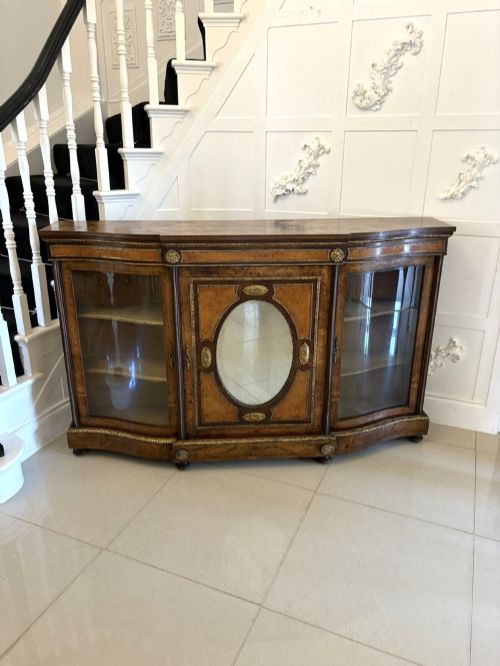
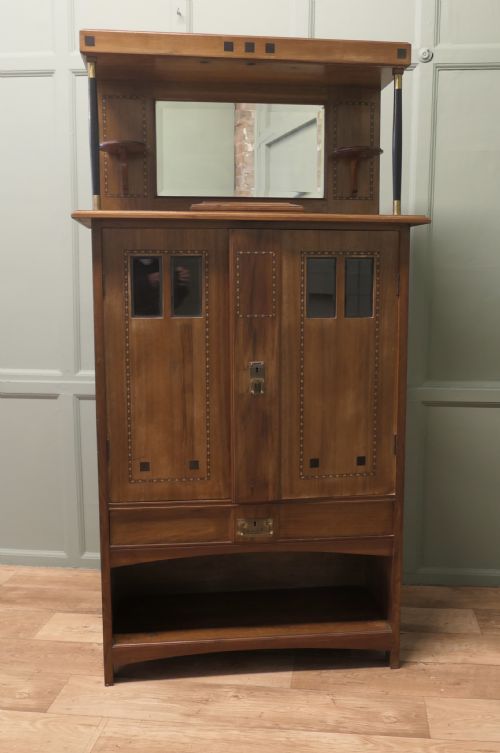
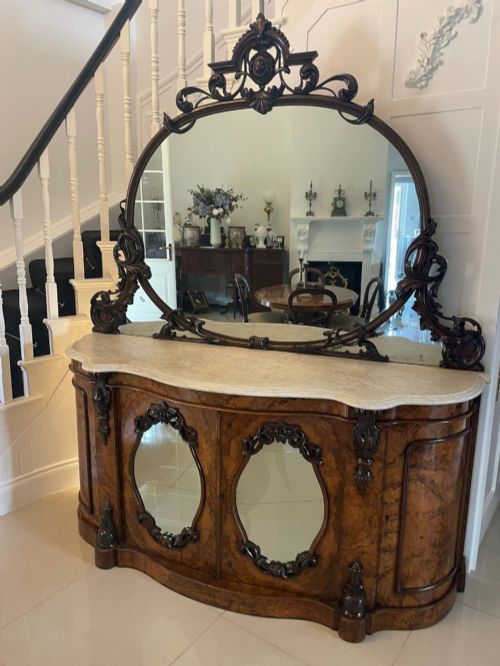
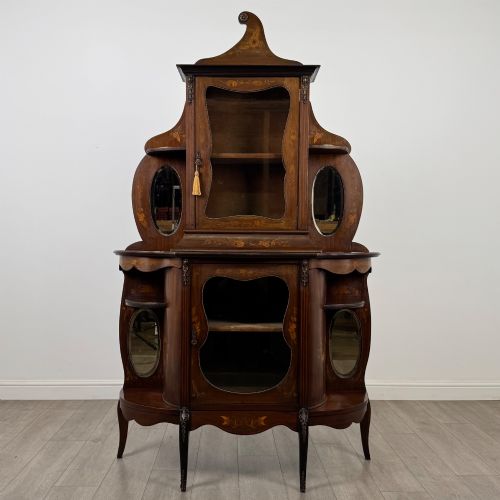
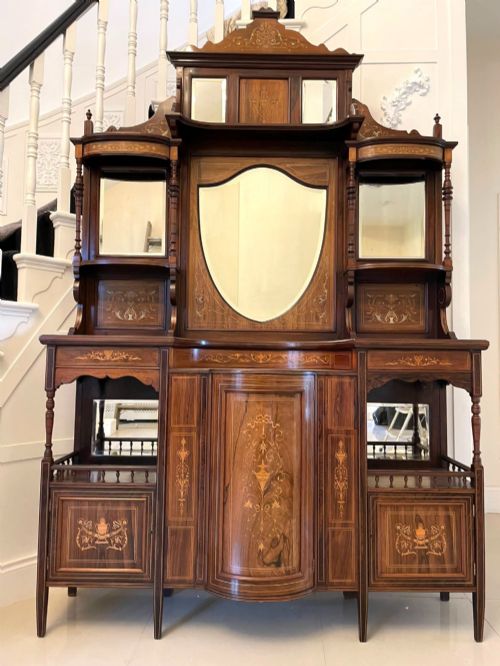
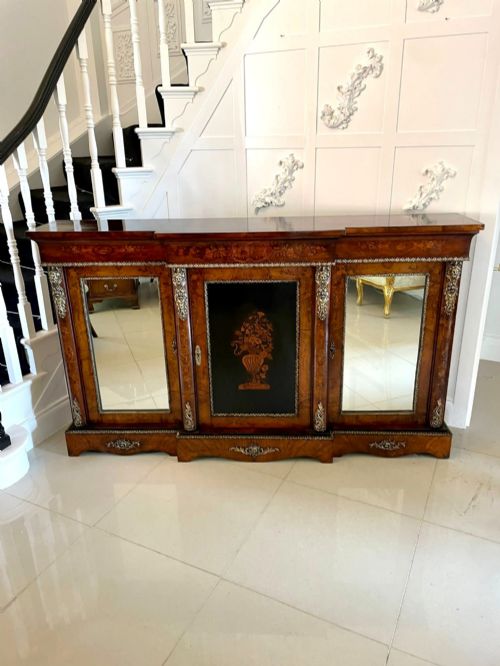
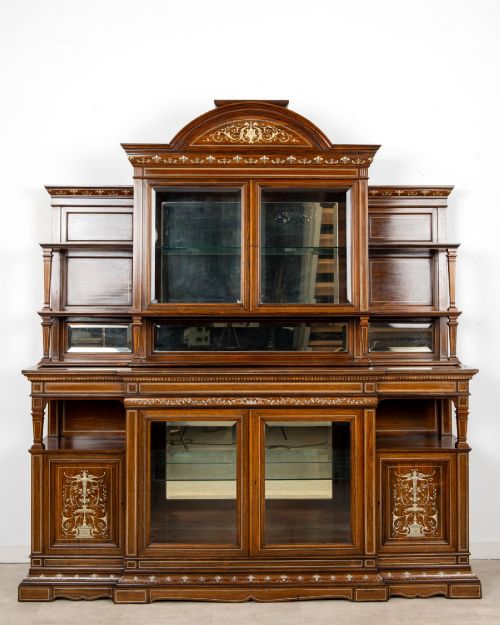
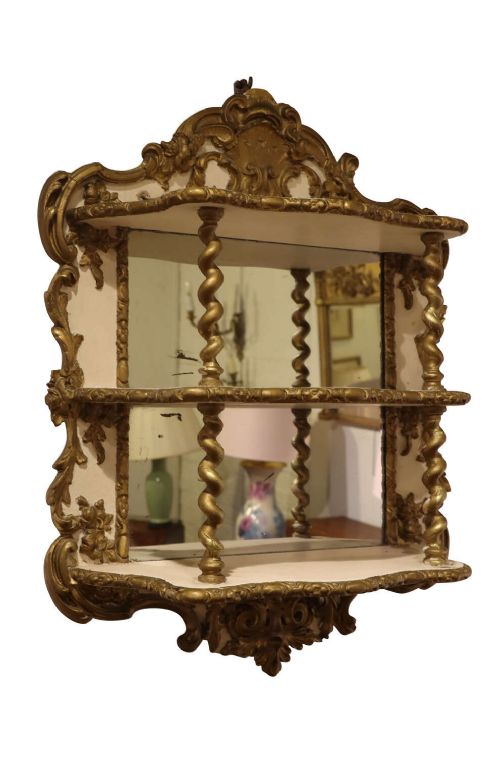
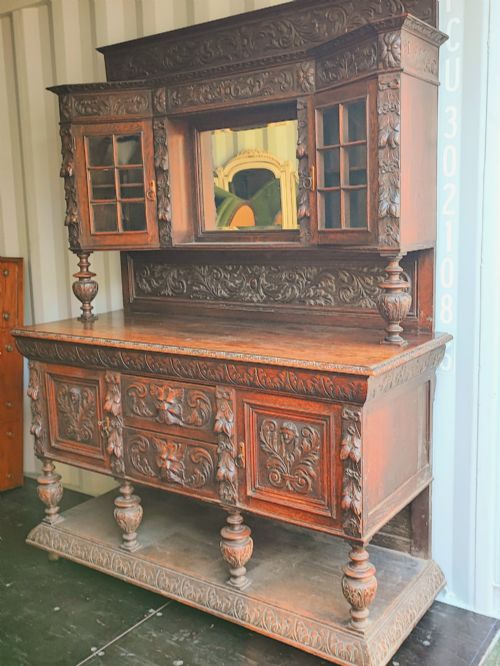
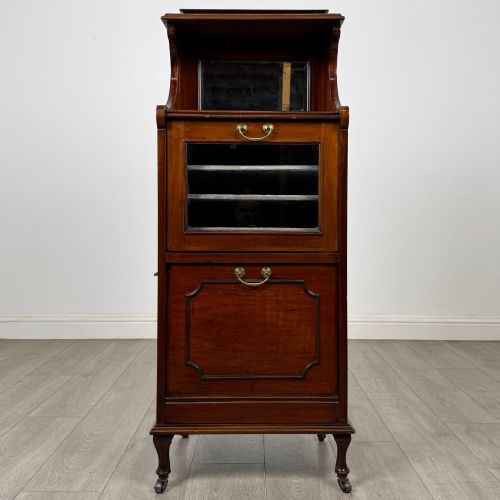
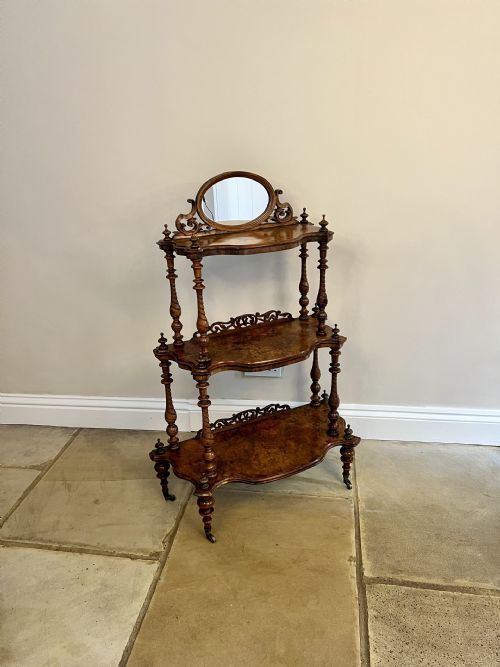
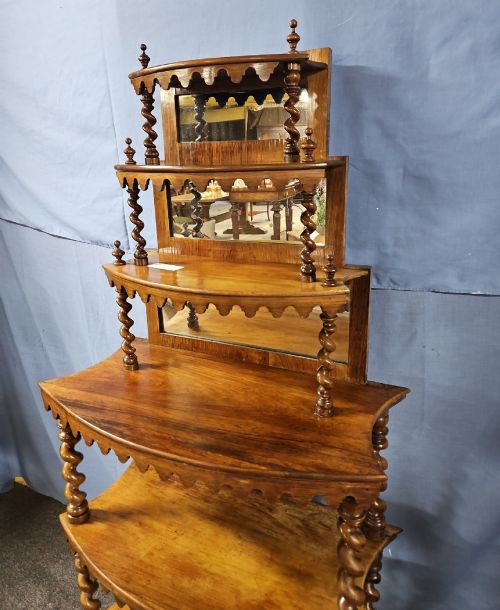
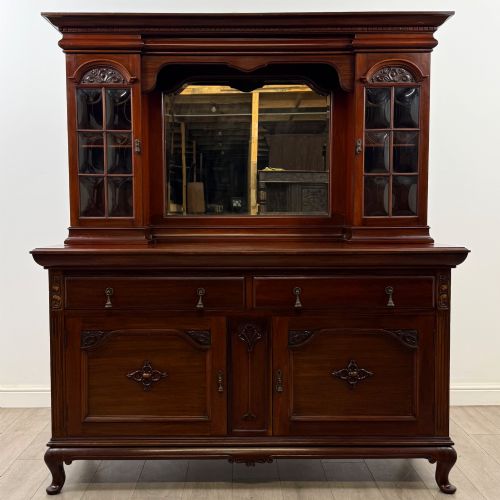
An antique display mirror bridges the gap between functional looking-glasses and cabinetry, taking forms such as mirror-back sideboards, credenzas, wall shelves, and overmantles. These items served both practical domestic purposes and decorative functions in Victorian and Edwardian interiors, providing surfaces and shelves to show off ceramics and ornaments.
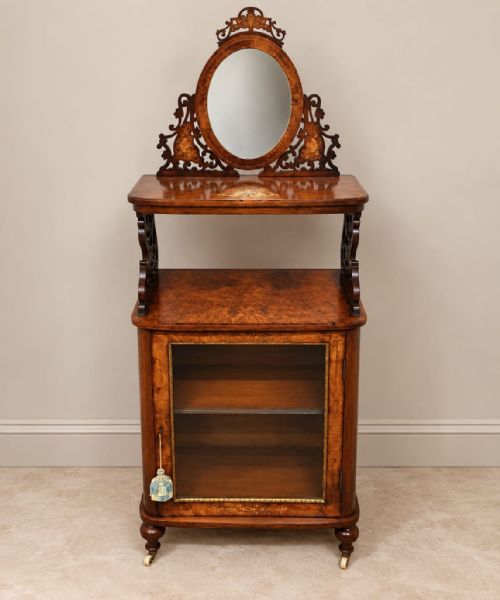
The selection ranges from large floor-standing credenzas and mirror-back cabinets down to smaller wall-hung etageres, corner shelves, and occasional display tables. Each variation utilises reflective glass to amplify the visual weight of whatever small treasures sit upon its brackets.
How they were made
Cabinet makers built these pieces using solid and veneered timbers including mahogany, burr walnut, rosewood, and oak, frequently applying intricate marquetry and satinwood inlay. Ormolu mounts, gilt metal, and carved details were added to elevate the visual presence of the woodwork.
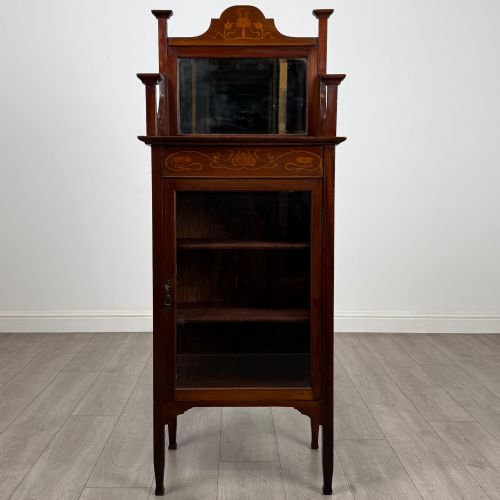
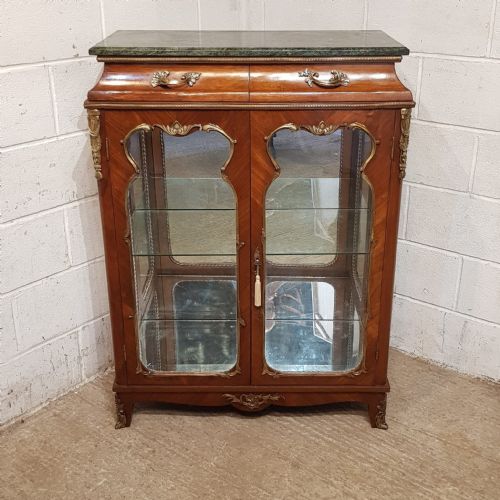
The integration of glass involved bevel-cut mirrors, glazed cabinet doors, and adjustable glass shelving, often supported by brass fixtures or gilt gesso frames. Back panels incorporated mirror glass to reflect light and create a sense of depth behind displayed items.
Some Victorian mirrors come equipped with tiny brackets intended entirely for tiny taxidermy displays or miniature exhibition domes.
What varies in quality
Quality rests in the choice of timber grains, such as highly figured burr walnut or select mahogany veneers, coupled with the precision of hand-cut marquetry and inlays. Finer pieces demonstrate superior joinery in their cabinetry and more ambitious sculptural carving around the mirror frames and display brackets.
Makership plays a substantial role, with documented workshops employing gilt bronze or ormolu mounts alongside heavy, high-grade mirror glass that remains clear and free from severe degradation. The sophistication of the overall design, from small wall etageres to grand mirror-back sideboards, dictates the standing of the piece.
Collinson & Lock·Gillows·François Linke·Edwards & Roberts·Lamb of Manchester
The Antique Display Mirror Glossary
- Credenza
- A grand sideboard or cabinet, frequently mounted with ormolu and featuring mirrored doors or interior shelving. These items often sat against principal drawing-room walls during the nineteenth century.
- Ormolu
- Gilt-bronze or brass mounts applied to furniture for decorative effect. This technique was favoured by prominent cabinet makers to accent rich woods like burr walnut and kingwood.
- Etagere
- A set of open shelves for displaying small ornaments and curiosities. They are often combined with wall mirrors or standing display structures.
- Marquetry
- Decorative wood veneers arranged in elaborate pictorial or geometric patterns on cabinet surfaces. Craftsmen used contrasting timbers to create depth and colour variation.
- Vitrine
- A glass-fronted cabinet designed specifically for displaying porcelain, silver, or collectibles. These pieces protect delicate objects while offering all-round visibility.
Antique Display Mirror: Frequently Asked Questions
What is an antique display mirror?
An antique display mirror is a piece of furniture that combines a looking-glass with shelves, cabinets, or brackets intended for showing off small decorative items. These items range from wall-mounted etageres to large Victorian mirror-back sideboards.
They were designed to bring light and decorative utility into period rooms by reflecting surrounding space while holding prized ornaments on integrated ledges.
How were mirror-back sideboards used?
Mirror-back sideboards and credenzas served as both serving furniture and display centres in Victorian dining rooms and drawing rooms. The flat surfaces held dining accessories or ornaments, while the mirror reflected the room's interior.
The integration of glass doors and open shelving allowed households to exhibit ceramics and glassware safely while keeping them dust-free.
How do I date an antique display mirror?
Dating relies on examining the timber species, the style of carving, and the construction methods used in the frame or cabinet body. Victorian pieces often feature heavy burr walnut and ormolu mounts, whereas Edwardian examples lean towards lighter satinwood inlay and Arts & Crafts or Art Nouveau motifs.
The condition and manufacture of the mirror glass itself also offer clues, as older plates can exhibit distinct bevelling characteristics and silvering variations.
Where should I place a display mirror?
These pieces suit living rooms, dining spaces, or hallways where they can capture natural light and reflect interior details. Wall-hung versions work well above mantelpieces or consoles, while freestanding cabinets anchor larger wall spaces.
Ensure the mounting is secure for wall-mounted pieces, especially heavier Victorian overmantles and glazed shelf units carrying collections of ceramics.