

Antique Display Globe
An antique display globe search reveals sectional bookcases, glass domes, and apothecary vessels designed to organise and protect.
Antique Display Globe
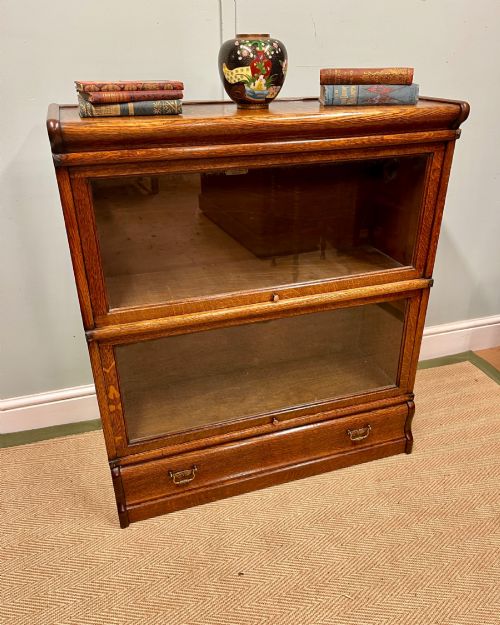
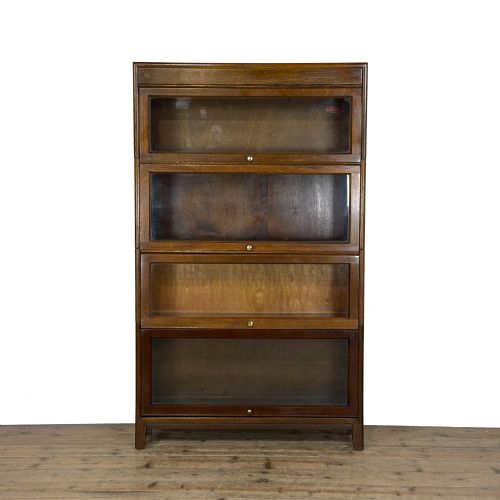
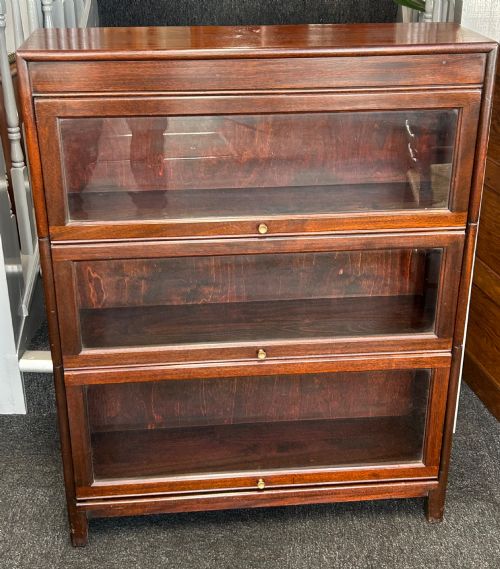
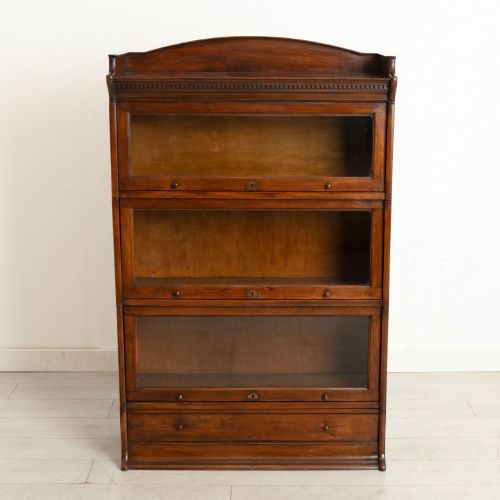
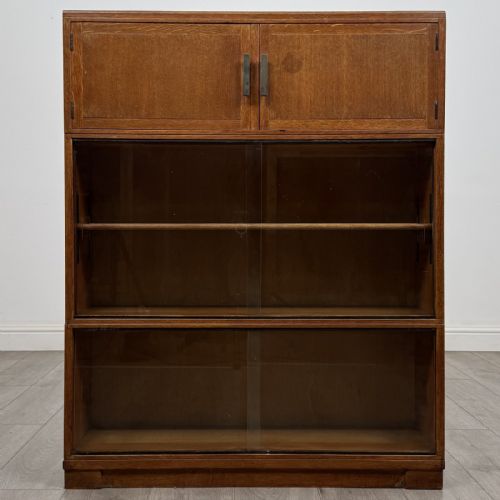
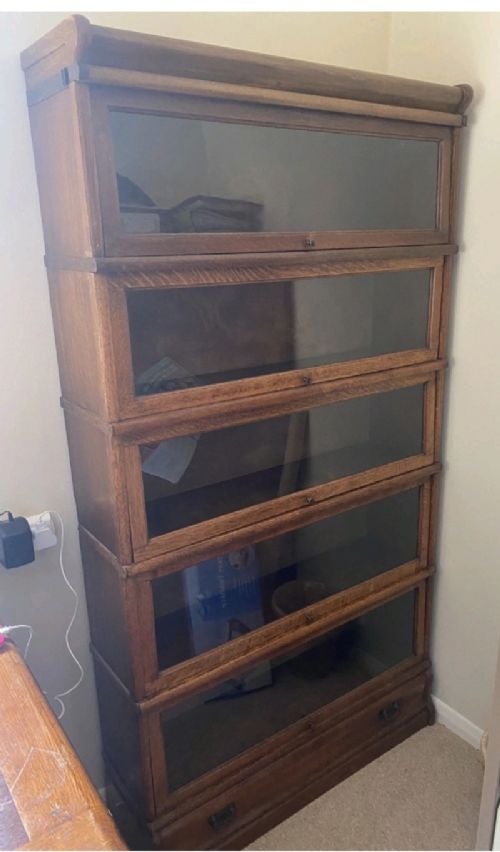
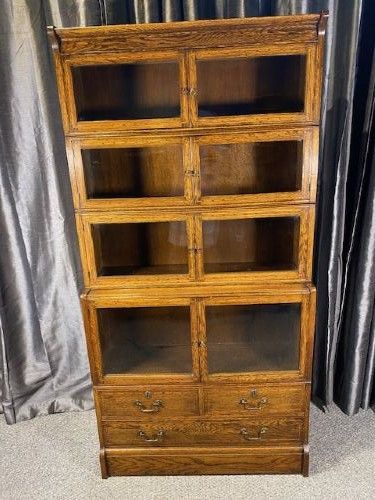
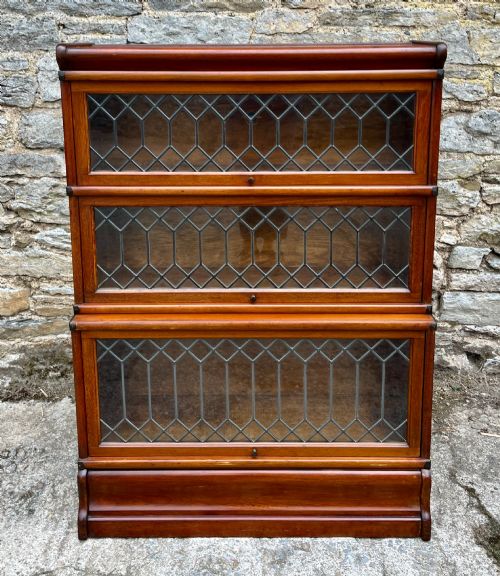
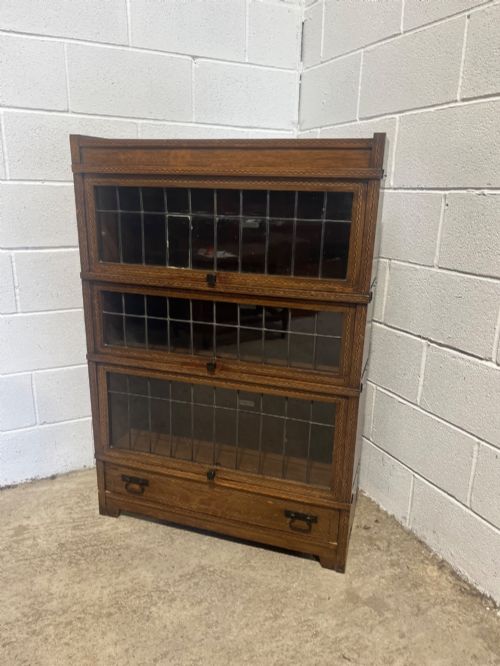
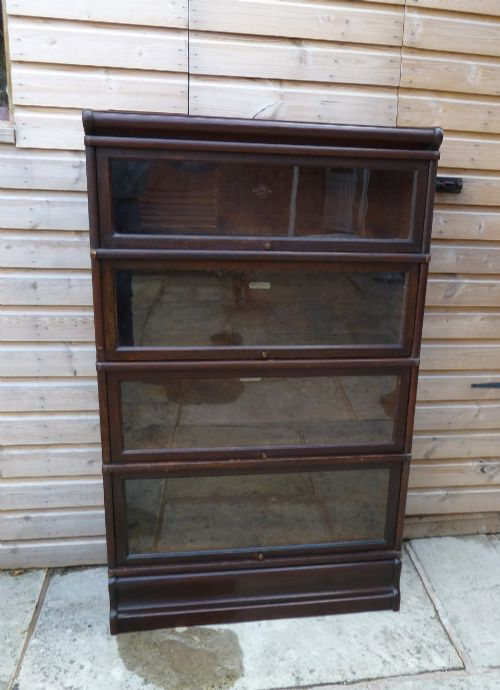
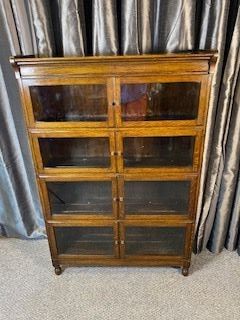
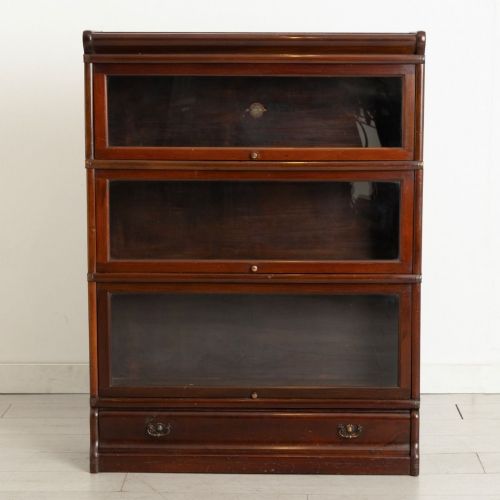
Buyers seeking an antique display globe will encounter modular sectional bookcases alongside glass domes and apothecary vessels. The sectional bookcases, often associated with makers like Globe Wernicke, dominate the selection in oak and mahogany.
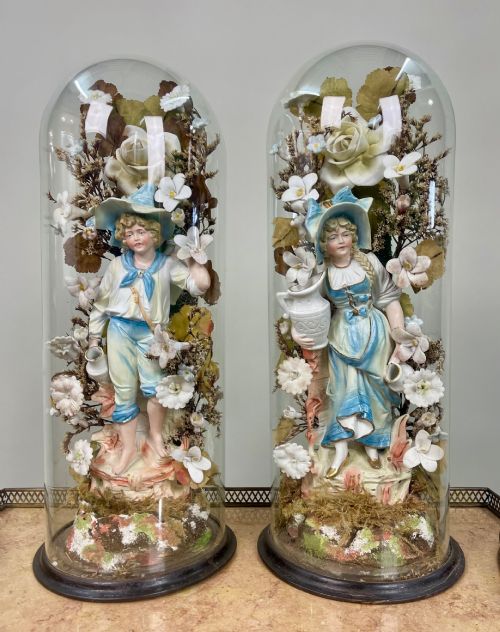
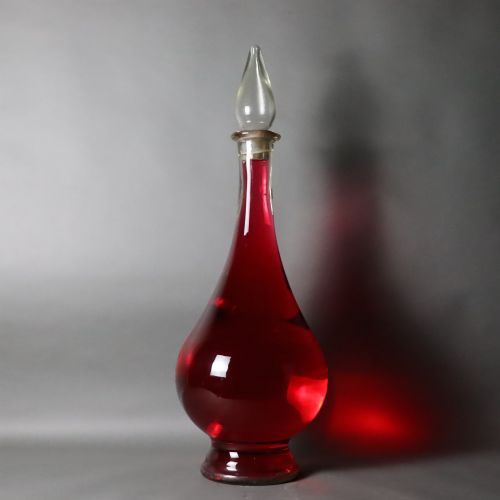
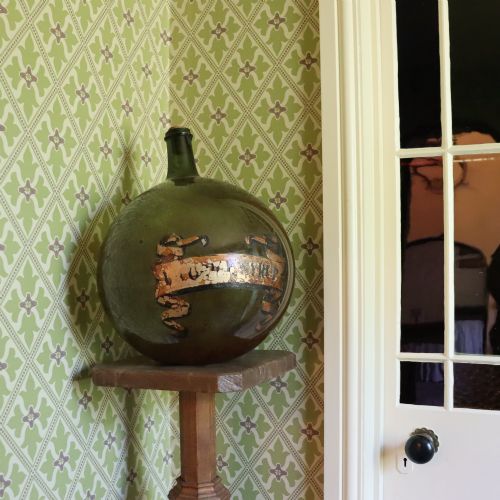
The periods represented stretch from the mid-nineteenth century through the Edwardian era and into the 1930s. Alongside stacking lawyer cabinets, the inventory includes glass display domes with wooden or ebonised bases and large glass carboys.
Materials and construction methods
Timber cases utilise solid oak and mahogany, frequently paired with glazed up-and-over doors and brass hardware. Modular stacking units rely on precise sectional joinery to allow tiers to interlock securely.
Display domes and apothecary vessels are formed from blown and cut glass, mounted upon turned bases of oak, ebonised wood, or mahogany, sometimes incorporating lead components for stability.
Antique Display Globe Retail Price Guide 2026
Typical asking prices for display globe among the pieces listed under this phrase on Sellingantiques today, from the lower quarter to the upper quarter. They describe what is for sale here now, not the wider market.
Listings feature oak and mahogany timbers alongside glass, brass, and ebonised wood across Victorian, Edwardian, and Art Deco periods.
Distinctions in quality
Quality rests upon the preservation of original surfaces, maker stamps, and glass clarity. Sectional bookcases with functional up-and-over lifting mechanisms and intact drawers to the base show superior manufacture.
Glass display domes and apothecary carboys demonstrate higher calibre through uniform thickness, minimal air bubbles, and original matching bases rather than later replacements.
Globe Wernicke·Lebus·Macey·Heals·Minty
The Antique Display Globe Glossary
- Sectional bookcase
- A modular cabinet built in stacked tiers with glazed up-and-over doors. These pieces allow units to be added or separated as collections grow.
- Display dome
- A blown glass cover mounted on a wooden base to protect specimens and ornaments. Victorian examples frequently house taxidermy or continental figures.
- Carboy
- A large glass vessel historically utilised in apothecaries and laboratories for storing liquids. They are characterised by ovoid bodies and heavy glass construction.
- Up-and-over door
- A hinged mechanism allowing glazed bookcase fronts to slide inward above the shelf. This design facilitates easy access to books within modular tiers.
Antique Display Globe: Frequently Asked Questions
How were glass domes used?
Glass domes served to protect delicate decorative objects, clocks, and taxidermy specimens from dust and atmospheric moisture. They were placed over items resting on fitted wooden bases.
Victorian households frequently displayed these showcases in parlours to highlight prized curiosities.
How do I identify a Globe Wernicke cabinet?
Globe Wernicke cabinets are distinguished by their modular stacking construction and patent up-and-over door mechanisms. Many pieces bear maker stamps within the wooden framework.
They appear primarily in oak and mahogany, often incorporating a matching drawer base.
What are apothecary carboys?
Apothecary carboys are large glass vessels featuring ovoid or globular bodies used in medicinal and chemical storage. They were placed in shop windows or interiors.
These heavy glass containers date from the nineteenth and early twentieth centuries.