




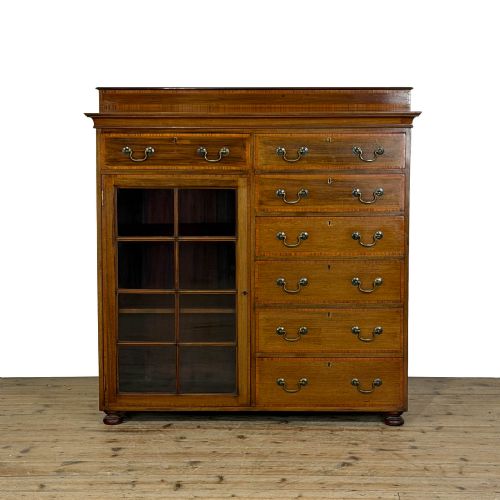
Antique Display Chest
An antique display chest combines storage and display, offering a practical way to house collections while bringing period character to a room.
Antique Display Chest
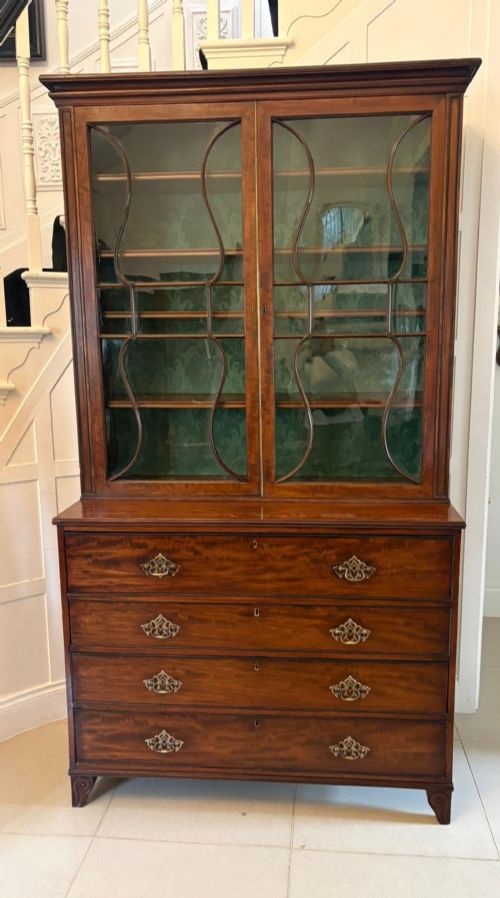
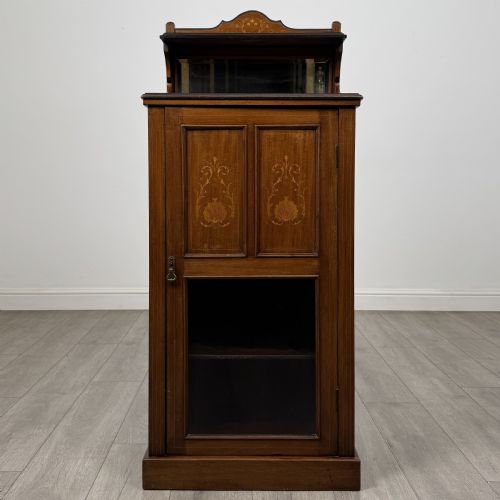
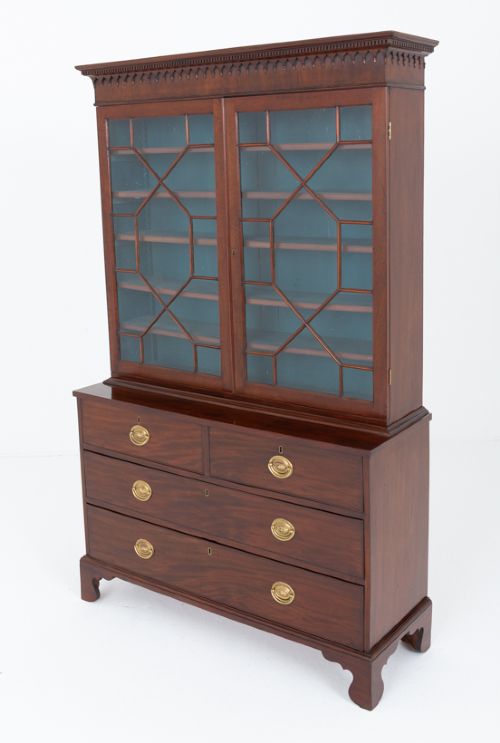
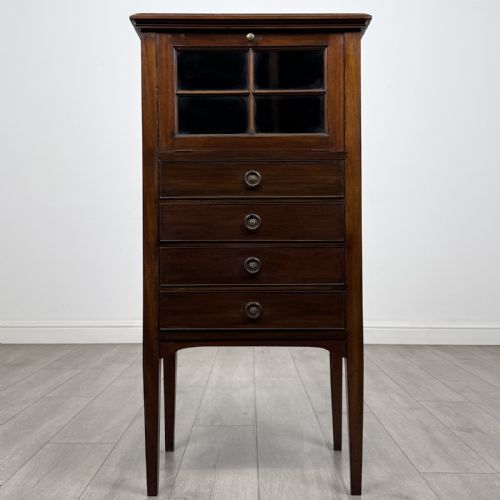
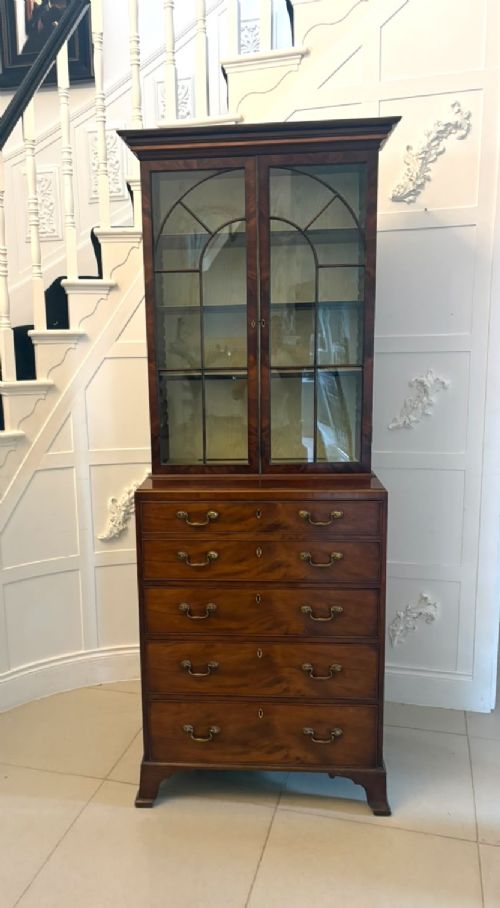
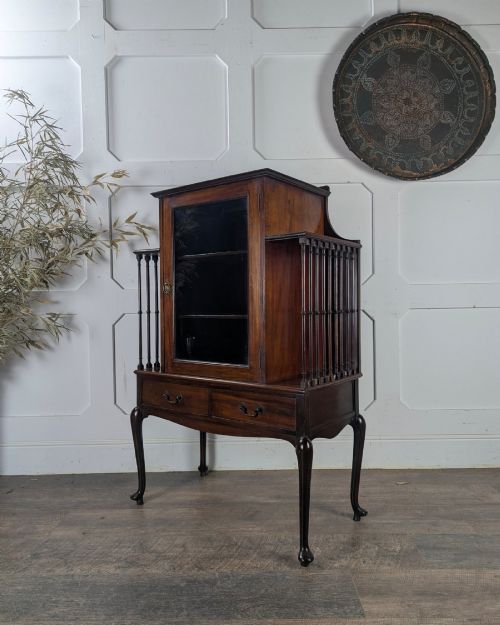
When searching for an antique display chest, buyers encounter a variety of forms including cabinets on chests, secretaire bookcases, and vitrines. These pieces bridge the gap between enclosed storage and glazed display space, often uniting a lower chest of drawers with an upper cabinet.
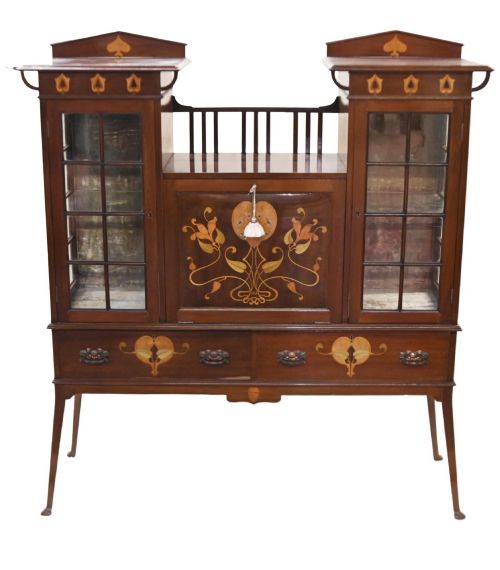
The selections span multiple eras, notably the 18th century, Georgian, and Victorian periods, alongside Edwardian and later revivals. Buyers most frequently meet mahogany and walnut timber constructions, often featuring glazed doors or mirrored sections intended to exhibit items securely.
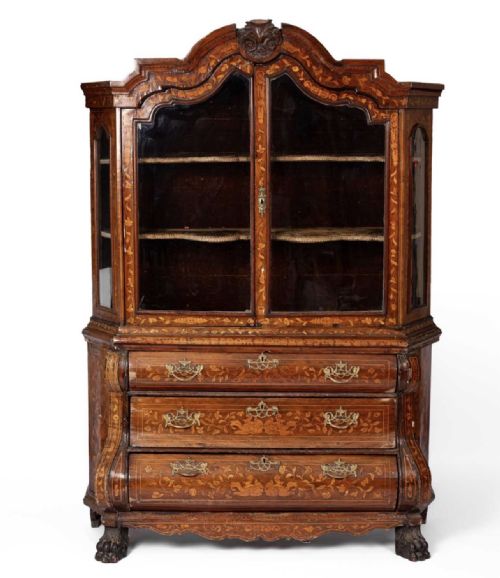
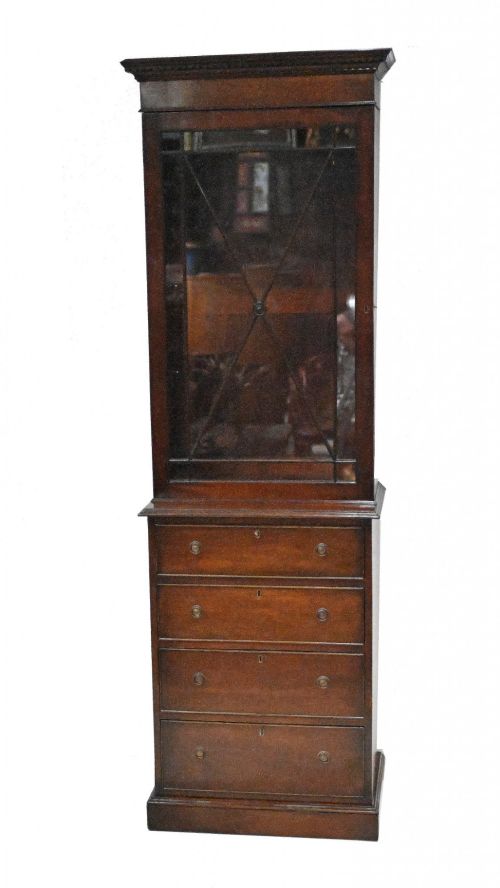
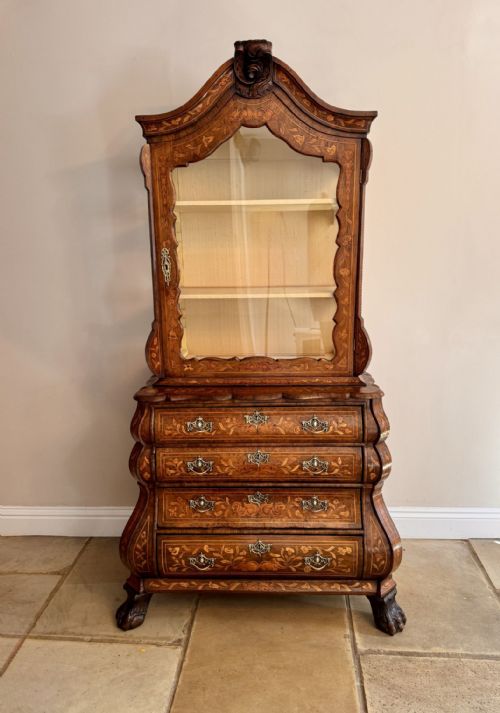
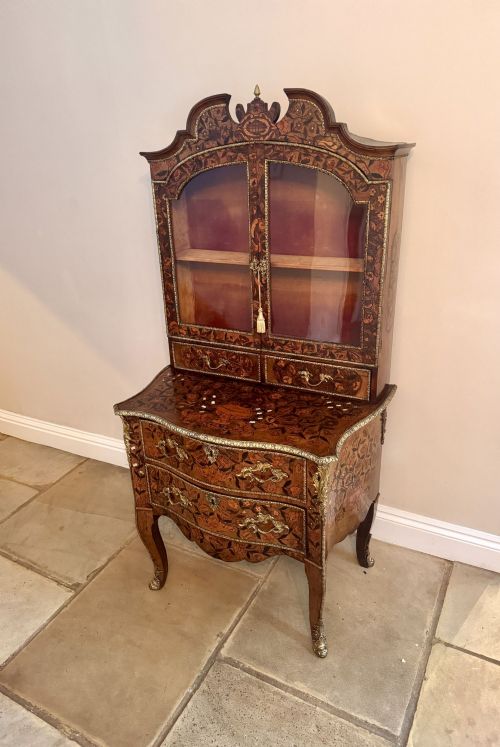
Regional variations appear regularly, from Dutch marquetry pieces featuring floral inlay to English mahogany library pieces. Each design reflects the domestic requirements of its period, whether for books, linen, or curated collections.
Materials and Construction Techniques
Cabinet makers utilised dense hardwoods such as mahogany, walnut, and oak, often applying figured veneers to principal surfaces. Marquetry inlay involving floral and pictorial motifs demonstrates intricate craftsmanship, particularly on Dutch examples.
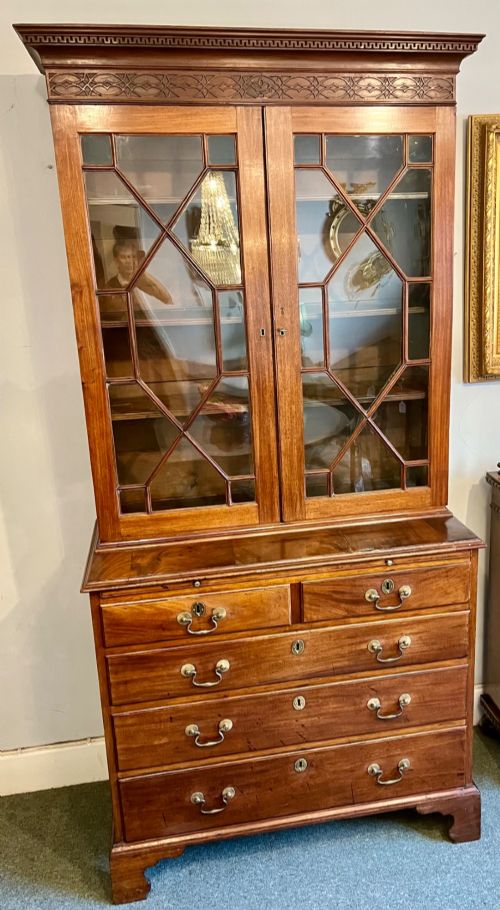
Structural elements frequently incorporate secondary timbers like pine alongside brass hardware, ormolu mounts, and pewter inlay. Glazing bars structure the upper display doors, while specialised interiors feature fitted drawers, pigeonholes, and brushing slides.
Antique Display Chest Retail Price Guide 2026
Typical asking prices for display chest among the pieces listed under this phrase on Sellingantiques today, from the lower quarter to the upper quarter. They describe what is for sale here now, not the wider market.
Listings feature walnut, mahogany, oak, pine, and fruitwood across Georgian, Victorian, and Edwardian periods.
Distinctions in Quality and Execution
Quality rests in the precision of the cabinet work, the choice of timber grain, and the execution of decorative details like marquetry and carving. Superior pieces display harmonious proportions and seamless integration between the lower chest and upper display section.
Gillows·Thomas Chippendale·Edwards and Roberts
The Antique Display Chest Glossary
- Marquetry
- Decorative veneer work forming patterns or pictures by laying down thin pieces of wood and other materials onto a structural base. This technique was widely utilised on Dutch furniture to create elaborate floral designs.
- Secretaire bookcase
- A tall cabinet incorporating a pull-down writing drawer that conceals a fitted interior of small drawers and pigeonholes beneath upper shelving. It combines a desk with display or book storage.
- Bombe
- A swollen or bulging contour characteristic of furniture fronts and sides seen in Dutch and continental designs. This curved profile requires advanced woodworking skill to execute properly.
- Vitrine
- A glass-fronted cabinet designed specifically for displaying porcelain, curiosities, or ornaments. The glass panels on multiple sides allow light to enter and illuminate the objects within.
- Astragal
- Moulding framing the individual panes of glass in a glazed cabinet door. Fine astragals create delicate geometric or Gothic patterns across the opening.
Antique Display Chest: Frequently Asked Questions
What is an antique display chest?
An antique display chest is a piece of furniture that combines a lower chest base with an upper cabinet designed for showing objects. These dual-purpose pieces evolved to meet domestic needs for both secure storage and elevated display.
They appear in various styles from the 18th century onward, utilising timber frames and glass panels to protect and exhibit contents.
How were these cabinets used originally?
These cabinets served to store and display valuable books, textiles, porcelain, and collector's items. The enclosed lower drawers held household goods while upper glazed sections exhibited prized possessions.
Fitted writing drawers in secretaire variants also provided a dedicated space for correspondence and administrative tasks.
How do I care for wood and glass?
Maintain timber surfaces by applying a quality wax polish periodically and keeping pieces away from direct heat sources and sunlight. This prevents the wood from drying out and preserves the finish.
Clean glass panels with standard solutions while avoiding overspray onto surrounding polished wood frames or fragile marquetry.
How can I tell periods apart?
Period identification relies on observing timber choices, construction methods, and stylistic motifs. Georgian pieces often show restrained classical lines in mahogany, while Dutch examples feature elaborate floral marquetry and serpentine forms.
Victorian and Edwardian versions incorporate later manufacturing techniques and reflect revivals of earlier stylistic eras.