


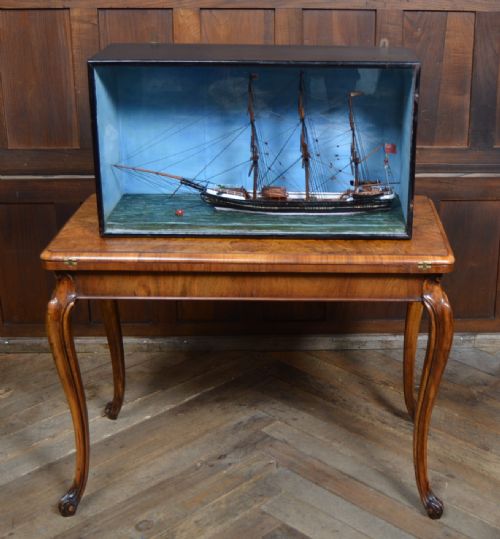


Antique Display Case Model
These antique display case model pieces bring maritime history and traditional craftsmanship directly into a room, offering a glimpse into bygone maritime and domestic life.
Antique Display Case Model
When you search for an antique display case model, you encounter a specialised variety of shadow box dioramas, scale models, and framed presentations. These items predominantly date from the nineteenth century and the Edwardian era, capturing maritime subjects alongside domestic and industrial scenes.
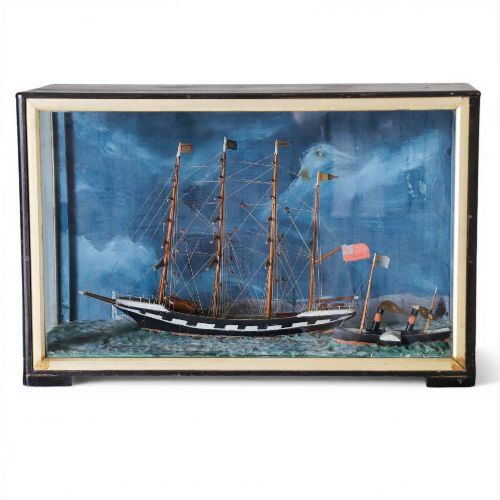
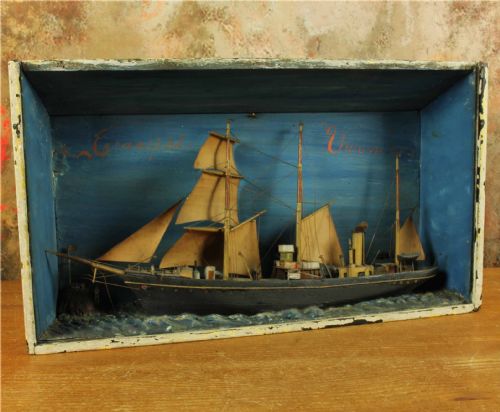
The most frequent examples on this page are ship dioramas housed within glazed wooden boxes or under glass domes. Such pieces often depict specific vessels like the Glynllifon or the Hippolyta, alongside generic sailing ketches, barques, and four-masted sailing ships.
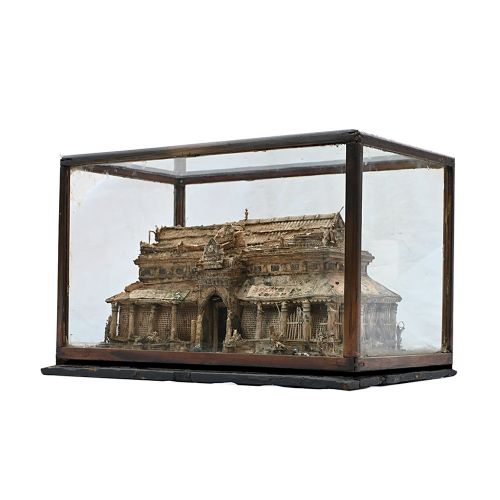
Beyond maritime folk art, the category extends to architectural subjects, such as a copper smelting furnace foundry works diorama, and grocery store models. Each version provides a self-contained window into historical trades, transport, and decorative arts.
How they were made
Maker construction relies heavily on wood, glass, and painted elements, combined with specialised materials such as brass, plaster, fabric, canvas, and wax. Artisans built scratch-built models of sailing vessels and placed them inside protective wooden shadow boxes fronted with glass to shield delicate rigging.
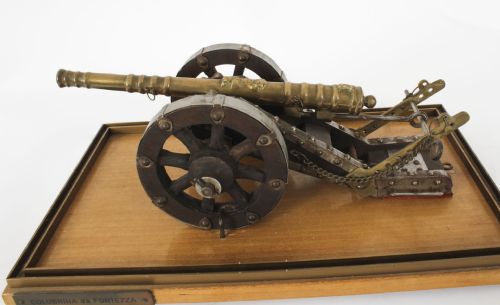
Surfaces often feature detailed paintwork, while specific maritime examples incorporate straw work or canvas to render water and waves with texture. Metal components like brass and bronze appear in miniature cannons and regimental drums, demonstrating diverse workshop techniques.
Listings feature materials spanning wood, glass, paint, plaster, brass, fabric, canvas, and wax across various nineteenth-century styles.
What varies in quality
Quality rests primarily on the intricacy of the scratch-built model and the preservation of its original glazed enclosure. Finer examples maintain crisp detail in the miniature rigging, painted seascapes, and structural components without modern replacement parts.
The sophistication of the diorama background, such as Turneresque seascapes or intricate straw work, distinguishes standard folk art objects from masterworks. The integrity of the wooden case and the clarity of the original glass housing also influence the overall character of the piece.
The Antique Display Case Model Glossary
- Shadow Box Diorama
- A shallow, glass-fronted case containing a three-dimensional scene built from various materials. This format protects intricate models from dust and damage.
- Maritime Folk Art
- Decorative objects created by self-taught makers, often sailors, depicting ships and maritime subjects. These items rely on traditional materials found on vessels or in coastal communities.
- Scratch Built
- A model constructed completely from raw materials rather than from a commercial kit. This method demands high skill and precision from the maker.
- Barque
- A sailing vessel with three or more masts, having the foremast and mainmast square-rigged and the mizzenmast fore-and-aft rigged. Models of this rig appear frequently in Edwardian pieces.
Antique Display Case Model: Frequently Asked Questions
How should I display a cased ship model?
Place your cased model on a sturdy table or shelf away from direct sunlight to protect fabrics, painted surfaces, and delicate interior elements.
Ensure the room maintains a stable temperature to prevent warping of the historic wood and degradation of the glass seal.
What periods do these models cover?
The available pieces primarily span the nineteenth century, including specific dates from eighteen-fifty through to nineteen-thirty.
You will also find examples from the Edwardian period and the turn of the twentieth century reflecting maritime and industrial subjects.
Can the glass case be removed?
Most antique display cases are sealed to protect the fragile interior diorama from dust, moisture, and handling.
Attempting to open the case can damage the antique frame and the delicate rigging of the enclosed model.