


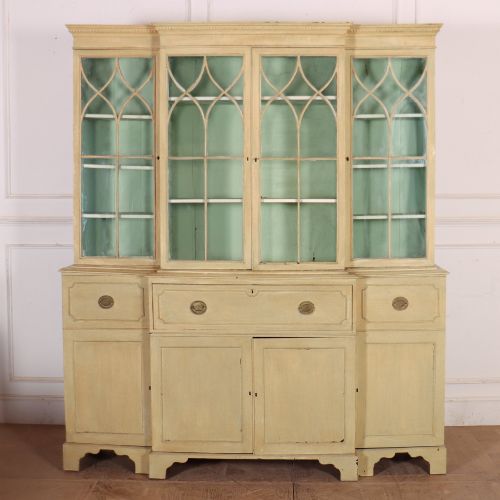
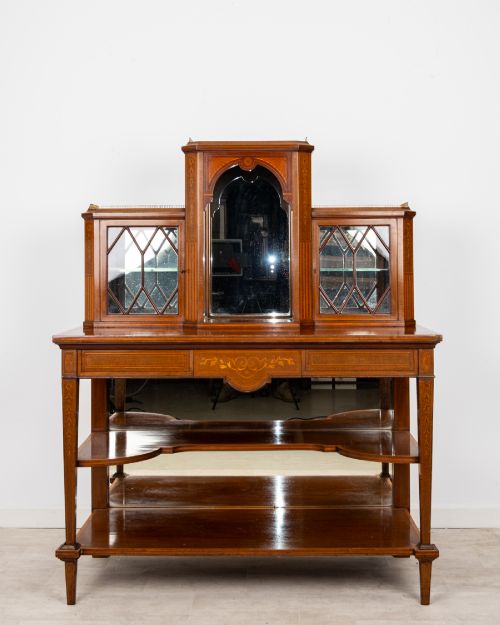
Antique Display Cabinet Desk
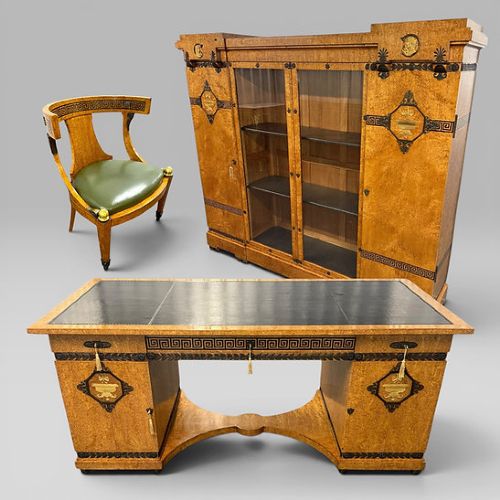
When you search for an antique display cabinet desk, you find pieces that combine enclosed shelving with a fitted writing surface, offering display space and storage in one item.
Antique Display Cabinet Desk
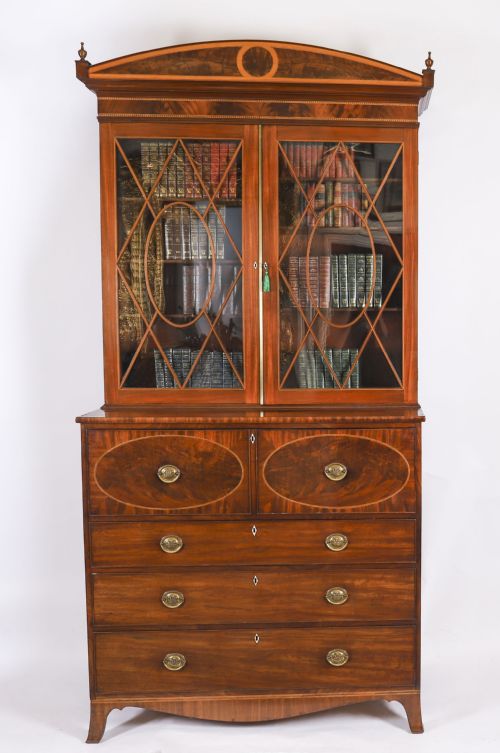
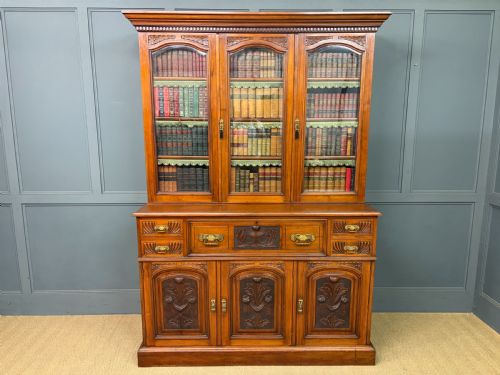
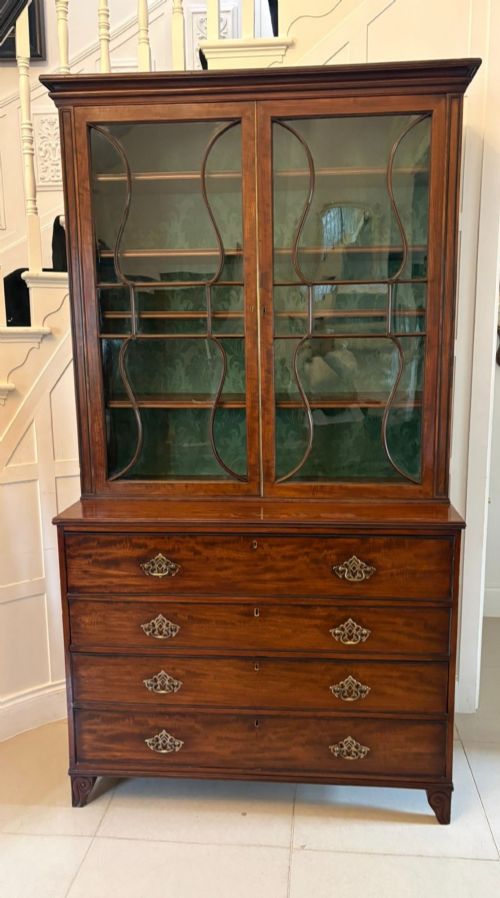
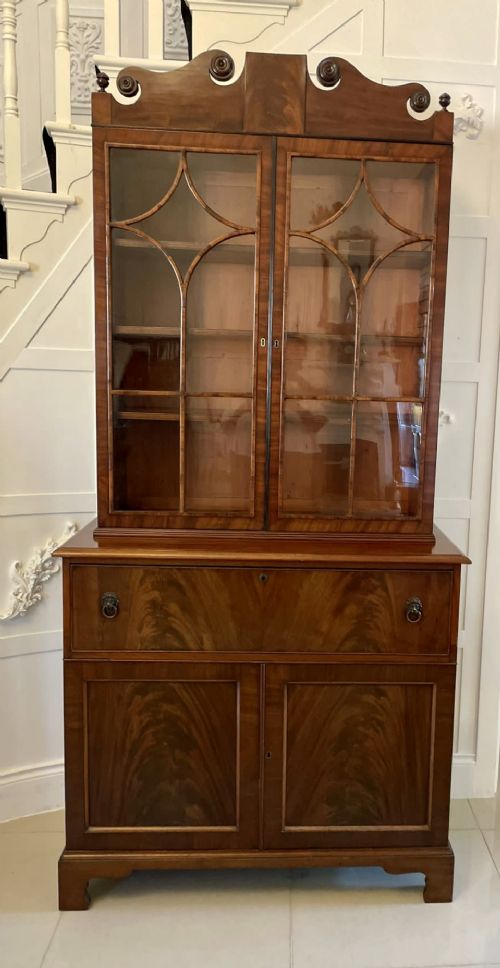
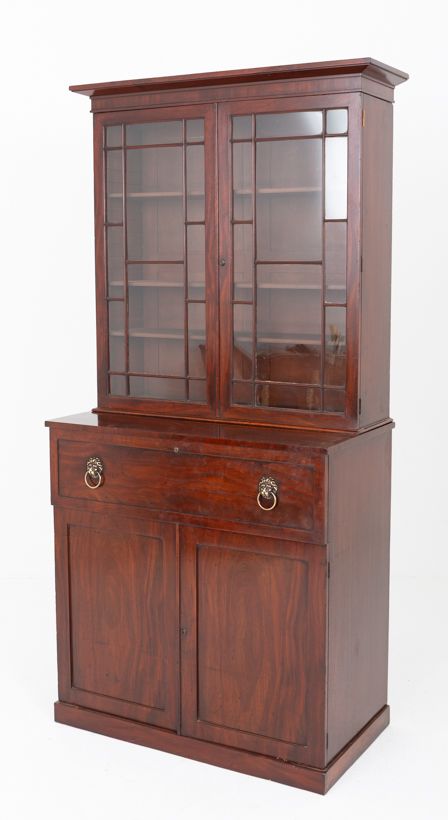
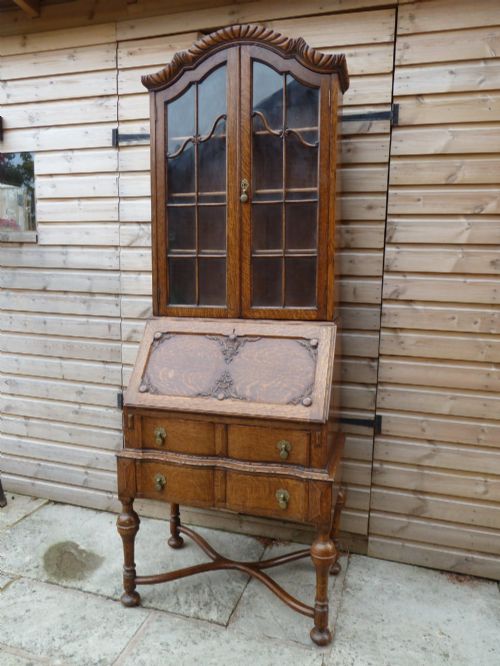
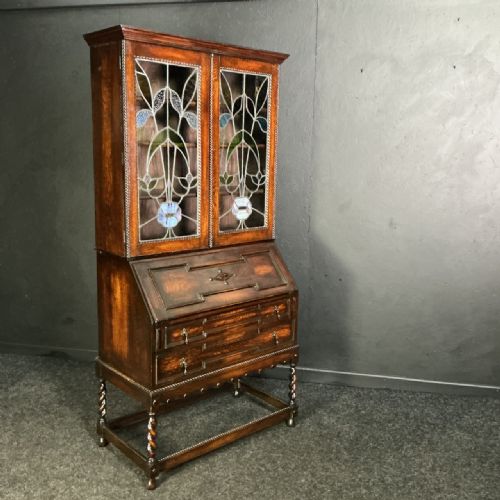
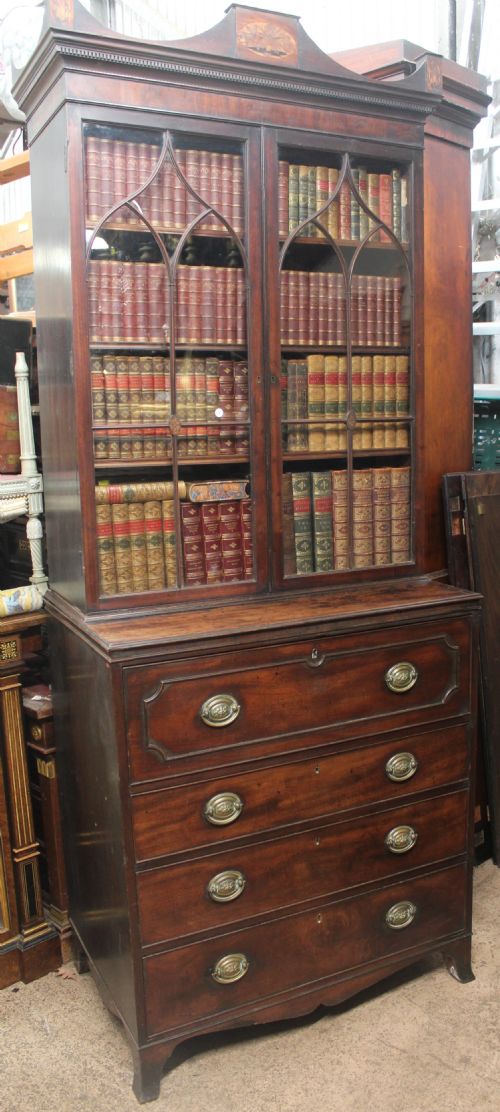
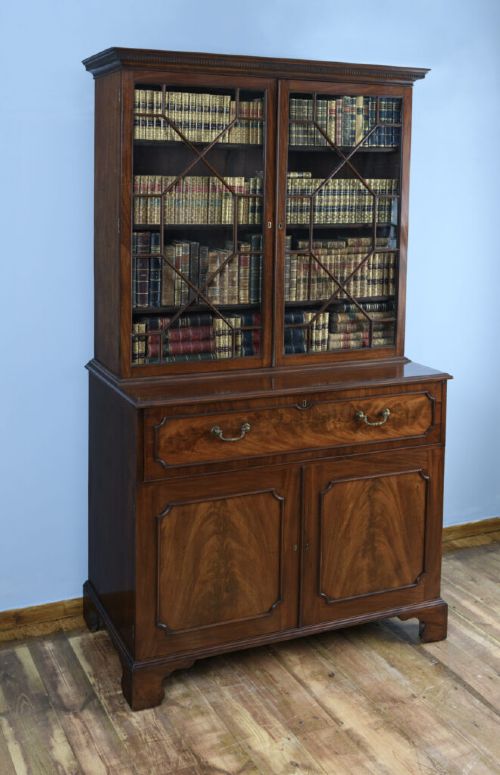
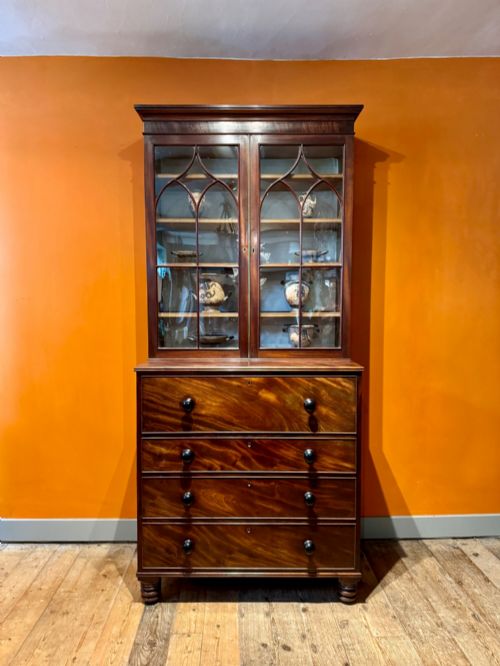
An antique display cabinet desk encompasses secretaire bookcases, bureau bookcases, and writing cabinets that unite glazed upper shelving with a drop-down or drawer-contained writing compartment. These hybrid items serve both library storage and practical correspondence needs within domestic interiors.
The versions met most frequently on this page date from the eighteenth and nineteenth centuries, spanning Georgian, Regency, and Victorian eras. Pieces from the Edwardian period and early twentieth century also appear, bringing lighter woods and distinct revival styles.
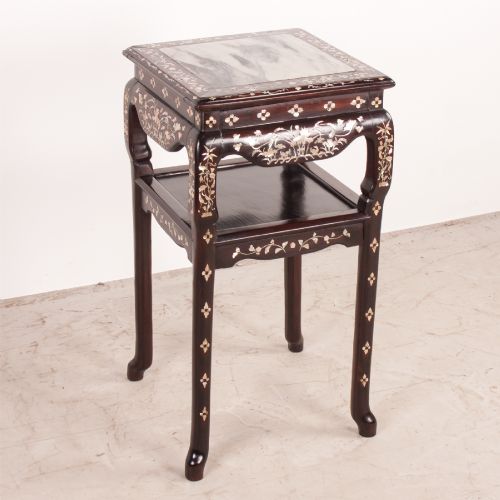
Forms range from tall library bookcases with astragal glazed doors to smaller bureau formats and occasional tables with specialised display functions. Cabinets often feature fitted interiors with small drawers and pigeonholes behind the primary writing flap.
Craftsmanship and Proportion
Quality separates through the selection of timber veneers, such as richly figured flame mahogany or burr walnut, matched across primary surfaces. Superior examples display refined cabinet-making in the internal fittings of the writing section, including secret compartments and hand-cut dovetails.
Proportion and the execution of decorative elements determine the standing of an individual piece. Finer items exhibit precise glazing bar arrangements, balanced proportions, and integrated brass handles that complement the period style.
Several writing compartments conceal secret drawers operated by hidden wooden spring latches.
Gillows·Mercier Freres·Maple and Co
The Antique Display Cabinet Desk Glossary
- Secretaire bookcase
- A tall furniture piece incorporating a drawer or drop-front flap that pulls down to form a writing desk, topped by glazed shelving for books.
- Astragal glazed
- Glass doors divided into smaller panes by narrow wooden mouldings or bars, typical of eighteenth and nineteenth-century library furniture.
- Flame mahogany
- A veneer cut from mahogany logs where the grain creates a distinctive flickering flame pattern across the polished surface.
- Burr walnut
- Timber taken from a growth on a walnut tree, yielding a swirling, highly figured grain pattern prized for high-end cabinet work.
- Bureau bookcase
- A writing cabinet with a sloping fall-front desk combined with an upper bookcase section.
Antique Display Cabinet Desk: Frequently Asked Questions
How do I use a secretaire drawer?
The front of the drawer pulls down on hinges to reveal a flat writing surface and an internal arrangement of small drawers and pigeonholes.
Support brackets or pull-out lopers automatically extend to bear the weight of the writing flap during use.
Where were these cabinets placed?
These pieces traditionally stood in libraries, parlours, or private studies where owners stored books and managed correspondence.
The combined display and writing functions made them central furniture items for reception rooms and home offices.
How do I distinguish Georgian from Victorian pieces?
Georgian cabinets often display lighter proportions, classical astragal glazing patterns, and restrained satinwood or mahogany veneers.
Victorian examples frequently feature heavier timber sections, darker walnut or mahogany tones, and more elaborate carved ornamentation.
What maintenance do glazed doors require?
The glass panes and wooden frames need regular dusting with a dry, soft cloth to prevent grime accumulation on the astragal bars.
Original glass should be cleaned gently without ammonia-based sprays to preserve the historical surface character.