





Antique Dish Holder
An antique dish holder supports tableware and small vessels, bringing functional metalwork and ceramics from the Georgian, Victorian, and Edwardian eras directly to the table.
Antique Dish Holder
An antique dish holder encompasses various forms designed to support, elevate, or encase tableware and small vessels. Pieces on this page span from Georgian and Regency items through Victorian, Edwardian, and Art Deco periods.
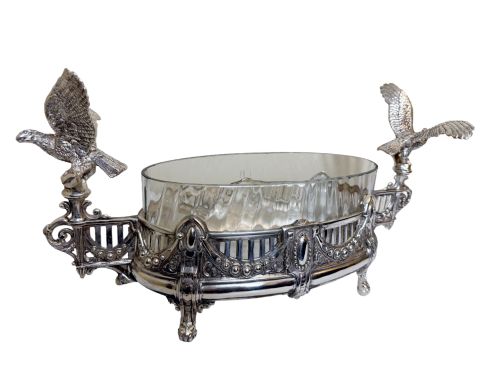
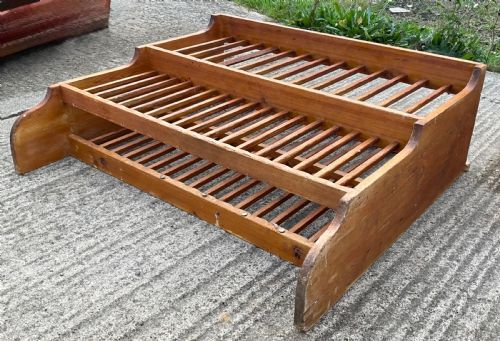
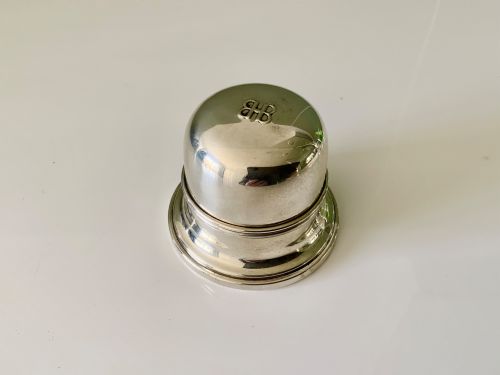
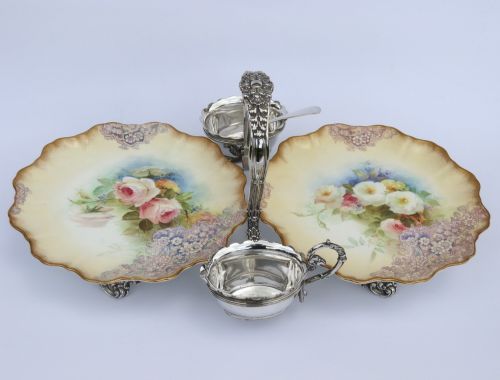
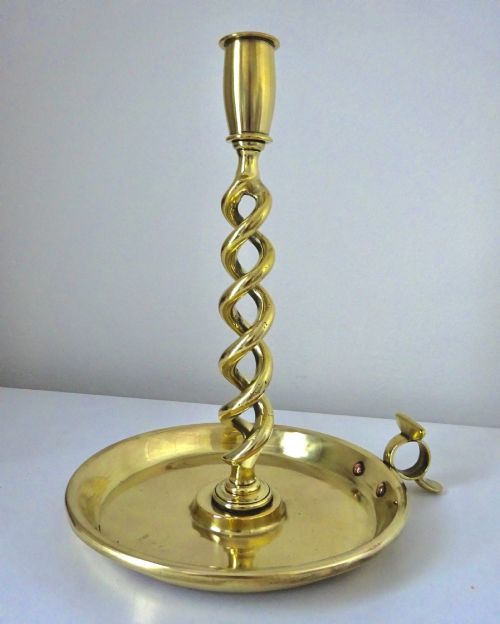
The selection includes silver plate, sterling silver, and brass stands alongside ceramic baskets, porcelain bowls, and glass liners. Functional items range from preserve dishes and asparagus holders to plate stands and dessert sets.
Origins stretch across English workshops, Sheffield plate makers, Staffordshire potteries, and continental European glassworks. Collectors encounter both utilitarian holders and decorative display pieces intended for dining and dressing tables.
Materials and construction methods
Metal items rely on sterling silver, Old Sheffield plate, silver plate, and solid brass, often shaped through casting, piercing, or hand-forming. Plated pieces use a base metal fused or electroplated with silver.
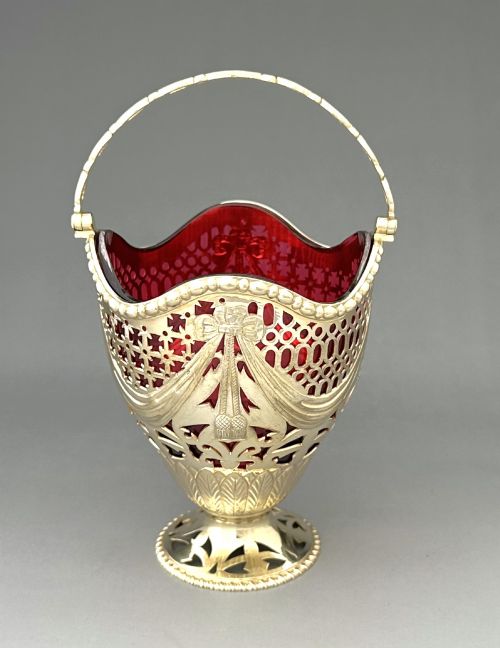
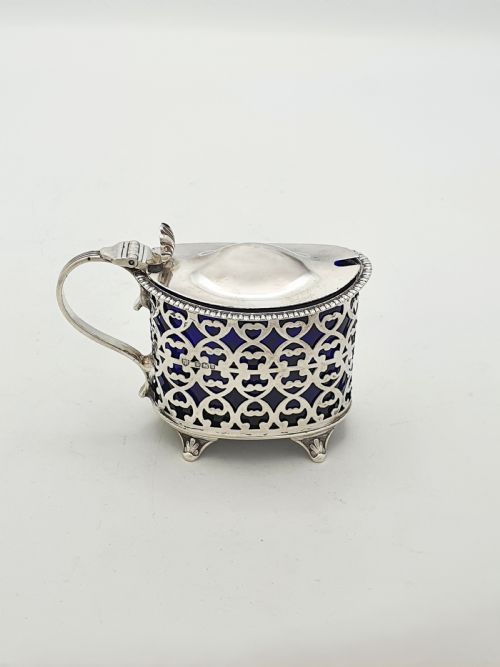
Ceramic and glass components involve porcelain, ironstone, and glazed earthenware, frequently paired with fitted metal stands. Glass elements include cranberry and cobalt glass, sometimes blown into metal frames or encased in silver mounts.
Antique Dish Holder Retail Price Guide 2026
Typical asking prices for dish holder among the pieces listed under this phrase on Sellingantiques today, from the lower quarter to the upper quarter. They describe what is for sale here now, not the wider market.
Listings feature silver plate, sterling silver, brass, ceramic, glaze, and cranberry glass across Victorian, Edwardian, Georgian, and Art Deco styles.
Distinctions in quality
Quality depends on the crispness of casting and the precision of pierced metalwork or hand-painted ceramic details. Finer examples display balanced proportions and secure, custom-fitted mounts for glass or porcelain inserts.
The integrity of the original plating, the clarity of coloured glass liners, and the presence of maker marks distinguish standard domestic wares from superior workshop productions.
Walker and Hall·Doulton Burslem·Creswick·Royal Doulton·René Lalique·WMF·Mason
The Antique Dish Holder Glossary
- Sheffield Plate
- A method of fusing a thin sheet of silver onto a copper core, common in items from the eighteenth and nineteenth centuries.
- Cranberry Glass
- A deep red glass coloured with gold chloride, frequently blown into bowls and liners for silver-plated stands.
- Pierced Work
- Metal decorated by cutting patterns through the surface, often seen on baskets, salt cellars, and mustard pots.
- Old Sheffield Plated
- An early plating technique where silver and copper are mechanically fused before being worked into trays, candlesticks, and dish holders.
Antique Dish Holder: Frequently Asked Questions
What is an antique dish holder?
An antique dish holder is a decorative and functional metal, ceramic, or glass stand designed to support tableware, bowls, or small dishes.
These pieces originate from periods including the Georgian, Victorian, and Edwardian eras, serving dining and display purposes.
How were silver plated holders made?
Makers used techniques like Old Sheffield plating or later electroplating to coat base metals such as copper or brass with silver.
Piercing, casting, and hand assembly created the intricate frames that secure glass liners and ceramic bowls.
How do I clean antique silver plate?
Clean silver plate gently with a soft cloth and specialised silver polish, avoiding abrasive materials that wear away the thin silver layer.
Keep glass and ceramic liners separate during cleaning to protect delicate painted details or fitted mounts.
How can I date an antique dish holder?
Dating relies on stylistic clues, manufacturing techniques, and any maker marks or hallmarks stamped into the metal.
Georgian and Regency pieces feature heavier hand-wrought forms, while Victorian and Edwardian examples often display machine stamping or detailed piercing.