


Antique Dining Storage
Antique dining storage pieces are practical timber furniture items like sideboards and dressers that bring period character and daily utility to a modern interior.
Antique Dining Storage
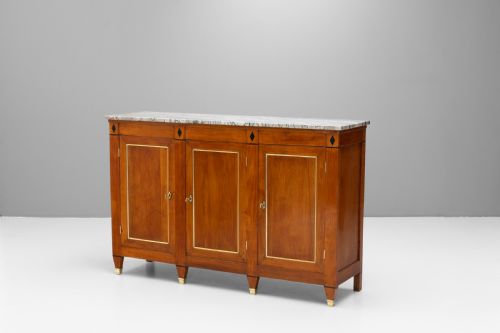
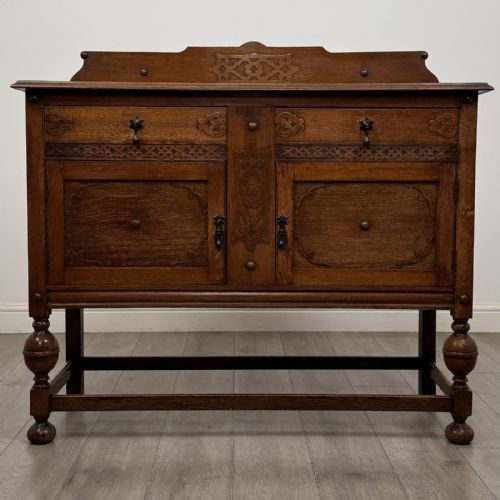
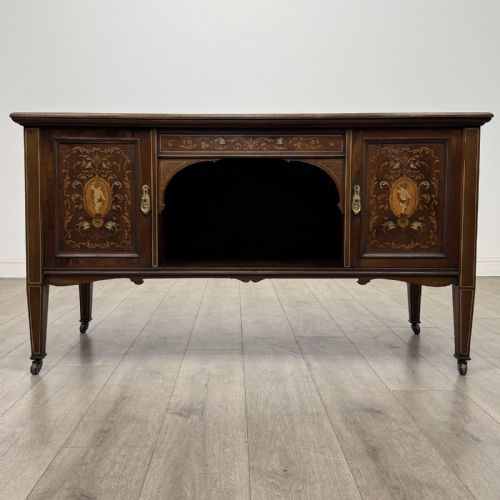
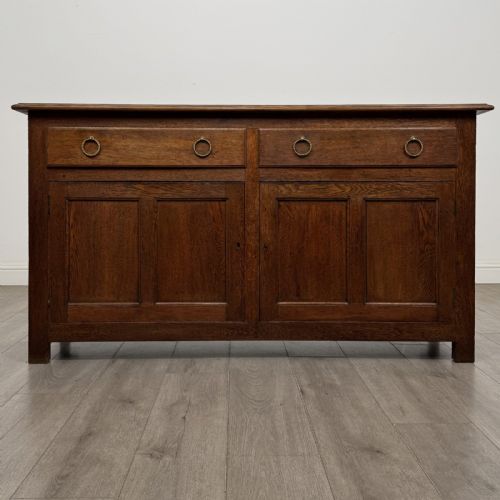
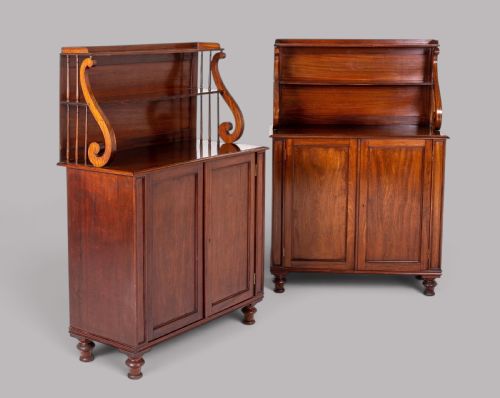
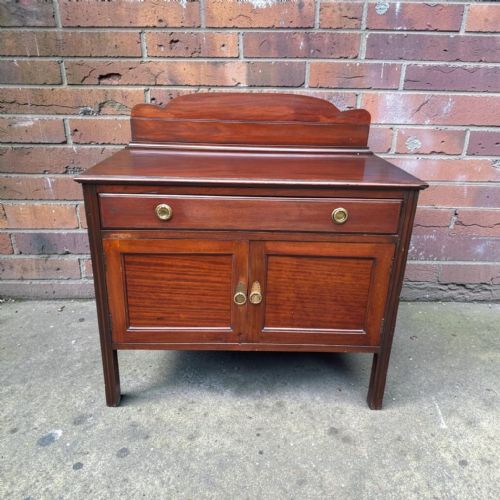
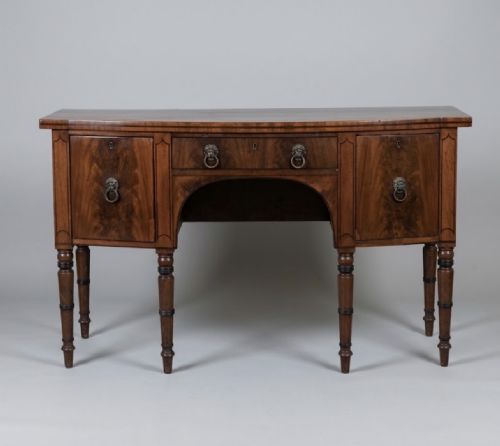
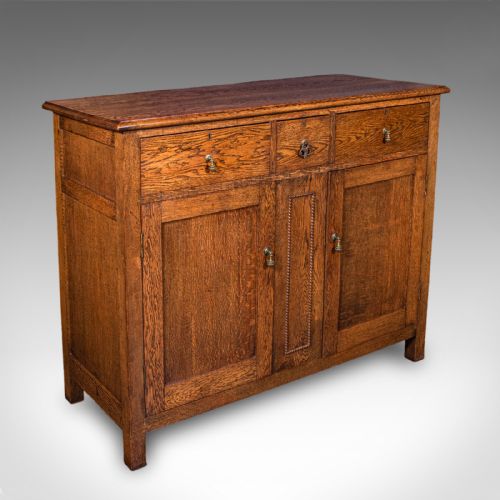
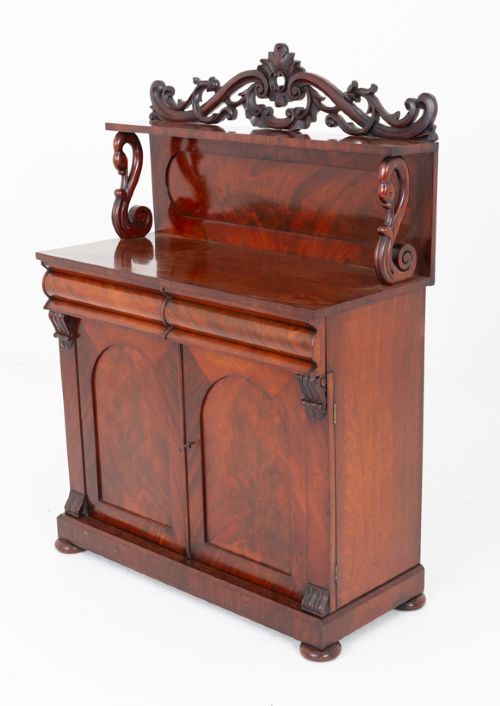
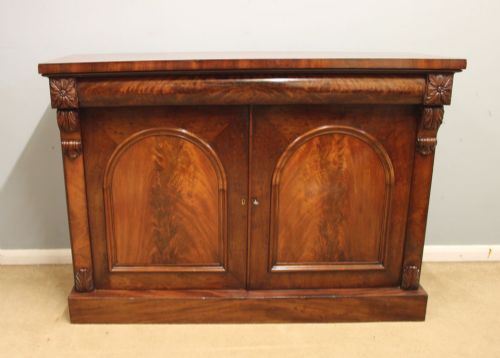
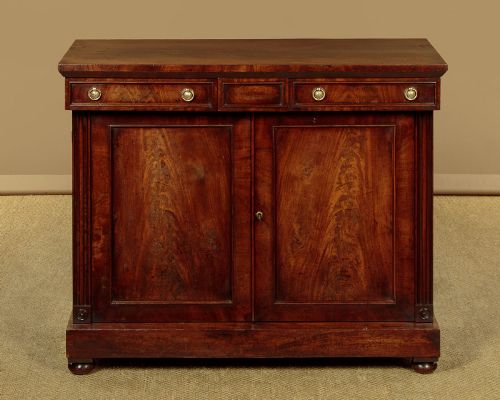
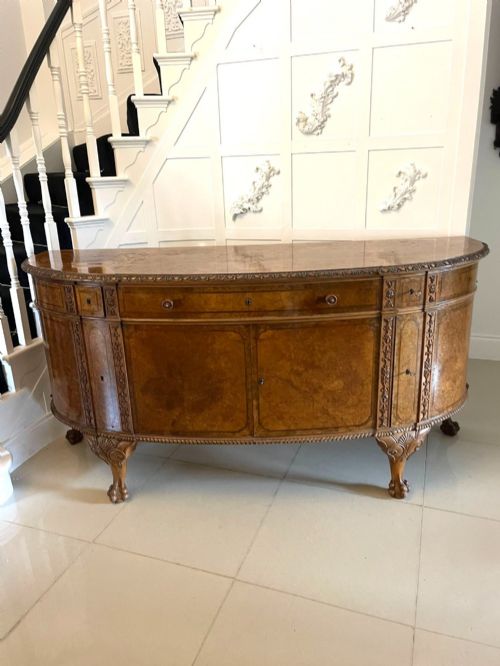
When you search for antique dining storage, you encounter substantial timber furniture designed to hold tableware, linen, and food in domestic spaces. The most common forms on this page are sideboards, chiffoniers, and dresser bases spanning several centuries of cabinet-making.
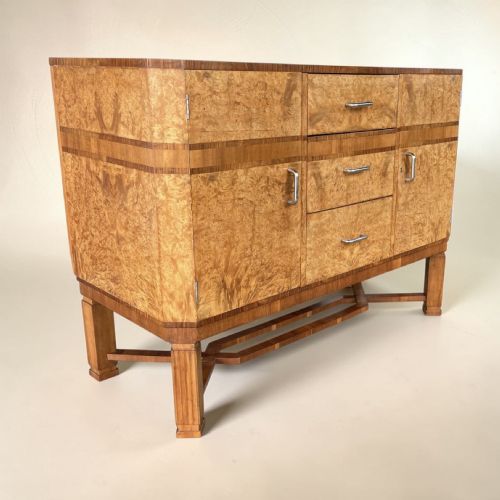
The selection ranges from early oak country pieces to refined mahogany and walnut designs from the Georgian, Victorian, and Edwardian eras. Later examples introduce Art Deco influences alongside revival styles that imitate earlier centuries.
Materials and construction
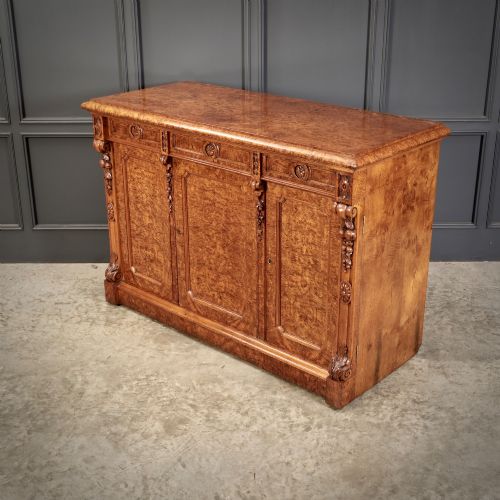
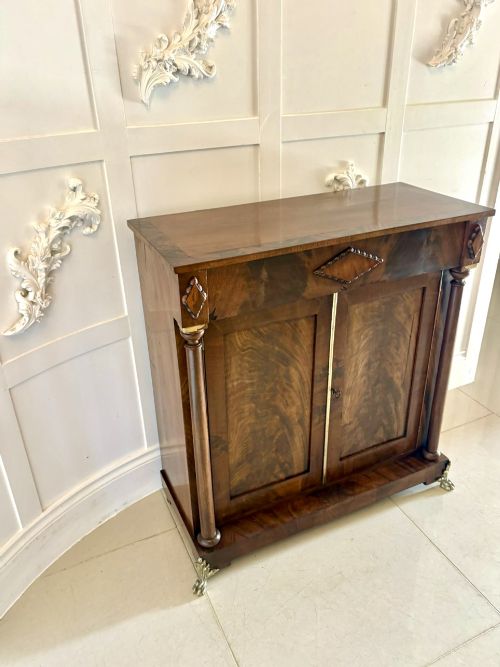
Makers relied heavily on native hardwoods like oak for robust country pieces, while utilising mahogany, walnut, and satinwood for finer formal furniture. Timber was frequently selected for its grain, employing flame mahogany veneer and burr walnut to create striking decorative surfaces on drawer fronts and cabinet doors.
Construction techniques combine traditional joinery with applied carvings, brass handles, and occasionally marble tops or iron fittings. Cupboards, drawers, and server surfaces were built to endure heavy domestic use while displaying the characteristic aesthetic of their period.
Antique Dining Storage Retail Price Guide 2026
Typical asking prices for dining storage among the pieces listed under this phrase on Sellingantiques today, from the lower quarter to the upper quarter. They describe what is for sale here now, not the wider market.
A French provincial sacristy cabinet quietly crosses from church vestry to modern dining room, holding dinner plates instead of vestments.
Judging quality in dining storage
Quality rests in the selection of timber figures, the crispness of any carved detailing, and the integrity of the original construction. Superior pieces display thoughtful grain matching on veneer surfaces and finely finished interior spaces.
Proportion and decorative restraint often distinguish finer examples from standard production, alongside hardware like brass handles and working locks that suit the period of manufacture.
M. D. Miller & Sons·Heals of London
The Antique Dining Storage Glossary
- Chiffonier
- A compact sideboard or low cabinet, often featuring shelves or a mirror back, developed during the 19th century. These pieces offer convenient storage for dining rooms with limited floor space.
- Dresser base
- A lower storage unit featuring drawers and cupboards beneath a flat top surface, frequently originating from country kitchens. They provide heavy-duty storage and a wide serving area.
- Bowfront
- A curved cabinet front that swells outward in the centre, designed to soften the profile of large dining furniture. This shape requires advanced woodworking skill to execute properly.
- Credenza
- A sideboard or buffet cabinet typically lacking legs, sitting low to the floor with enclosed cupboards. It originated as a serving table before evolving into a formal display piece.
- Serpentine
- A shaped furniture front featuring a convex centre flanked by concave curves, creating an undulating silhouette. This sophisticated contour indicates a higher grade of cabinet-making.
Antique Dining Storage: Frequently Asked Questions
What is an antique chiffonier?
A chiffonier is a small sideboard or cabinet designed for dining room storage, featuring enclosed cupboards and frequently a raised shelf or mirror back. They emerged in the 19th century as versatile servers for smaller living spaces.
These pieces combine enclosed space for tableware with a surface for serving food or displaying decorative objects during meals.
How do I date an oak dresser?
Oak dressers are generally dated by examining the construction of the drawers, the style of the hardware, and the character of the timber. Earlier pieces from the 18th century often display pegged joints and hand-planed surfaces.
Later Victorian and Edwardian revivals incorporate machine-sawn timber and more refined hardware while mimicking earlier rural styles.
Where should I place a sideboard?
Sideboards suit dining rooms, large hallways, or open-plan living spaces where surface area and enclosed storage are required. Their primary purpose remains serving food and storing dining accessories close to the table.
Position them against a solid wall with sufficient clearance for cabinet doors and drawers to open fully.