
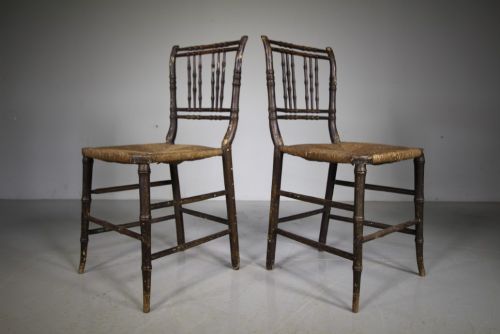
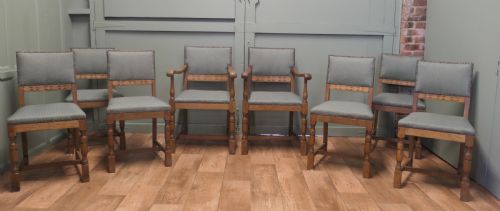
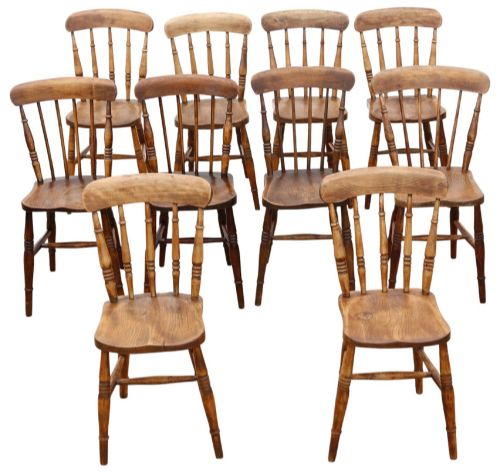
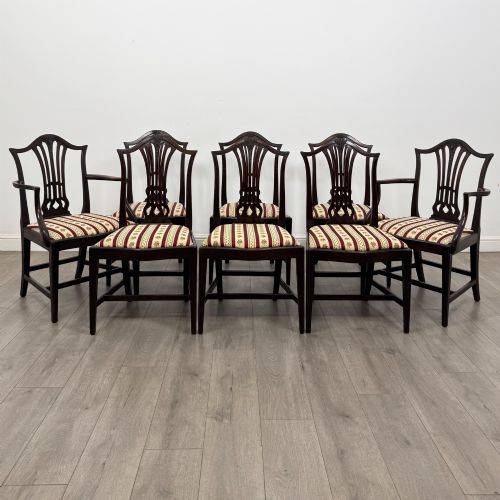
Antique Dining Side Chairs
These antique dining side chairs combine formal elegance with everyday practicality, offering enduring style for the modern dining room.
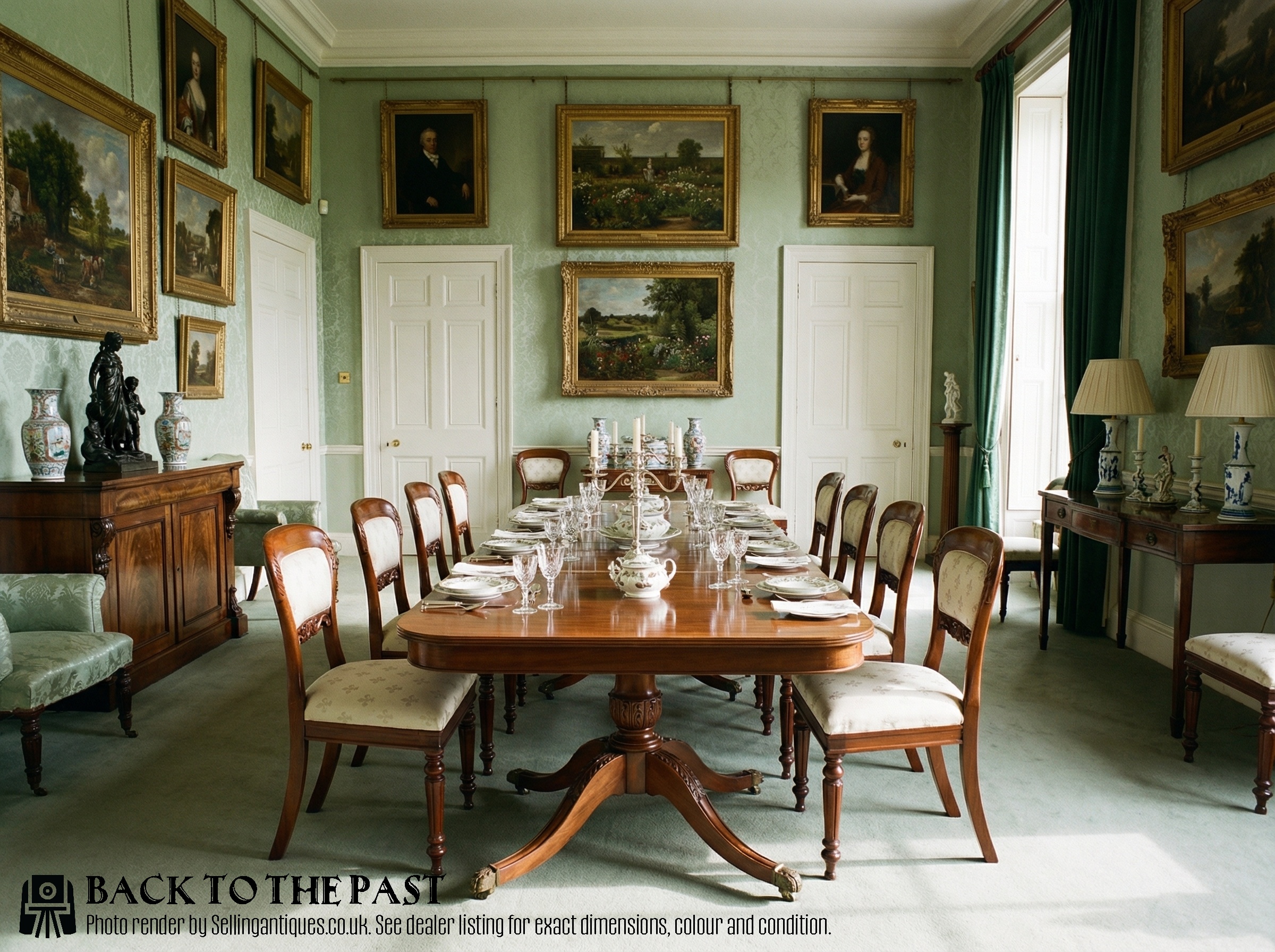
Antique Dining Side Chairs
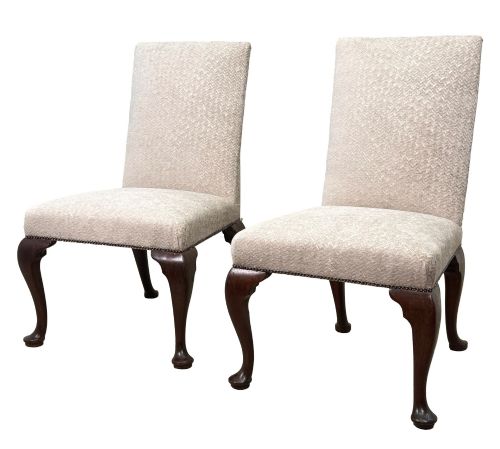
When searching for antique dining side chairs, buyers encounter a diverse selection of seating designed without arms specifically for placement along the sides of a dining table. The pieces available span multiple centuries, originating from Georgian workshops, Victorian parlours, and Edwardian households.
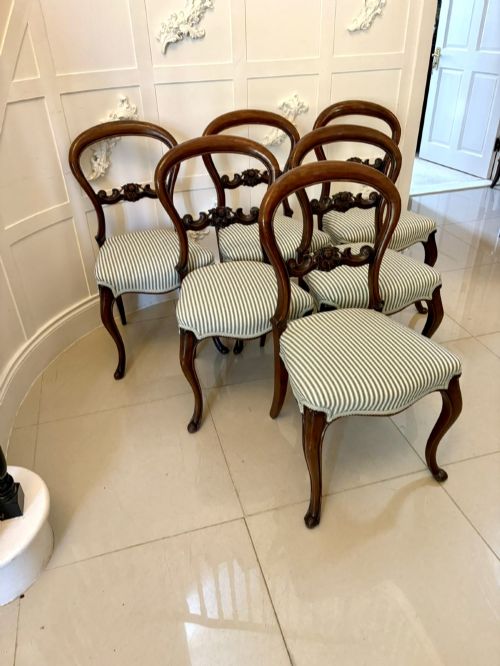
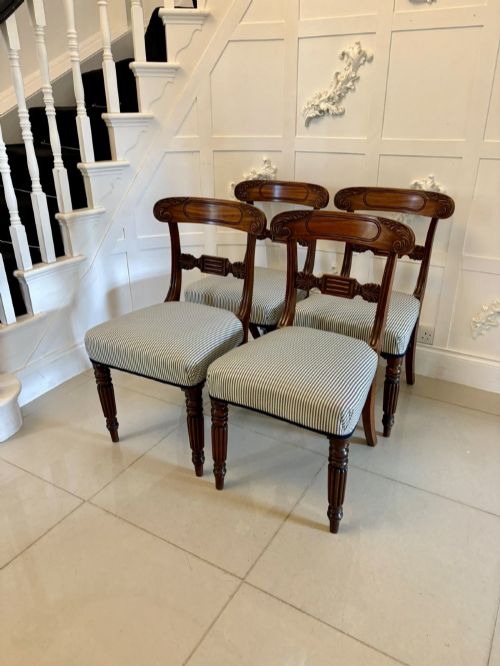
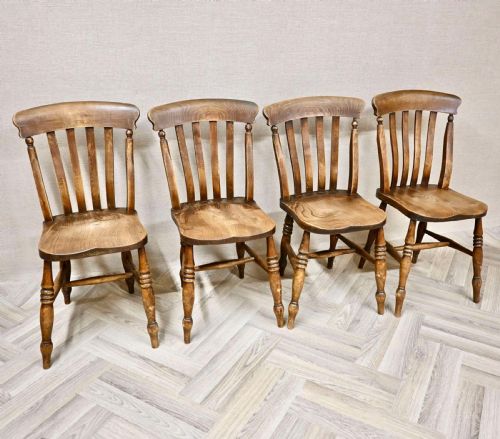
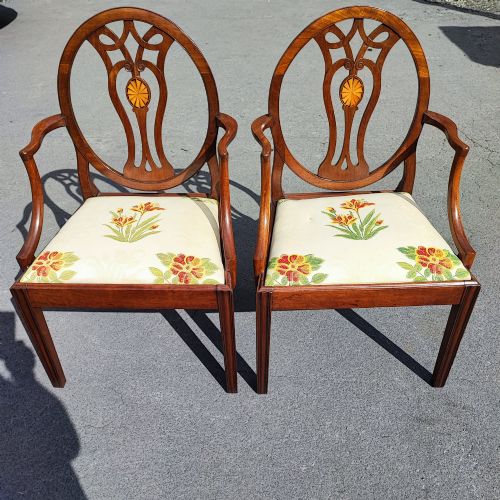
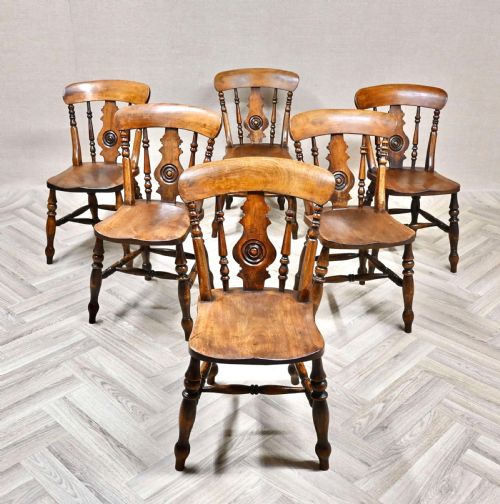
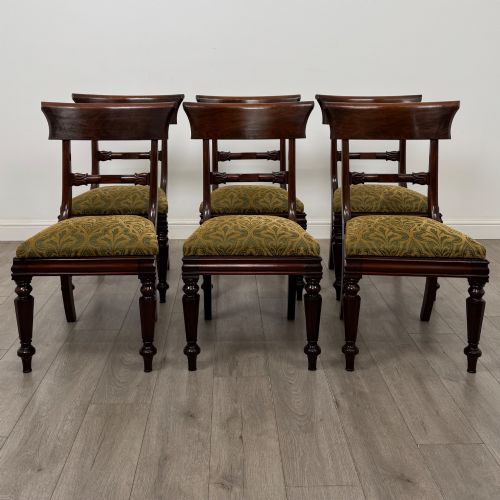
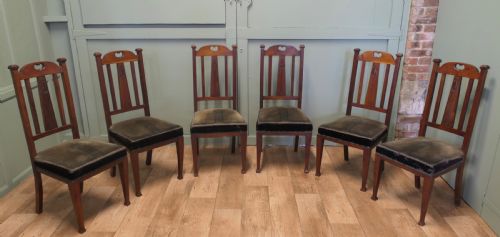
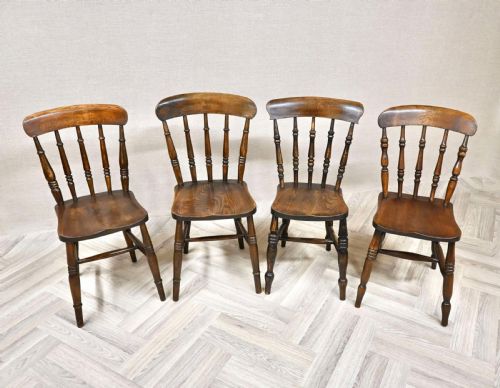
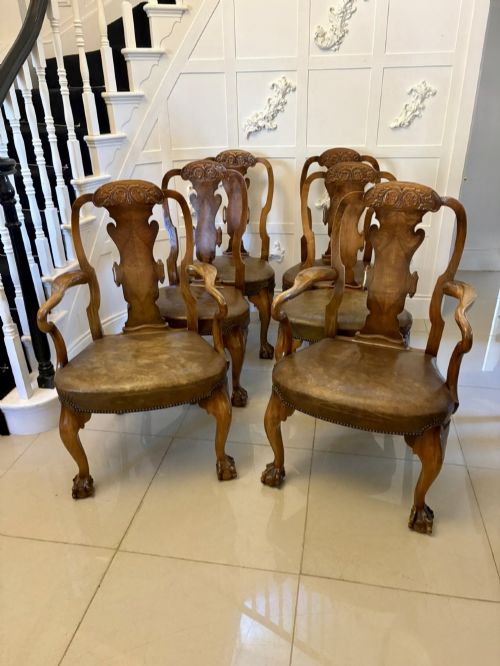
The assortment on this page includes formal mahogany designs from the eighteenth and nineteenth centuries alongside country elm kitchen chairs and solid oak Arts and Crafts models. Sets range from humble pairs to large gatherings of ten or twelve matching seats.
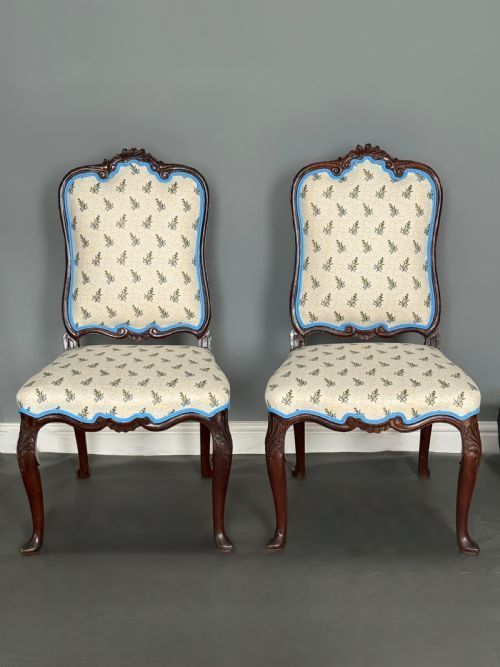
Regional variations appear across the selection, featuring Dutch baroque influences, French carved walnut, and English vernacular Windsor forms. Whether intended for a grand dining hall or a cottage kitchen, these chairs reflect the domestic habits of their respective periods.
How They Were Made
Cabinetmakers relied heavily on dense hardwoods like mahogany, walnut, and oak to construct durable frames capable of withstanding generations of daily use. Secondary timbers such as beech, elm, and pine frequently provided internal support and structural components.
Joining techniques involved precise mortise and tenon joints, often reinforced with corner blocks and hand-turned dowels for added stability. Carving, inlay, and brass ornamentation required skilled hand labour, utilising specialised chisels and veneers to decorate splats and rails.
Upholstered seats utilised webbing, horsehair stuffing, and textile coverings secured with iron tacks, while wooden seats relied on shaped saddles and pegged spindles.
Several eighteenth-century chairs retain remnants of ancient straw upholstery hidden beneath layers of modern horsehair.
What Varies in Quality
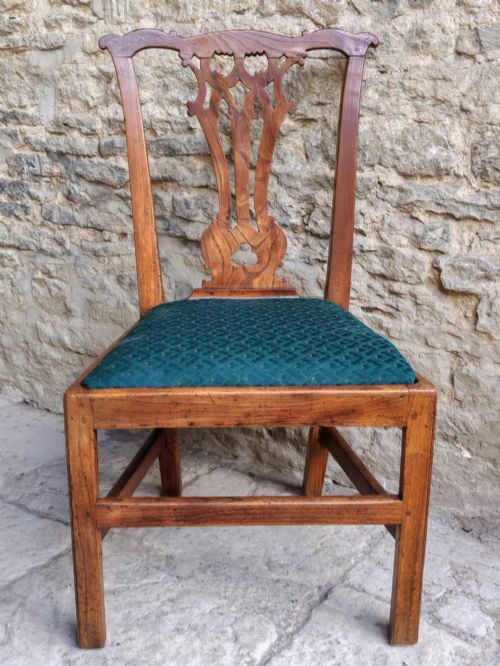
The refinement of the timber selection largely determines the grade of an antique dining side chair, with straight-grained mahogany and figured walnut commanding higher regard than utility woods. Artisanal execution in the carving of splats, shields, and ball-and-claw feet separates standard production from exhibition pieces.
Structural integrity depends on original joinery remaining tight and uncompromised by extensive replacement parts or poor repairs over the centuries. Matching sets that survive intact without marriage or substitution of individual chairs retain greater historical cohesion.
Gillows·Gill and Reigate·Charles Tozer·William Morris·Rossetti
The Antique Dining Side Chairs Glossary
- Splat
- The vertical central strip of wood in the back of a chair. It receives shaping and carving according to the prevailing style of the period.
- Bar back
- A horizontal wooden rail across the backrest of a chair. This form gained popularity during the Regency and William IV eras.
- Windsor
- A traditional chair constructed with a solid wooden seat into which turned legs and spindle backs are wedged directly. Common in country settings.
- Harlequin set
- A collection of dining chairs that share similar proportions or materials but vary slightly in design. Such sets often accumulated over time rather than being purchased together.
- Balloon back
- An oval-shaped upholstered or open wooden backrest resembling a blown-up balloon. This silhouette is characteristic of mid-nineteenth-century Victorian seating.
Antique Dining Side Chairs: Frequently Asked Questions
How do I care for antique dining chairs?
Maintain stable room humidity levels to prevent timber from drying out, cracking, or causing joints to loosen over time.
Apply microcrystalline wax periodically to nourish wooden surfaces, and avoid placing antique seating in direct sunlight.
Can I mix these chairs with a modern table?
Pairing antique timber seating with contemporary tables creates a striking contrast that highlights the craftsmanship of the older pieces.
Ensure seat heights and leg clearances align comfortably with the underside of your modern dining table.
How do I identify a Georgian chair?
Look for characteristic timber choices such as rich dark mahogany, alongside classical motifs like carved ribbon backs and cabriole legs.
Georgian pieces often display hand-cut joinery and proportions tailored for eighteenth-century dining etiquette.
What is the difference between a side chair and an armchair?
Side chairs are built without arms to allow multiple seats to fit compactly alongside the leaves of a dining table.
Armchairs feature integrated armrests and typically served as carver seats positioned at the head and foot of the table.