


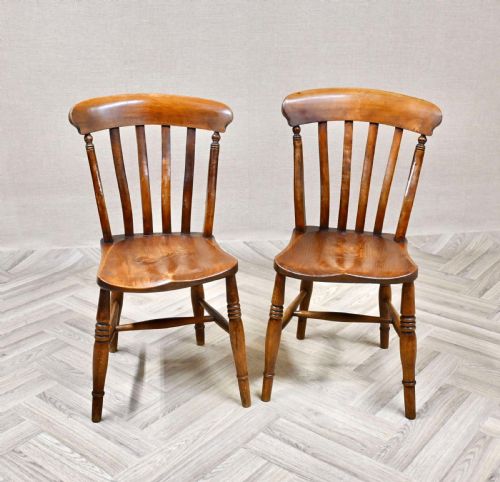
Antique Dining Chairs Pair
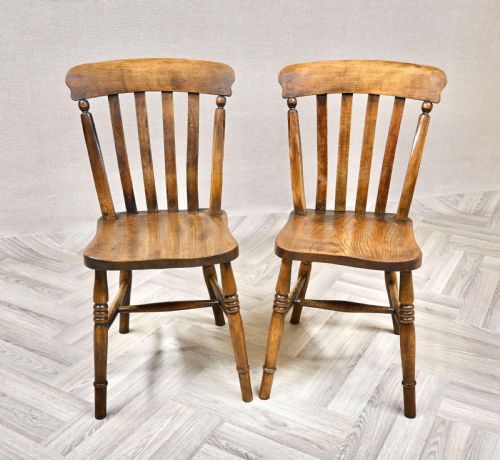
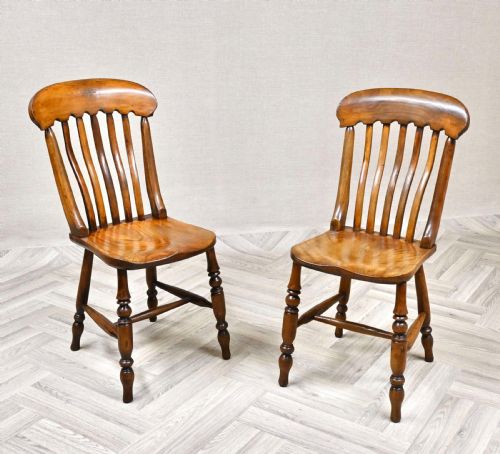
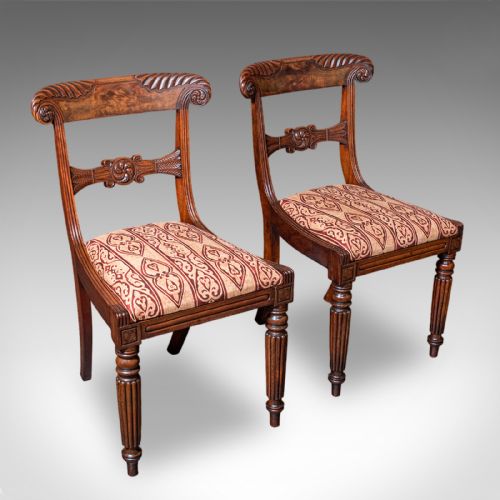
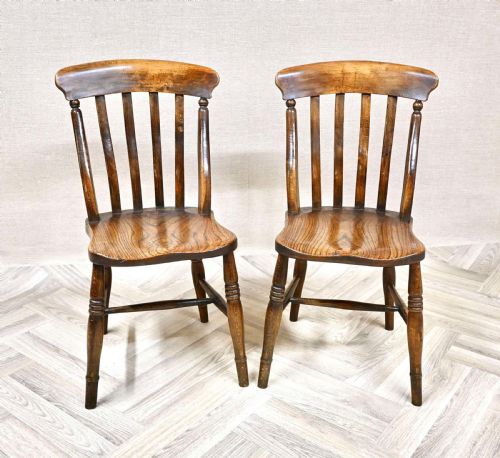
These antique dining chairs pair options bring together centuries of craftsmanship, offering balanced seating for the home.
The Nature of Antique Dining Chairs Pair
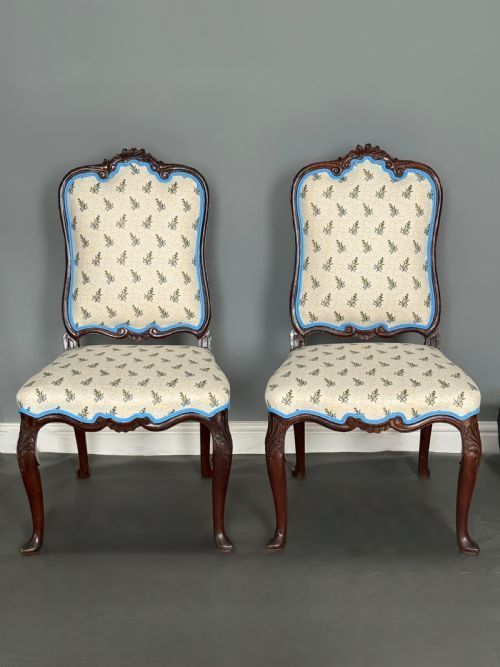
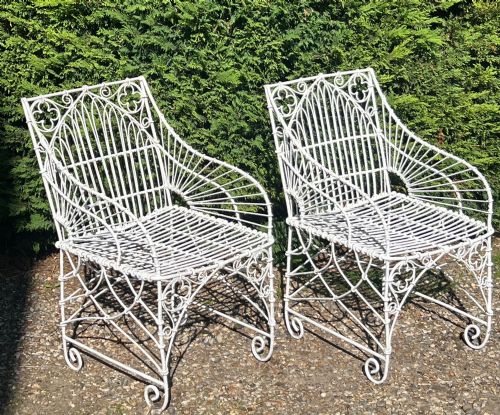
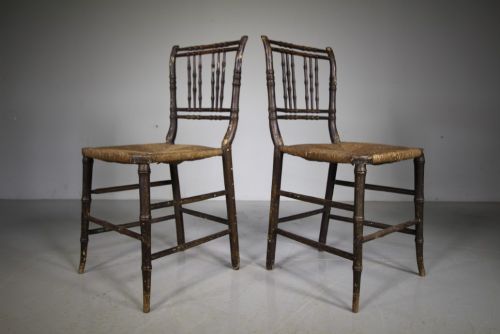
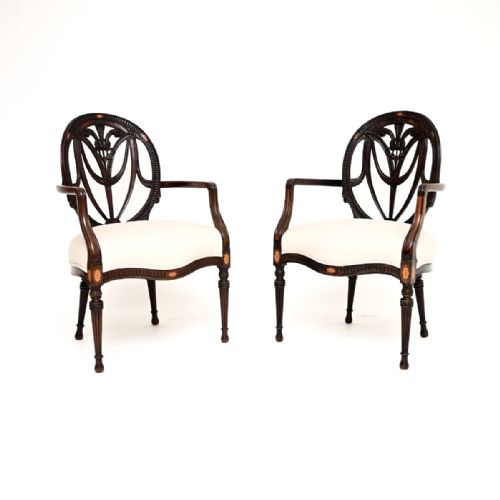
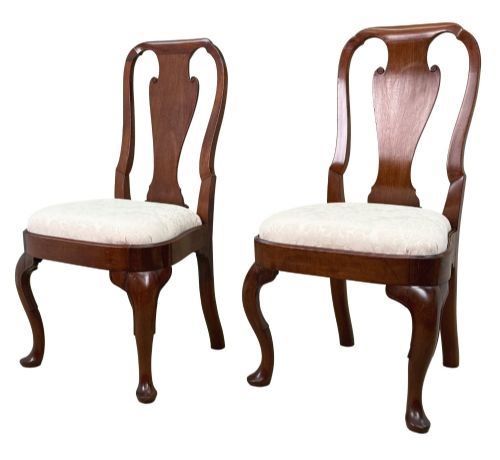
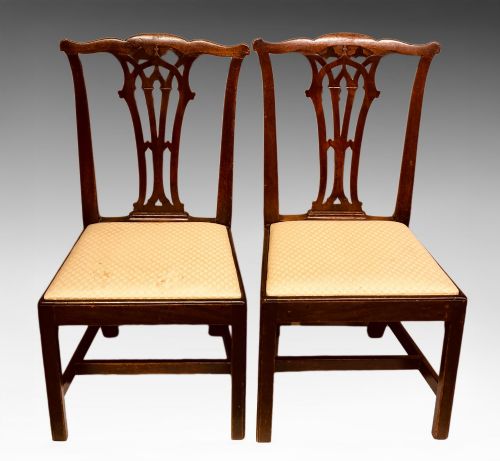
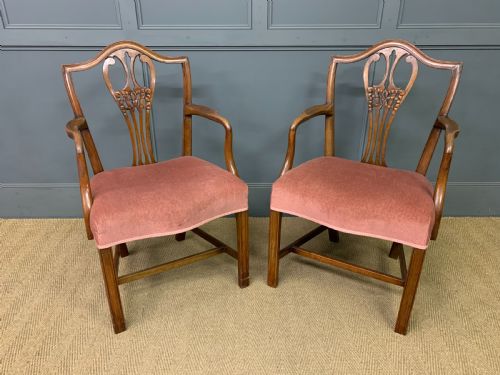
An antique dining chairs pair comprises two matched seats designed for formal or casual dining spaces, drawn from periods spanning the eighteenth century through to the early twentieth century. Buyers encounter forms such as side chairs, carvers, and elbow chairs alongside specific regional variants.
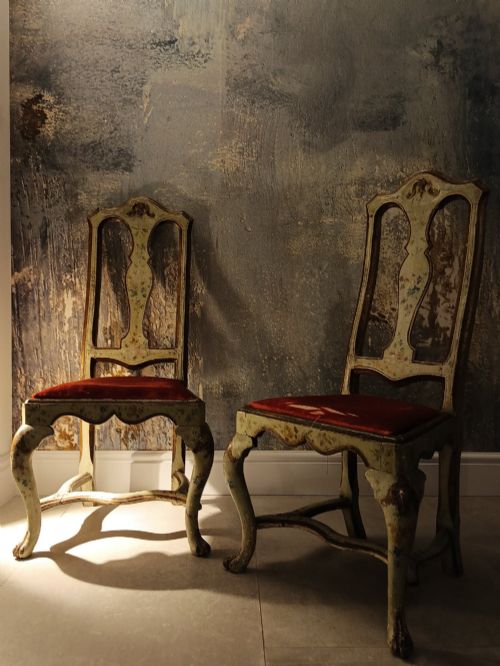
The selection ranges from early George I and Georgian examples to Victorian balloon-back chairs, Dutch Baroque designs, and arts and crafts movements like Art Nouveau. These pieces function as usable seating while retaining historic character from eras including the Regency and William IV periods.
Originating predominantly from English and continental workshops, these sets reflect the domestic interior trends of their respective decades. Walnut, mahogany, oak, and fruitwood form the structural basis of these survivors.
Defining Quality in Craftsmanship
Quality rests upon the crispness of timber carvings, the precision of marquetry and inlay work, and the structural integrity of the frame. Superior examples demonstrate expert timber selection with rich, figured grain patterns.
The distinction between standard production and exceptional work lies in the hand-finished details, such as carved cabriole legs, serpentine rails, and retained original labels from renowned makers.
Retail Price Guide 2026
Typical UK retail prices for dining chairs pair, calculated from the Sellingantiques database of over a million retail prices indexed since 2003. This retail price guide relies exclusively on Sellingantiques data; no external sources or auction records are used, so the figures do not describe the wider market.
Listings feature mahogany, oak, walnut, satinwood, and fruitwood across eighteenth, nineteenth, and early twentieth-century periods.
Thomas Chippendale·Gill and Reigate·Heals of London
The Antique Dining Chairs Pair Glossary
- Balloon-back
- A chair back style shaped like an oval or hot air balloon, popular during the Victorian era. This form offered ergonomic support and visual lightness.
- Carver
- An armchair designed to match a set of dining side chairs, usually placed at the head of a table. These often feature elaborate arm supports.
- Marquetry
- Decorative veneer applied to furniture in mosaic patterns using various woods and materials. Artisans cut pieces precisely to form pictorial or geometric designs.
- Cabriole leg
- A furniture leg that bends outward and then tapers inward, mimicking animal legs. This style gained prominence during the eighteenth century.
- Bar back
- A horizontal cross rail across the upper back of a chair resembling a bar. Regency and William IV pieces frequently employ this motif.
Frequently Asked Questions
How do I identify a pair?
A matched pair shares identical timber species, carving details, dimensions, and construction methods. Minor discrepancies in hand-carved elements confirm their period origin rather than modern machine replication.
Examine the underside of the seats and joint construction to verify that both chairs originated from the same workshop bench.
Can I use them daily?
Historic dining chairs are built from dense hardwoods like mahogany and oak, making them structurally sound for regular dining use. Periodic inspection of the frame joints ensures they remain stable over time.
Professional conservation of the internal webbing and upholstery preserves the comfort and safety of the seats.
How do I date a set?
Stylistic indicators such as cabriole legs, balloon backs, or bar rails point toward specific eras like the Georgian or Victorian periods. Tool marks and timber choice further narrow down the decade of manufacture.
Reference archives and maker labels provide definitive chronological markers for documented workshop output.
What is the difference between side and carver chairs?
Side chairs are armless dining seats designed to maximise seating capacity around a table. Carver chairs feature integrated arms and traditionally sat at the head of the table.
Matching pairs often combined two carvers with several side chairs for a complete dining suite.