




Antique Diamond Bar Pin
An antique diamond bar pin brings together slender length and brilliant stones, offering a refined fastening for a lapel or scarf.
Antique Diamond Bar Pin
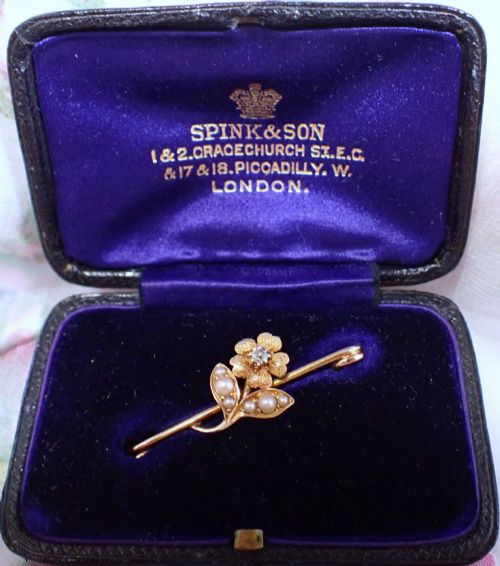
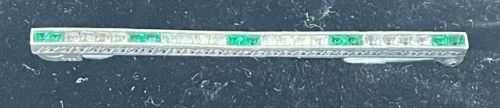
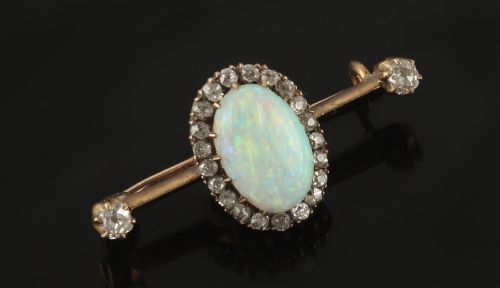
An antique diamond bar pin takes the form of an elongated horizontal brooch designed to span a lapel or secure a cravat. These pieces belong to the brooch category and emerge from distinct design eras represented on this page.
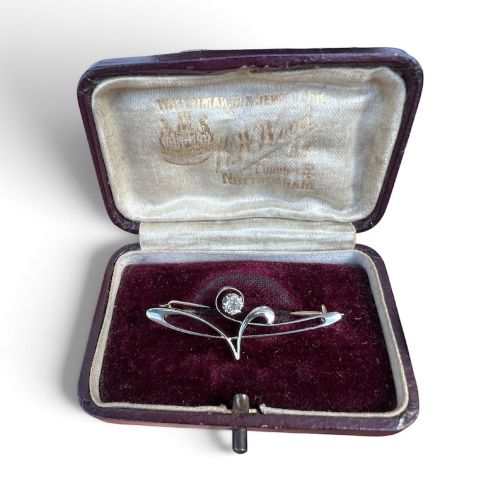
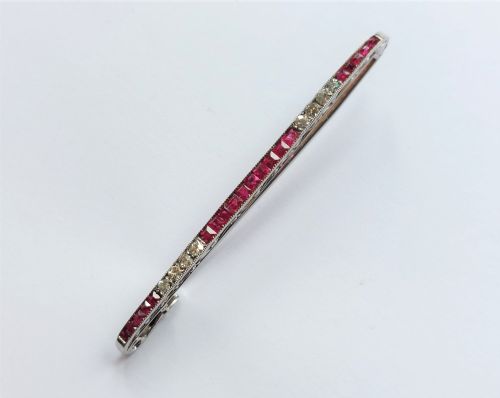
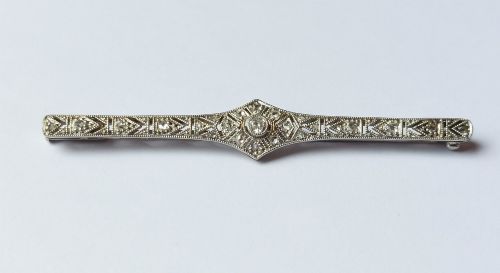
The Victorian period brings pieces such as the 1890 French silver and gold brooch, while the Art Deco era provides the 1920 platinum and diamond bar brooch pin.
Buyers seeking an antique diamond bar pin will encounter these slender geometries, which balance linear metalwork with set stones.
How they were made
Maker's workshops utilised precious metals including platinum, silver, gold, and stamped platinum combined with fifteen-carat gold. These metals formed the rigid horizontal foundations required for secure pin fittings.
Goldsmiths and silversmiths integrated diamonds and occasional emeralds into the metal frameworks, employing hand-setting techniques suited to the Victorian and Art Deco periods.
A tiny French brooch from 1890 quietly proves that mixing silver and gold was winning hearts long before modern plating was ever dreamed up.
What varies in quality
The distinction between standard examples and superior pieces rests upon the crispness of the metalwork and the integration of the stones. Finer execution shows in the precision of the platinum or gold structure and the clean alignment of the diamonds.
Design sophistication separates the periods, with Victorian mixed-metal work differing markedly from the geometric clarity seen in Art Deco platinum pieces.
The Antique Diamond Bar Pin Glossary
- Bar brooch
- An elongated horizontal pin designed to fasten garments while displaying gemstones along its length. This form provides the structural foundation for the pieces gathered here.
- Platinum
- A dense, durable white precious metal favoured in twentieth-century jewellery for its strength and fine setting capabilities. It allowed jewellers to create delicate structures that securely held diamonds.
- Art Deco
- A design style spanning the 1920s characterised by clean lines, geometric precision, and symmetrical arrangements. In jewellery, this style often paired platinum with brilliant-cut diamonds.
- Victorian
- The period spanning the nineteenth century encompassing diverse stylistic shifts, including mixed-metal constructions of silver and gold. Jewels from this era reflect the craftsmanship of the reign of Queen Victoria.
Antique Diamond Bar Pin: Frequently Asked Questions
What is an antique diamond bar pin?
An antique diamond bar pin is a slender, horizontal brooch set with diamonds, designed to fasten clothing or adorn a lapel. These pieces combine precious metals with faceted stones in linear configurations.
Examples range from Victorian mixed-metal designs to geometric Art Deco platinum creations.
How do I wear a bar pin?
A bar pin secures comfortably to the lapel of a jacket, the fold of a scarf, or the front of a blouse. The long horizontal shape distributes weight evenly across the fabric.
Ensure the pin stem fastens securely into its clasp before wearing.
How do I date a bar pin?
Dating relies on material choices, setting techniques, and stylistic markers specific to eras like the Victorian period and Art Deco. Platinum and geometric layouts point to the 1920s.
Silver-topped gold and softer organic motifs typically indicate nineteenth-century origins.
What metals are used in these pins?
These pieces utilise platinum, silver, and gold, sometimes appearing in combination such as silver and gold or stamped platinum with fifteen-carat gold.
Each metal reflects the prevailing metallurgical standards and jeweller preferences of its specific period.