




Antique Dessert Stand
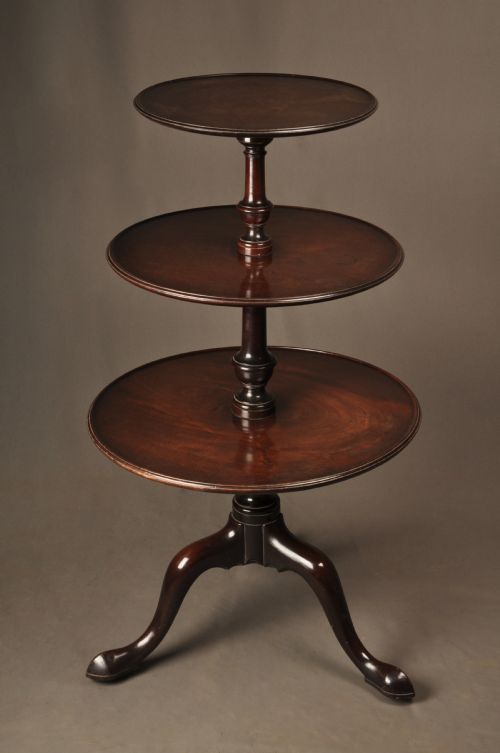
When you search for an antique dessert stand, you seek tiered or revolving mahogany furniture designed to present table service in period dining rooms.
What an antique dessert stand is
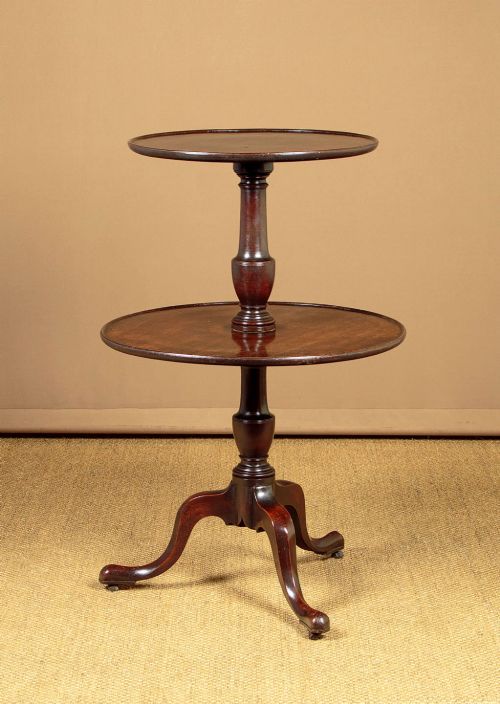
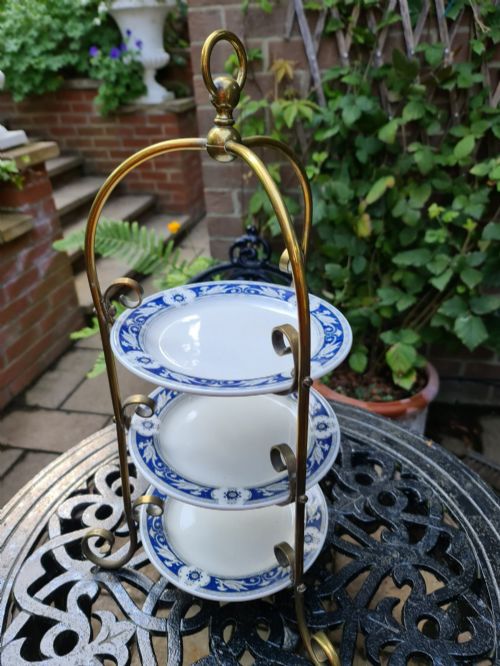
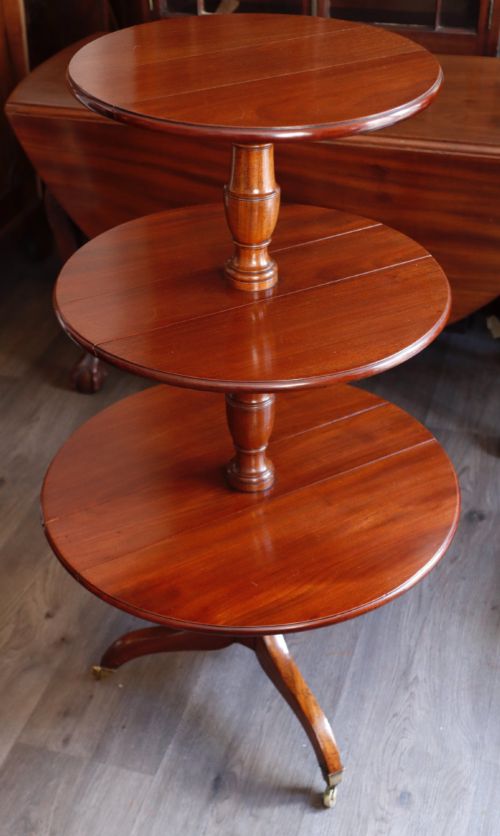
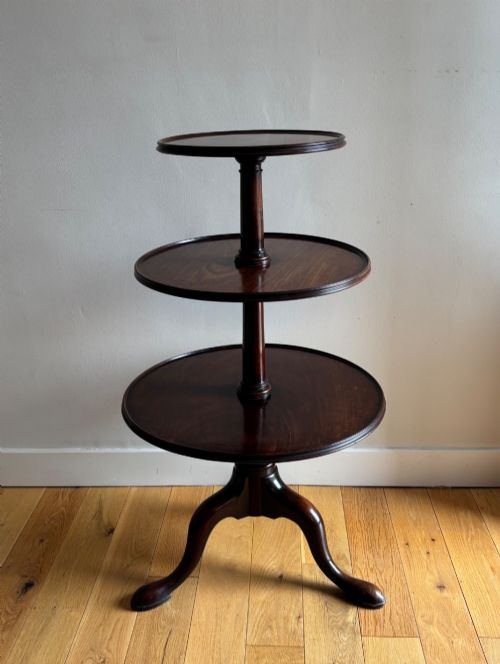
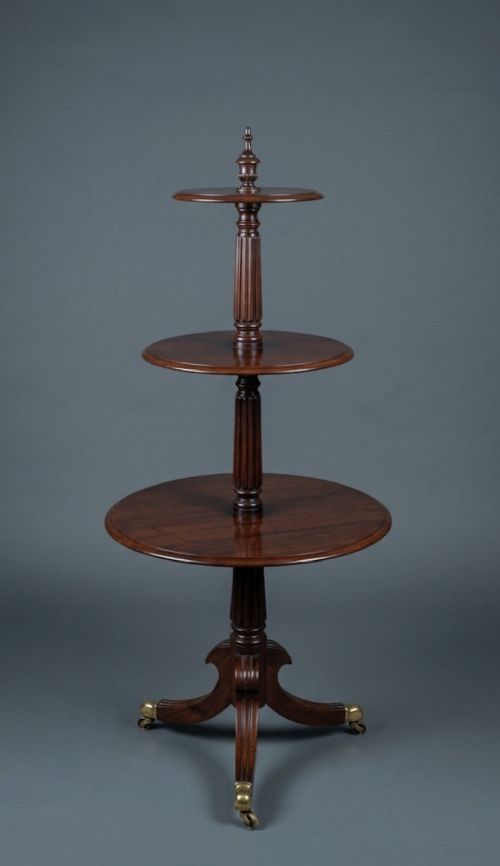
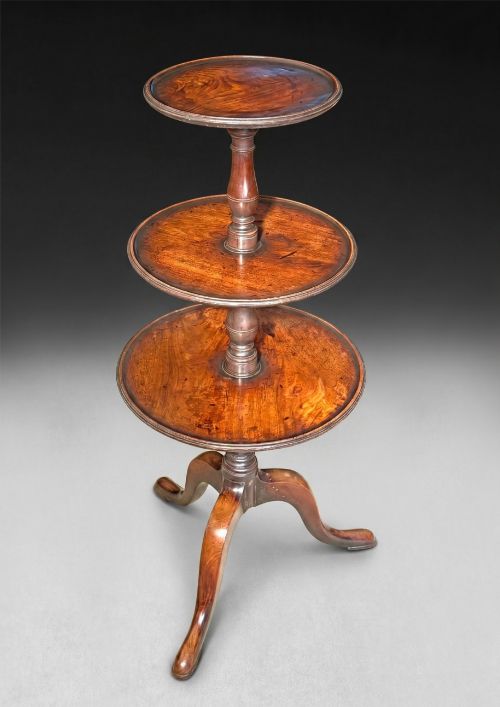
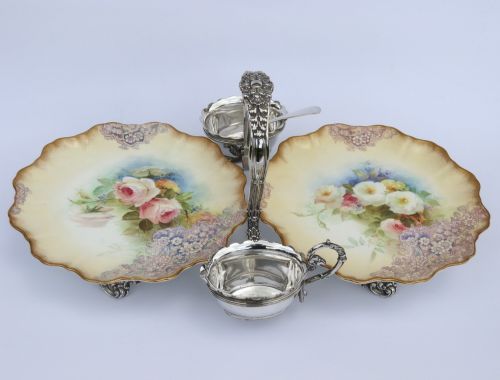
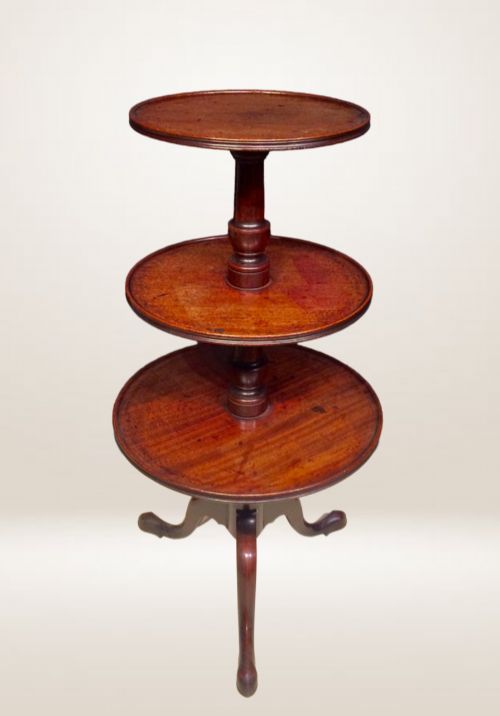
An antique dessert stand encompasses tiered tables, dumb waiters, and specialised tableware designed for serving food. The forms on this page range from multi-tiered mahogany dumb waiters to oak and mirrored centrepieces and pottery basket stands.
Georgian and Victorian examples dominate the selection, spanning periods such as Regency, George III, and George IV. Buyers frequently encounter revolving circular tables with graduated tiers alongside specialised display stands made for pottery and glass.
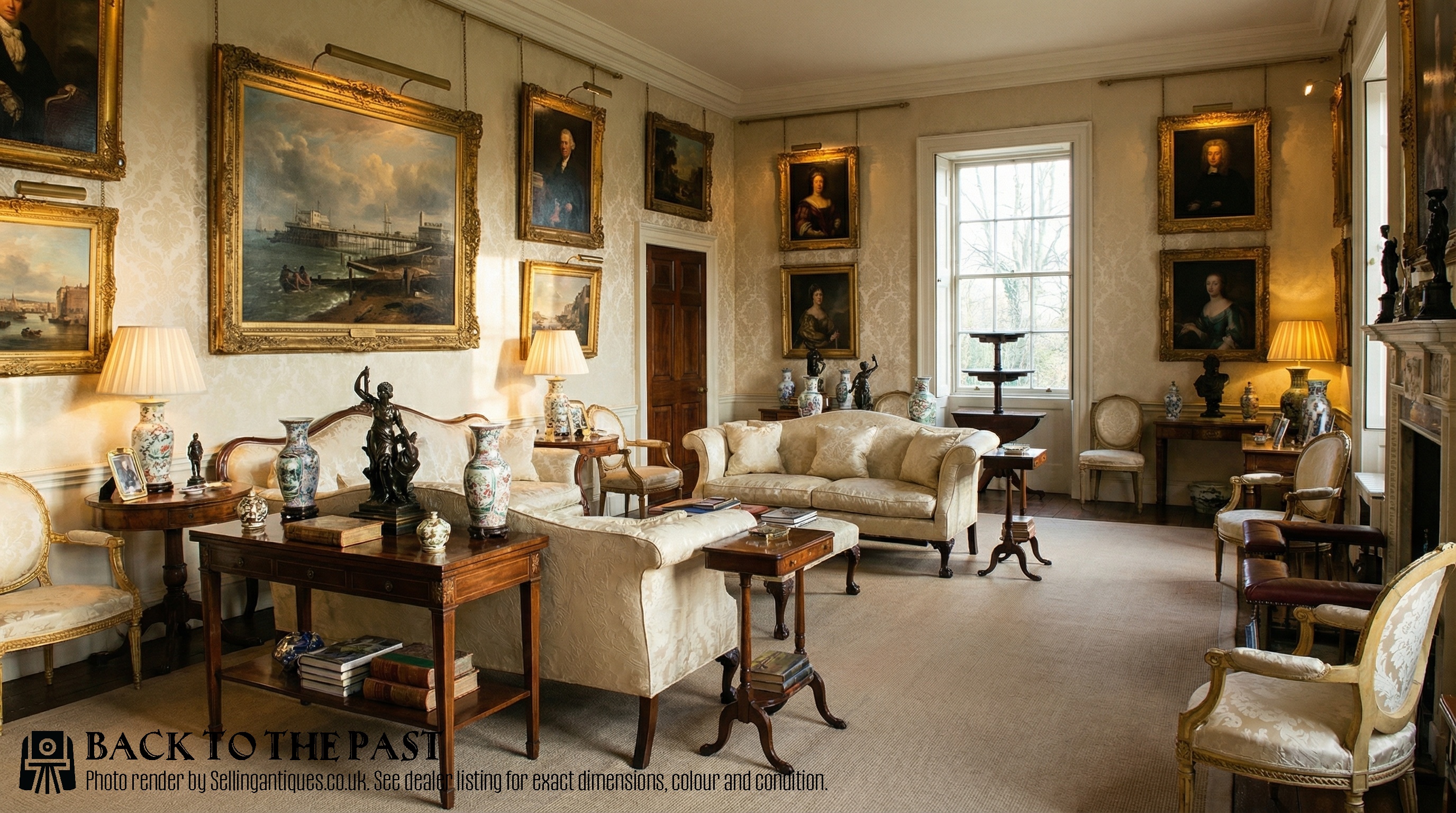
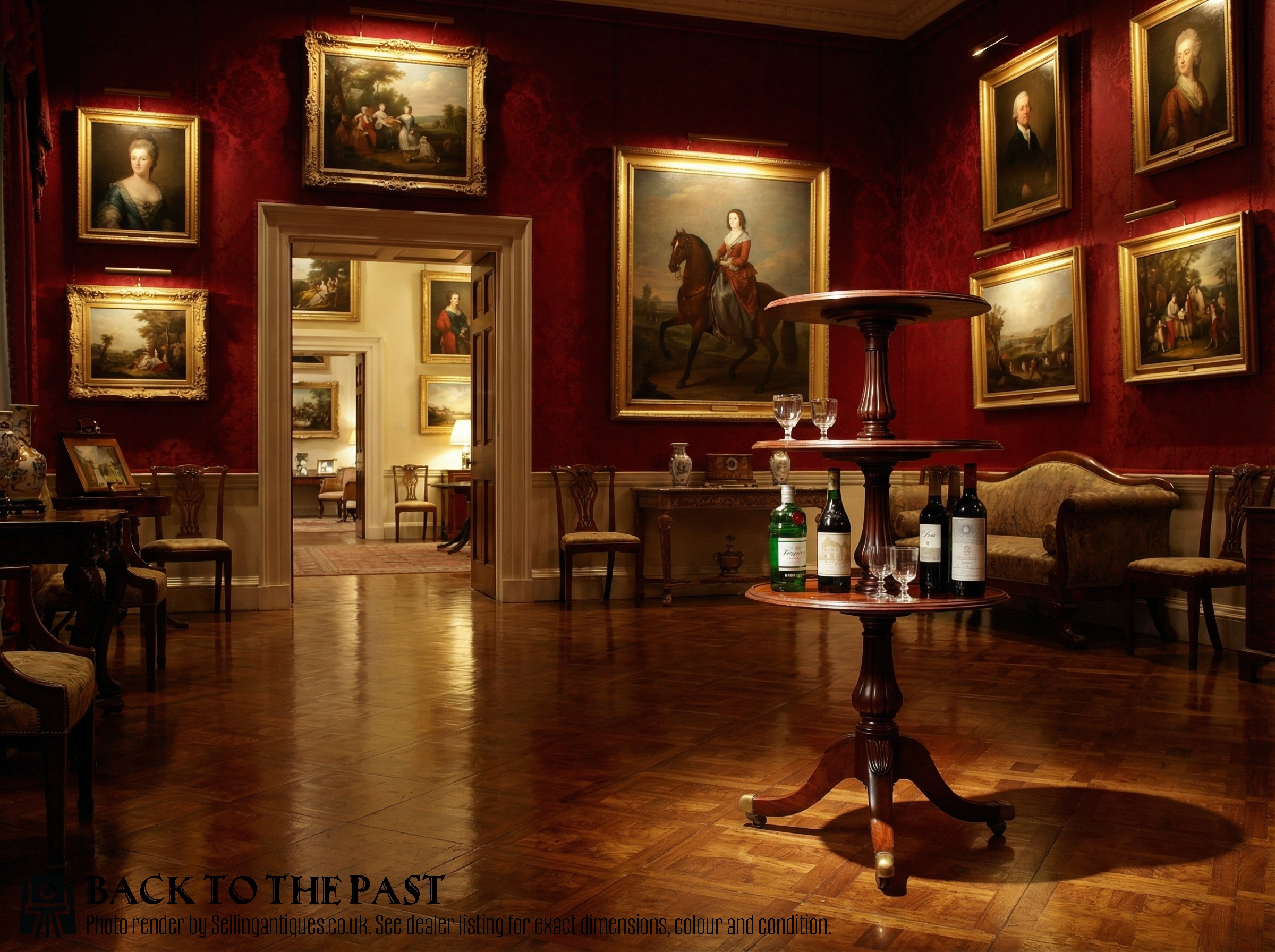
The objects serve dining and display functions, moving from functional dining room furniture used for multi-course meals to decorative tables and pottery stands intended for presentation.
How they were made
Makers utilised solid timbers primarily, notably mahogany and oak, building structures with turned columns, folding drops, and tiered graduating shelves. Brass fixtures appear as functional hardware components supporting the movement and assembly of rotating shelves.
Glass and mirror components provide reflective surfaces on specific display forms, pairing with pottery materials seen in transfer-printed basket stands. Woodwork techniques involve drop-leaf folding mechanisms and circular turning to create stable multi-level frames.
Retail Price Guide 2026
Typical UK retail prices for dessert stand, calculated from the Sellingantiques database of over a million retail prices indexed since 2003. This retail price guide relies exclusively on Sellingantiques data; no external sources or auction records are used, so the figures do not describe the wider market.
Listings feature mahogany, oak, and brass alongside glass and mirror materials across Georgian and Victorian periods.
What varies in quality
The sophistication of the timber turning and the precision of the tier graduation distinguish finer pieces from simpler items. Superior examples display carefully selected mahogany grain patterns and smoothly operating multi-tiered revolving joints.
The integration of materials such as mirror glass, brass fittings, and pottery transfer work dictates the complexity of construction. Higher-grade items combine robust structural framing with refined surface finishing suited to formal dining settings.
Spode
The Antique Dessert Stand Glossary
- Dumb waiter
- A tiered freestanding piece of dining room furniture with revolving shelves designed to hold food and tableware without servant assistance. These items often feature two or three graduating circular tiers supported on a central pillar.
- Drop-leaf
- A table or stand design featuring hinged flaps that fold down to save space when not in use. This mechanism appears on certain circular tiered tables.
- Transfer-printed
- A pottery decoration technique where a design is engraved on a copper plate, printed on tissue paper, and transferred onto earthenware. This method appears on Spode chestnut and dessert basket stands.
- Tiered table
- Furniture constructed with multiple ascending levels or shelves placed one above another. These surfaces increase display and storage capacity within a compact floor footprint.
- George III period
- The era spanning from 1760 to 1820 characterised by distinct cabinet-making styles in mahogany. Pieces from this time often show classical proportions and fine timber turning.
Frequently Asked Questions
What is an antique dessert stand used for?
These pieces served dining rooms by holding courses, fruit, and sweet dishes during formal meals. They allowed diners to help themselves to food without requiring servants present at the table.
Over time, their usage shifted toward decorative display within domestic interiors. Today, collectors use them to showcase objects or serve food during special occasions.
How do I identify a Georgian dessert stand?
Georgian pieces typically employ solid mahogany timber with turned central columns and graduated circular tiers. They often reflect cabinet-making styles associated with the eighteenth and early nineteenth centuries.
Examining the joinery and timber quality helps confirm the period. Later Victorian variations introduced alternative materials such as oak and mirrored glass.
What materials are common in these stands?
Mahogany is the predominant timber found in the structural framing of tiered dining furniture. Brass hardware frequently appears in the mechanical joints and supports.
Other examples incorporate oak, mirror glass, and pottery. Each material reflects the functional requirements of the specific dining or display form.
Where did dumb waiters stand in a room?
Dumb waiters were positioned near dining tables to allow easy access to additional dishes and tableware. Their compact circular footprints enabled them to sit comfortably in dining spaces.
In modern settings, collectors place them as occasional tables in living areas or dining rooms. Their multi-tiered design provides functional surface space while taking up minimal floor area.