

Antique Desk with Chair
An antique desk with chair brings together practical workspace seating and period cabinet-making from the eighteenth, nineteenth, and early twentieth centuries.
Antique Desk with Chair
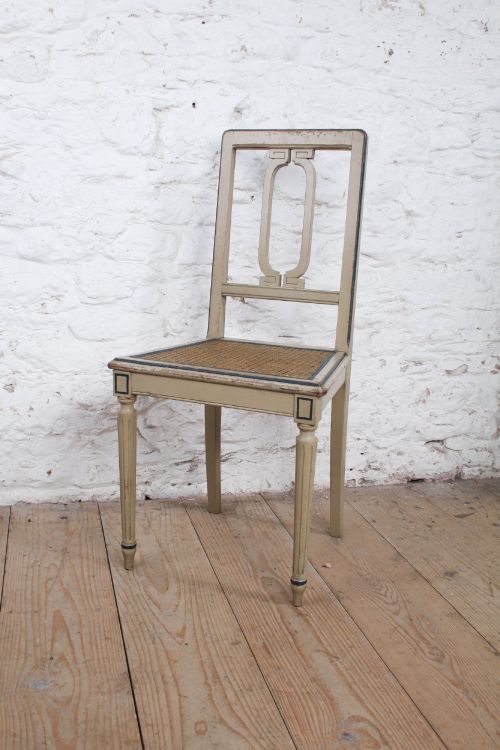
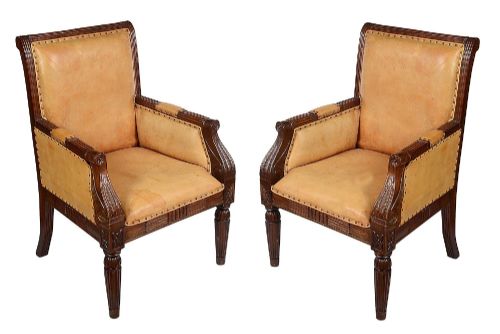
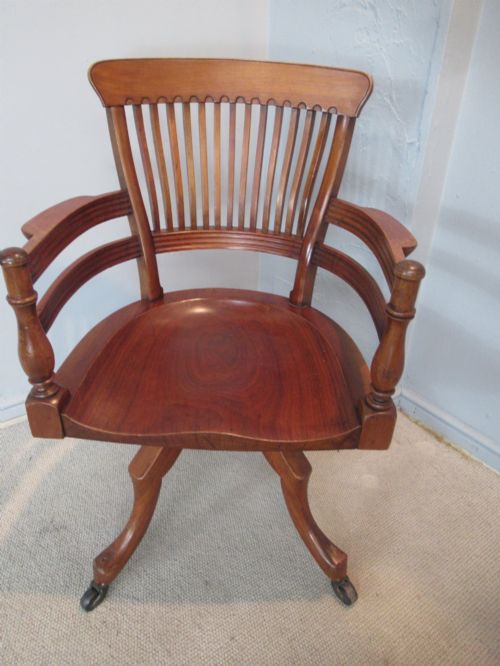
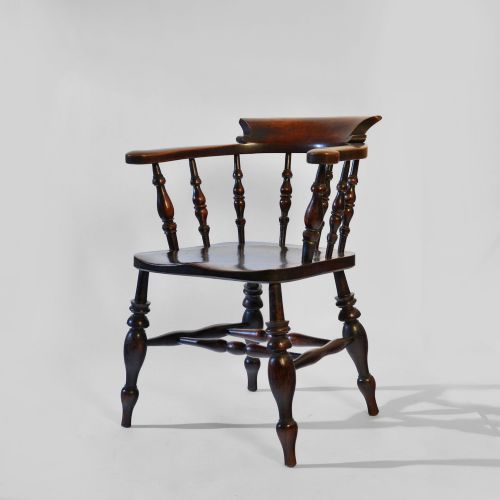
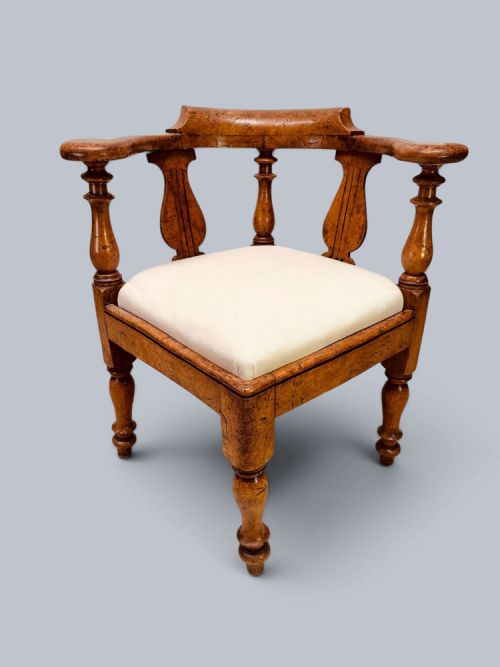
When searching for an antique desk with chair, buyers encounter seating designed for writing, reading, and study across several historic periods. The listings span the Georgian, Regency, Victorian, and Edwardian eras, taking the form of library armchairs, office swivel seats, side chairs, and captain's chairs.
Most examples originate from English workshops, alongside pieces influenced by French Empire, Italian Rococo, and Gothic Revival styles. These seats were constructed to pair with partner desks, bureau plat tables, and pedestal writing surfaces in period libraries and studies.
Materials and Technique
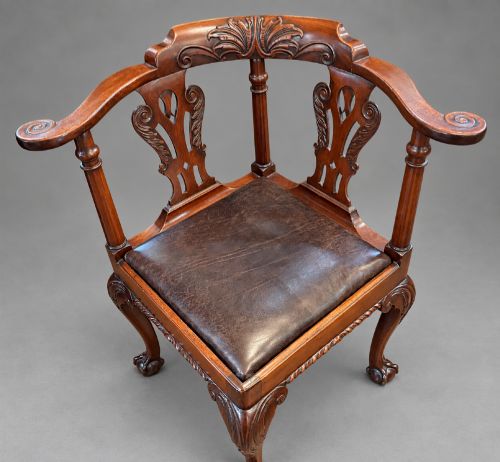
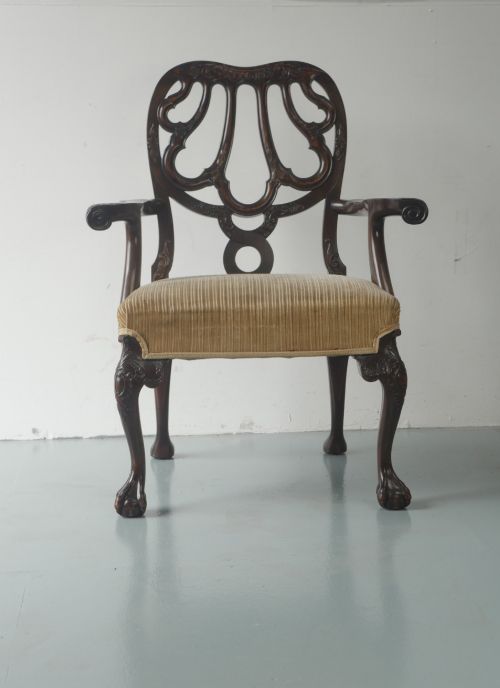
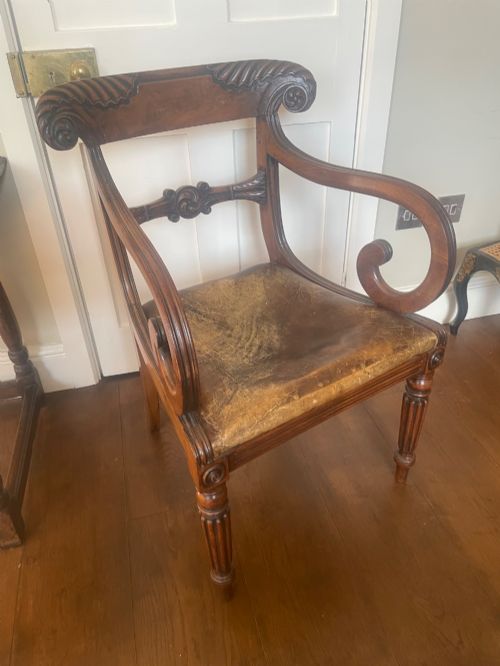
Cabinet-makers relied heavily on timber frames of mahogany, oak, walnut, and satinwood, frequently enriched with hand-carved details like blind fretwork or scroll arms. Supporting structures incorporate turned front legs, castors, and crinoline stretchers for structural stability.
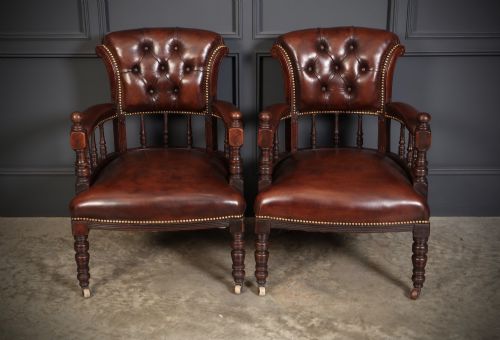
Seats employ traditional upholstery methods, combining exposed wooden rails with drop-in pads, hand-dyed hide leather, woven cane, and velvet or tapestry fabrics secured by brass studs.
Antique Desk with Chair Retail Price Guide 2026
Typical asking prices for desk with chair among the pieces listed under this phrase on Sellingantiques today, from the lower quarter to the upper quarter. They describe what is for sale here now, not the wider market.
Edwardian and Victorian pieces dominate the inventory, accompanied by Georgian and Regency examples featuring upholstered or drop-in seats.
Judging Quality
The standard of a seating piece rests upon the crispness of its timber carving and the integrity of its joinery. Superior examples maintain original surface patination on woods such as walnut and mahogany, rather than modern applied finishes.
Construction methods distinguish everyday utility furniture from high-status workshop production, visible in the precision of the frame joints, the quality of the hide or cane work, and the presence of maker stamps.
Gillows·Kendrick and Jefferson
The Antique Desk with Chair Glossary
- Bergere
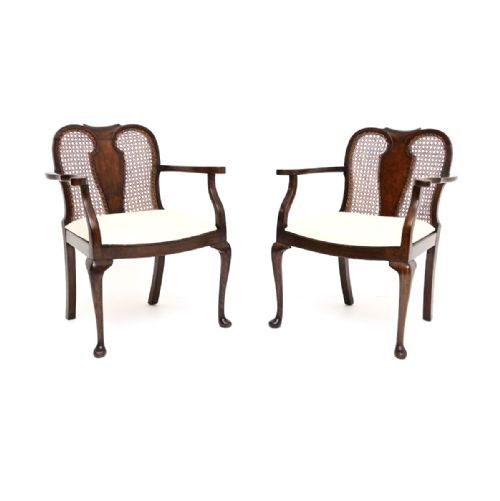
- An enclosed upholstered armchair with a wooden frame and cane panels on the back and sides. These pieces often feature loose cushions upholstered in leather or fabric.
- Gainsborough chair
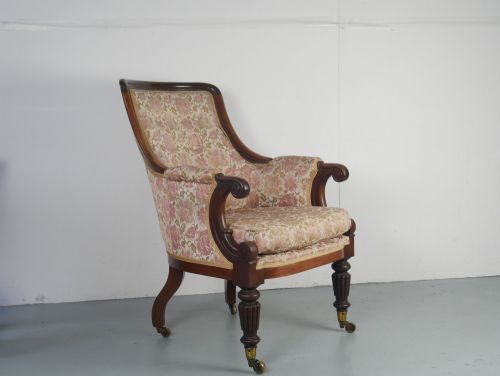
- A wide, open-armed armchair with a padded back and seat, standing on short legs. This form dates from the mid-eighteenth century and typically uses mahogany or walnut.
- Captain's chair
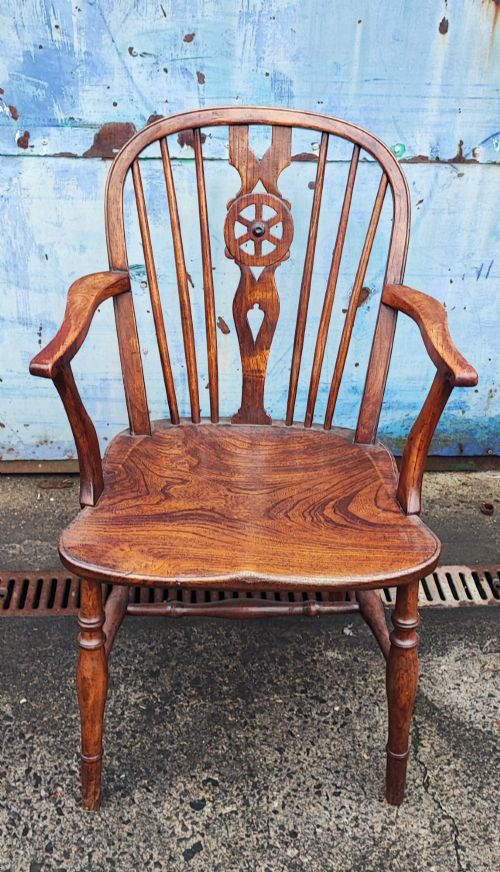
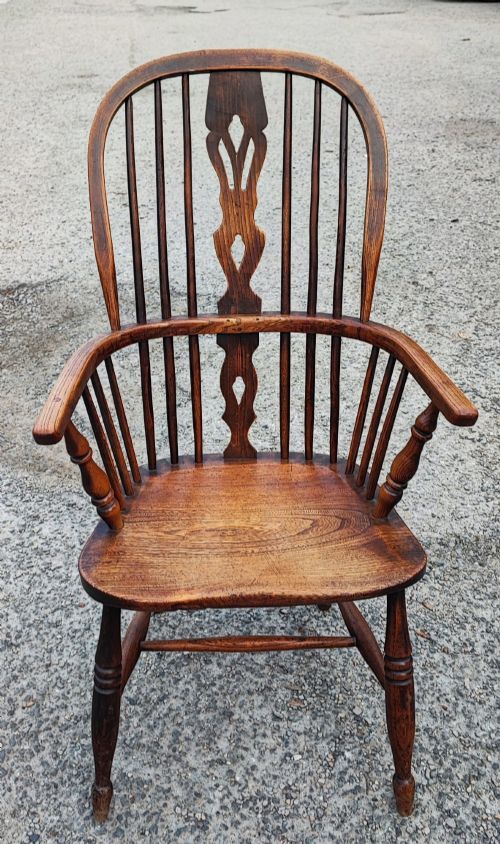
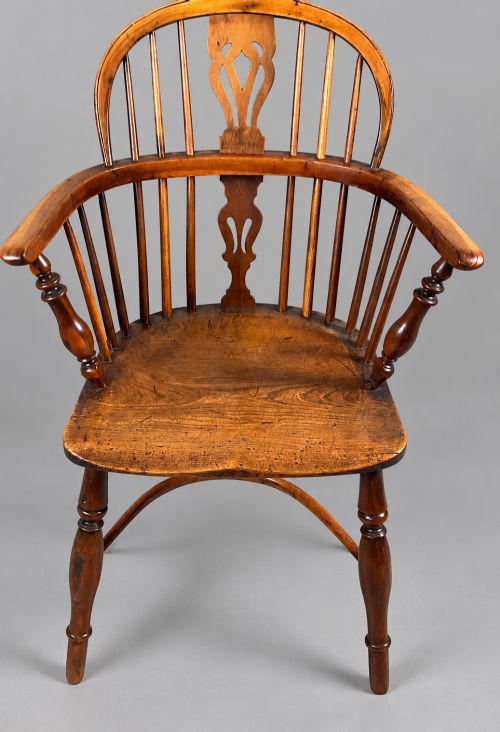
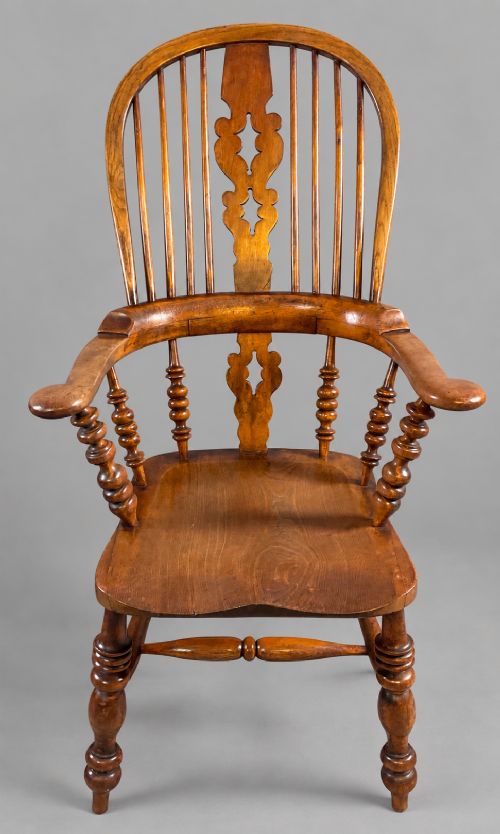
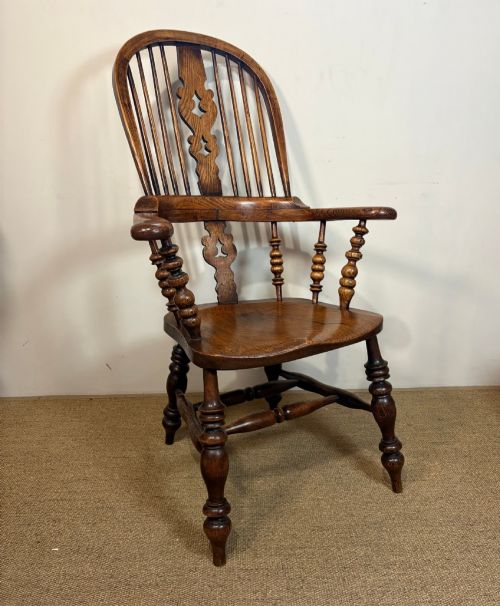
- A sturdy wooden seat with a rounded backrest supported by vertical spindles. Examples from the nineteenth century frequently combine yew or oak frames with solid elm seats.
- Klismos chair
- An ancient Greek seating form revived during the Regency period, characterised by curved, sweeping back legs and a concave back rail. These chairs are notable for their classical silhouette.
- Padouk
- A dense tropical hardwood displaying a reddish-brown tone, utilised in Anglo-Indian and nineteenth-century export furniture for detailed carving.
Antique Desk with Chair: Frequently Asked Questions
How do I match a chair to a desk?
Consider the timber and the period to ensure visual harmony between the writing surface and the seat. Mahogany and oak pieces from the same century naturally complement each other in a study.
Check the height of the desk apron and the clearance of the chair arms to ensure the seat slides comfortably underneath when not in use.
Are these chairs suitable for daily office use?
Many nineteenth-century office and library chairs were built for sustained daily work, featuring ergonomic curved backs and sturdy wooden frames. Revolving models and upholstered designs offer practical modern utility.
Inspect the internal joinery and leather upholstery to confirm the structure supports contemporary sitting habits without compromising historic integrity.
How should I care for leather seats?
Historic leather upholstery benefits from gentle cleaning and occasional conditioning to maintain suppleness and prevent cracking over time. Avoid placing these seats in direct sunlight or near heat sources.
Natural patination shows the history of the hide, so preserve the original surface rather than attempting aggressive restoration.
What is the difference between a carver and a side chair?
Carver chairs feature armrests and were traditionally placed at the heads of tables or used as desk companions. Side chairs are built without arms for compact placement around furniture.
Both forms share the stylistic vocabulary of their respective periods, allowing buyers to mix seated arrangements in a room.