



Antique Desk Slope Storage
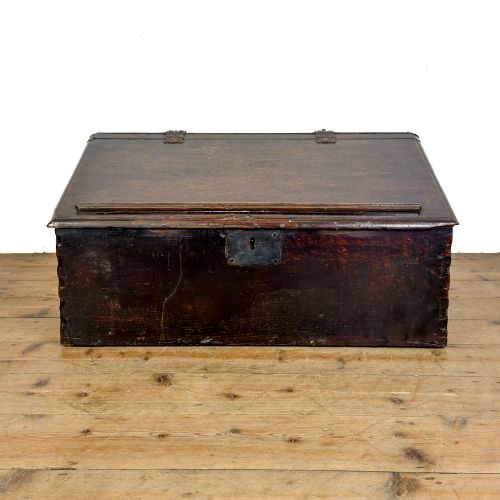
Antique desk slope storage comprises timber boxes designed for writing and documents, built to hold papers and small writing tools securely.
Antique Desk Slope Storage
When you search for antique desk slope storage, you encounter wooden boxes intended for correspondence, documents, and writing materials. The pieces appearing here span the seventeenth, eighteenth, and nineteenth centuries, including Victorian and Georgian examples.
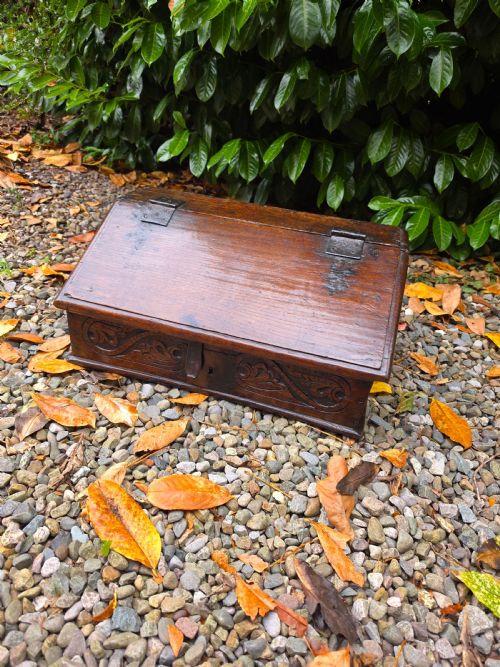
Forms include writing slopes, bible boxes, slant front bible boxes, desk boxes, and document boxes. Oak is the most frequent wood, alongside mahogany, burr walnut, walnut, rosewood, and occasional brass and iron fittings.
The buyer meets practical containers shaped for tabletop use, featuring hinged lids, sloped fronts, and interior compartments. Some examples include carved details, holly and bog oak inlay, mother of pearl, and bone details.
How they were made
Cabinet makers constructed these boxes using solid timbers such as oak, mahogany, and walnut, frequently joining panels with traditional joints. Surfaces were carved, polished, or inlaid with materials like holly, bog oak, mother of pearl, and bone.
Metal hardware including brass and iron hinges, lock plates, and corner mounts secured the lids and reinforced the corners for travel and daily desktop handling. Interior arrangements utilised fitted wooden partitions and small drawers to organise papers and stationery.
Antique Desk Slope Storage Retail Price Guide 2026
Typical asking prices for desk slope storage among the pieces listed under this phrase on Sellingantiques today, from the lower quarter to the upper quarter. They describe what is for sale here now, not the wider market.
One box retains a verger's ecclesiastical history, built for quiet Sundays before ending up on a modern marketplace.
What varies in quality
The standard of timber selection and decorative execution defines the distinction between standard items and finer specimens. Well-figured woods such as burr walnut or carefully matched mahogany sit alongside plain oak versions.
The precision of carving, the delicacy of holly and bog oak inlay, and the integration of brass mounts indicate the level of craftsmanship invested in the box. Original internal drawers and fitted compartments also elevate the integrity of the piece.
The Antique Desk Slope Storage Glossary
- Writing slope
- A portable box with an angled lid designed to provide a slanted surface for writing letters. It typically opens to reveal storage compartments for paper and ink.
- Bible box
- A sturdy wooden box historically used to store scriptures and religious texts, often featuring a sloped lid that served as a reading rest. Many examples date from the seventeenth and eighteenth centuries.
- Campaign box
- Portable furniture and storage designed for travel and military use, often fitted with brass mounts and recessed carrying handles. These pieces utilise robust timbers to withstand movement.
- Burr walnut
- A prized wood veneer harvested from the burl growths of walnut trees, displaying intricate and swirling grain patterns. It was used on decorative Victorian boxes.
- Inlay
- A technique where pieces of contrasting material, such as holly, bog oak, bone, or mother of pearl, are embedded into the wood surface to create decorative patterns.
Antique Desk Slope Storage: Frequently Asked Questions
What is antique desk slope storage?
Antique desk slope storage refers to wooden boxes and caskets built to hold writing materials, letters, and documents. These pieces range from early oak bible boxes to Victorian burr walnut stationery boxes.
Such containers sat on tables or desks, providing a secure place for correspondence before modern fitted office furniture became common.
How were bible boxes used?
Bible boxes held sacred texts and family records in homes and places of worship. The sloped lid allowed the book to rest at a readable angle during study.
Over time, many of these boxes served broader household functions for storing important papers and small valuables.
How do I identify seventeenth century oak boxes?
Seventeenth century oak boxes display heavy timber construction, pegged joints, and hand-carved friezes. The wood exhibits a dark patina developed over centuries of handling.
They generally lack the refined veneers seen on later Georgian and Victorian examples, relying instead on simple, robust joinery.
Where did campaign boxes travel?
Campaign boxes accompanied officers and travellers on military campaigns and long journeys. Their brass corners and sturdy locks protected contents from rough transit.
These pieces reflect practical utility combined with durable hardwoods suited to demanding conditions.