


Antique Desk Seal
An antique desk seal brings tactile history to correspondence, serving both as a functional paper weight and an intricate personal signature.
Antique Desk Seal
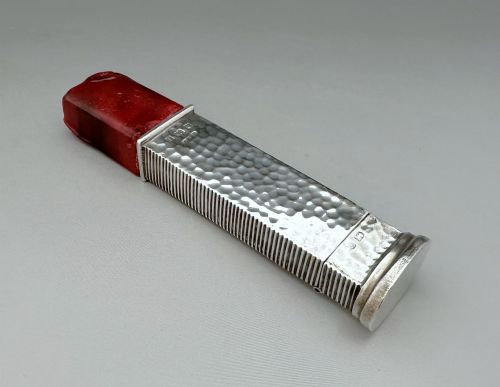
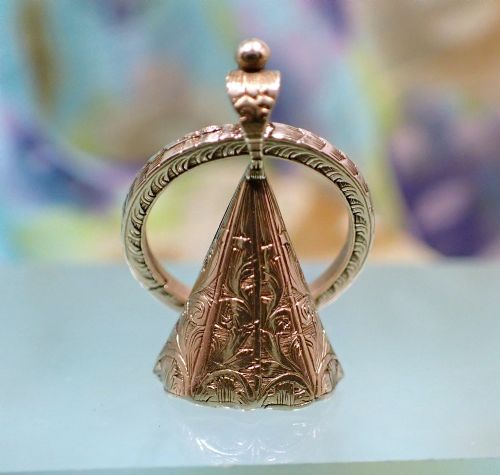
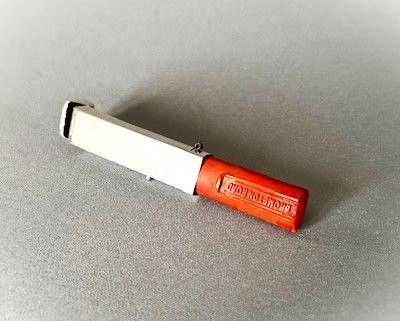
An antique desk seal is a small implement utilised to stamp an impression into hot wax, authenticating letters and documents. The selection spans distinct forms, including handheld desk seals, fob seals meant for watch chains, and combination pieces housing vesta cases or sealing wax.
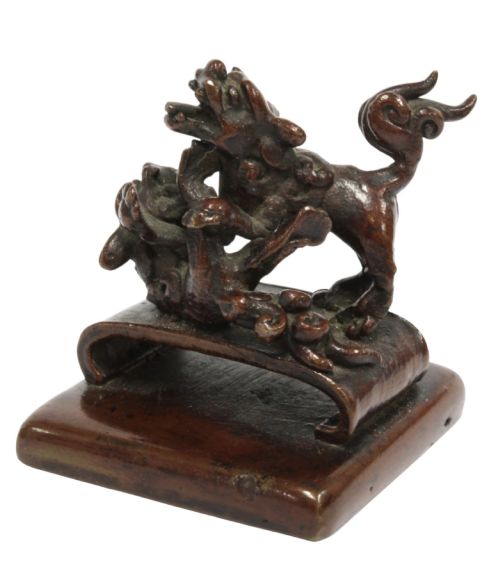
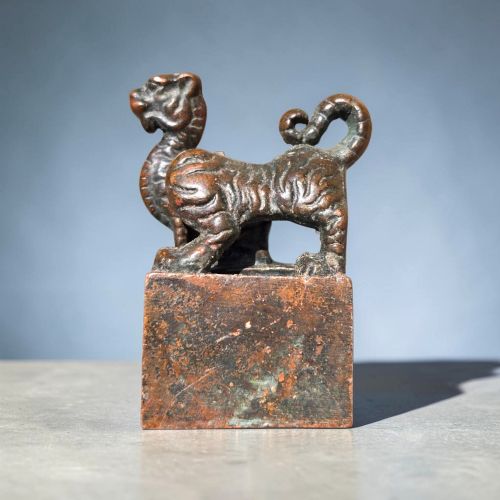
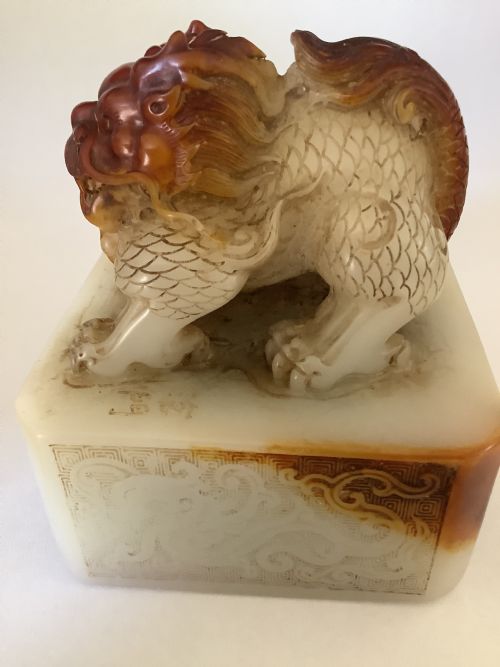
The pieces appearing on this page originate from periods ranging from the seventeenth century through the Georgian, Victorian, and Edwardian eras up to the Art Deco years. Alongside European metalwork, the inventory includes Asian scholar objects such as Chinese bronze and soapstone seals.
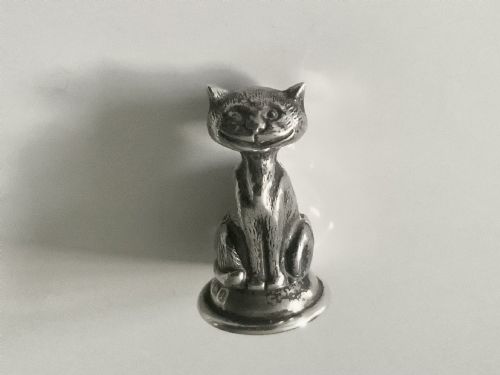
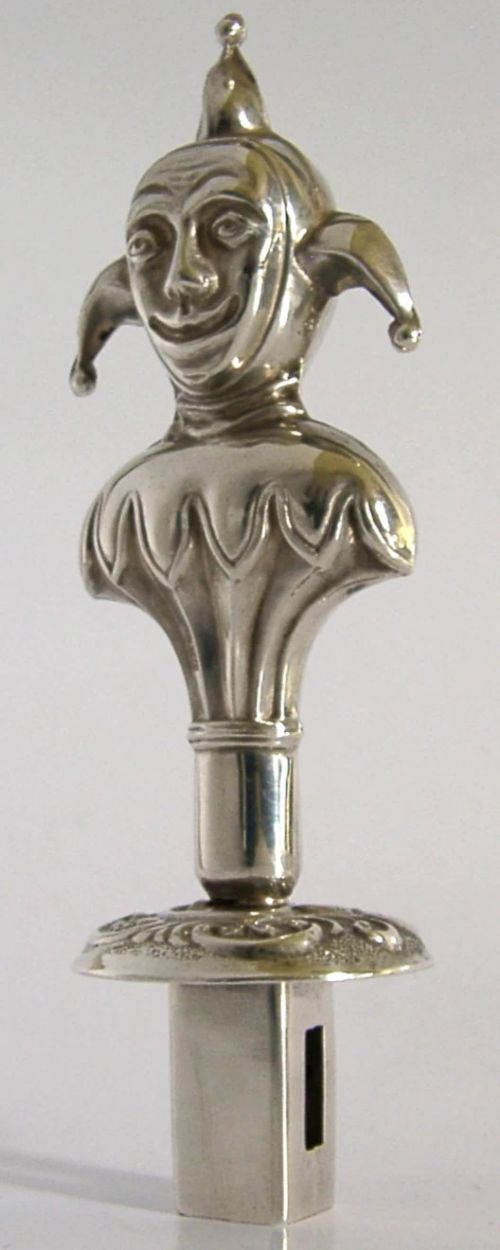
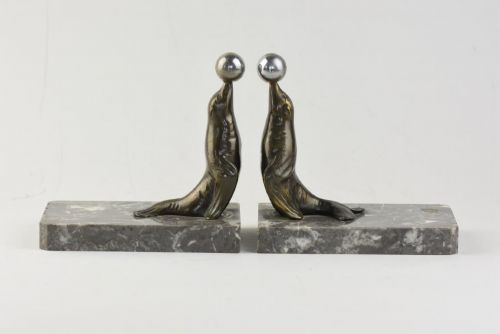
Desk accessories and wax seals represent the primary categories encountered by a collector searching this phrase. Examples include figural silver items shaped like animals or characters, alongside hardstone intaglios set in gold or steel matrices.
Materials and construction
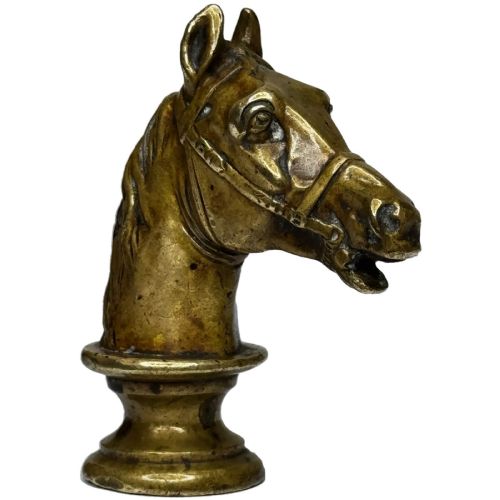
Metals form the structural core of many examples, utilising sterling silver, bronze, cast iron, and gold plating. Silversmiths cast these metals into elaborate figural shapes or geometric fob seals, occasionally incorporating components like amber, mother of pearl, or treen.
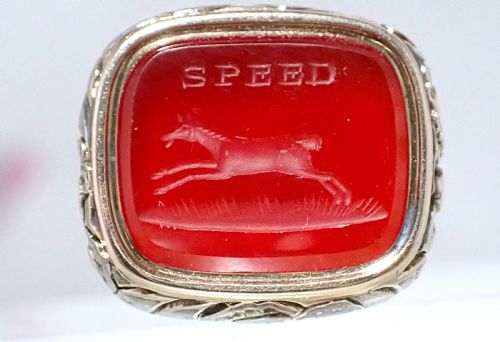
Carved natural minerals provide the striking faces and handles for numerous pieces. Craftsmen worked materials such as carnelian, chalcedony, bloodstone, green agate, and soapstone into detailed intaglios and sculptural animals.
The inventory encompasses desk accessories spanning the 17th century through the Georgian, Victorian, and Edwardian periods up to Art Deco designs.
Markers of quality
Material selection and maker attribution elevate certain pieces within the field. Heavy gauge sterling silver, signed works by notable silversmiths, and flawless translucent hardstones like carnelian or chalcedony command greater regard.
Sampson Mordan·Robert Hennell·C Omin
The Antique Desk Seal Glossary
- Matrix
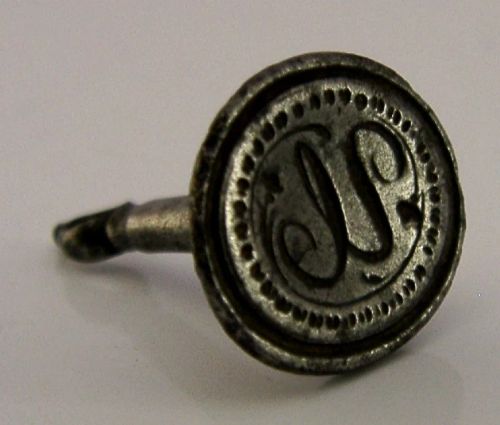
- The face or engraved underside of a seal that presses into the wax. It typically bears initials, an armorial crest, or a monogram.
- Intaglio
- A design incised or carved into the surface of a stone or metal. This sunken relief produces a raised impression when stamped into sealing wax.
- Fob seal
- A small seal designed to hang from a pocket watch chain or fob ribbon. These portable pieces were common accessories for gentlemen and gentlewomen.
- Vesta case
- A small pocket box used for holding matches. Some desk seal designs incorporate a vesta or a compartment for storing sticks of sealing wax.
- Armorial
- A design displaying a heraldic coat of arms or family crest. These engravings denote the lineage or status of the original owner.
- Bougie box
- A small container designed to hold a taper or wax candle. They were utilised alongside seals to melt the sealing wax for correspondence.
Antique Desk Seal: Frequently Asked Questions
How were desk seals used?
A user melted a stick of sealing wax over a letter or document using a taper or candle. Once a pool of wax formed on the paper, the user pressed the engraved matrix of the seal firmly into the molten surface.
Upon cooling, the wax hardened to retain the raised impression of the intaglio design. This ensured the contents remained private and confirmed the sender's identity.
What materials do collectors look for?
Collectors encounter seals fashioned from sterling silver, bronze, brass, steel, and gold casing. Handles and matrices frequently feature carved hardstones such as carnelian, chalcedony, bloodstone, agate, and soapstone.
Some unusual examples incorporate organic materials like amber, mother of pearl, and treen wood. Metal pieces often take figural forms representing animals, historical figures, or novelty characters.
How do I date an antique desk seal?
Dating relies heavily on hallmarks stamped onto silver components, stylistic traits associated with periods like the Georgian, Victorian, or Edwardian eras, and the method of construction. Silver pieces made in Britain often carry assay office marks and date letters that pinpoint the exact year of manufacture.
Stylistic shifts, such as the natural curves of Art Nouveau or the geometric lines of Art Deco, also help establish the chronological origin of unsigned examples.