


Antique Desk Pad
An antique desk pad is a writing surface accessory designed to protect a tabletop and provide a smooth foundation for correspondence.
Antique Desk Pad
An antique desk pad sits upon a writing surface to cushion the hand during correspondence and shield timber from ink and wear. The items catalogued under this search phrase include desk blotters and associated writing accessories originating from the eighteenth, nineteenth, and early twentieth centuries.
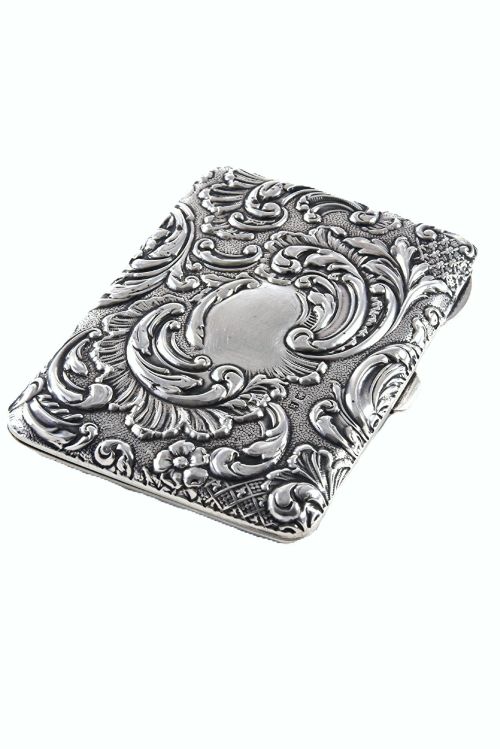
While the phrase directs attention to blotters, the listings span several related writing accessories and desk furniture forms executed in period styles such as Victorian, Edwardian, and Georgian. Buyers find items ranging from simple copper desk blotters to elaborate silver-plated folio books.
The materials utilised in these desk pads and related accessories reflect the interior furnishings of their respective eras. Mahogany, oak, walnut, brass, leather, and fabric appear frequently across the pieces recorded in the evidence.
Materials and construction
Construction relies upon traditional cabinet-making and metalworking techniques appropriate to each period, utilising hardwoods such as mahogany, oak, and walnut for structural components. Metal elements, including copper and silver plating, are shaped to form decorative and functional desk accessories.
Surface treatments frequently incorporate leather, velvet, and fabric inserts to create the writing plane. These materials are secured to timber or metal bases using traditional methods, pairing durability with tactile contrast.
Antique Desk Pad Retail Price Guide 2026
Typical asking prices for desk pad among the pieces listed under this phrase on Sellingantiques today, from the lower quarter to the upper quarter. They describe what is for sale here now, not the wider market.
Listings for this phrase include items manufactured from brass, copper, leather, oak, and mahogany across the Victorian and Edwardian periods.
Judging quality in desk accessories
Quality rests upon the selection of timber and metal, alongside the precision of decorative detailing. Pieces displaying refined proportions and careful joinery stand apart from utilitarian examples.
The preservation of original materials, such as patinated leather, velvet, and silver plating, dictates the distinction between standard items and those of finer execution.
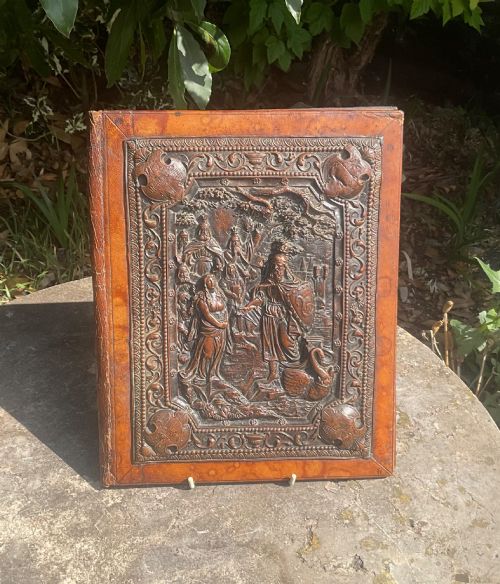
Cartier·Wagner Lohengrin
The Antique Desk Pad Glossary
- Desk blotter
- A portable pad designed to absorb excess ink during writing. These objects often incorporate leather, fabric, or metal corners.
- Folio book
- A protective case or folder used to hold loose sheets of writing paper. They frequently feature silver-plated or embossed covers.
- Mahogany
- A durable tropical hardwood valued for its rich reddish-brown tone and stability in furniture and accessory construction.
- Walnut
- A dense timber with prominent grain patterns utilised across eighteenth- and nineteenth-century desk furnishings.
Antique Desk Pad: Frequently Asked Questions
What is an antique desk pad?
An antique desk pad is a protective writing mat or blotter designed to sit on a desk surface.
These pieces provide a smooth writing plane while protecting the underlying timber from ink spills and scratching.
How were desk blotters used?
Desk blotters were placed on writing tables to absorb wet ink from quill pens or fountain pens during correspondence.
Users placed sheets of blotting paper within the pad to blot excess ink immediately after writing.
What materials are used?
Materials include hardwoods like mahogany and oak, alongside metals such as copper and silver plating.
Leather, fabric, and velvet inserts provide the tactile writing surface on many surviving examples.
How do I date a desk pad?
Dating relies on stylistic indicators, materials, and manufacturing techniques associated with periods like the Victorian and Edwardian eras.
Examining the metalwork style and the integration of fabric or leather helps place the piece within its historical context.