

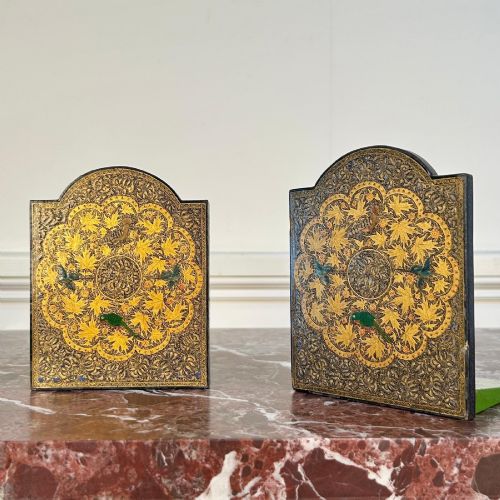


Antique Desk Decoration
These antique desk decoration pieces bring tactile craft and period ornament directly to a working surface.
Antique Desk Decoration
An antique desk decoration encompasses functional accessories and embellishments intended for nineteenth-century and eighteenth-century writing spaces. The pieces appearing here range from small brass perpetual calendars to porcelain inkwells, bookends, and picture frames.
Buyers will most frequently encounter nineteenth-century items alongside Victorian and Edwardian examples. Materials vary from lacquered surfaces and papier-mâché to heavy hardwoods and gilt bronze.
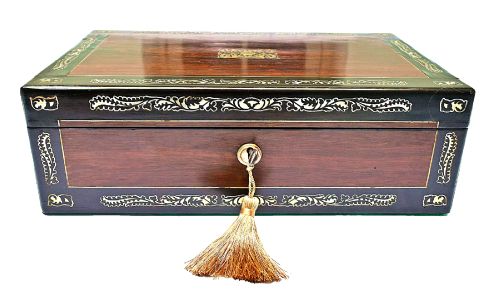
The selection extends to specific decorative desk accessories featuring Egyptian revival motifs, floral painted details, and intricate carving. Each item serves to ornament the writing environment through period craftsmanship.
Materials and construction methods
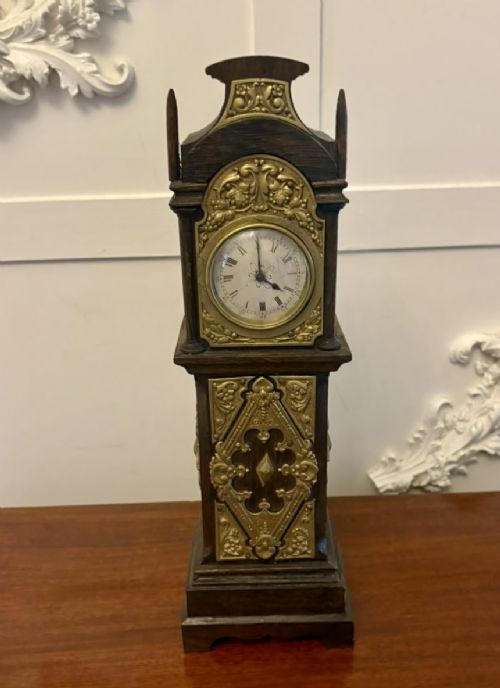
The objects combine metals such as brass and gilt bronze with structural timbers including oak, mahogany, and satinwood. Artisans utilised traditional joinery and casting techniques to form these functional items.
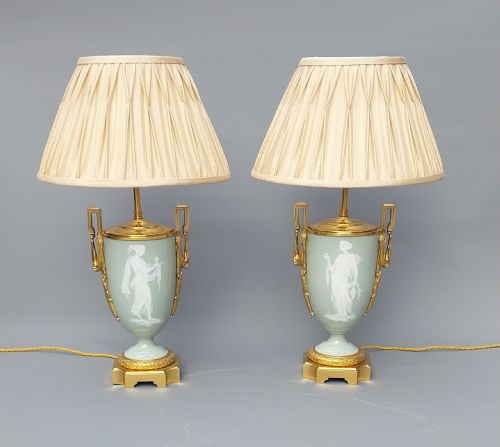
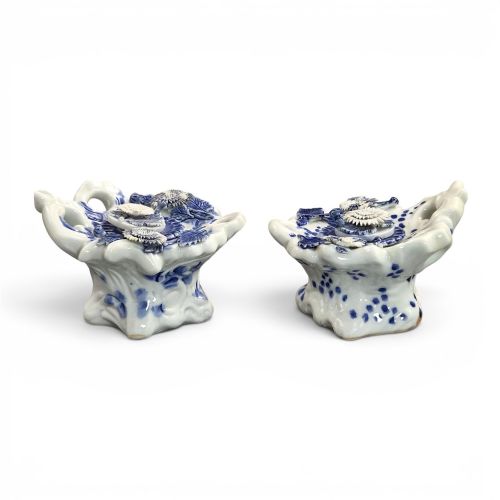
Surfaces receive detailed embellishment through inlaid wood, hand-painted floral motifs, embossed metalwork, and delicate porcelain plaques. These varied finishing methods define the character of each piece.
Antique Desk Decoration Retail Price Guide 2026
Typical asking prices for desk decoration among the pieces listed under this phrase on Sellingantiques today, from the lower quarter to the upper quarter. They describe what is for sale here now, not the wider market.
The listings here include items from the 18th century, 19th century, and Edwardian periods, utilising materials such as porcelain, brass, oak, and gilt bronze.
Assessing quality in desk ornaments
Quality rests upon the crispness of the casting or the precision of the woodwork and inlay. Sharply defined details on bronze mounts and cleanly executed painted decoration distinguish superior examples.
The preservation of original surface finishes and patination dictates the desirability of an item. Pieces retaining their intended mounts, plaques, and structural integrity command closer attention.
The Antique Desk Decoration Glossary
- Gilt bronze
- An alloy of copper and zinc treated with a gold application to provide a durable metallic finish. This material appears frequently on nineteenth-century mounts and decorative frames.
- Pâte-sur-pâte
- A ceramic decoration method where wet clay is applied in successive layers to a contrasting background before firing. It creates a low-relief cameo effect.
- Inlay
- A technique where pieces of contrasting material are fitted into a recess to form a decorative surface pattern on wood bases. It appears on eighteenth-century boxes and tables.
- Patina
- The surface alteration and sheen acquired by materials through age and handling. A natural patina indicates uncompromised period history.
Antique Desk Decoration: Frequently Asked Questions
What counts as an antique desk decoration?
These items include smaller furnishings and ornaments designed for writing furniture, such as inkwells, calendars, and bookends.
They reflect the functional needs and ornamental styles of eighteenth-century and nineteenth-century interiors.
How do I date a brass calendar?
Dating relies on mechanical design, typography, and stylistic motifs like Egyptian revival elements.
Makers utilised cast brass techniques specific to the late nineteenth and early twentieth centuries.
Are these desk pieces solid wood?
Construction varies between solid timbers like oak and mahogany, and veneered surfaces over secondary woods.
Inlay and banded decoration are typically applied to primary show woods.
How should I clean porcelain inkwells?
Use a dry, soft cloth to remove dust from glazed ceramic surfaces and painted details.
Avoid liquid cleaners that might damage vulnerable pigments or historic glazes.