
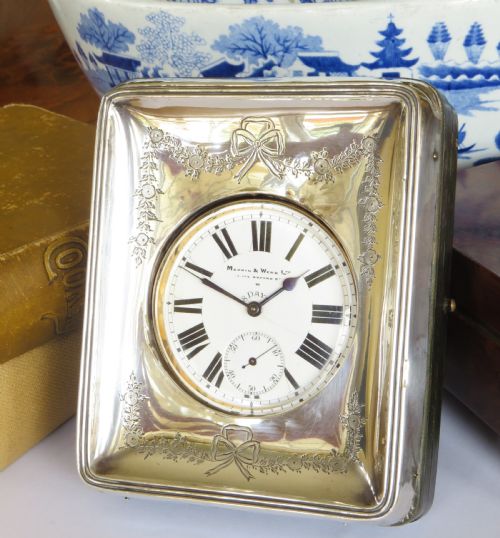

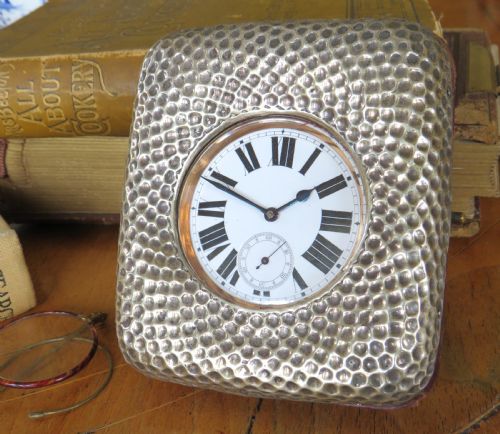


Antique Desk Clock Case
An antique desk clock case protects and frames a portable timepiece, bringing precise Victorian and Edwardian mechanics into domestic and working spaces.
Antique Desk Clock Case
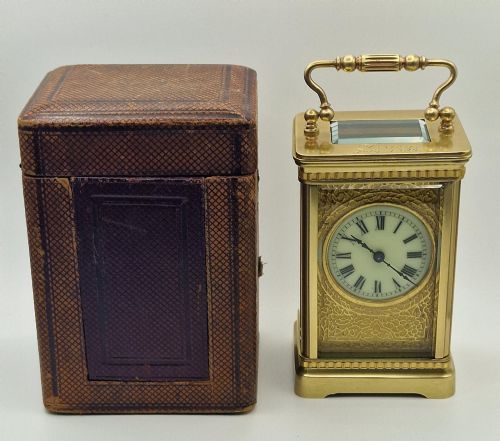
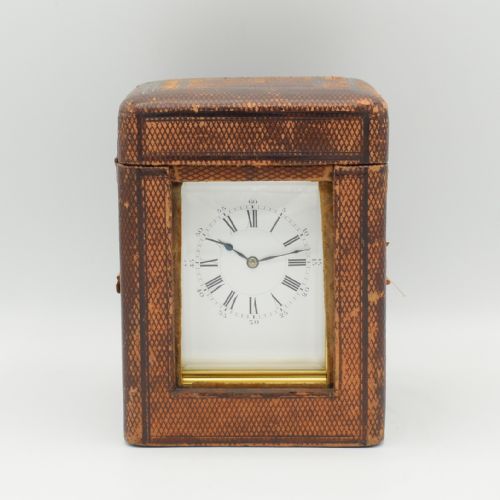
When you search for an antique desk clock case, you examine protective housings designed to hold portable timekeepers across the nineteenth and early twentieth centuries. These protective vessels range from domestic mantel pieces to travel-ready housings that secure delicate mechanisms for transit.
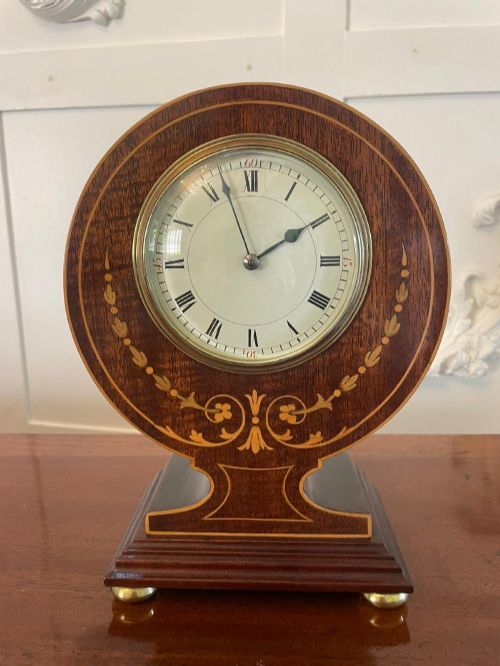
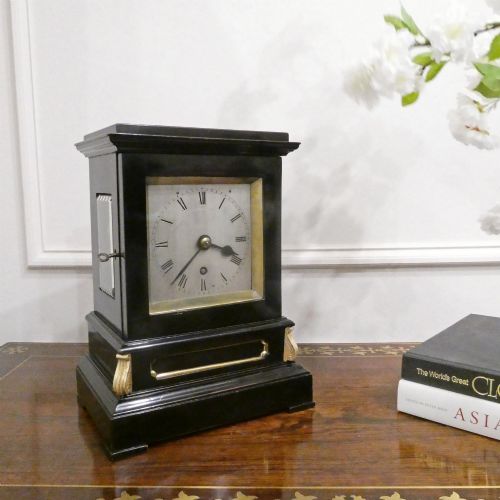
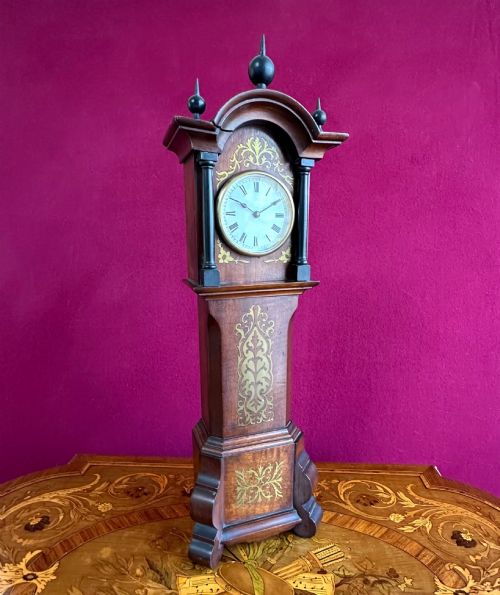
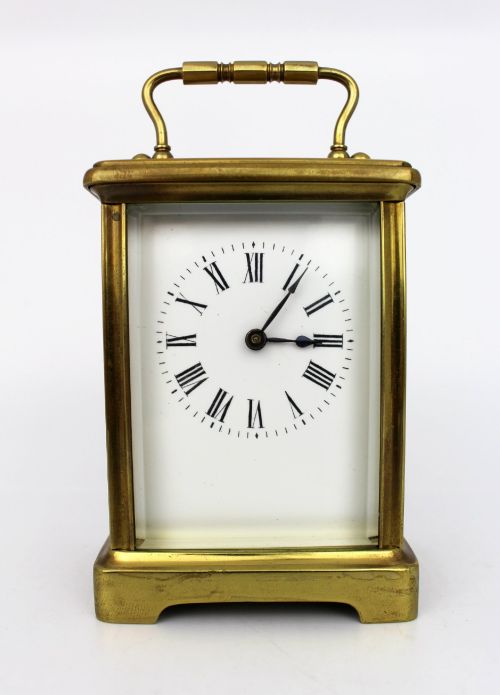
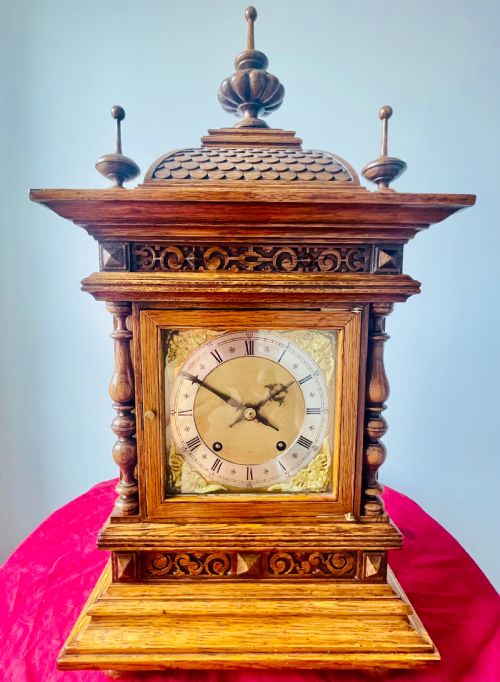
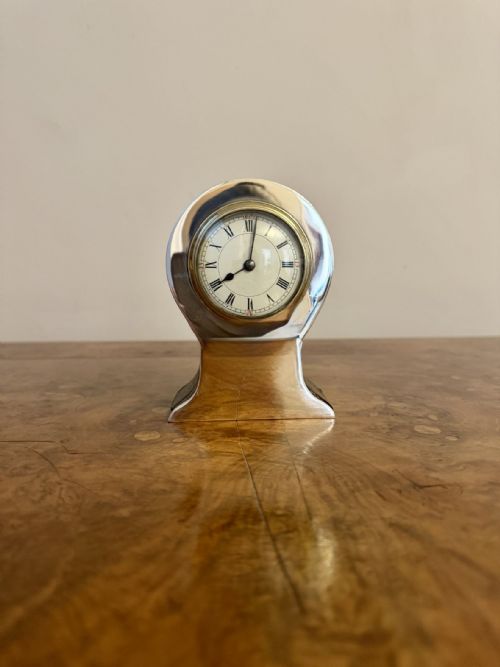
The versions you are most likely to encounter on this page span the Victorian and Edwardian eras, predominantly taking the form of brass carriage housings, wooden library clock enclosures, and silver-mounted travel containers. Many survive from French workshops and English makers, reflecting varied periods of manufacture from the 1860s through to the 1920s.
These items serve both functional and decorative roles, enclosing movements made by makers such as Winterhalder, Drocourt, and Henri Jacot. Whether formed as a gorge case, an easel design, or a weather station, each example preserves the horological style of its original period.
Materials and Construction
Makers constructed these housings using robust metals and dense timbers, pairing brass, gilt brass, and solid silver with woods like mahogany, oak, walnut, and ebonised finishes. Glass panels feature heavily in carriage and four-glass models, offering visual access to the moving escapement within.
Techniques relied on precise metal casting, hand engraving, and cabinetmaking. Gilt brass frames frequently display finely chased or engraved surface details, while leather, enamel, and marble elements provide additional structural rigidity and decorative contrast.
Distinctions in Execution
Quality reveals itself in the crispness of the hand engraving and the precision of the joinery or metal casting. Finer examples exhibit deep, clean chasing on gilt brass frames and tightly fitted bevelled glass panels that sit flush within their channels.
Material choice and internal complexity also separate standard production from superior output. Solid silver mountings, intricate gorge mouldings, and original signed components indicate higher workshop standards during the Victorian and Edwardian periods.
Henri Jacot·Winterhalder·Mappin & Webb·Pickford of London·Drocourt Paris·Antoine Redier of Paris·Harrods of London·Joseph Jump·William Evans·Dwerrihouse & Bell
The Antique Desk Clock Case Glossary
- Gorge case
- A specific brass carriage clock housing style featuring stepped mouldings at the top and base. This form remains characteristic of nineteenth-century French manufacture.
- Four glass clock
- A clock design encased entirely in glass panels set within a brass frame, allowing an unobstructed view of the movement from all sides. These pieces often feature pendulum regulation.
- Fusee
- A conical pulley mechanism used in older clocks to equalise the driving force of the mainspring as it winds down. It ensures even timekeeping throughout the power reserve.
- Silver hallmarked
- Metal stamped with official assay office marks that verify the purity of the silver used in the casing. These stamps assist in dating the piece accurately.
Antique Desk Clock Case: Frequently Asked Questions
What is a carriage clock case?
A carriage clock case is a sturdy metal and glass housing originally built to protect a portable timekeeper during travel. These frames usually incorporate a top-mounted carrying handle and bevelled glass panels.
Such enclosures allowed travellers to keep accurate time in temporary lodgings. Over time, they transitioned into stationary decorative items for desks and mantels.
How do I date an antique clock case?
Dating relies on stylistic clues, maker signatures, and official assay hallmarks stamped onto silver or metal components. Victorian and Edwardian pieces exhibit distinct design motifs and manufacturing techniques.
Examining the hinges, escapement type, and framing style helps narrow down the period. Comparing construction methods against known dated examples provides further accuracy.
What woods were used in these cases?
Cabinetmakers utilised dense hardwoods such as mahogany, oak, walnut, and ebonised timber for domestic desk and library housings. These materials offered stability and durability for heavy clock movements.
Inlays of satinwood or leather accents sometimes decorated the exterior surfaces. These timber housings brought warmth to nineteenth-century interiors.
Are these cases interchangeable with movements?
Original housings and movements were fitted together as unified items by skilled makers. Altering or swapping components disrupts the historical integrity of the piece.
Collectors prefer items that retain their original matched movement, dial, and protective housing. Originality directly influences the character and historical value of the object.