
Antique Desk Accessory Box
An antique desk accessory box organises correspondence, pens and small desk items with period craftsmanship.
Antique Desk Accessory Box
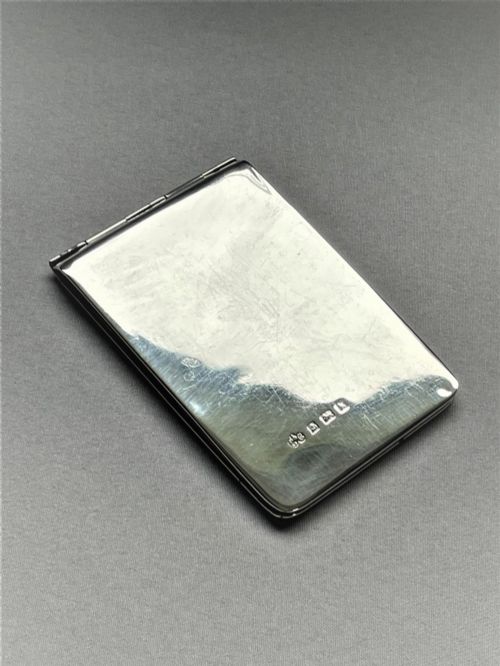
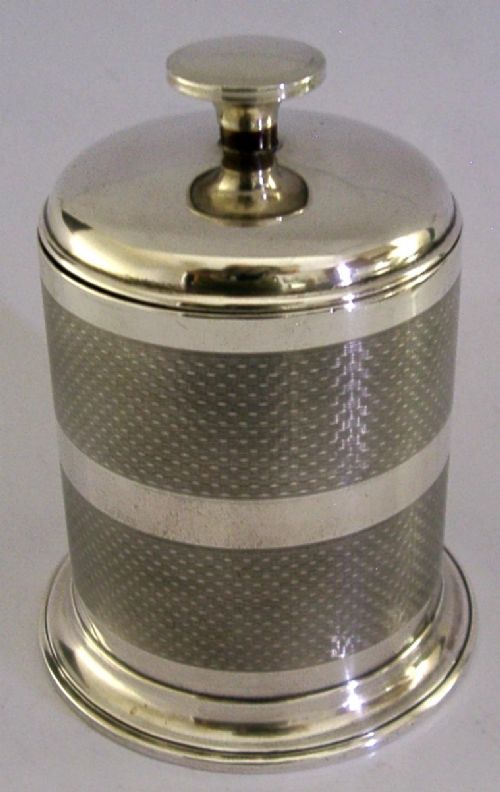
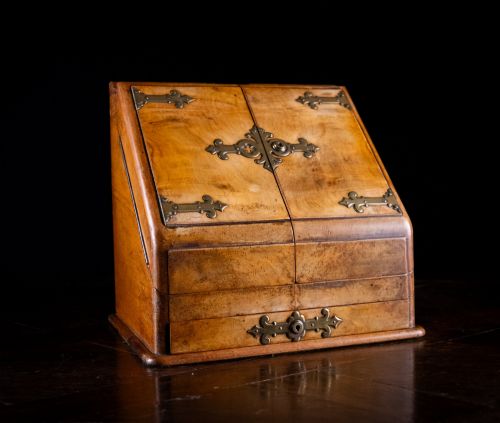
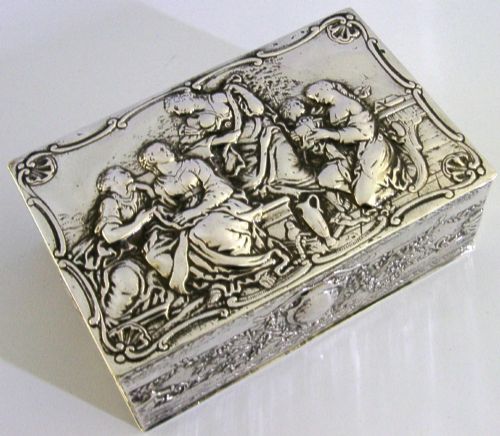
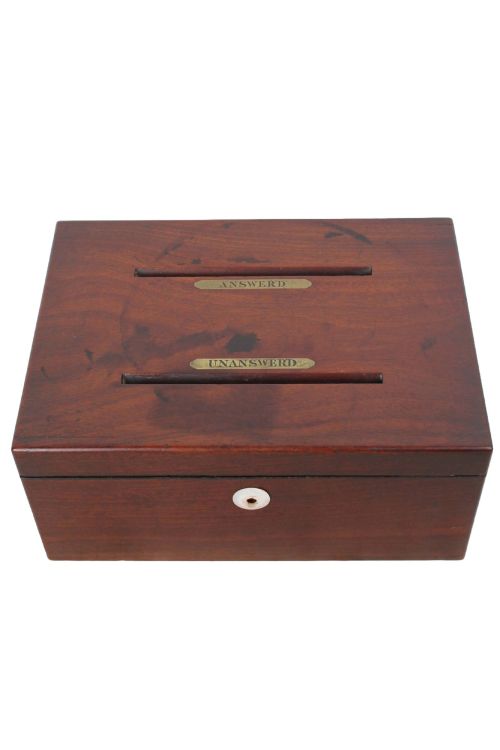
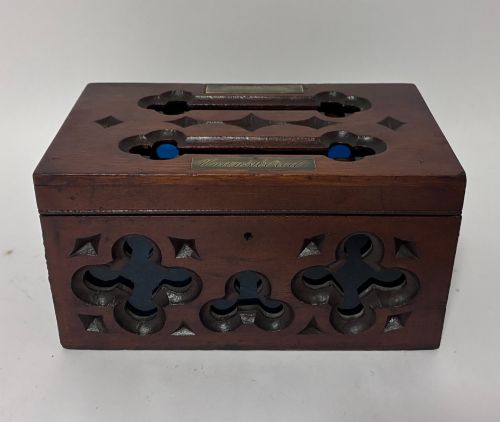
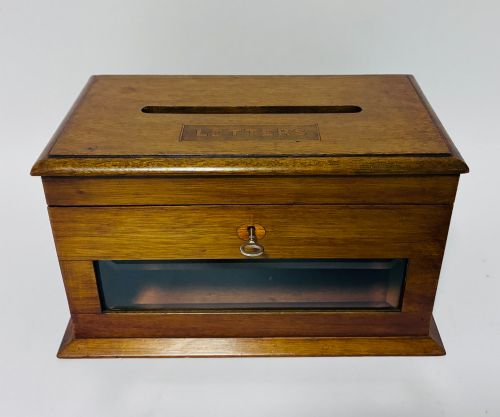
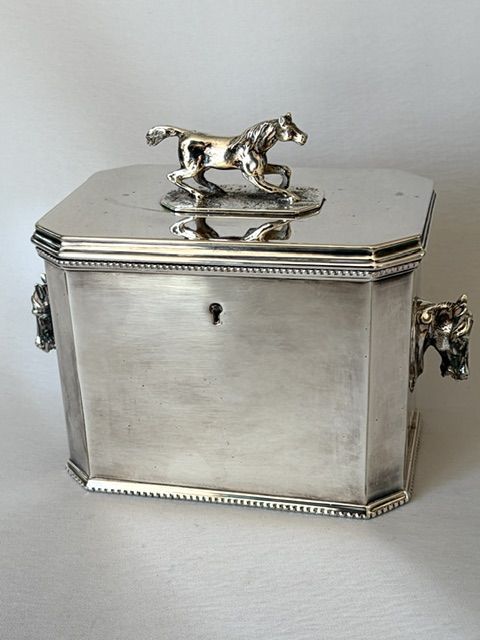
An antique desk accessory box encompasses a diverse group of fitted containers designed to organise writing materials and small desktop tools. When searching for an antique desk accessory box, buyers encounter items ranging from correspondence letter boxes and stationery cabinets to stamp cases, inkstands and pen cases.
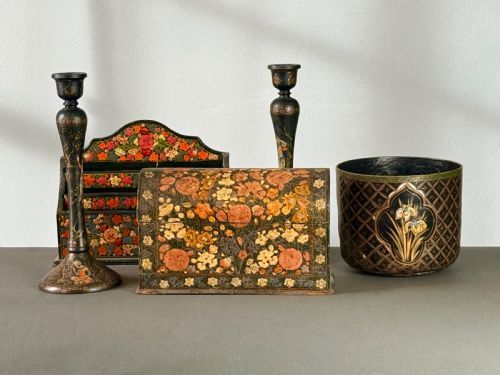
The versions most frequently met on this page date from the Victorian and Edwardian periods, alongside pieces from the Art Deco era and the nineteenth century. These objects served functional roles in country houses, studies and offices, housing everything from twine and matches to visiting cards and wax seals.
Materials and construction
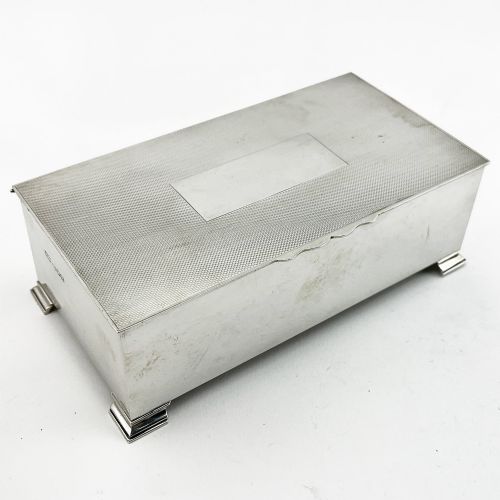
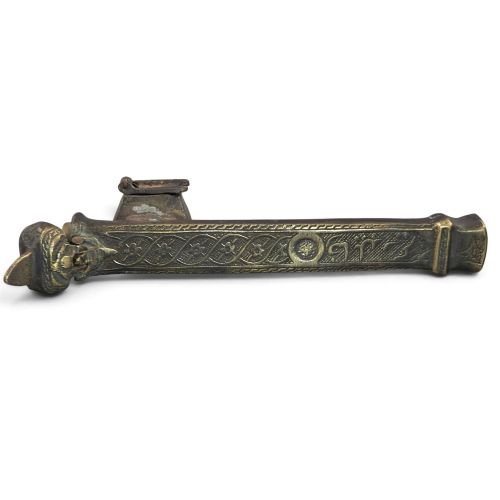
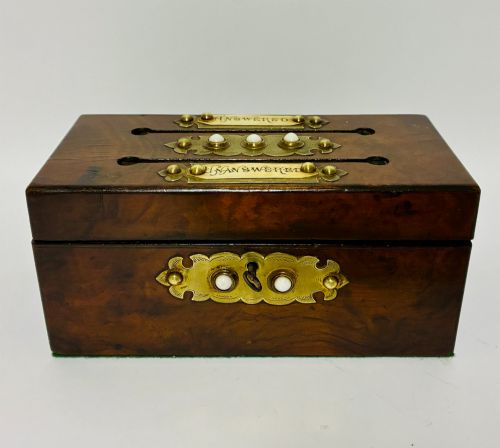
Materials span traditional hardwoods such as mahogany, walnut and coromandel, frequently enhanced with brass mounts, inlaid detail or tortoiseshell. Metal components include sterling silver, silver plate and brass, utilised for hinges, escutcheons and structural casings.
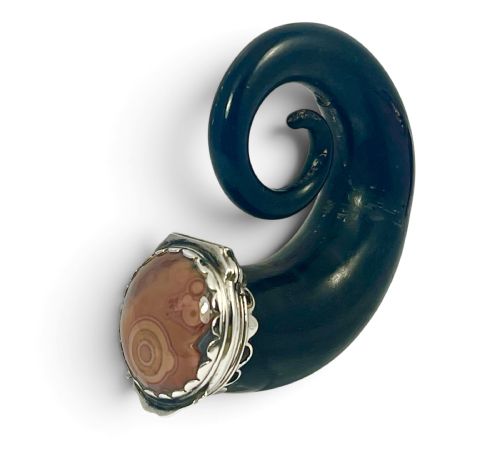
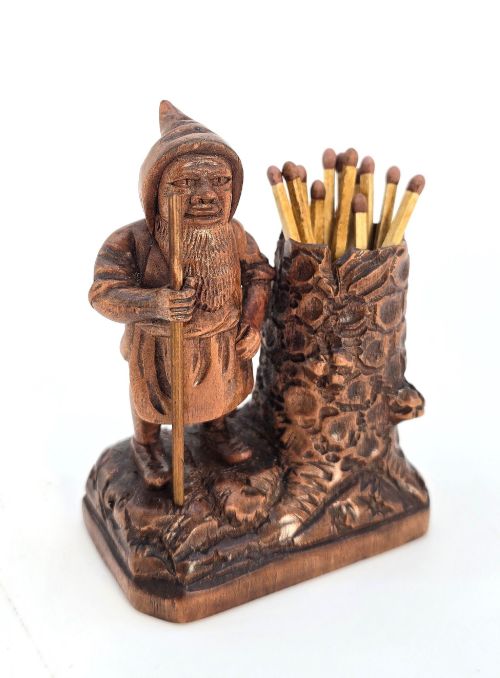
Construction techniques combine cabinet-making joinery for wooden stationery cabinets and letter boxes with silversmithing methods for metal stamp cases, vesta boxes and inkstands. Carved limewood, horn and leather also appear across specific novelty forms and desk tidies.
Listings feature woods like mahogany and walnut alongside sterling silver, brass, glass and leather across the Victorian and Edwardian periods.
Factors of quality
Quality depends upon the precision of the construction, the grade of the materials employed and the integrity of any fitted interior compartments. Superior examples display crisp chasing on silver work, tight joinery on wood cabinets and original glass or gilt linings.
Mappin And Webb·Crisford And Norris·W And G Neal·Cartier·Sigvard Bernadotte for Georg Jensen
The Antique Desk Accessory Box Glossary
- Vinaigrette box
- A small ornamental container featuring an internal pierced grille, designed to hold a sponge soaked in aromatic vinegar. These pieces date predominantly to the Georgian and Victorian periods.
- Stamp case
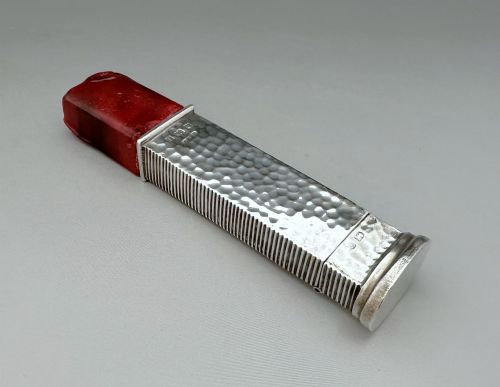
- A small receptacle created to hold postage stamps, often manufactured in silver with internal divisions corresponding to stamp denominations. Edwardian examples frequently take novel forms such as envelopes or books.
- Snuff box
- A small hinged box used for holding powdered tobacco. They appear in materials ranging from silver and brass to tortoise shell and horn.
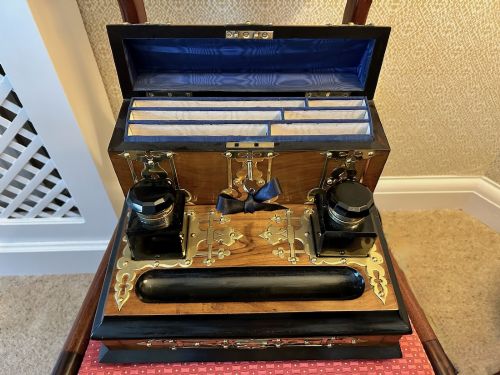
- Inkstand
- A desk stand holding one or more inkwells, often accompanied by pen recesses and candleholders. Materials include brass, silver and cut glass.
- Stationery cabinet
- A tabletop cabinet fitted with vertical partitions and compartments for organising letter paper and envelopes. They often feature hinged lids or fall-front doors.
Antique Desk Accessory Box: Frequently Asked Questions
What items fit inside these boxes?
These containers house a variety of small desk supplies, depending on their specific form. Examples include postage stamps, visiting cards, sealing wax, matches and correspondence.
Larger stationery cabinets and letter boxes accommodate writing paper and incoming mail, while smaller pieces hold nibs, twine and snuff.
How do I identify a Victorian piece?
Victorian pieces often display characteristic period styles such as Gothic Revival or Neo-Rococo, alongside traditional woods like walnut, coromandel and mahogany. Silver items from this era frequently bear British hallmark date letters corresponding to the nineteenth century.
Construction methods typically involve heavier brass hardware, elaborate wood inlays and fitted interiors designed for nineteenth-century writing habits.
Were these used in homes or offices?
These accessories served both domestic country houses and professional offices. Correspondence boxes and inkstands sat on library desks for daily letter writing, while smoking cabinets and table boxes were kept in drawing rooms.
Many portable items, such as stamp cases and pen boxes, were designed for personal travel or use within writing chambers.
What is an inkstand?
An inkstand is a desk accessory comprising one or more inkwells mounted on a stationary base, often incorporating pen rests and sanders. They were essential for writing with dip pens before the widespread adoption of the fountain pen.
Materials used for the base include cut glass, silver, brass and tortoiseshell, providing a stable platform to prevent ink spills.