



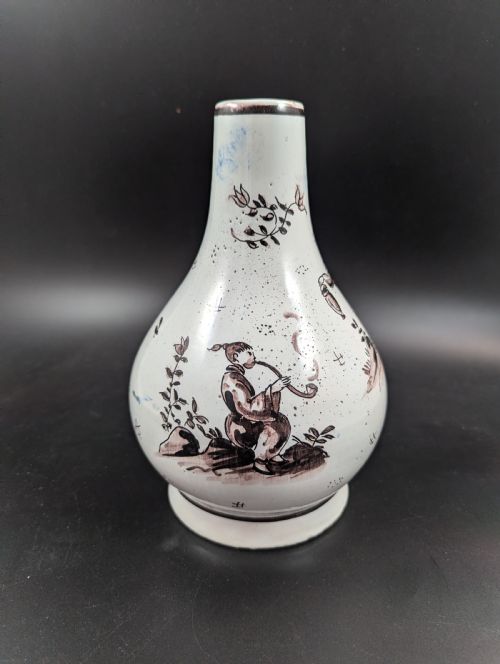


Antique Delft Vessels
These antique delft vessels are tin-glazed earthenware pieces spanning three centuries, prized for their painted cobalt pigment and distinct ceramic forms.
Antique Delft Vessels
When you search for antique delft vessels, you encounter a specialised range of ceramic objects spanning the seventeenth, eighteenth, and nineteenth centuries. The selection encompasses utilitarian pharmacy storage and decorative display items originating primarily from Dutch and English workshops.
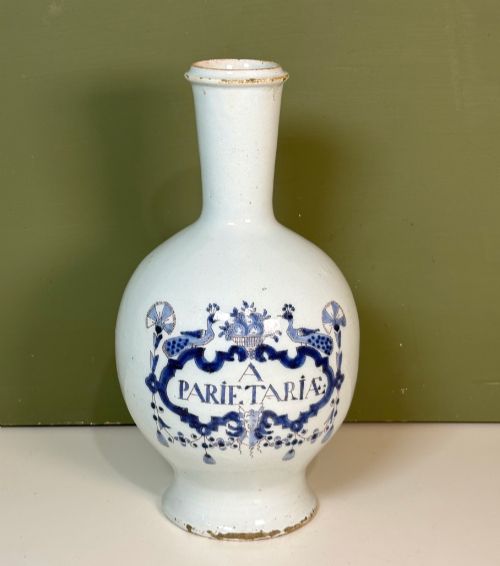
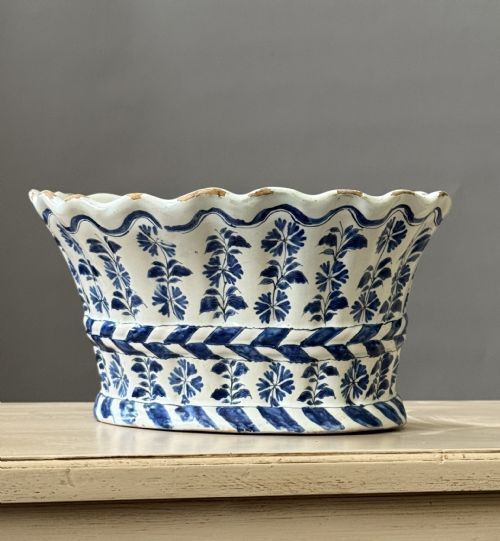
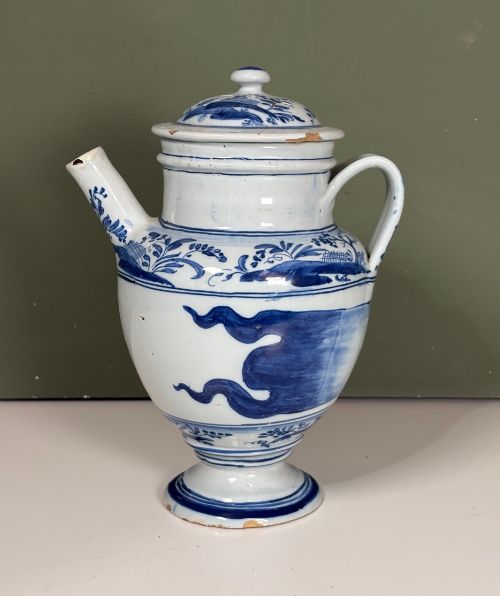
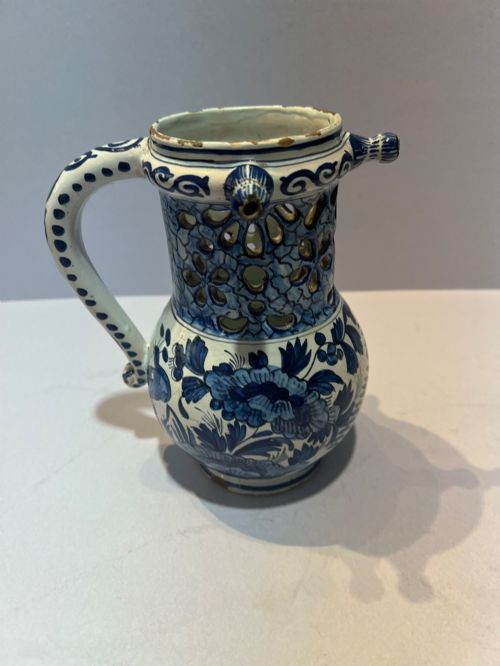
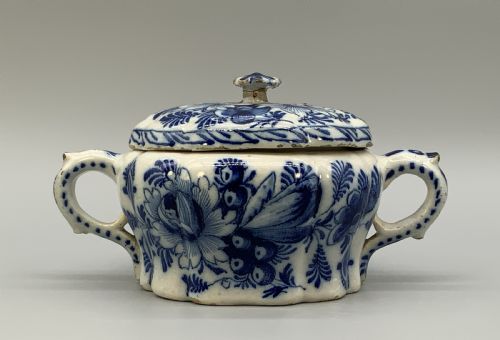
Apothecary jars, drug jars, and pharmacy jugs form a prominent category within these listings. These functional vessels sit alongside decorative vases, bough pots, posset pots, puzzle jugs, and planters.
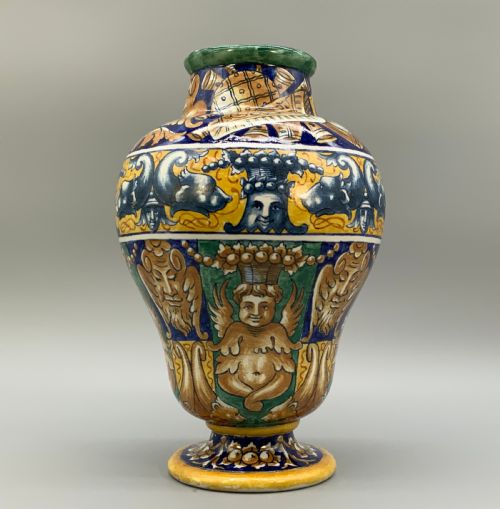
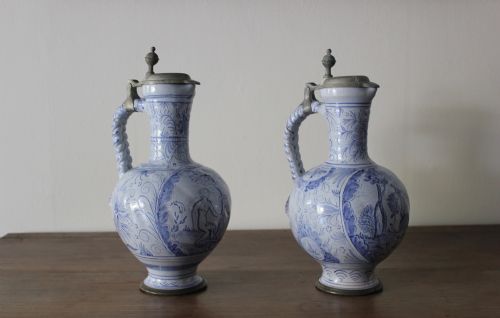
The Dutch delftware tradition dominates the available forms, alongside seventeenth-century English pieces and nineteenth-century revival works. Buyers frequently find eighteenth-century examples featuring traditional cobalt oxide decoration upon white tin-glazed earthenware bodies.
How they were made
Makers shaped these vessels from earthenware clay before applying an opaque tin glaze that created a smooth, white surface for painting. Artisans then hand-painted pigments directly onto the porous unfired glaze.
Cobalt oxide provided the characteristic blue tones seen across the majority of these ceramics. Polychrome examples incorporate additional mineral pigments such as manganese and yellow to achieve multi-coloured designs.
Antique Delft Vessels Retail Price Guide 2026
Typical asking prices for delft vessels among the pieces listed under this phrase on Sellingantiques today, from the lower quarter to the upper quarter. They describe what is for sale here now, not the wider market.
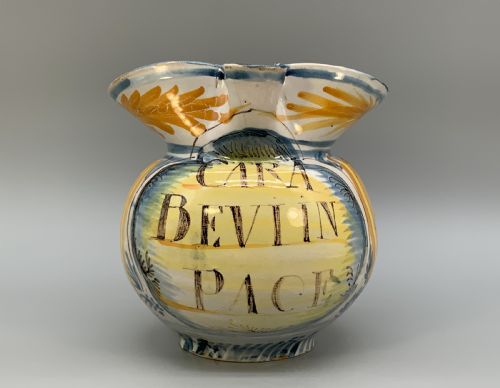
Puzzle jugs challenge drinkers to consume liquid through a tubular rim without spilling the contents through hidden hidden spouts.
What varies in quality
The crispness of the hand-painted cobalt pigment defines the visual distinction between individual pieces. Control over the brushwork and the depth of the blue tones separate standard production from finer work.
The uniformity and coverage of the tin glaze across the earthenware body dictate the tactile quality of the vessel. Thicker, smoother glaze applications preserve the softer contours typical of earlier periods.
The Antique Delft Vessels Glossary
- Tin-glazed earthenware
- Earthenware pottery covered with a white tin oxide glaze that provides an opaque background for painted decoration. This technique forms the foundation of all delftware production.
- Cobalt oxide
- A metallic pigment used to produce deep blue coloration on ceramic glazes. It remains stable under high firing temperatures.
- Albarello
- A cylindrical earthenware jar used by apothecaries for storing drugs and ointments. The waist is typically indented to allow a secure grip.
- Posset pot
- A spouted ceramic vessel used for serving a traditional hot drink made of curdled milk mixed with wine or ale. These vessels often feature multiple handles and a fitted lid.
- Bough pot
- A decorative ceramic container designed to hold branches of flowers or greenery for interior display. They typically feature perforated lids to arrange stems.
Antique Delft Vessels: Frequently Asked Questions
What are antique delft vessels?
Antique delft vessels are tin-glazed earthenware objects produced across the seventeenth, eighteenth, and nineteenth centuries. They include pharmacy jars, vases, and decorative jugs primarily decorated in blue and white.
The category spans utilitarian apothecary containers and ornamental pieces originating from Dutch, English, and continental European traditions.
How were apothecary jars used?
Apothecary jars and albarellos stored dry drugs, herbal remedies, and medicinal ointments in medical shops. Their shape allowed pharmacists to access contents easily while protecting ingredients from moisture.
Pharmacy jugs held liquid medicines and syrups, serving both functional storage and display purposes within European apothecary establishments.
How do I clean antique delft?
Clean these ceramic pieces using a soft, dry cloth to remove surface dust. Avoid liquid cleaners and immersion, as the porous earthenware body and historic tin glaze can absorb moisture through micro-fissures.
Display the vessels away from direct sunlight and damp environments to protect the integrity of the glaze and the painted pigments.
How do I date an antique delft vessel?
Dating relies on examining the ceramic body, the characteristics of the tin glaze, and the style of the painted decoration. Seventeenth-century pieces often display distinct floral motifs and heavier earthenware bodies.
Eighteenth-century examples refine these forms with lighter potting and detailed cobalt painting, while nineteenth-century revival pieces exhibit different glaze compositions and palette choices.