

Antique Decorative Silver
These pieces of antique decorative silver span domestic vessels and display items from the nineteenth and early twentieth centuries, bringing tactile craft to a room.
Antique Decorative Silver
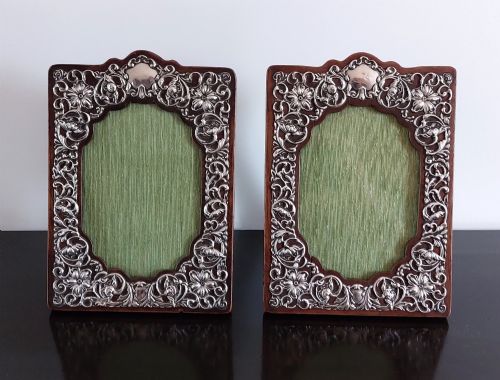
When searching for antique decorative silver, buyers encounter an eclectic mix of functional objects and ornamentation spanning the Victorian, Edwardian, and Art Deco periods. The items range from solid sterling silver photograph frames and tea caddies to decorative bowls, trinket boxes, and repoussé chargers.
The selection includes international craftsmanship alongside British pieces, drawing on styles such as Anglo-Indian, Chinese Export, and Rococo Revival. Continental silver snuff boxes, silver-plated samovars, and mixed-media works involving wood, glass, and brass also appear across the inventory.
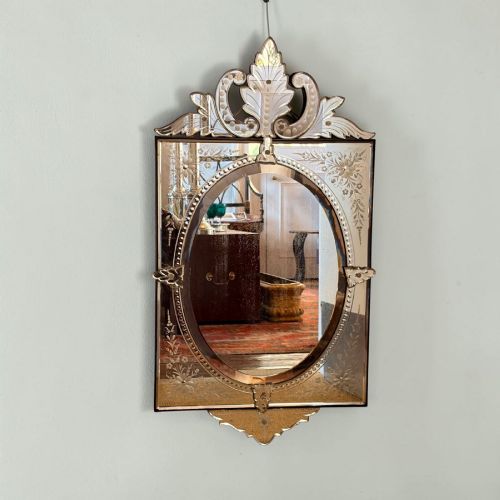
Domestic display and service dominate the forms available. Visitors frequently find small tabletop accessories like napkin rings and grape shears sitting alongside larger statement mirrors and console tables.
Materials and Technique
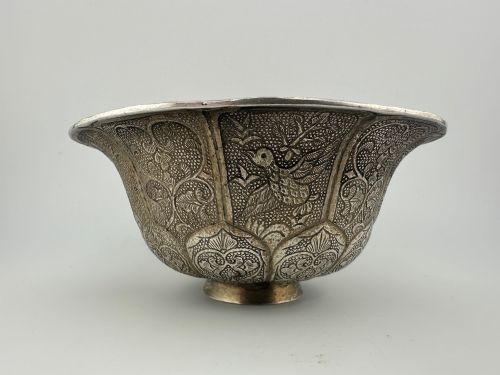
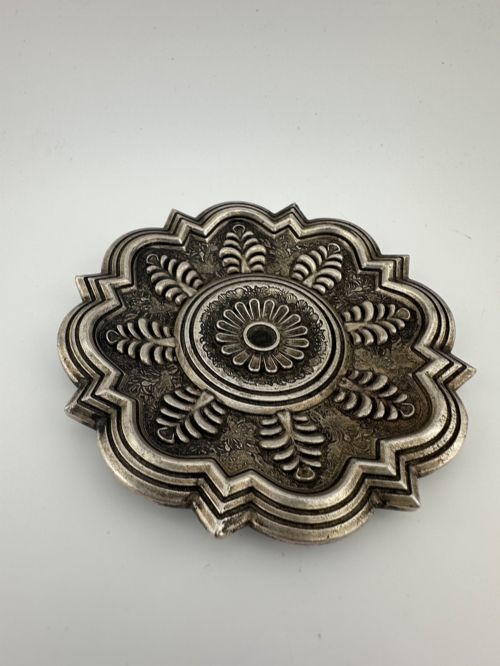
Makers utilised solid sterling silver, silver plate, and white metal, often combining them with contrasting materials like tortoiseshell, enamel, oak, and marble. Techniques such as repoussé work allowed artisans to hammer detailed relief designs into chargers and bowls from the reverse side.
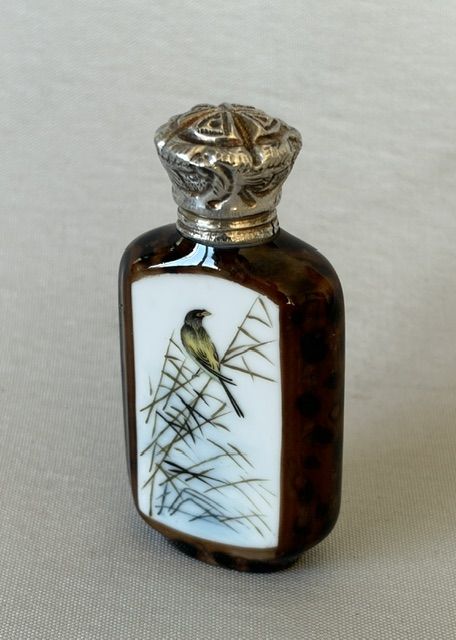
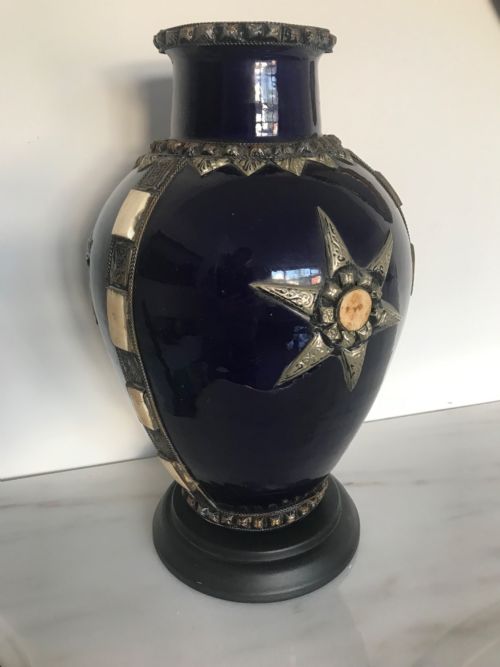
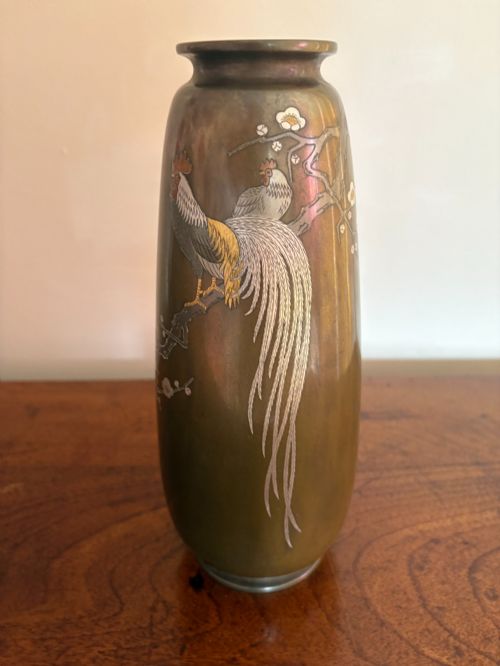
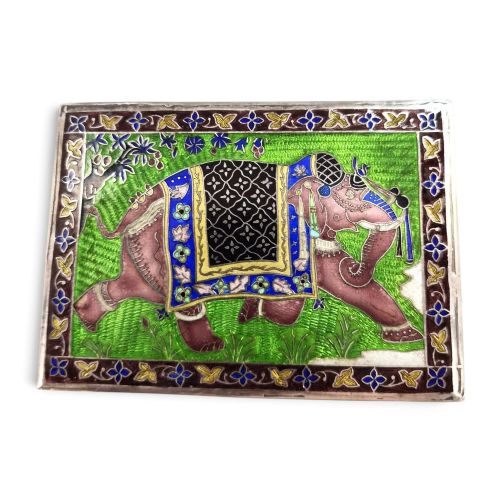
Casting, chasing, and metal inlay appear on bronze, iron, and silver objects from Japanese Meiji workshops and European foundries alike. Enamel painting adds colour to mounted scent bottles and card boxes, while wood and glass provide structural support or contrast for silver mounts.
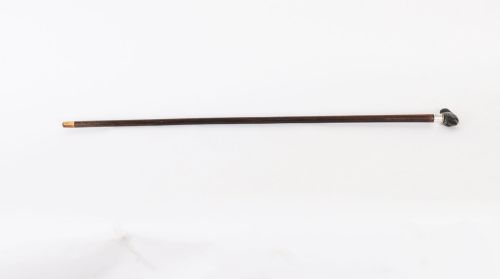
A walking cane hides a carved wooden parrot head, proving that Victorian practicality often had a distinctly theatrical sense of humour.
Craft and Definition
The distinction between ordinary and exceptional pieces lies in the crispness of the hand-chased detail and the weight of the metal used in the construction. Heavier gauges of solid silver retain structural integrity and sharp ornamentation, whereas thinner stampings lose definition over time.
Provenance and maker attribution elevate certain items, particularly when marked by recognised international houses or associated with specific stylistic movements like Art Deco. The integration of mixed media, such as flawless tortoiseshell or clean enamel work, marks out the superior examples in any room.
Maurice Giraud-Rivière·KANASAWA·CHRISTOFLE
The Antique Decorative Silver Glossary
- Repoussé
- A metalworking technique where the artisan hammers the design from the reverse side to create a raised relief on the front. This method decorates many of the chargers and large bowls found in nineteenth-century silverwork.
- Sterling silver
- An alloy consisting of ninety-two point five percent silver and seven point five percent other metals, typically copper, chosen for durability. Most British domestic silver adheres to this standard.
- Silver plate
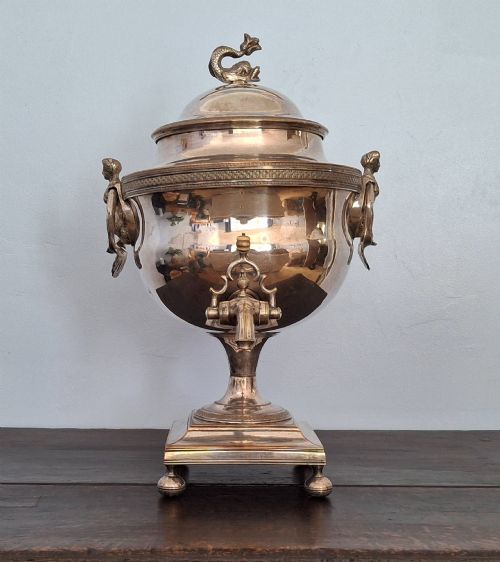
- A layer of silver fused to a base metal core, such as copper or brass, providing the appearance of solid silver at a different weight. Many nineteenth-century tea urns and serving dishes utilise this method.
- Tea caddy
- A small box or container originally designed to store loose tea leaves securely under lock and key. Examples in this category range from plain wooden boxes to heavily worked solid silver vessels.
- White metal
- A term used by trade and auctioneers to describe silver-coloured alloy mixtures that lack formal British hallmarks, frequently seen in Chinese Export pieces.
Antique Decorative Silver: Frequently Asked Questions
What is the difference between silver and silver plate?
Solid silver consists of a consistent precious metal alloy throughout the entire object, usually marked with official government assay stamps. Silver plate involves a thin layer of silver bonded to a base metal such as copper or brass.
Over decades of heavy use, silver-plated items may show the base metal showing through worn areas, whereas solid silver maintains its composition beneath surface scratches.
How do I identify the date of a silver piece?
British pieces typically feature a series of hallmarks indicating the maker, the assay office, the standard of silver, and a date letter corresponding to the specific year of testing. Continental and Asian pieces often rely on maker marks, regional stamps, or stylistic cues.
Comparing the decorative motifs, such as Victorian scrollwork versus geometric Art Deco lines, helps narrow down the period when official marks are absent.
How were trinket boxes used originally?
Victorian and Edwardian dressing tables featured trinket and jewellery boxes to hold rings, pins, and small personal valuables. They sat openly as part of the room's decorative scheme while keeping daily accessories organised.
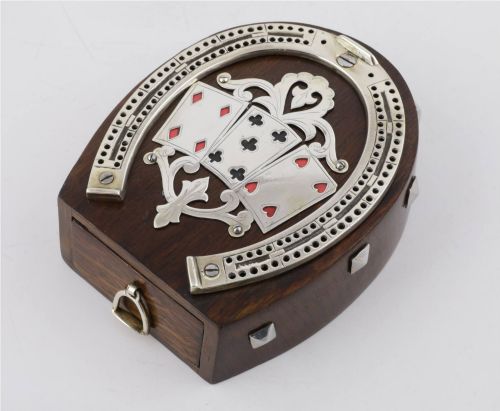
Later versions adapted to hold playing cards, cigarettes, or calling cards for guests in a formal drawing room setting.