



Antique Decorative Rug
An antique decorative rug brings woven warmth and pattern from nineteenth and early twentieth century traditions into a room.
Antique Decorative Rug
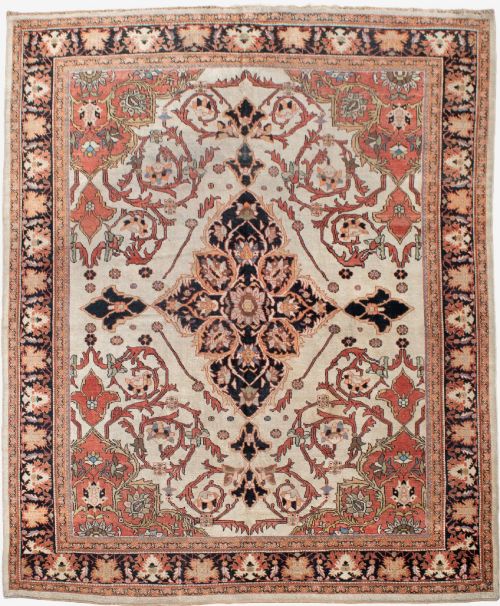
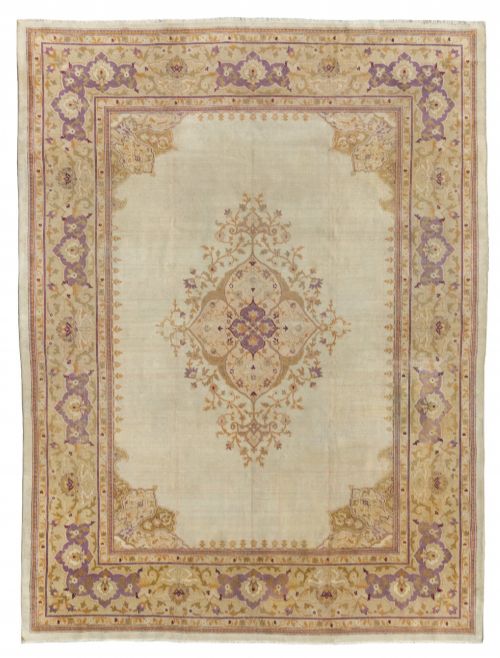
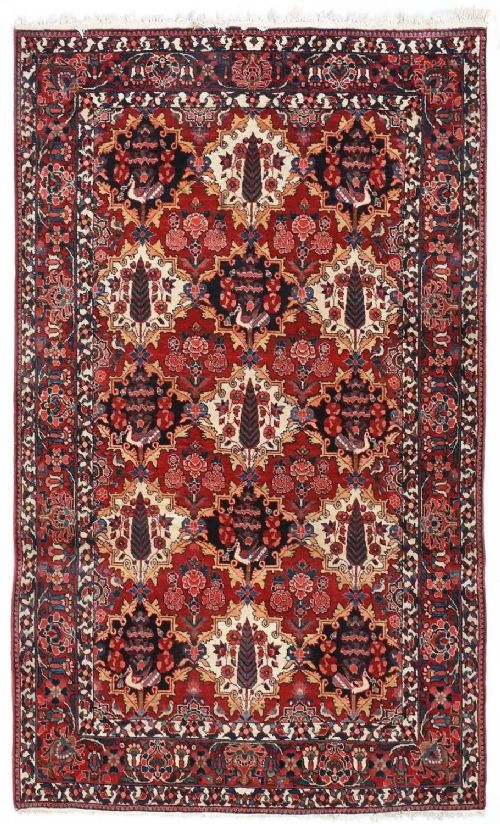
When you search for an antique decorative rug, you encounter floor coverings and textiles originating from Persian, Ottoman, Central Asian tribal, and European workshops. These pieces span production dates from the mid nineteenth century through the 1930s, encompassing room-sized carpets, smaller area rugs, and wall hangings.
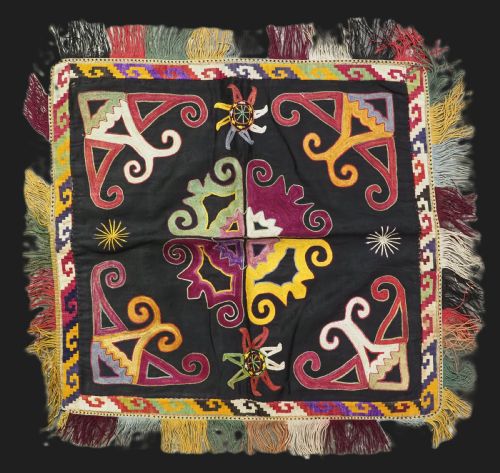
The selections most frequently met on this page include Persian room-sized carpets from centres such as Heriz, Mahal, and Ushak, alongside tribal pieces like Uzbek suzanis and Turkmen torbas. Forms range from large floor carpets to cushions, bread sofreh, and embroidered dowry hangings.
Makers and weavers across Persia, Anatolia, and Central Asia utilised traditional motifs including floral sprays, tree of life designs, and geometric tribal medallions. These textiles functioned as practical floor coverings, tent furnishings, or decorative wall textiles in their original domestic contexts.
How they were made
These textiles rely principally on natural materials such as hand-spun wool, cotton foundations, and occasionally silk thread or goat hair. Weavers knotted pile rugs by hand onto warp and weft foundations, while embroiderers stitched suzanis and wall hangings using fine thread on textile backings.
Dyers employed natural dyes to colour the wool and silk fibres, producing rich tones that age with distinct character. Artisans also incorporated glass beads in specific tribal textile traditions for added ornamentation.
A solitary copper garden trug from Victorian England ended up listed among the nomadic carpets.
What varies in quality
The fineness of the weave and the complexity of the design separate standard examples from superior specimens. Tightly packed knots and precise execution of curvilinear or geometric motifs indicate advanced technical skill in the workshop.
The integrity of the materials and the depth of the natural dyes influence the visual longevity of the piece. Well-preserved wool foundations and harmonious colour retention elevate the standing of an antique textile.
The Antique Decorative Rug Glossary
- Suzani
- An embroidered textile created in Central Asia, typically featuring floral and sunburst motifs on a cotton ground. These pieces often served as dowry items or wall hangings.
- Torba
- A small Turkmen bag face or storage hanging woven in knot pile or flatweave technique. They display characteristic tribal guls and curled leaf designs.
- Kilim
- A flatwoven textile produced without a pile, used traditionally as a rug or floor covering. Bessarabian examples often show distinct European floral influences.
- Sofreh
- A flatwoven or embroidered cloth used traditionally for laying out bread or food in Persian households. They display expressive geometric and pictorial compositions.
- Kapunuk
- A decorative tent hanging placed around the doorway of a nomadic yurt or tent. These pieces are associated with Ersari and other Turkmen groups.
Antique Decorative Rug: Frequently Asked Questions
How do I clean an antique rug?
Gentle surface vacuuming without a beater bar removes loose dust from the pile fibres safely.
Professional specialist cleaning is necessary for deeper maintenance to protect natural wool and dye stability.
Can these carpets go in high traffic rooms?
Durable wool pile construction allows many room-sized carpets to handle regular domestic foot traffic.
Fragile silk elements or delicate embroidered suzanis require placement away from heavy wear and direct sunlight.
What is a tribal rug?
Tribal rugs are woven by nomadic or village groups using memory patterns rather than fixed commercial cartoons.
Groups such as the Yomut, Tekke, Luri, and Bakhtiar produced these distinctive regional pieces.
How are ages determined?
Dating relies on structural analysis, wool preparation methods, and the chemistry of natural dyes.
Stylistic markers and historical weaving techniques help narrow down the period of production.