

Antique Decorative Porcelain
Antique decorative porcelain brings centuries of painted glaze, gilt bronze and ceramic craft into the home as cabinet plates, vases and figures.
Antique Decorative Porcelain
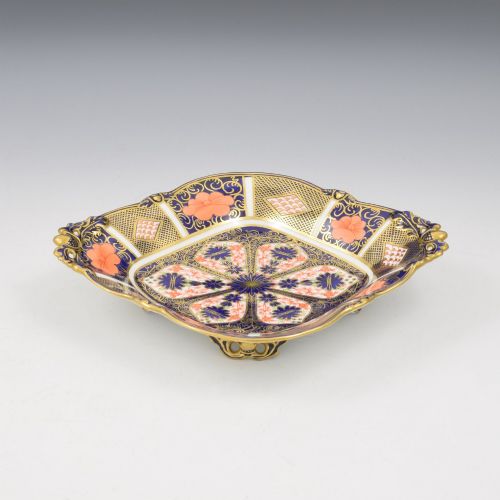
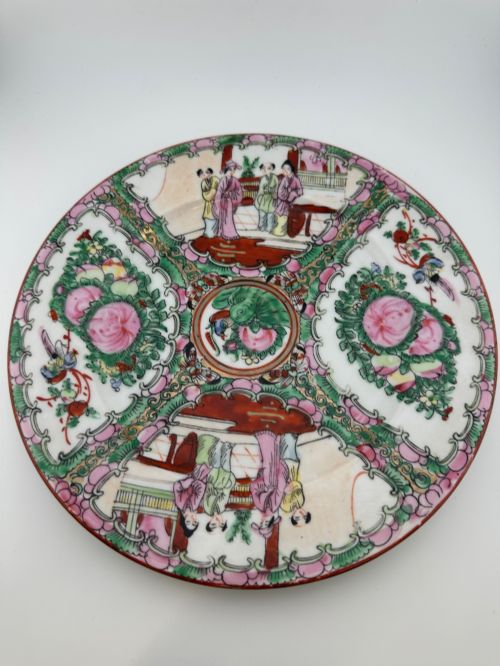
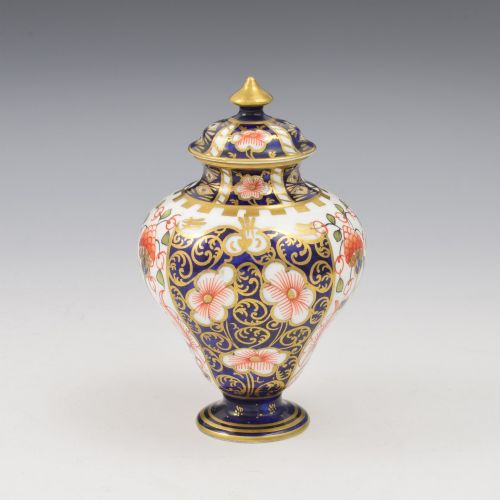
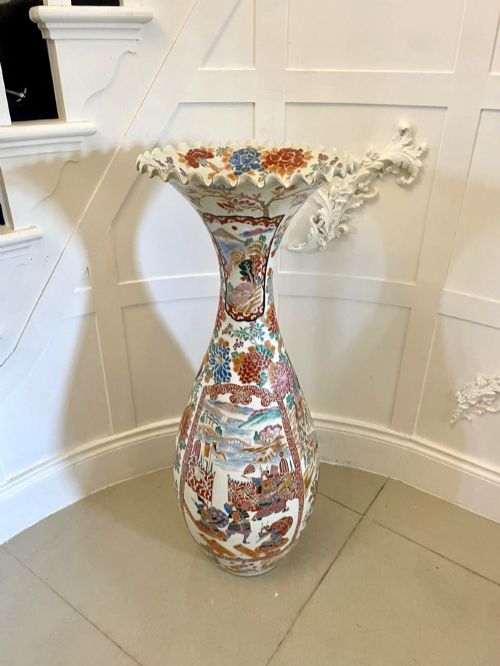
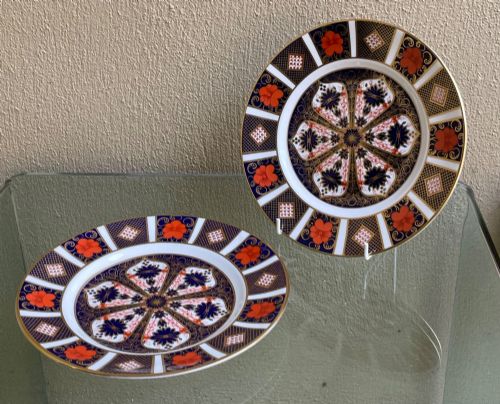
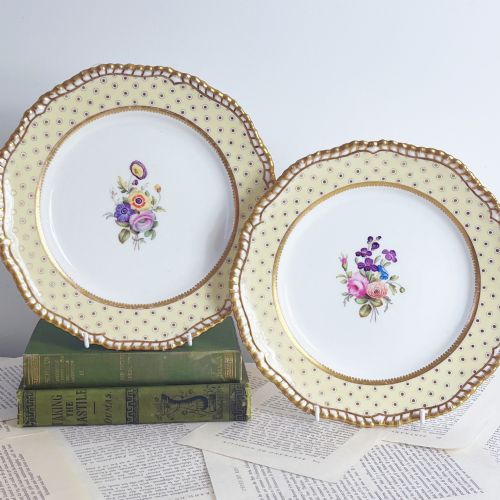
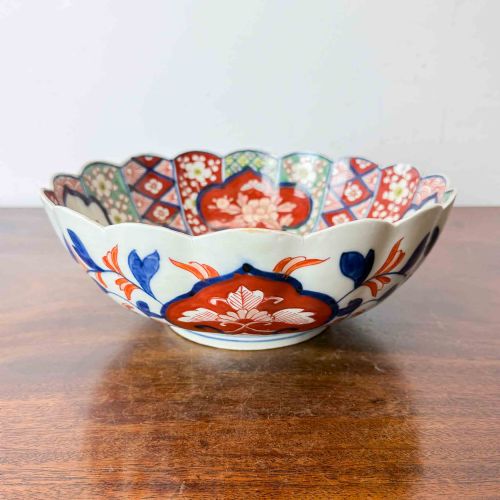
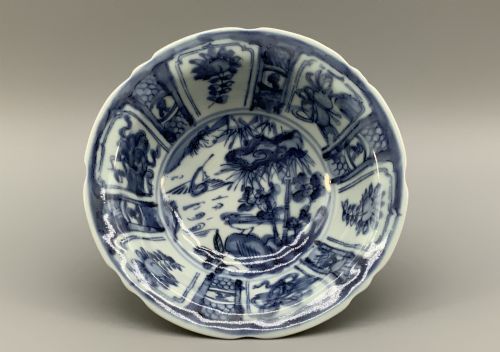
When you search for antique decorative porcelain, you encounter items made for display rather than utility, spanning cabinet plates, chargers, jardinieres and mantel clocks. The selection contains nineteenth-century English factories, French gilt bronze mounts, and East Asian imports from Japanese Imari to Chinese Canton and Kangxi periods.
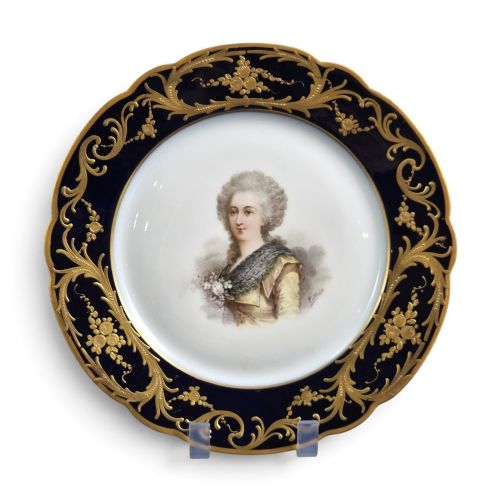
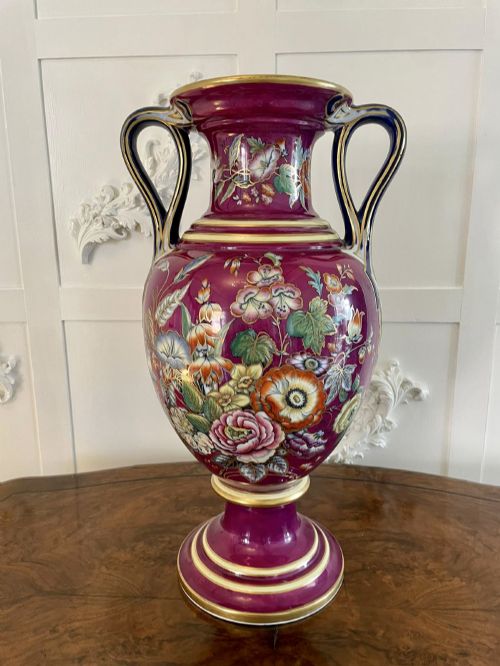
Most pieces you meet on this page originate from the nineteenth century, including Victorian services, Meissen parrots, and Sevres-style portrait plates. These objects range from cabinet cups and saucers to large floor-standing vases and wall brackets.
The category also encompasses eighteenth-century chargers, Regency bone china, and later Art Deco and Showa period items. Each object reflects the decorative tastes of its period, whether through hand-painted birds, blue and white porcelain, or pate sur pate panels.
How they were made
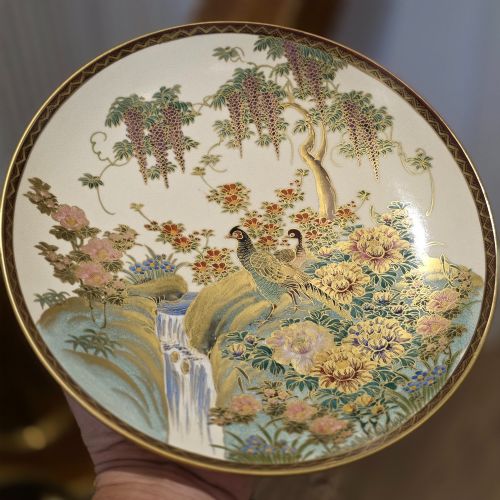
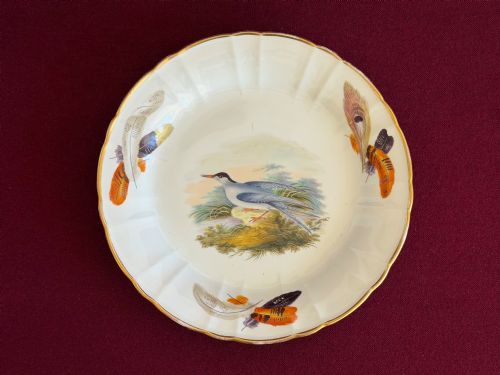
Potters shaped these objects from porcelain, bone china, and porcelaneous paste, often firing them to high temperatures before applying intricate enamel paints and glazes. Artisans then added gold leaf, gilding, and hand-painted details depicting birds, portraits, and floral motifs.
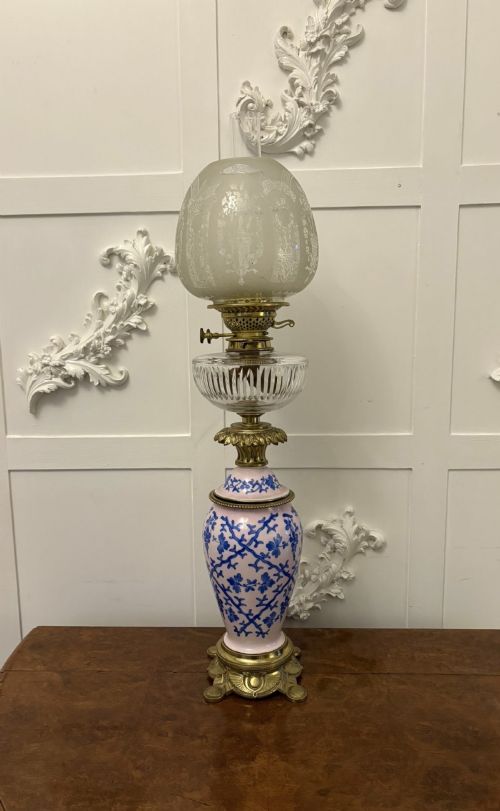
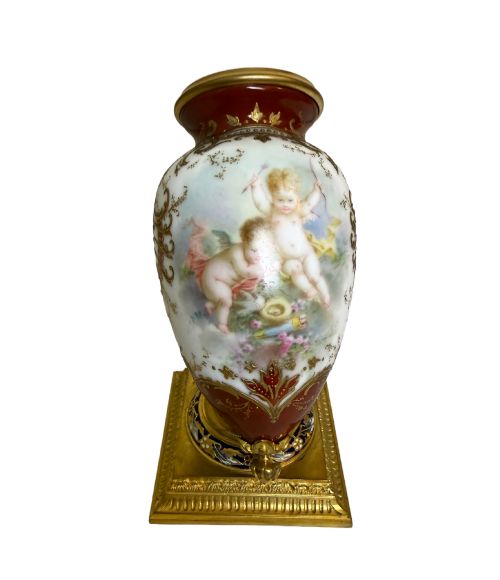
Many European pieces incorporate cast gilt bronze, also known as ormolu, which frames porcelain panels on clocks, vases, and urns. Other items utilise specialised techniques like pate sur pate, where layers of slip build up a raised cameo effect against a coloured ground.
Nineteenth-century porcelain birds include pairs of Meissen parrots perched rigidly, observing drawing rooms with unblinking ceramic focus.
What varies in quality
Quality rests upon the precision of the hand-painting, the crispness of the porcelain moulding, and the finesse of any gilt bronze mounts. Superior pieces display finely detailed brushwork on subjects like birds or portraits, alongside harmonious gilding that remains intact.
The weight, proportion, and structural integration of ormolu mounts separate standard factory output from exceptional studio or exhibition pieces. Makers who utilised superior porcelain bodies and employed master painters achieved greater depth of colour and definition in the finished glaze.
Royal Crown Derby·Spode·Flight Barr and Barr·Nymphenburg·Meissen·Henry Marc·Royal Worcester·Wedgwood·Coalport
The Antique Decorative Porcelain Glossary
- Imari
- A style of Japanese porcelain featuring a palette of underglaze blue, iron red, and gilt, originating from Arita and widely copied in Europe.
- Ormolu
- Gilt bronze mounts applied to furniture, clocks, and porcelain vessels during the eighteenth and nineteenth centuries.
- Pate sur pate
- A ceramic technique where successive layers of liquid clay are built up to create a low relief design on a contrasting background.
- Bone china
- A type of soft-paste porcelain containing bone ash, developed in England to create a whiter and more durable body.
- Charger
- A large decorative plate intended for display on a sideboard or wall rather than for use at the dining table.
Antique Decorative Porcelain: Frequently Asked Questions
How do I display decorative porcelain safely?
Place heavier items like floor-standing vases or ormolu-mounted clocks on stable, level surfaces away from heavy foot traffic. Cabinets with glass doors protect delicate painted surfaces and gilt details from dust and accidental knocks.
Ensure wall brackets and plates secured with hangers are anchored securely into wall studs. Keep porcelain away from direct sunlight to prevent the fading of enamel colours over time.
What is the difference between bone china and porcelain?
Porcelain is a hard, vitrified ceramic made from kaolin and petuntse, fired at high temperatures to create a dense body. Bone china incorporates animal bone ash into the mixture, which results in a slightly warmer tone and greater translucency.
Both materials served as canvases for nineteenth-century decorators, though bone china was predominantly developed and utilised by English factories.
How should I clean antique porcelain?
Dust pieces gently with a soft, dry brush or a microfiber cloth to remove everyday particle buildup. Avoid using commercial cleaning agents, abrasive sponges, or submerging pieces with metallic or ormolu mounts in water.
If washing is necessary for unmounted glazed items, use lukewarm water and mild soap, then dry thoroughly with a soft lint-free towel.
How do I identify the period of a porcelain piece?
Look for factory marks, pattern numbers, and registration stamps stamped or painted on the underside of the base. Stylistic cues, such as the neoclassical motifs of the Regency era or the vibrant enamels of Meiji period Imari, also indicate age.
Comparing the potting style, weight, and glaze characteristics against documented examples from specific factories helps narrow down the production decade.