
Antique Decorative Pedestals
Antique decorative pedestals elevate classical sculpture, grand tour bronzes, and ornamental vessels to centre stage in a room.
Antique Decorative Pedestals
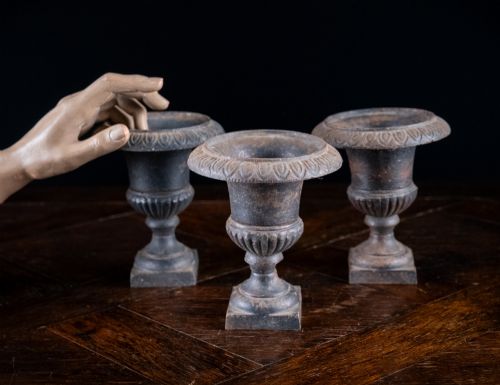
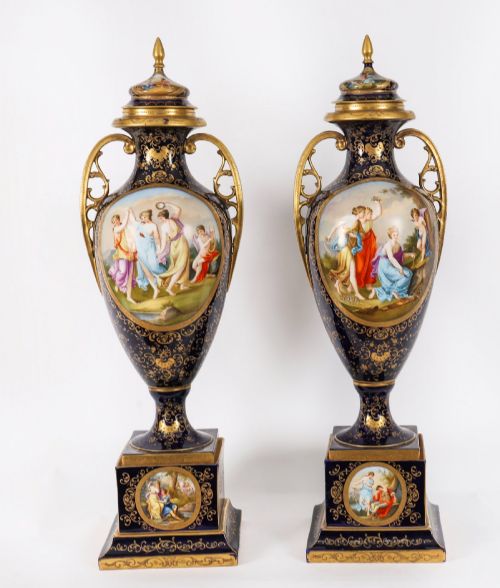
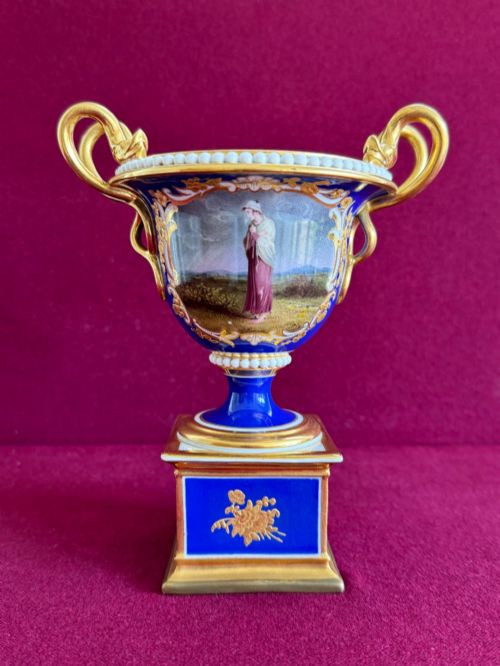
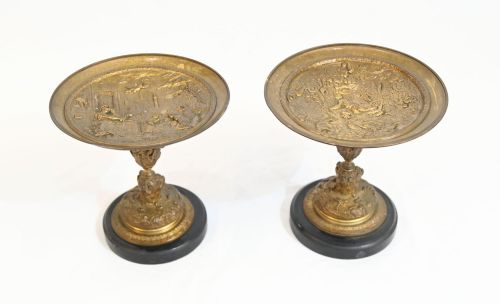
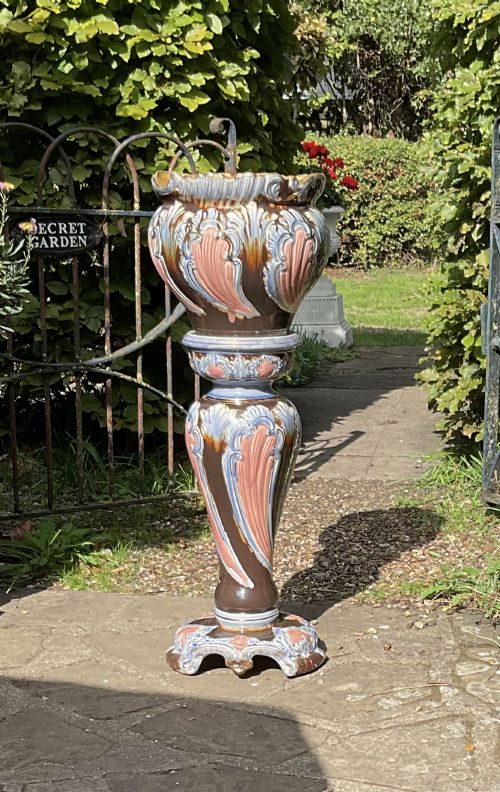
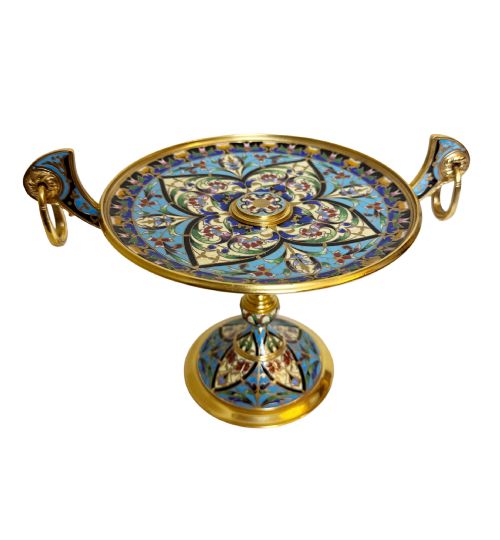
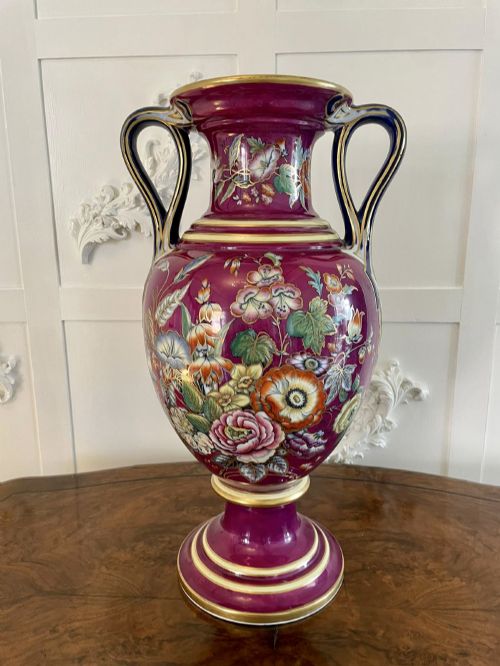
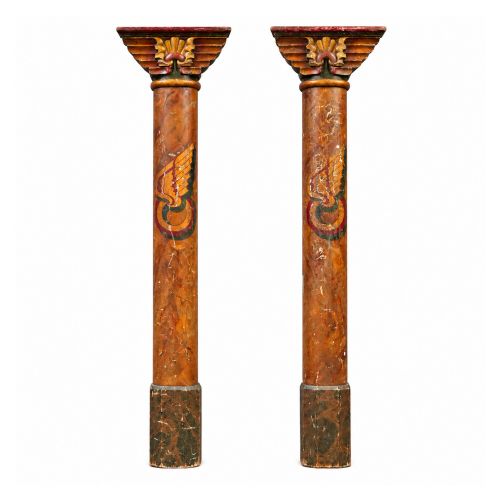
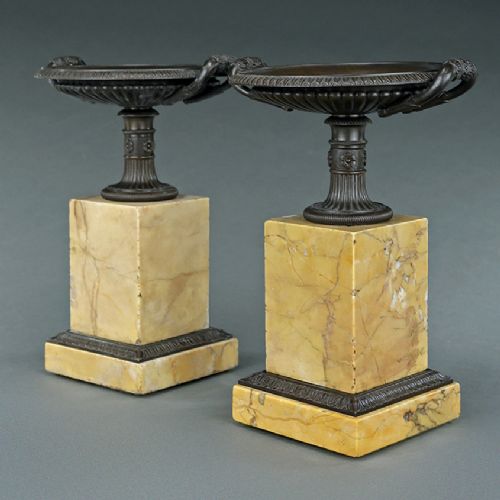
When searching for antique decorative pedestals, collectors encounter columnar supports, plinths, and torchieres designed to elevate objects of interest. These forms frequently intersect with related decorative items such as tazzas, campana urns, and jardinieres resting upon raised architectural bases.
The material vocabulary spans carved walnut and oak, brightly painted surfaces, and combination pieces pairing marble blocks with cast metal mounts. Victorian and nineteenth-century French examples dominate the selection, bringing neoclassical motifs and grand tour influences into domestic interiors.
Materials and construction methods
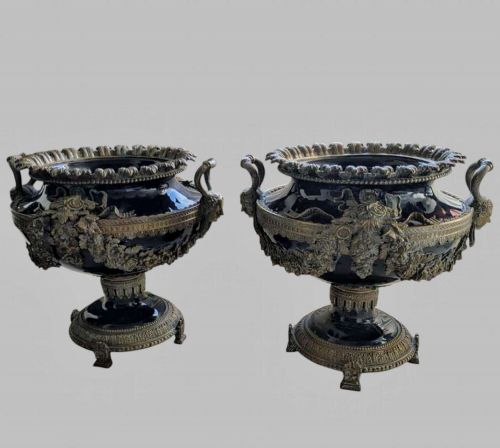
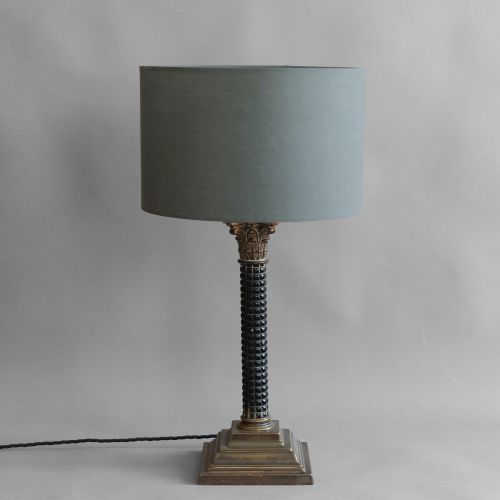
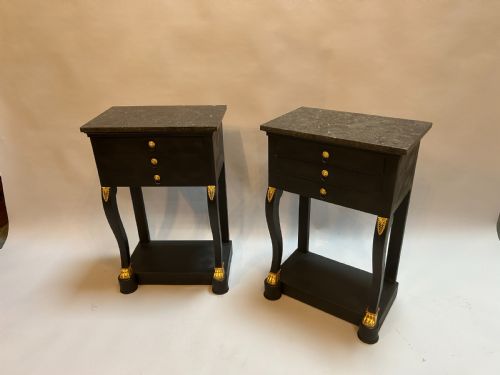
The construction of these pieces relies heavily on the marriage of heavy natural stone with cast and chased metals. Craftsmen utilised white, siena, and black marble alongside bronze, ormolu, and brass to achieve substantial weight and visual contrast.
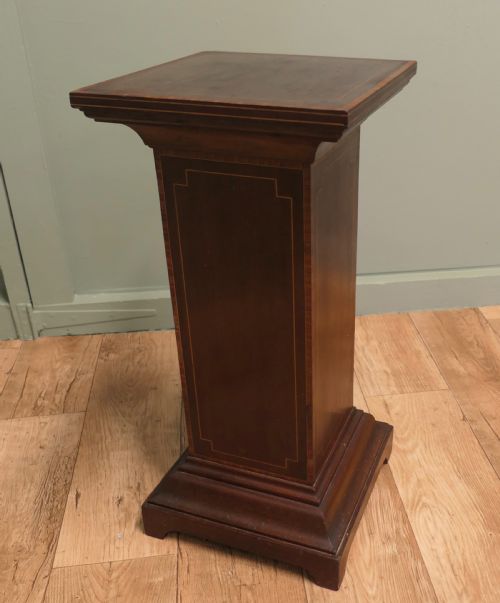
Timber examples display meticulous cabinetmaking, incorporating carved wood details, solomonic columns, and ebonised finishes. Stoneware and earthenware creations utilise ceramic moulding techniques, frequently finished with rich glaze or hand-painted ornamentation.
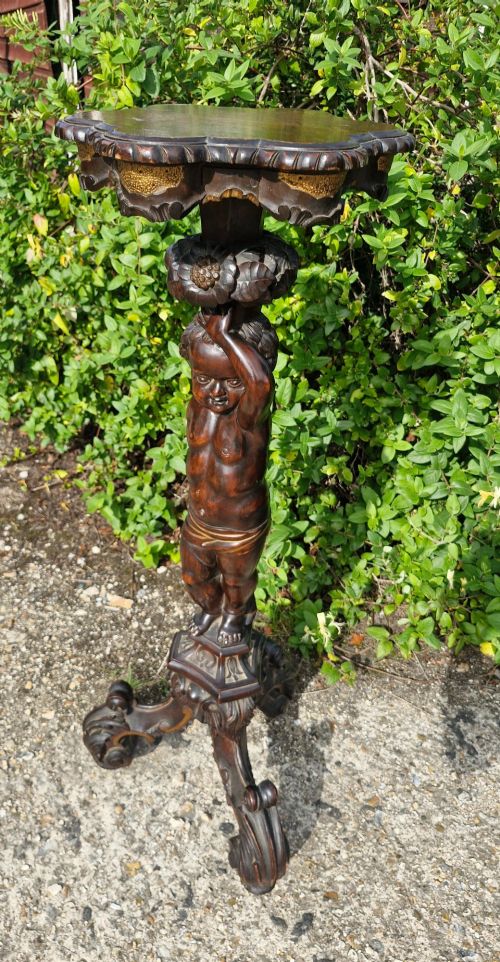
Carved wooden figures include cheerful blackamoor stands and exuberant fruit bowls supported by carved vines.
Distinguishing fine examples
Quality rests upon the crispness of the carving and the fidelity of metal chasing. Superior items display sharp acanthus leaves, well-defined figures, and tightly joined masonry that remains stable under heavy ornamental vases.
The selection of materials dictates the upper tier of production, where highly figured alabaster, genuine siena marble, and heavy fire-gilded bronze elevate a support from basic utility to high decorative art.
Jackson and Graham·Liberty and Co·Oliver Baker·Andrew Handyside·Helena Wolfsohn·Charles Boyton·Valentino Besarel
The Antique Decorative Pedestals Glossary
- Tazza
- A shallow bowl or cup mounted upon a stem and foot, frequently utilised as a decorative centrepiece.
- Campana
- A bell-shaped garden or table urn popular in neoclassical design, often mounted on a square plinth.
- Ormolu
- Finely ground high-carat gold applied to bronze metalware through a mercury amalgamation process, yielding a rich metallic lustre.
- Solomonic
- A helical or spiralling column shaft reminiscent of the architecture found in classical and baroque buildings.
- Torchiere
- A tall stand or pedestal originally designed to carry a torch or candle lamp, later adapted for plant pots and sculptures.
Antique Decorative Pedestals: Frequently Asked Questions
What were antique pedestals originally used for?
These supports served to elevate sculpture, lighting, and decorative vessels to eye level within formal reception rooms. They provided stable display platforms that commanded attention in nineteenth-century interiors.
Over time, homeowners repurposed them to hold indoor plants, floral arrangements, and heavy ceramic jardinieres. Their sturdy construction allowed them to bear significant weight safely.
How do I style a pedestal in a modern room?
Place a single tall column in an empty corner to add verticality and architectural interest to an open space. Crown it with a contrasting bronze urn, a modern glass bowl, or a trailing green plant.
Pair matching torcheres symmetrically on either side of a fireplace or doorway for a formal neoclassical arrangement. Keep the surface object proportional to the top platform to maintain visual balance.
How can I tell nineteenth century pieces apart?
Examine the materials and casting techniques, as nineteenth-century artisans frequently combined cast bronze with coloured Italian marbles. French examples often lean towards gilt bronze mounts and classical motifs influenced by the grand tour.
Victorian English items tend to utilise domestic timbers like oak and walnut, occasionally incorporating inlaid ivory or Wedgwood plaques. Look closely at tool marks and joint construction to confirm the period of manufacture.
Are marble top plant stands waterproof?
Solid marble tops naturally resist moisture from watering household plants, making them practical surfaces for indoor flora. However, unsealed stone can absorb standing water if left unattended for long periods.
Protect the stone surface by using appropriate saucers under plant pots to prevent mineral staining. Wipe spills promptly to preserve the polish of the marble.