

Antique Decorative Miniature
These antique decorative miniature pieces offer dense detail and fine craftsmanship in small formats spanning the 18th to the 20th century.
Antique Decorative Miniature
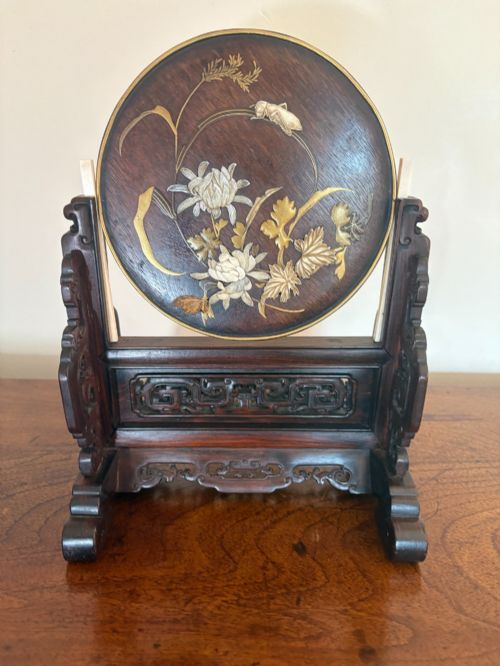
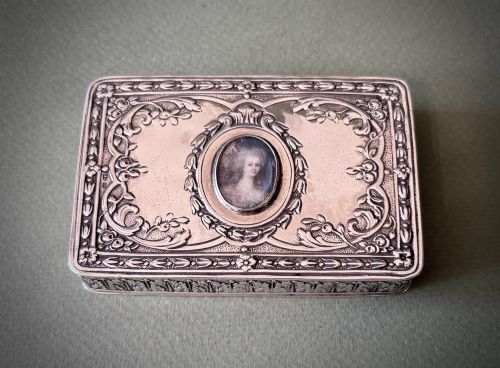
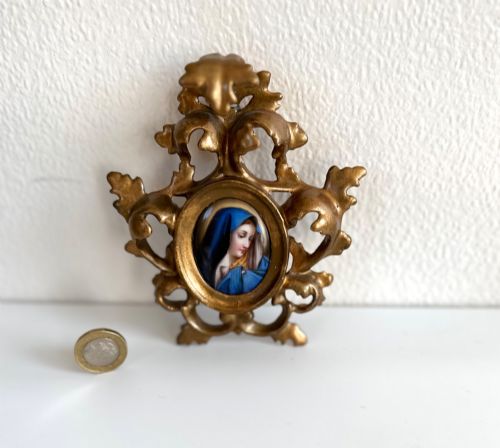
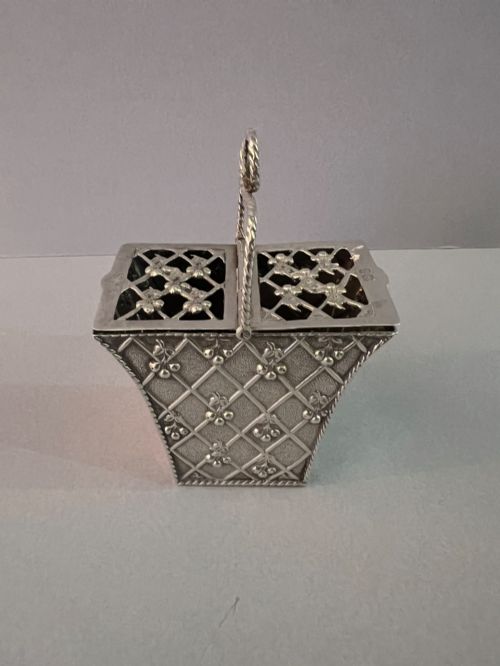
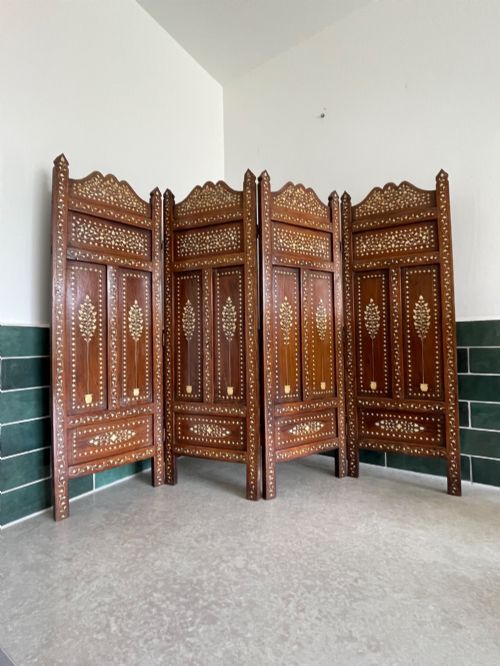
When searching for an antique decorative miniature, buyers encounter a diverse selection of small-scale items ranging from table screens and snuff boxes to diminutive vases and models.
The objects span periods from the 18th century through the Victorian era up to 1920, incorporating styles such as Meiji, Neoclassical, and Rococo Revival.
Materials represented on this page include enamel, brass, wood, gold leaf, glass, copper, porcelain, and cast iron.
How They Were Made
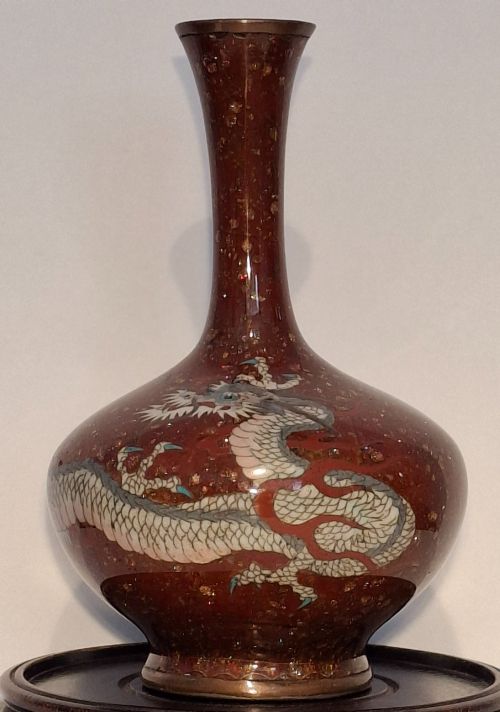
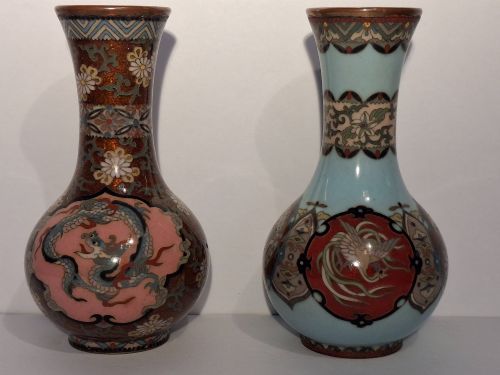
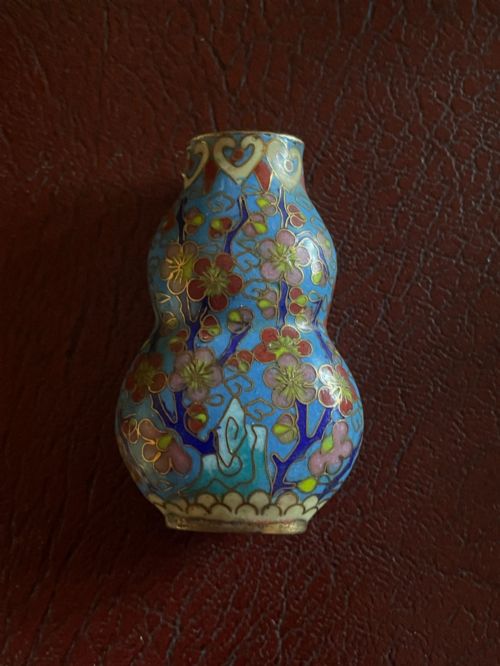
Maker techniques rely on meticulous handwork across diverse mediums, seen in cloisonné enamel on copper bases, hand-painted porcelain bodies, and carved wooden boxes or coffers.
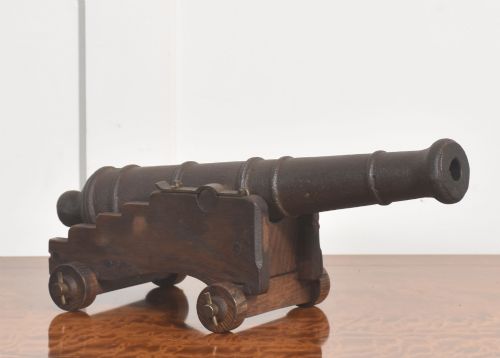
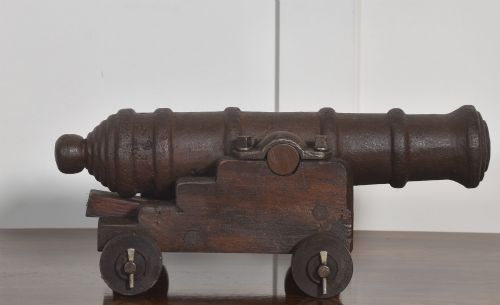
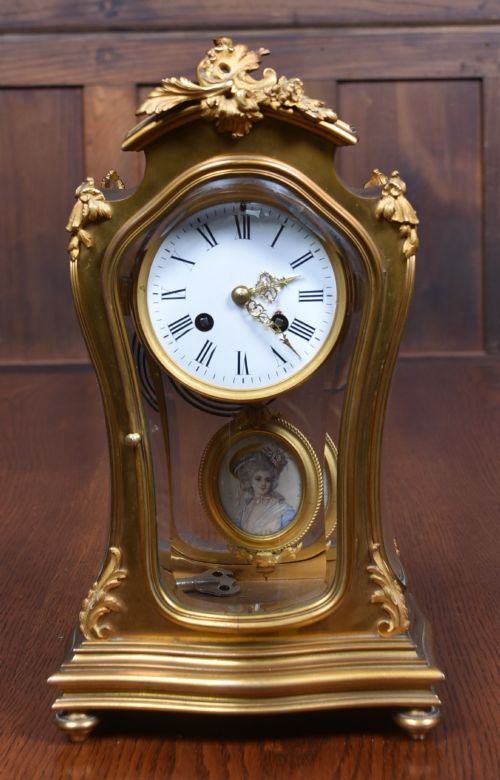
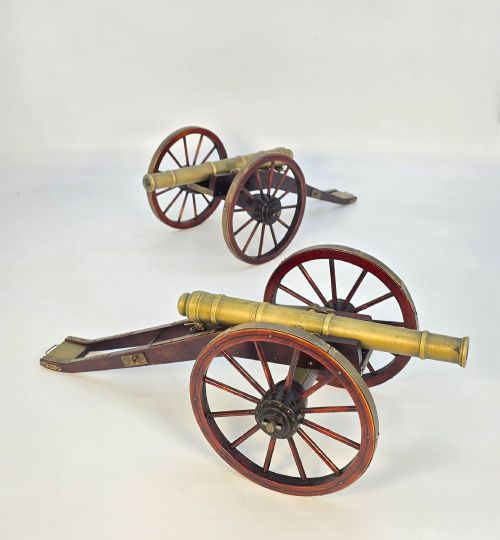
Metal items utilise casting and gilding methods, as demonstrated by gilt bronze reductions and cast iron signal cannons mounted on oak carriages.
Antique Decorative Miniature Retail Price Guide 2026
Typical asking prices for decorative miniature among the pieces listed under this phrase on Sellingantiques today, from the lower quarter to the upper quarter. They describe what is for sale here now, not the wider market.
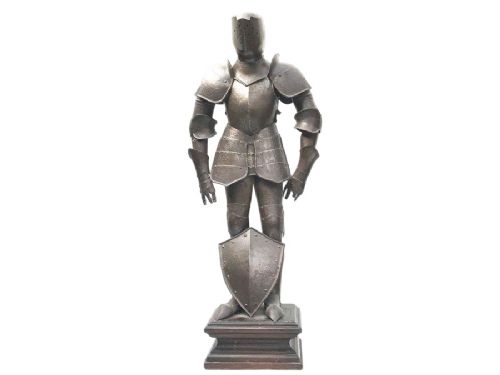
A half-sized full suit of armour stands ready for a very tiny knight.
What Varies in Quality
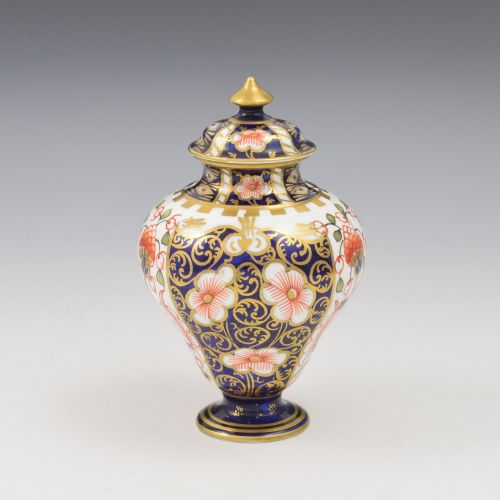
Quality rests upon the precision of the hand-painting and the crispness of the modelled detail, whether in facial expressions on miniature portraits or the fidelity of Japanese Satsuma and Imari decorative patterns.
Signatures from known makers and studios elevate pieces, distinguishing standard production items from masterworks.
Tsukamoto Hikokichi·Royal Crown Derby·Stevenson and Hancock·Doulton Lambeth
The Antique Decorative Miniature Glossary
- Cloisonne
- Enamelling technique where thin metal wires form compartments on a metal base to hold coloured pastes before firing.
- Satsuma
- Earthenware pottery originating from Japan, typically featuring a ivory crackle glaze decorated with detailed enamel and gilding.
- Champleve
- Enamelling method where troughs or cells are hollowed out of a metal surface to receive vitreous enamel.
- Imari
- Style of Japanese porcelain exported to Europe, characterised by a palette of underglaze blue, iron red, and gold.
- Grand Tour
- 19th-century travel tradition where wealthy individuals collected bronze reductions and souvenirs of classical monuments.
Antique Decorative Miniature: Frequently Asked Questions
How were miniature vases used?
Diminutive vessels served primarily as cabinet specimens and decorative accents in domestic interiors.
Their small size allowed collectors to display diverse ceramic styles within limited spaces.
How do I identify Meiji period items?
Meiji period works date from 1868 to 1912 and often display exceptional technical refinement in cloisonne, Satsuma ware, and bronze.
Many pieces bear artist signatures or workshop marks on the underside.
Where should I place miniatures at home?
Small objects fit well inside glass-fronted cabinets, on mantelpieces, or upon dedicated table screens where their fine details can be examined closely.
Protecting them from direct sunlight and heavy foot traffic keeps delicate enamel and gilding safe.