





Antique Decorative Jardiniere
An antique decorative jardiniere brings living flora indoors within a vessel shaped by Victorian and continental hands.
Antique Decorative Jardiniere
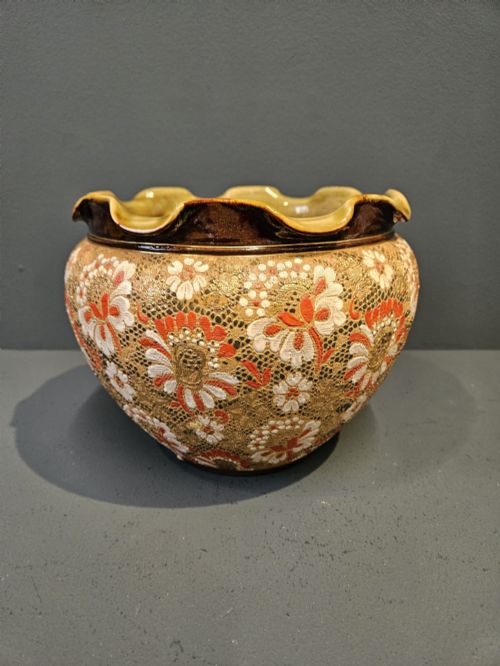
An antique decorative jardiniere sits at the intersection of horticulture and interior display, holding potted plants or standing as an independent centrepiece. The objects grouped under this search phrase span from small ceramic pots to substantial stands incorporating pedestals.
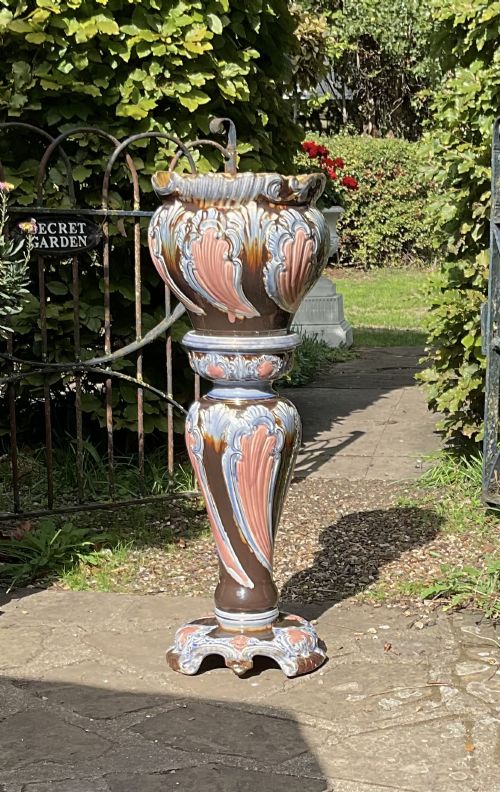
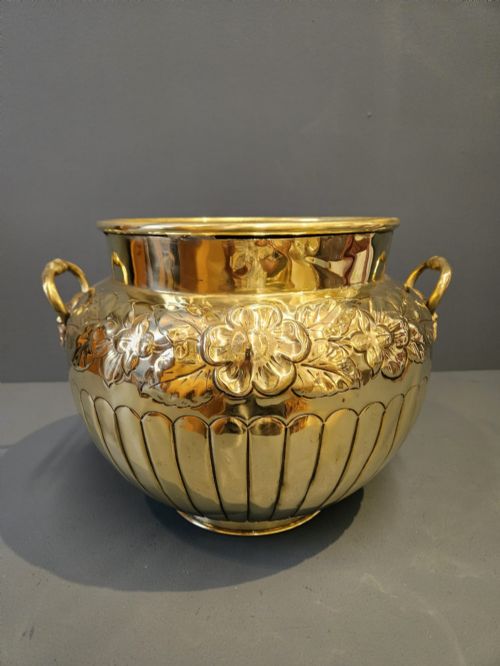
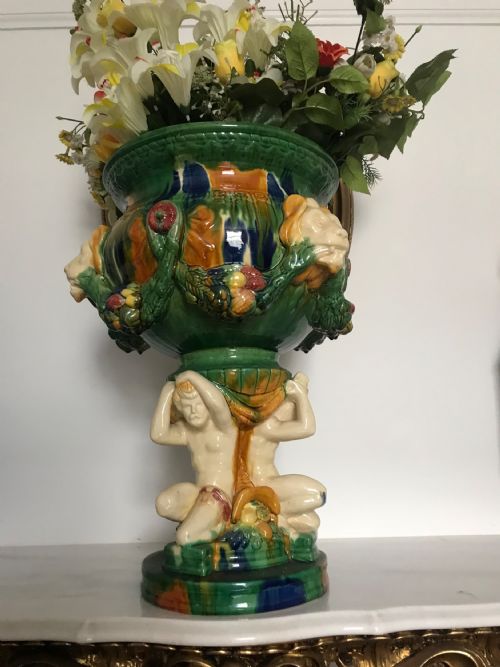
Most examples met here date from the nineteenth century into the early twentieth century, reflecting Victorian, Edwardian, and continental tastes. Forms range from cylindrical brass vessels to majolica ceramic planters resting on figural bases.
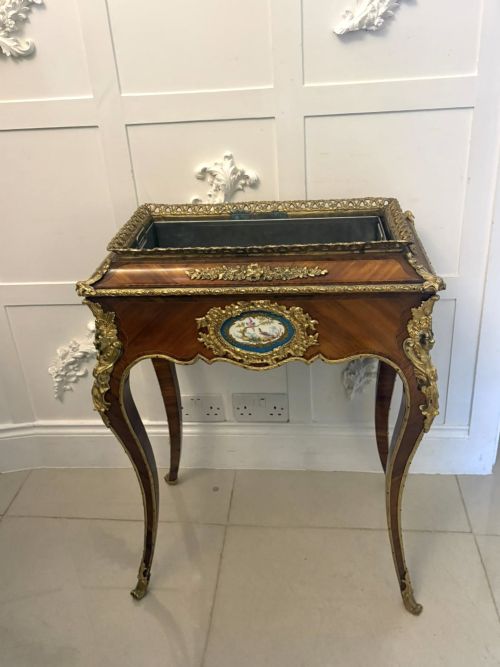
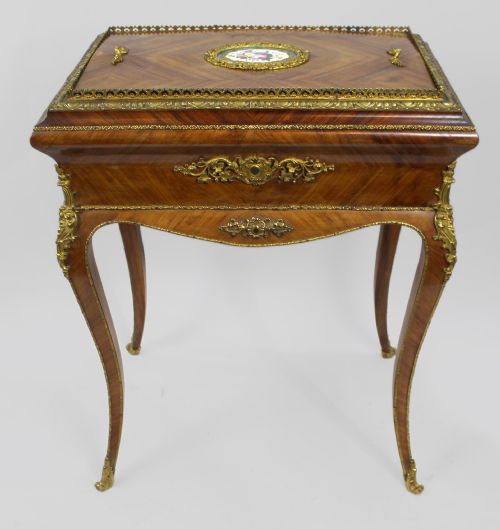
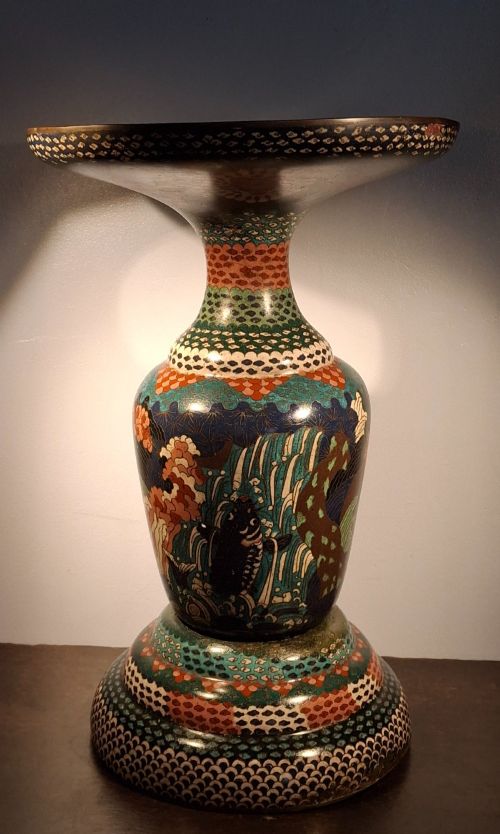
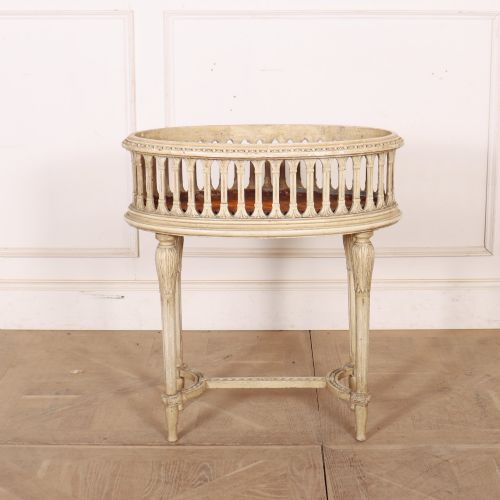
Origin points diverge widely across the selection, encompassing English potteries, French walnut and kingwood tables, Japanese cloisonne enamel, and Italian majolica. Buyers encounter floor-standing pedestals alongside tabletop bowls designed for formal rooms.
Materials and construction
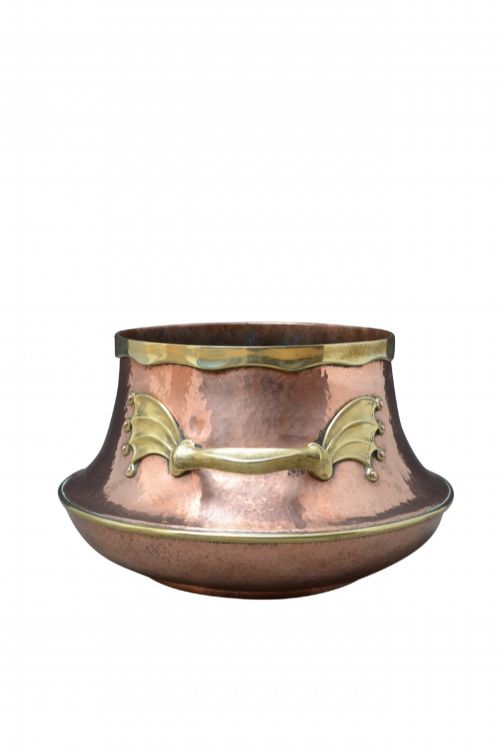
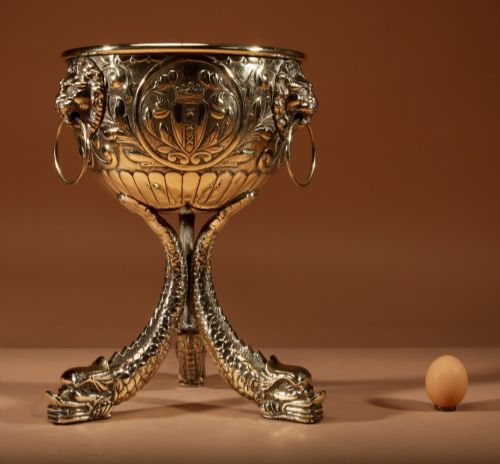
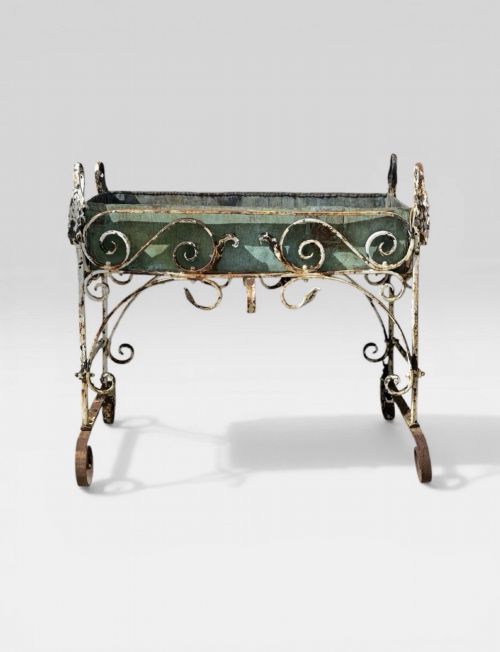
Makers utilised a diverse palette of metals, combining hammered copper, cast iron, pierced brass, and silver plate to build durable bodies. Wood versions employ inlaid kingwood, walnut, and carved giltwood, frequently incorporating ormolu mounts.
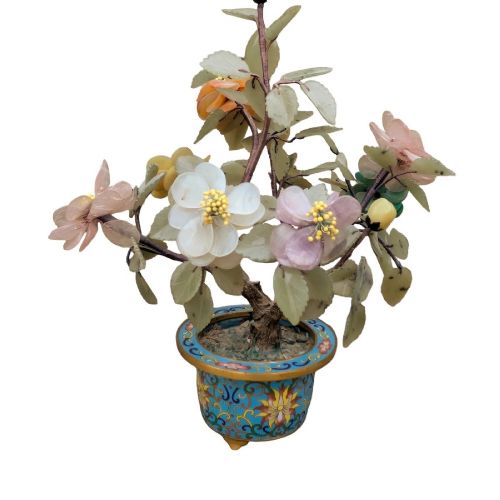
Ceramic and stoneware pieces rely on earthenware, glazed porcelain, and majolica fired with detailed hand-painting or moulded relief decoration. Specialised techniques such as dinanderie embossing and cloisonne enamel add textural depth to the metallic surfaces.
Antique Decorative Jardiniere Retail Price Guide 2026
Typical asking prices for decorative jardiniere among the pieces listed under this phrase on Sellingantiques today, from the lower quarter to the upper quarter. They describe what is for sale here now, not the wider market.
Shoppers can find cast iron planters shaped specifically as running shrimp.
Judging the execution
Differentiation in these pieces rests upon the crispness of the casting, the precision of wood inlays, and the handling of the ceramic glaze. Pieces bearing named artistic attribution or factory marks demonstrate superior studio execution.
Integrity of structural mounts and the preservation of original porcelain plaques or painted surfaces separate standard utilitarian vessels from high-status decorative furnishings.
Royal Doulton·Doulton Lambeth·Barr Flight And Barr·Makuzu Kozan·Royal Worcester·Burmantofts·Doulton Burslem
The Antique Decorative Jardiniere Glossary
- Jardiniere
- A large ornamental pot or stand designed to hold plants indoors. The term derives from the French word for gardener.
- Majolica
- A type of earthenware covered with an opaque tin-glaze and painted with bright colours. It gained immense popularity during the Victorian period for garden and interior vessels.
- Ormolu
- Gilded bronze mounts applied to furniture and decorative objects. French cabinet makers utilised these to accent exotic woods.
- Cloisonne
- Enamel work in which metal wire compartments hold coloured glass paste before firing. Japanese examples display this intricate technique.
- Dinanderie
- A medieval term revived for ornamental objects made of hammered brass, copper, or bronze. These vessels often feature embossed patterns.
Antique Decorative Jardiniere: Frequently Asked Questions
How were antique jardinieres used?
These vessels functioned primarily as indoor plant holders, protecting surfaces from water while displaying ferns and flowering plants in reception rooms.
Larger versions stood upon dedicated pedestals or floor stands in conservatories and hallways, while smaller bowls anchored dining table centrepieces.
Can I plant directly inside them?
Many historical vessels lack drainage holes because they were designed to receive a potted plant inside an internal liner.
Placing soil directly into unlined metal or porous ceramic pots risks moisture damage to the interior surfaces and seams over time.
How do I distinguish French styles?
French pieces frequently incorporate walnut, kingwood, or ormolu mounts reflecting Louis XV and Louis XVI revival aesthetics from the nineteenth century.
They often take the form of sophisticated side tables or delicate bronze centrepieces rather than heavy utilitarian stoneware.
What defines Arts and Crafts examples?
Arts and Crafts planters emphasise visible handcrafting, utilising hammered copper and brass with simple structural lines.
Decoration remains minimal compared to ornate Victorian ceramics, focusing instead on the honest treatment of base metals.