
Antique Decorative Hanging
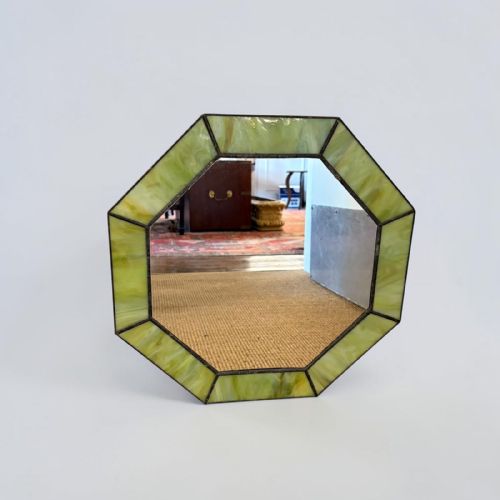
When you search for an antique decorative hanging, you encounter mirrors, plaques, and textiles that transform a room.
Antique Decorative Hanging
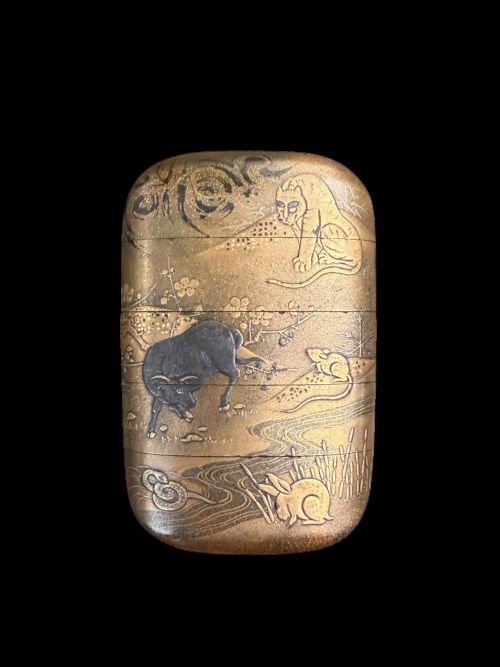
An antique decorative hanging encompasses a broad range of wall-mounted items designed to adorn domestic spaces across centuries of craftsmanship. When you examine this category, you find wall mirrors, carved plaques, architectural salvage, and woven tapestries.
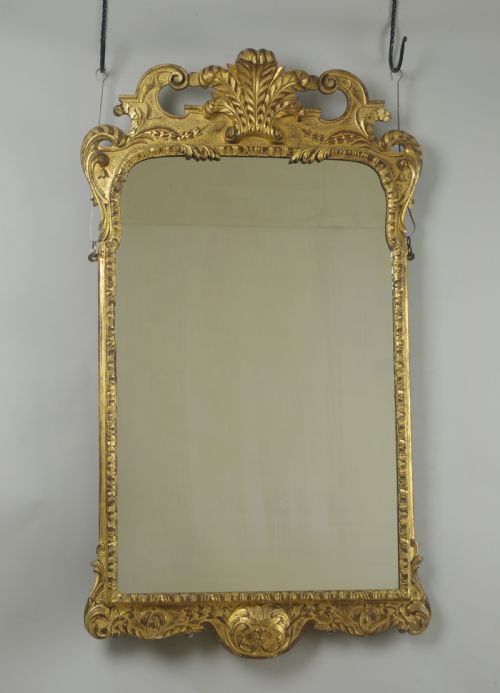
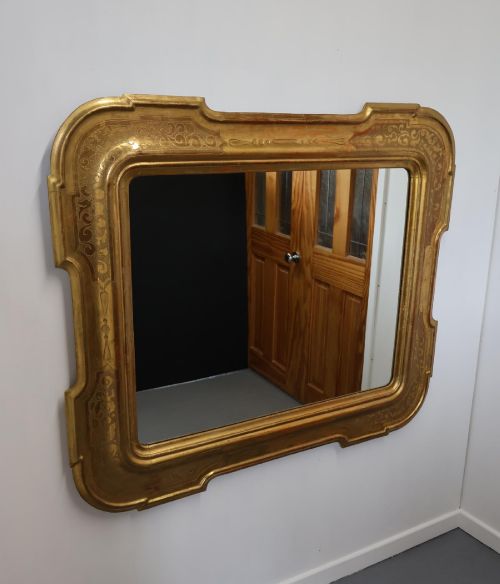
The selections span from the eighteenth century through the Edwardian era and the Art Deco period. You frequently encounter giltwood and carved wood mirrors alongside painted panels and textile wall hangings originating from English, French, and Italian workshops.
Victorian rosewood mirrors and eighteenth-century painted pine panels represent the diverse forms available within this grouping. Each piece served a distinct purpose in period interiors, shifting from functional glass to pure ornamentation.
Materials and Construction Techniques
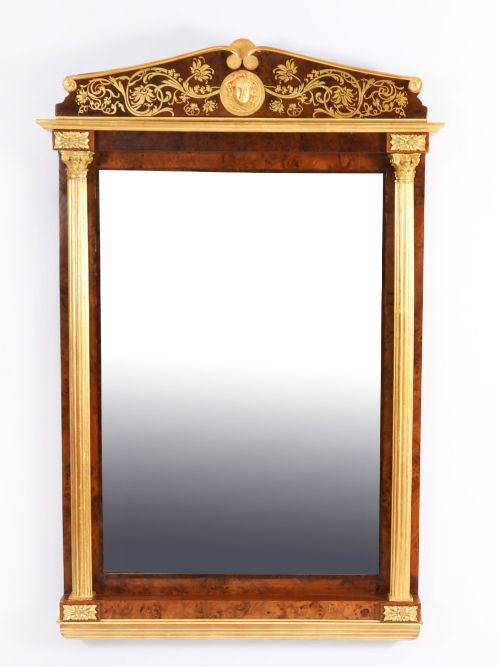
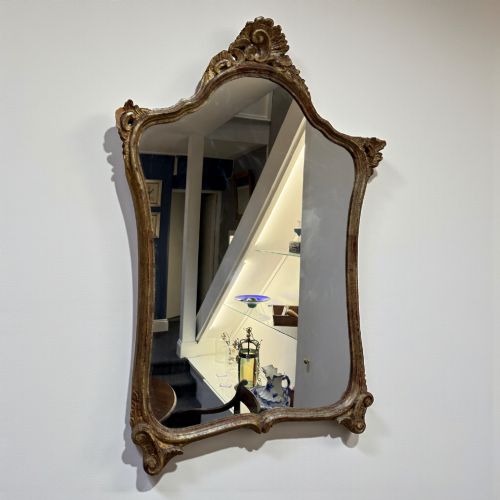
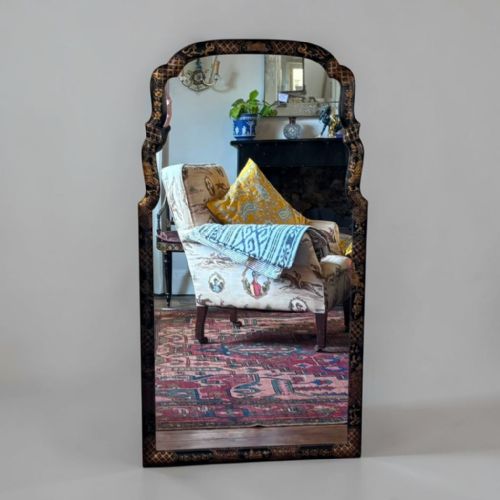
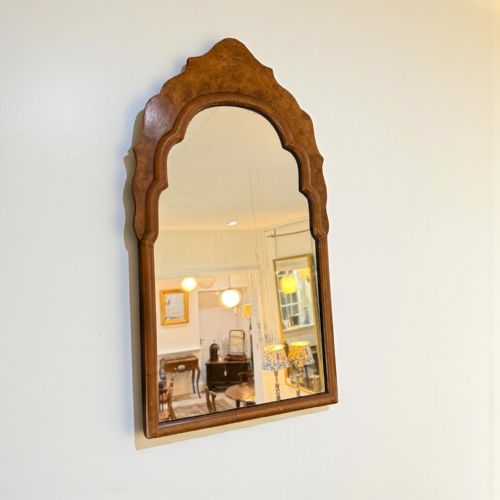
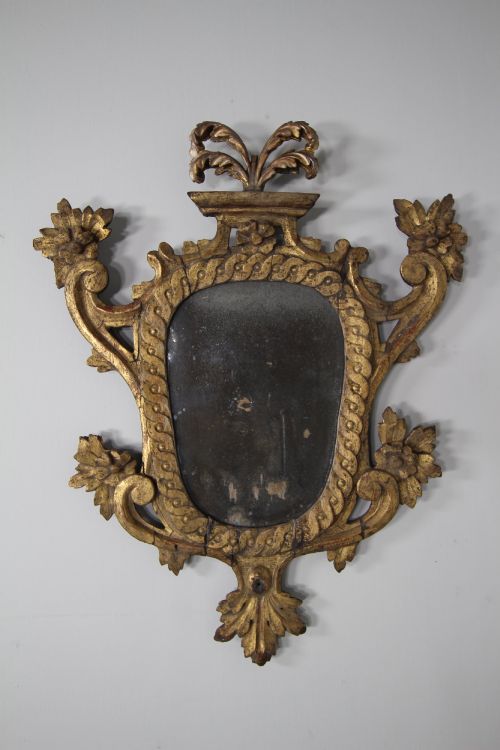
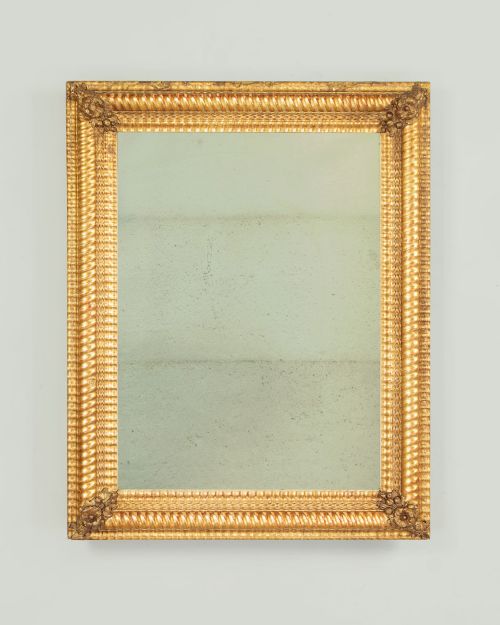
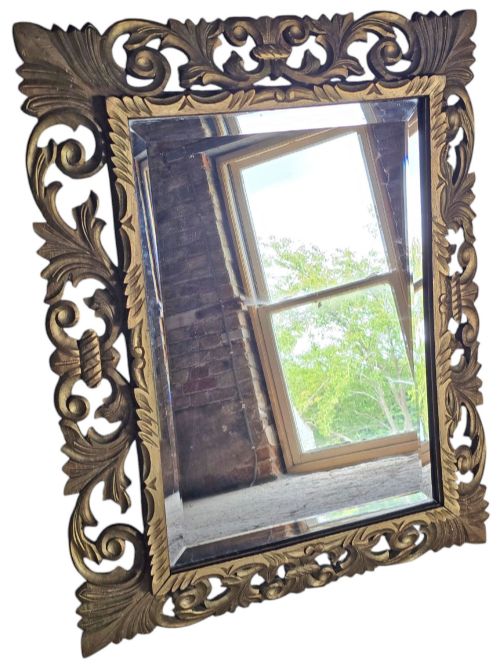
Maker's workshops relied heavily on timber frames finished with gesso and gold leaf to create luminous wall mirrors. Wood carvers shaped walnut, pine, and burr walnut, applying giltwood embellishments in styles from Rococo Revival to Chinoiserie.
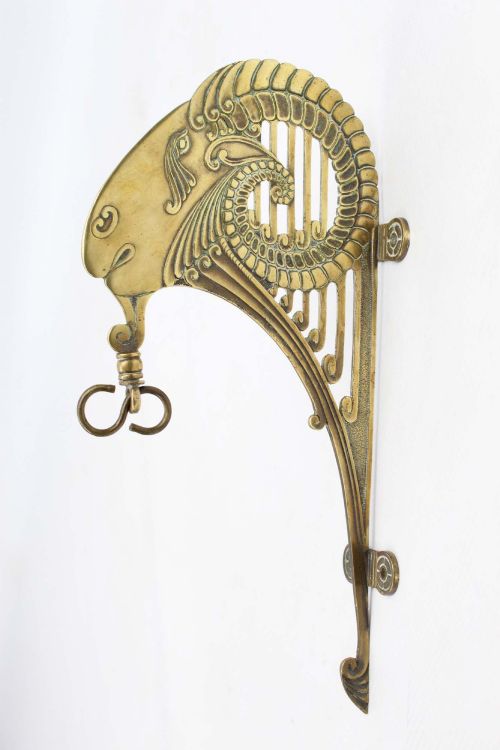
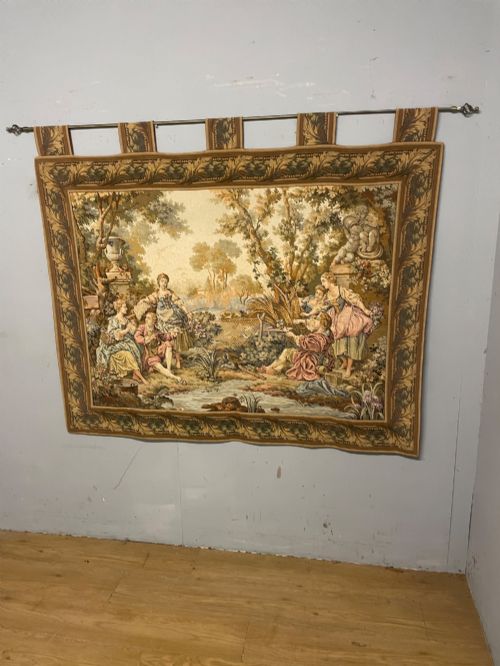
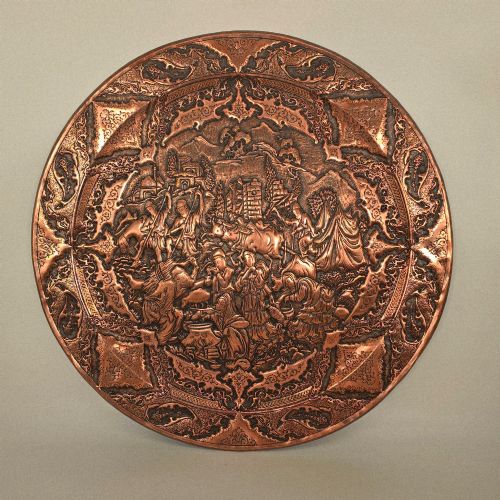
Textile panels utilise crewelwork embroidery on wool fabrics, employing needlework techniques passed down through generations. Metal items incorporate brass, copper, and wrought iron shaped through repousse work and casting.
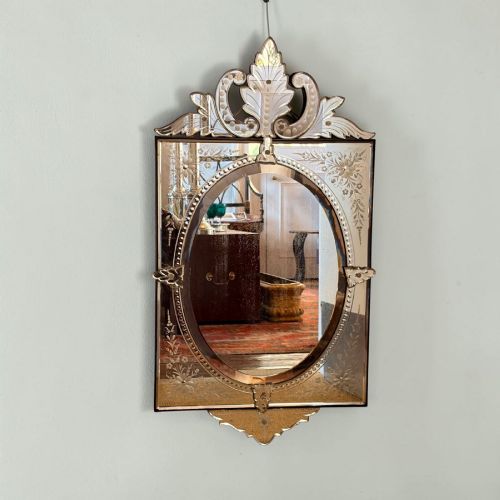
Glass plates feature in Venetian and French mirrors, often paired with hand-painted details or engraved surfaces. Ceramic plaques from makers such as Mettlach and Copeland demonstrate detailed polychrome painting on pottery.
Several mirrors include secret wooden backing boards that occasionally harbour centuries-old trade labels from forgotten provincial framers.
Assessing Craftsmanship and Condition
The distinction between standard items and superior pieces rests on the depth and precision of the hand-carved ornamentation. Finer mirrors and panels display crisp detailing in the gesso and gold leaf, whereas lesser examples show softer, more generalised moulding.
The integrity of the original materials dictates the standing of a textile or wooden hanging. Intricate crewelwork with tight, well-preserved wool threads commands attention compared to heavily restored or faded fabrics.
Original glass plates in antique mirrors carry subtle imperfections and foxing that denote age, aligning with authentic period manufacture. The harmony between the decorative frame and the mounted element determines overall aesthetic success.
Raymond Subes·Mettlach·Copeland
The Antique Decorative Hanging Glossary
- Giltwood
- Wood that has been coated with a thin layer of gold leaf or gold paint. This technique created bright, reflective surfaces popular in eighteenth and nineteenth-century mirror frames.
- Repousse
- A metalworking method in which the maker hammers metal from the reverse side to form a raised design on the front. This technique appears on copper chargers and decorative plaques.
- Crewelwork
- A type of embroidery utilising wool yarn on a fabric foundation such as linen or twill. Historic panels often depict elaborate floral or figurative scenes executed in this stitch.
- Faience
- Tin-glazed earthenware produced in European potteries, particularly in France and England. These dishes and plaques display colourful painted designs over a white glaze.
- Gesso
- A plaster mixture applied to wood surfaces to create a smooth base for gilding or painting. Carvers moulded this substance into intricate relief scrolls and decorative masks.
Antique Decorative Hanging: Frequently Asked Questions
How do I hang heavy wall mirrors safely?
Heavy giltwood and rosewood mirrors require robust fixings attached directly to wall studs or masonry anchors. You should assess the weight distribution across the wooden frame before selecting appropriate brackets.
Professional mirror hangers often utilise mirror plates screwed into the structural timber of the back frame to distribute tension evenly.
How should I clean antique textile wall hangings?
Historic textiles like crewelwork panels and tapestries need gentle vacuuming through a mesh screen to remove surface dust without pulling fragile wool threads. You must avoid harsh commercial cleaning agents and excessive moisture.
Professional textile conservators should handle deep cleaning or structural repairs to prevent fibre degradation.
How do I identify a Victorian mirror from an earlier piece?
Victorian mirrors often feature darker rosewood or walnut timbers with heavy inlaid decoration, reflecting the eclectic revival styles of the nineteenth century. Examining the construction joints and the backing boards reveals clues to the manufacturing date.
Earlier eighteenth-century pieces typically display lighter pine or carved giltwood with more pronounced Rococo asymmetry.
Where were decorative plaques displayed in period homes?
Ceramic and painted wall plaques frequently hung in principal reception rooms to showcase artistic taste and cultural pursuits. Domestic interiors of the eighteenth and nineteenth centuries utilised these items to punctuate panelled or wallpapered walls.
Arranging pairs or sets created balanced focal points above mantelpieces or along hallway corridors.