





Antique Decorative Fruit
Antique decorative fruit pieces bring modelled porcelain, painted porcelain and metalwork into domestic settings as centrepieces, cabinet plates and display bowls.
Antique Decorative Fruit
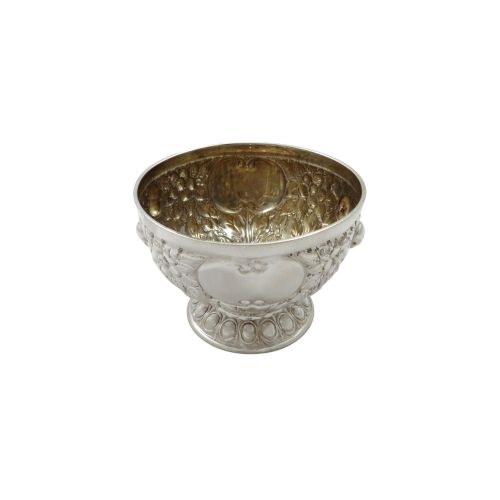
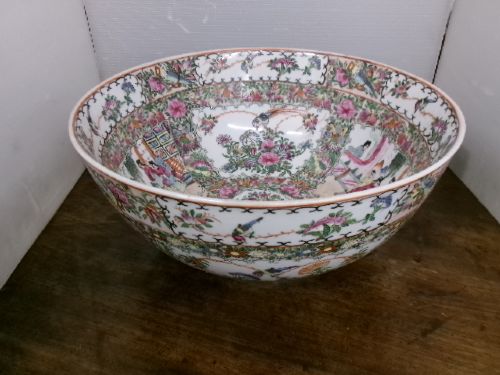
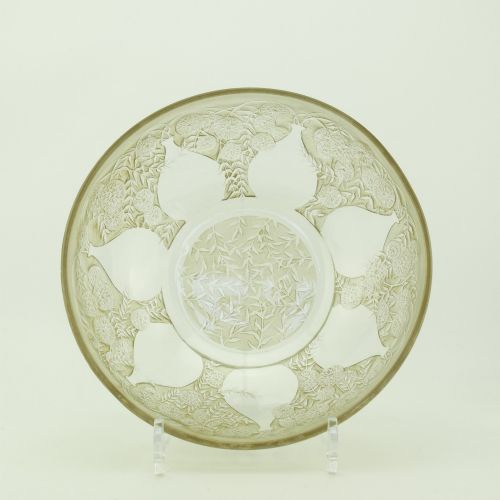
When you search for antique decorative fruit, you encounter items designed to display botanical subjects or serve as centrepieces for dining tables and cabinets. The pieces on this page span the nineteenth century, the Edwardian era, the Art Deco period and mid-century decades, taking forms such as cabinet plates, footed bowls, tazzas and centrepiece bowls.
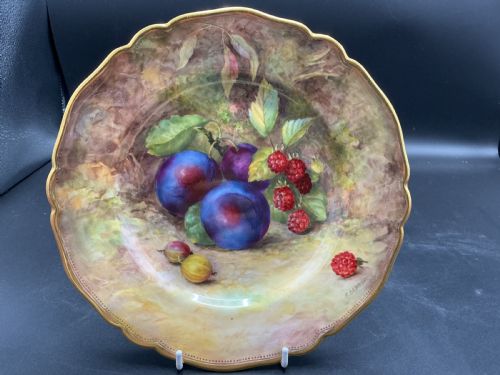
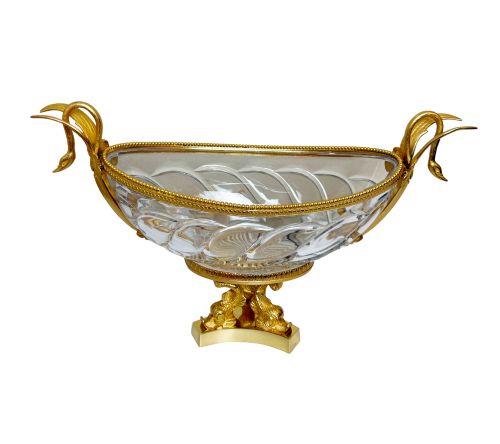
Porcelain cabinet plates painted with fruit by known artists form a distinct group alongside majolica bowls, carved wood fruit bowls and glass pedestals mounted in gilt bronze. These items reflect changing domestic tastes from Victorian exuberance and French nineteenth-century neoclassical revival through to Arts and Crafts pewter and mid-century porcelain.
How they were made
Makers shaped porcelain, earthenware and bone china on the wheel or in moulds before applying hand-painted botanical studies and firing the pieces in kilns. Porcelain plates from factories like Royal Worcester often received multiple firings to fix delicate painted fruit scenes signed by artists.
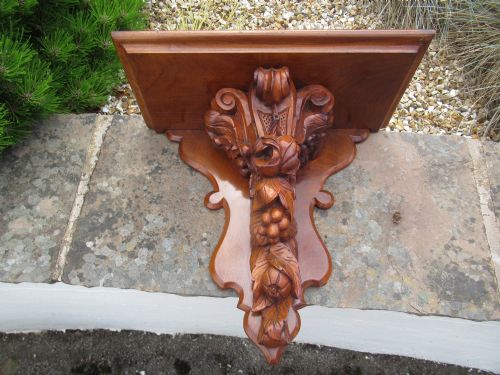
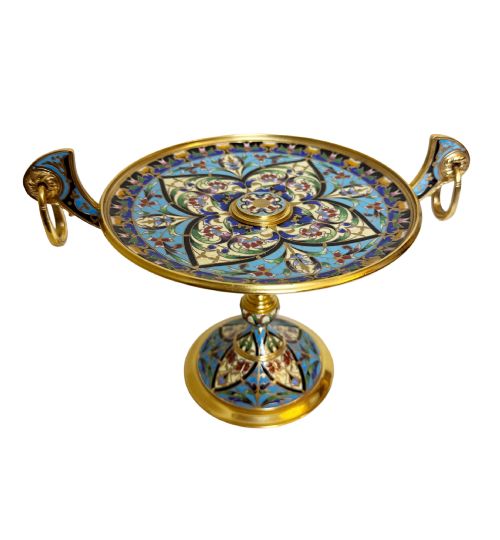
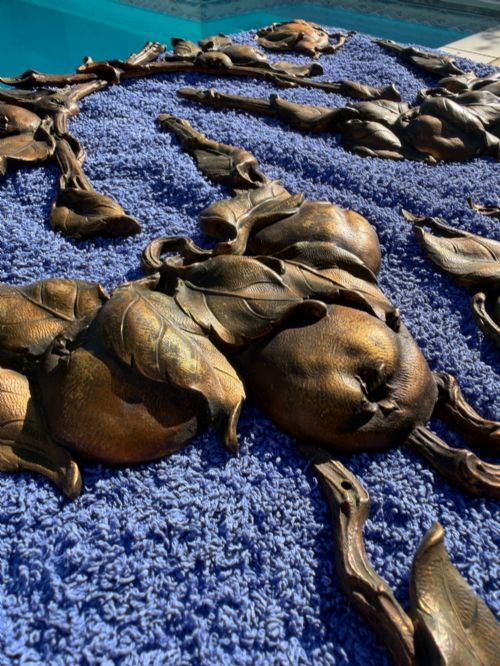
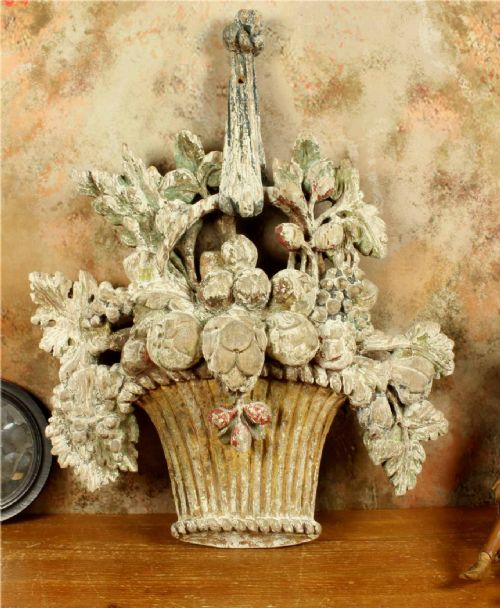
Metalwork pieces combine cast gilt bronze, ormolu, brass and sterling silver with cut glass or crystal inserts, utilising champleve enamel and gold leaf for decorative surface detail. Wood items employ carved oak or pine to form decorative wall brackets and fruit bowls with fruiting vine motifs.
Antique Decorative Fruit Retail Price Guide 2026
Typical asking prices for decorative fruit among the pieces listed under this phrase on Sellingantiques today, from the lower quarter to the upper quarter. They describe what is for sale here now, not the wider market.
Even metal grape shears appear here, ready to assist Victorian diners with their dessert.
What varies in quality
The standard of a painted fruit piece depends upon the precision of the brushwork and the reputation of the artist whose signature appears on the front. Hand-painted cabinet plates by documented painters display greater depth of colour and fine detail than standard factory transfer-printed wares.
Construction quality in metal and glass centrepieces rests on the weight of the gilt bronze or sterling silver mount, the clarity of the cut crystal insert and the crispness of the cast mounts. Solid silver bowls and heavy bronze frames indicate higher manufacturing costs than plated alternatives.
Minton·Poix Blin·Rene Lalique·Royal Crown Derby·Royal Worcester·Royal Doulton·Charles Boyton·Liberty and Co·Oliver Baker·Albert Shuck·Richard Sebright·Brian Leaman·David Dewsberry
The Antique Decorative Fruit Glossary
- Cabinet plate
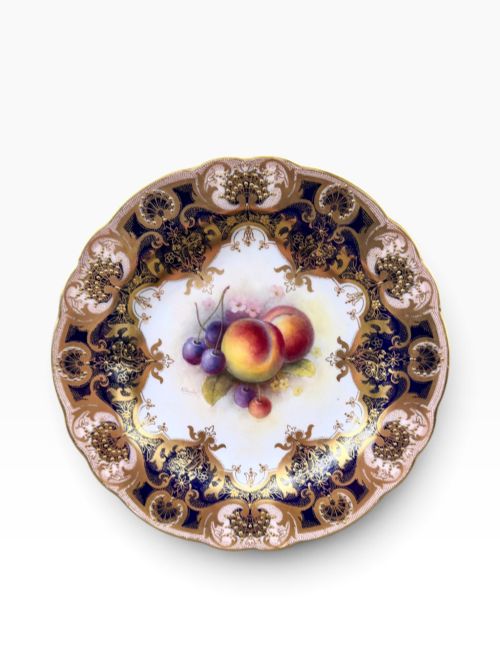
- A decorative ceramic plate intended for display in a cabinet or on a wall rather than for everyday dining use. These often feature hand-painted fruit or botanical studies.
- Tazza
- An ornamental shallow bowl or cup mounted on a stem and foot, used historically for serving fruit or sweets or as a decorative centrepiece on a table.
- Majolica
- A type of earthenware coated with an opaque tin glaze and painted with brightly coloured metallic oxides, popular during the Victorian period for figurative and botanical vessels.
- Ormolu
- Gilding technique of applying finely ground high-carat gold to an object of bronze, used extensively for decorative mounts on nineteenth-century French centrepieces.
- Centrepiece
- A large decorative object placed in the middle of a dining table or sideboard, commonly taking the form of a silver bowl, pedestal glass dish or ceramic tazza.
Antique Decorative Fruit: Frequently Asked Questions
What is an antique fruit plate?
An antique fruit plate is a ceramic dish painted with botanical subjects, typically produced in sets for display in cabinets or on sideboards during the Victorian and Edwardian eras.
These pieces often feature detailed hand-painted studies of apples, pears and berries surrounded by gilded borders.
How were centrepiece bowls used?
Centrepiece bowls served as ornamental focal points on dining tables, sideboards and entrance halls during the nineteenth and twentieth centuries.
Depending on the material, they held fresh fruit, flowers or functioned purely as decorative objects to catch the light.
How do I identify Royal Worcester fruit porcelain?
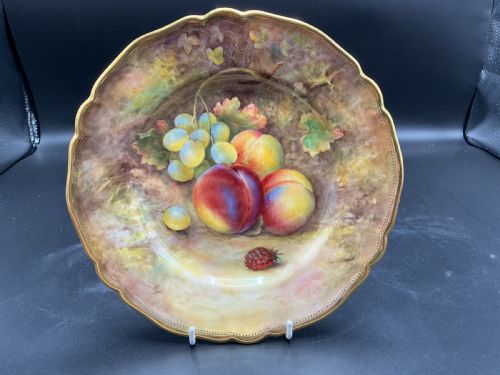
Royal Worcester fruit pieces usually feature hand-painted depictions of apples, peaches and grapes against a soft background, often signed by studio artists such as Albert Shuck or Richard Sebright.
Factory date marks on the underside help establish the precise year of manufacture.
What is gilt bronze?
Gilt bronze, or ormolu, is a bronze object treated with a fine layer of gold to give a rich metallic sheen that resists tarnishing.
It appears frequently on nineteenth-century French table pieces, supporting glass bowls and crystal inserts.