



Antique Decorative Carpet
An antique decorative carpet anchors a room with saturated vegetable dyes and the distinct hand of a village weaver.
Antique Decorative Carpet
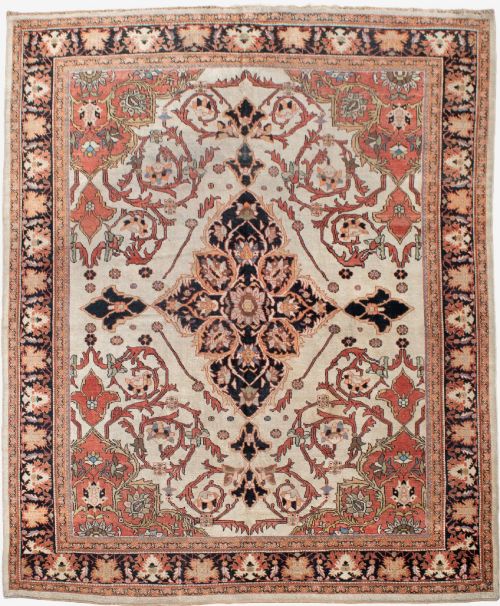
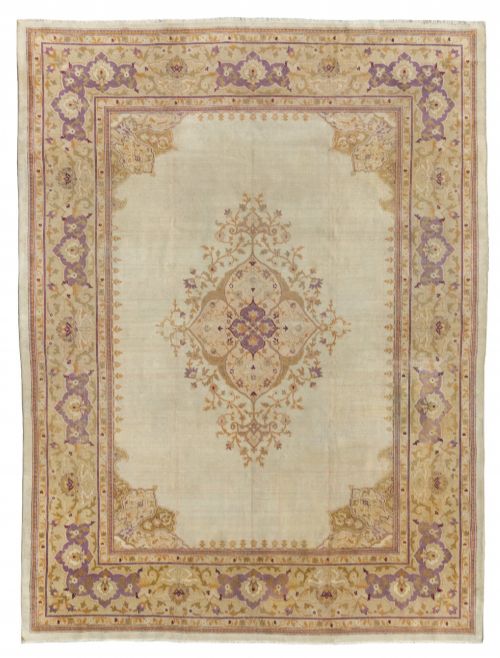
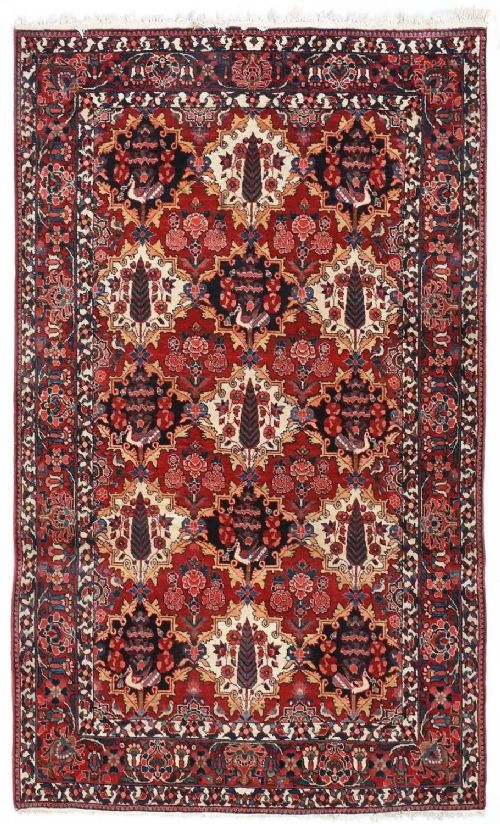
When you search for an antique decorative carpet, you are looking at large-scale woven floor coverings originating primarily from Persian, Ottoman, and Turkmen traditions. These pieces span from the mid-nineteenth century through the 1930s, encompassing regional village and workshop productions like Heriz, Mahal, Ushak, and Ziegler. You will frequently encounter large format room-size carpets alongside smaller tribal rugs, kilims, and torbas.
The aesthetic of an antique decorative carpet relies on traditional motifs, ranging from formal floral medallions to geometric tribal fields and prayer designs. Most specimens represent established weaving centres or nomadic groups, including Bakhtiar, Farahan, Sarouk, and Bessarabian workshops. Their utility bridges centuries of interior design, moving easily from traditional drawing rooms to modern spaces.
How they were made
The construction of an antique decorative carpet typically relies on a foundation of hand-spun wool or cotton, knotted densely by hand. Artisans utilised natural dyes derived from plants and insects, producing rich abrash and varied colour saturation across the wool pile. Certain nomadic pieces also incorporate goat hair for added structural durability along the selvages.
Weavers worked from memory or traditional cartoons, knotting wool or cotton yarn onto warp and weft threads before washing the finished textile to soften the palette. Flatwoven examples such as Bessarabian kilims and Turkmen tent bands involved distinct tapestry or supplementary weft techniques. The choice of materials dictated both the weight of the rug and the crispness of the geometric or floral design.
Listings feature Persian, Ottoman, and Turkmen traditions alongside Bessarabian and Chinese Art Deco styles, spanning the nineteenth and early twentieth centuries.
What varies in quality
The quality of an antique decorative carpet rests primarily on the purity of its natural dyes and the integrity of its wool. Pieces woven with high-grade, hand-spun wool hold a superior lustre and age with greater depth of colour than later chemically dyed equivalents. Knot density also plays a role, though coarser tribal pieces often trade fine detail for bold, graphic impact.
Proportion and design execution further separate standard examples from finer works. A well-drawn border that maintains its geometry without awkward compression indicates a master weaver at the loom. Conservation history also shapes standing, as period repairs executed with matching materials preserve the structural balance of the textile.
The Antique Decorative Carpet Glossary
- Abrash
- A natural variation of colour within a field of dye, caused by changes in batches of wool or dye baths. This tonal shift is a mark of authenticity in hand-knotted textiles.
- Torba
- A small Turkmen wall-hanging bag or storage sack featuring characteristic gul motifs and detailed end finishes. They were traditionally used inside nomadic tents.
- Kilim
- A flatwoven textile made without a pile, produced across Eastern Europe, Anatolia, and the Caucasus. These rugs utilise slit-weave techniques to create sharp geometric patterns.
- Kelleh
- A long, narrow format carpet traditionally designed for the side or end of a Persian room. Their elongated proportions suit specific architectural layouts.
- Warp
- The vertical foundation threads stretched tightly on the loom before knotting begins. The fringe of a carpet typically consists of the exposed ends of these threads.
Antique Decorative Carpet: Frequently Asked Questions
How do I clean an antique carpet?
Professional dusting and gentle hand washing by a specialist in antique textiles remains the safest maintenance method. Household cleaning agents will strip natural lanolin from the wool.
Vacuuming should be done gently with suction only, avoiding any rotating beater bars that catch old foundation threads and fringe.
Can I place these carpets in high traffic areas?
Many room-size carpets from village and workshop traditions were built for heavy domestic use and tolerate normal foot traffic well. Wool naturally resists dirt and springs back under pressure.
Fragile flatweaves, delicate prayer rugs, or pieces with significant age-related wear are better suited to lighter traffic or wall display.
What is the difference between a rug and a carpet?
Historically, the distinction rests purely on physical scale and intended placement within a room. Carpets generally refer to large floor coverings designed to anchor an entire space.
Rugs cover smaller areas, such as hearths, doorways, or specific seating zones, and include specialised formats like torbas and salt bags.
How do I identify the region of origin?
Regional attribution depends on specific structural traits, including knot types, colour palettes, and characteristic border designs. Heriz carpets, for instance, display bold geometric medallions, while Ushak pieces favour softer floral sprays.
Fringe construction, side cord finishes, and secondary wool colours also provide reliable clues for experienced collectors.