





Antique Decorative Board
These antique decorative board selections span naive pine panels, painted screens, and inlaid gaming surfaces that bring texture and historic utility to any interior.
Antique Decorative Board
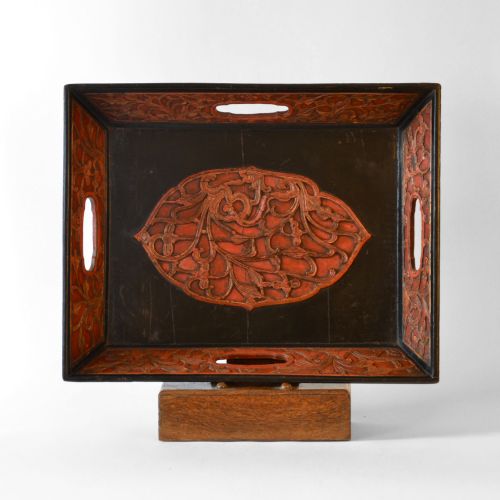
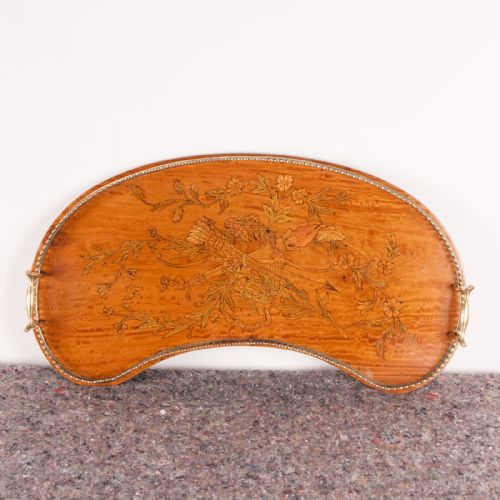
An antique decorative board encompasses a diverse array of items from serving trays and game boards to painted panels and silent companions, predominantly originating from the eighteenth, nineteenth, and early twentieth centuries. Pieces appearing on this page demonstrate functional roots transformed by artistic application, combining practical object types with striking visual appeal.
The materials utilised range from solid pine and oak to satinwood, rosewood, and leather, alongside applied media such as oil paint, gold leaf, and toleware. Stylistic expressions span Victorian folk art, Anglo-Indian craftsmanship, Edwardian refinement, and Continental Baroque influences.
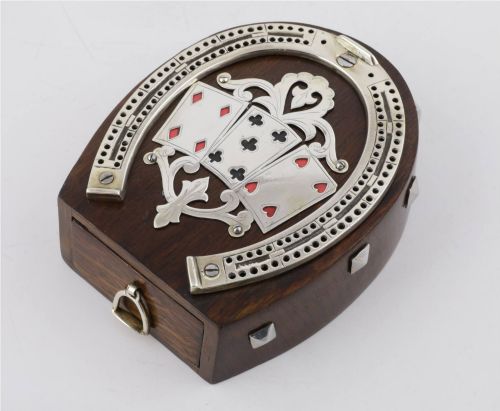
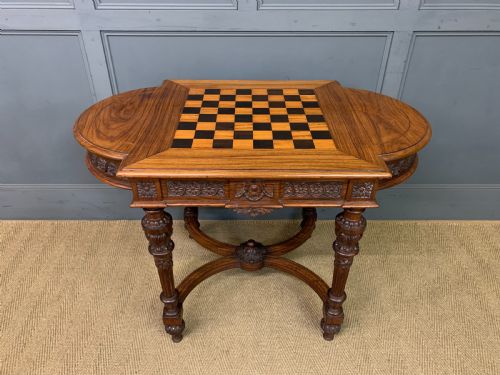
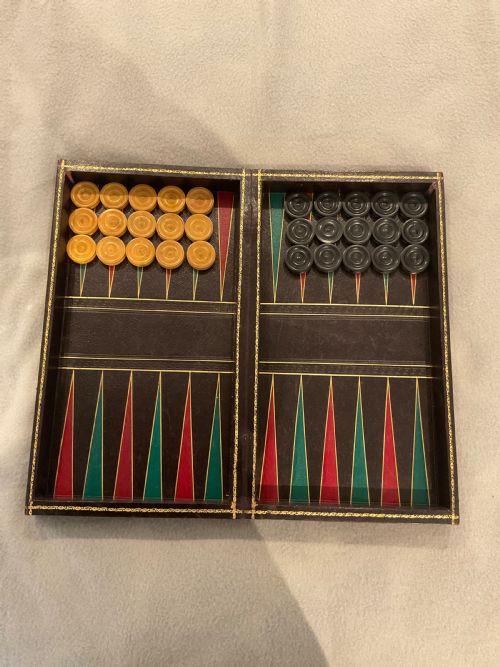
Buyers encounter distinct forms designed for both display and pastime, including chess boards, cribbage sets, billiard scoreboard cabinets, and carved gingerbread moulds. Each surviving item retains evidence of its period craftsmanship, whether through naive brushwork on timber panels or intricate inlay on games boxes.
Materials and construction methods
Makers relied on traditional woodworking techniques, utilising timbers such as pine, oak, satinwood, and rosewood to construct sturdy foundations for trays, panels, and games boxes. Surfaces were frequently shaped through carving, turning, or joining, providing a stable base for subsequent decorative treatments.
Decoration involved skilled application of oil paint, hand-painted floral motifs, gold leaf gilding, and leather binding. Craftsmen also employed specialised mediums like toleware and reverse-painted glass, integrating pictorial art directly onto the wooden or metallic boards.
Antique Decorative Board Retail Price Guide 2026
Typical asking prices for decorative board among the pieces listed under this phrase on Sellingantiques today, from the lower quarter to the upper quarter. They describe what is for sale here now, not the wider market.
The selection includes painted wooden panels and figurative dummy boards spanning the eighteenth and nineteenth centuries.
Factors determining quality
The calibre of an antique decorative board rests upon the precision of its joinery, the integrity of its original surface decoration, and the depth of its carved detail. Finer examples display meticulous hand-painting, well-preserved gilding, and superior selection of timbers such as satinwood or rosewood.
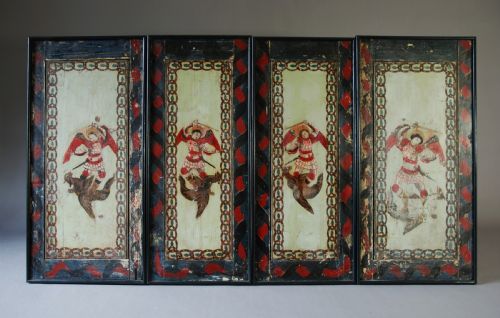
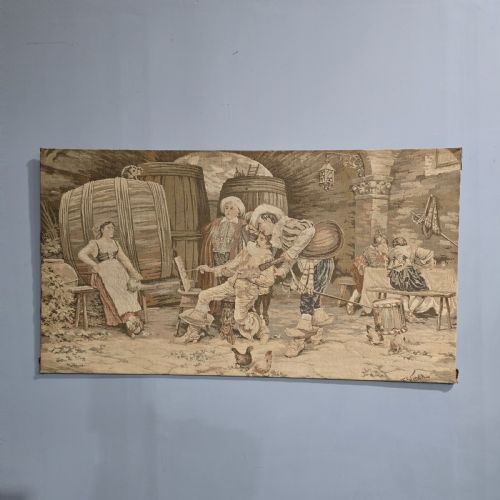
Proportion and execution distinguish standard utilitarian items from exceptional pieces, particularly in pictorial works like painted pine panels, theatre scenery, and figurative dummy boards. Original hardware, intact components like playing pieces or marbles, and untouched patination further elevate the standing of a piece.
The Antique Decorative Board Glossary
- Dummy Board
- A flat, painted wooden figure cut out to life size, designed to trick the eye and stand in an empty room as a silent companion.
- Toleware
- Enamelled and painted metalware objects, often taking the form of stands or trays finished with floral or picturesque decoration.
- Treen
- Small handmade wooden household objects and utensils, encompassing items like lace folders and turned treen accessories.
- Gingerbread Mould
- A heavy wooden board carved with intaglio designs used to stamp biscuits before baking.
- Solitaire Board
- A tabletop board configured with depressions for marbles or pegs, played by a single person to jump and remove pieces.
Antique Decorative Board: Frequently Asked Questions
How were game boards used?
Game boards served as dedicated surfaces for pastimes such as chess, cribbage, and solitaire, often integrated into folding boxes or tables.
Many incorporated storage compartments for cards, markers, or marbles, combining recreational utility with decorative cabinetwork.
Where were painted panels displayed?
Painted panels and theatrical scenery boards were typically mounted within period interiors, fairgrounds, or stage productions to provide narrative backdrops.
Their naive artwork and durable timber construction allowed them to withstand heavy use while enriching the visual atmosphere of a space.
How do I care for antique boards?
Preserving these objects requires stable indoor humidity and protection from direct sunlight to prevent the cracking of old timber and fading of oil paint.
Gentle dusting with a dry cloth is sufficient, avoiding modern liquid polishes that might damage sensitive painted or gilded surfaces.