

Antique Decor Statue
An antique decor statue brings character to a room, drawing on periods from the Victorian era to the 1930s in bronze, marble, and wood.
Antique Decor Statue
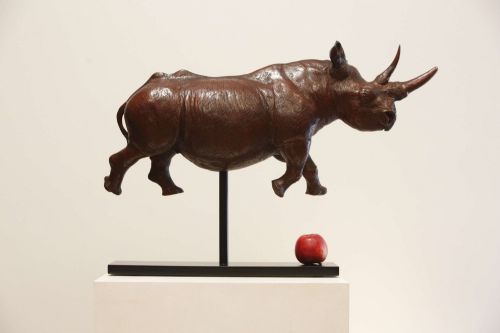
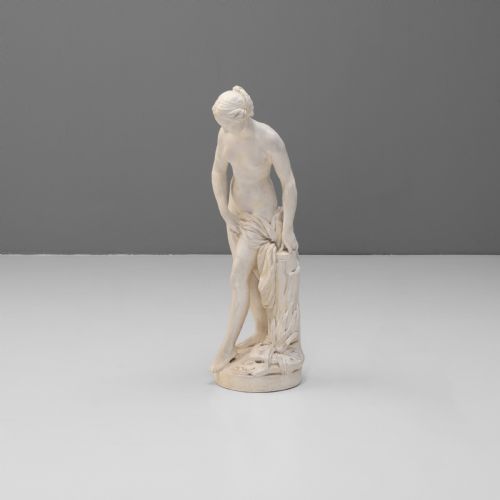
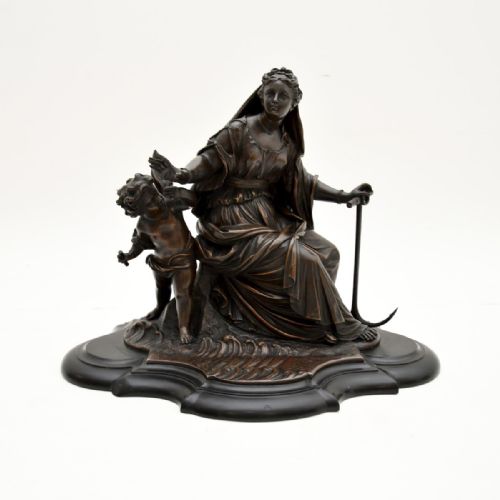
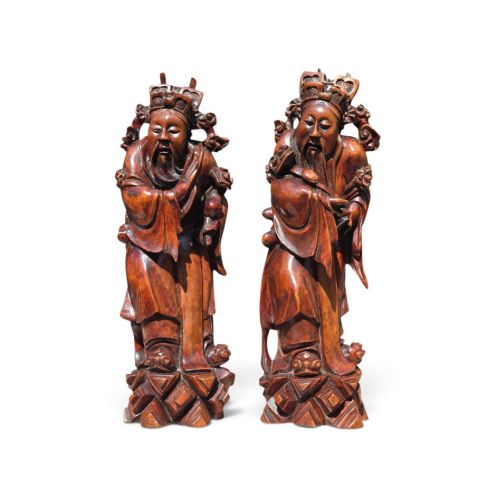
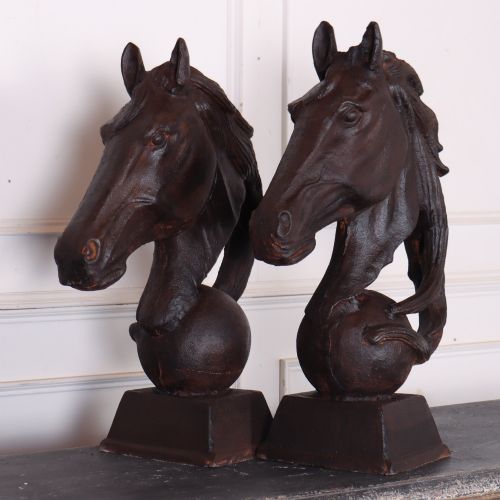
An antique decor statue encompasses figural sculptures, animal bronzes, bookends, and mantel ornaments gathered under a broad search term. The selection leans heavily toward sculptural figures in pairs, including cast iron horseheads, bronze lions, and carved wooden animals.
Most examples originate from the nineteenth and early twentieth centuries, spanning Victorian, Edwardian, and Art Deco movements. Subjects range from Grand Tour classical figures and Orientalist bronzes to utility pieces like brass candlesticks and ceramic bookends.
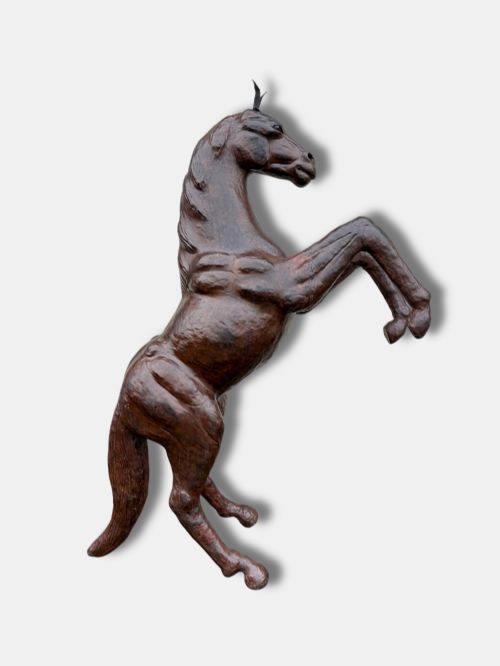
Buyers encounter everything from heavy metal architectural ornaments to small earthenware figures and porcelain portraits. Animal figures, particularly horses, dogs, and lions, dominate the sculptural forms available.
How they were made
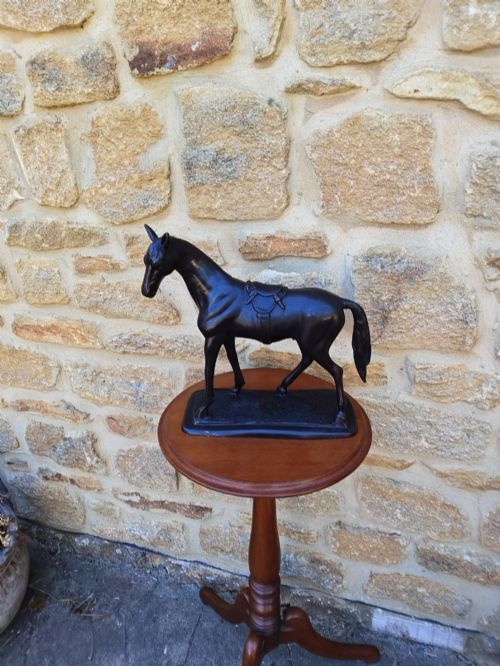
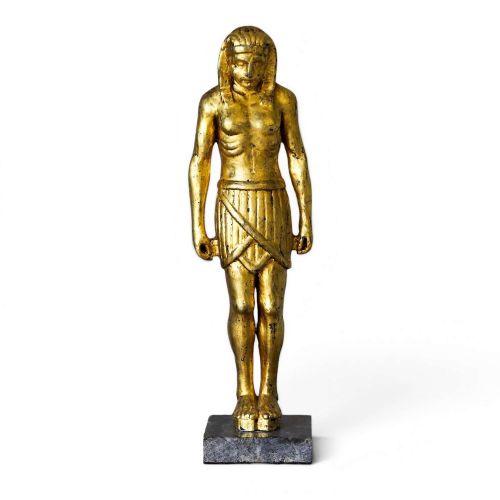
Metals such as bronze, brass, cast iron, and spelter are shaped through casting techniques, often finished with cold-painted polychrome or gilt surfaces. Bronze figures frequently sit upon heavy marble, granite, or olive wood bases.
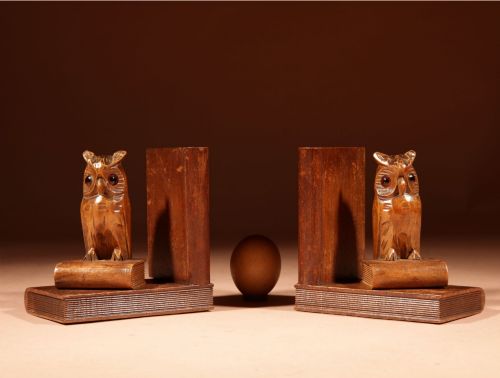
Carved pieces utilise dense natural materials, including hardwoods, granite, and marble, shaped by hand with detailed surface incision. Earthenware, porcelain, and ceramic figures rely on traditional pottery moulding, glazing, and kiln firing.
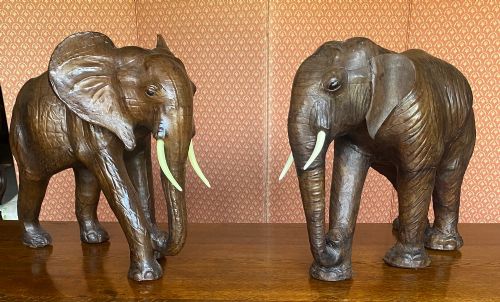
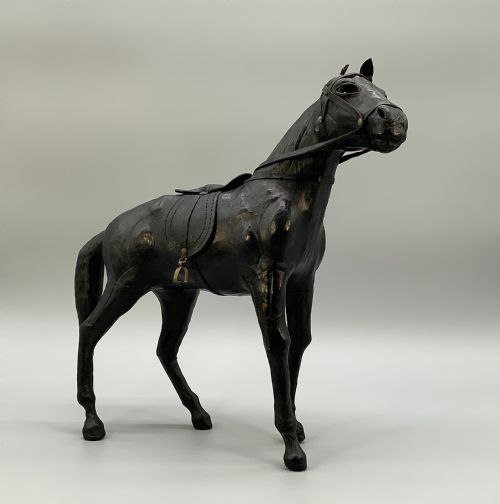
Leather and paint appear on specialist decorative works, including large stuffed leather figures mounted over internal frames. Combination pieces pair metal sculpture with stone plinths or wooden bookend supports.
Antique Decor Statue Retail Price Guide 2026
Typical asking prices for decor statue among the pieces listed under this phrase on Sellingantiques today, from the lower quarter to the upper quarter. They describe what is for sale here now, not the wider market.
Sculptural forms on this page include animalier bronzes, Egyptian Revival sphinxes, bookends, and ceramic figurines from various European and Asian traditions.
What varies in quality
Material density and weight dictate the substance of an object, with solid bronze, carved hardwood, and heavy marble plinths marking higher tiers than hollow spelter or thin plaster. Original surface treatments, such as cold paint or gilt layers, hold greater integrity when intact.
Attribution to known foundries, named sculptors, or recognised retailers elevates the standing of a statue. Matched pairs and monumental sizes command more attention than single or standard domestic items.
Liberty of London·Franz Xaver Bergman·Pierre Lenordez
The Antique Decor Statue Glossary
- Animalier
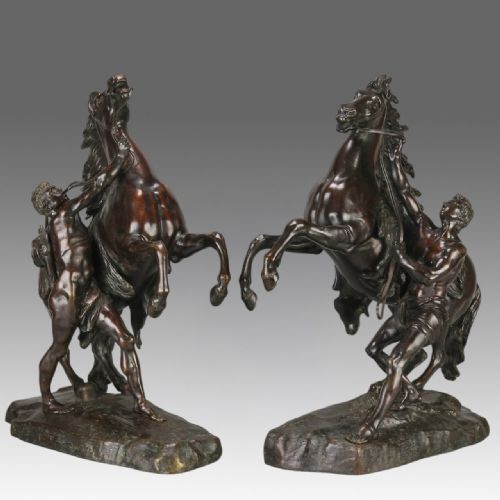
- A nineteenth-century artistic movement focused on the realistic depiction of animals, particularly horses, lions, and hounds. Sculptors in this style studied animal anatomy closely.
- Cold-painted bronze
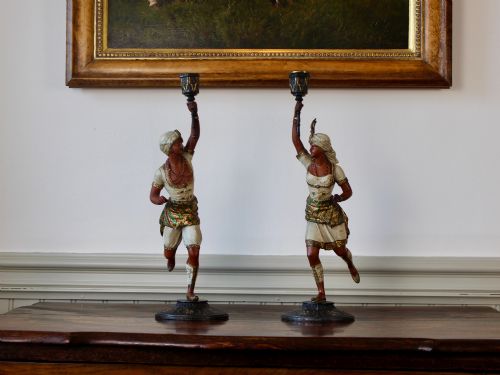
- A method where bronze figures receive paint layers without heat firing, common in Austrian workshops during the early twentieth century. This finish requires careful preservation to avoid flaking.
- Grand Tour
- Souvenirs purchased by affluent travellers touring cultural sites in Europe and Egypt during the eighteenth and nineteenth centuries. These include miniature bronzes and architectural models.
- Spelter
- A zinc alloy used as a cheaper alternative to bronze, frequently painted to imitate bronze or other metals. It is softer and lighter than bronze.
- Sancai
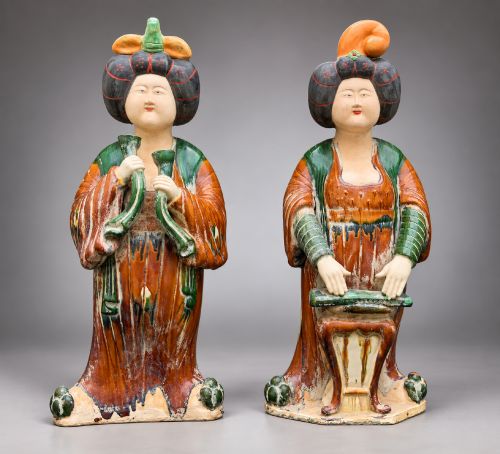
- A three-colour Chinese glaze technique traditionally used on pottery during the Tang dynasty, replicated in later revival ceramics. The glazes typically mix amber, green, and cream tones.
Antique Decor Statue: Frequently Asked Questions
What materials are common in these statues?
Cast bronze, brass, cast iron, and spelter form the metal categories, often paired with marble or wood bases. Earthenware, porcelain, carved hardwoods, and painted leather also appear frequently.
Heavier items utilise granite or Carrara marble plinths, while smaller decorative objects rely on ceramic glazing or cold-painted surface decoration.
How do I date a bronze sculpture?
Dating relies on the casting quality, the composition of the metal, and the style of the base. Signature marks and foundry stamps offer direct clues to the period of production.
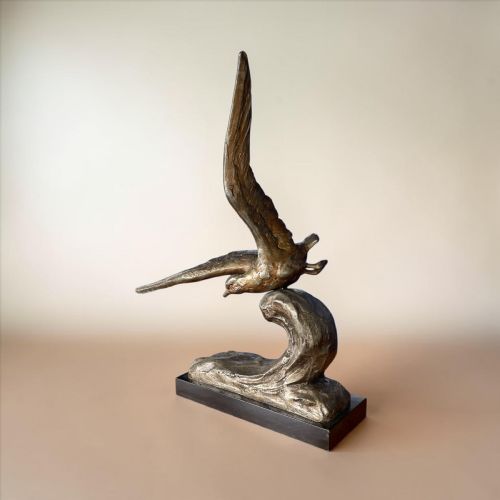
Nineteenth-century bronzes often show heavier patination and hand-chasing, whereas Art Deco examples from the 1930s favour streamlined forms and specific modern patinas.
Were these pieces meant for display?
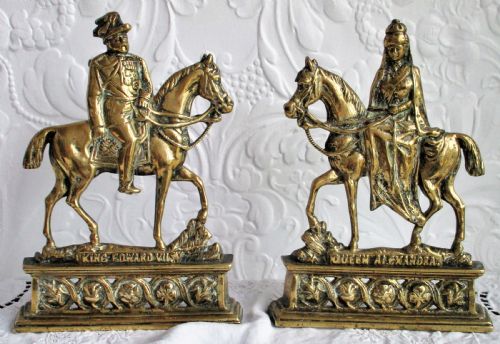
Most items served as mantel ornaments, library bookends, or tabletop decorations in domestic interiors. Architectural pieces like hitching posts and fireplace ornaments had practical functions alongside decorative appeal.
Grand Tour souvenirs commemorated travels, while figures of animals and historical busts reflected nineteenth-century scholarly and aesthetic tastes.
What is Orientalist bronze?
Orientalist bronzes depict figures and scenes from North Africa and the Middle East, popularised by European artists in the late nineteenth and early twentieth centuries. These works often feature detailed costumes and narrative poses.
Many of these figures utilise cold-painted finishes to highlight intricate robes, rugs, and accessories with vibrant colours.