



Antique Decor Panel
An antique decor panel brings historical craftsmanship onto a wall, offering carved wood, painted surfaces, or textiles that anchor a room.
Antique Decor Panel
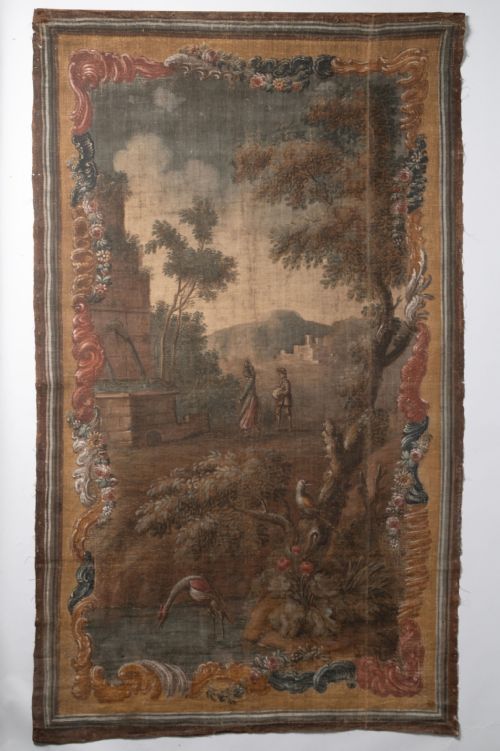
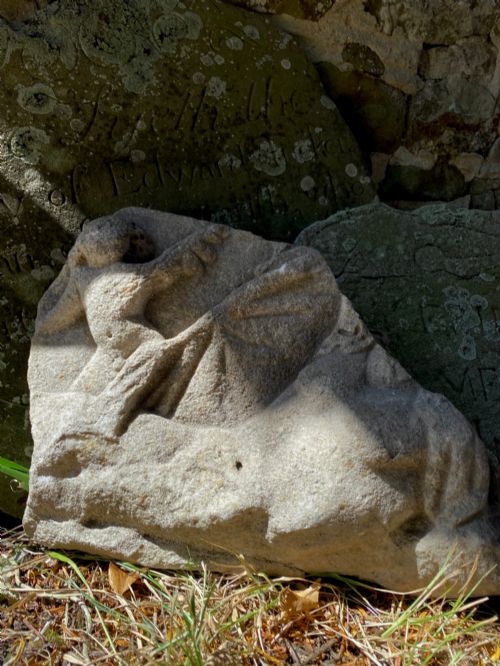
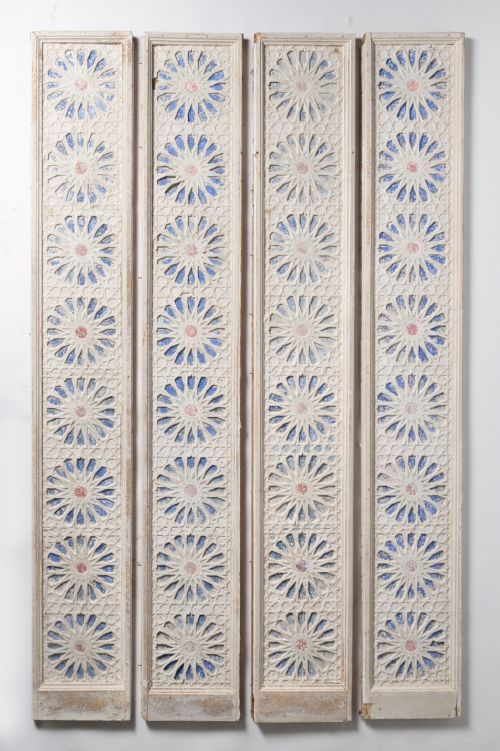
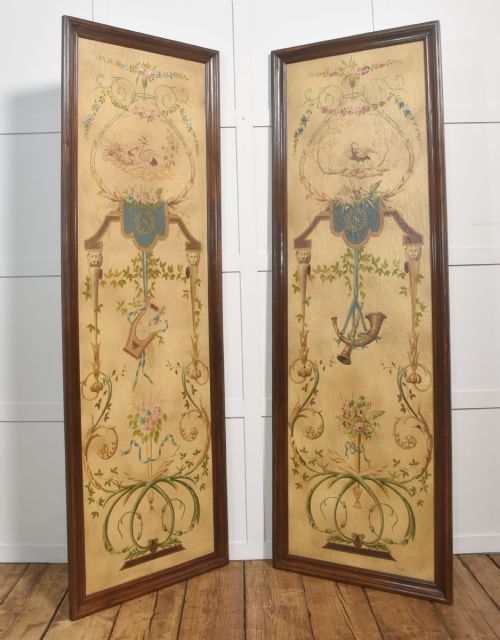
When searching for an antique decor panel, buyers encounter a diverse range of wall-mounted items spanning carved wooden elements, framed oil paintings on panel, and architectural salvage. These objects originate from various periods including the eighteenth and nineteenth centuries, alongside Edwardian and mid-twentieth-century pieces.
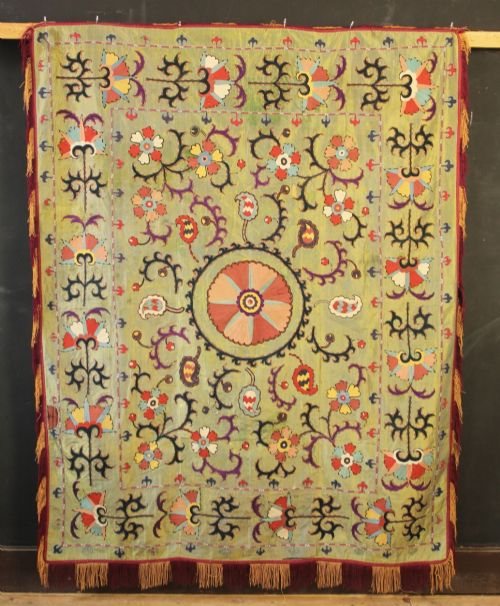
The most common formats on this page include hand-carved wooden panels, fabric wall hangings such as suzanis, and painted decorative plaques. Stylistic influences vary widely from Renaissance Revival and Neoclassical to Arts and Crafts and French Chateau aesthetics.
How They Were Made
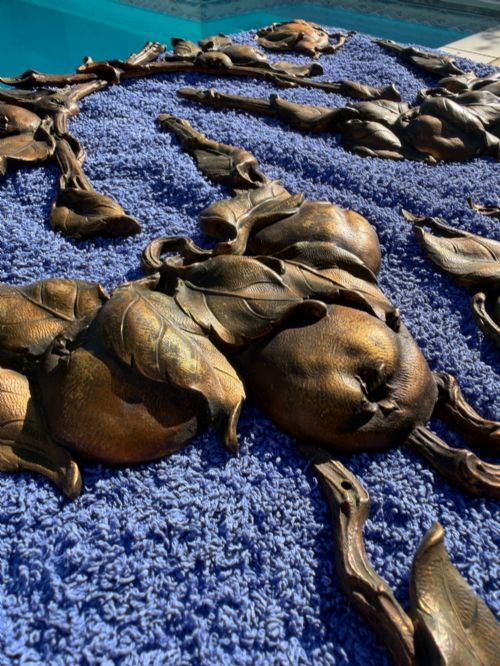
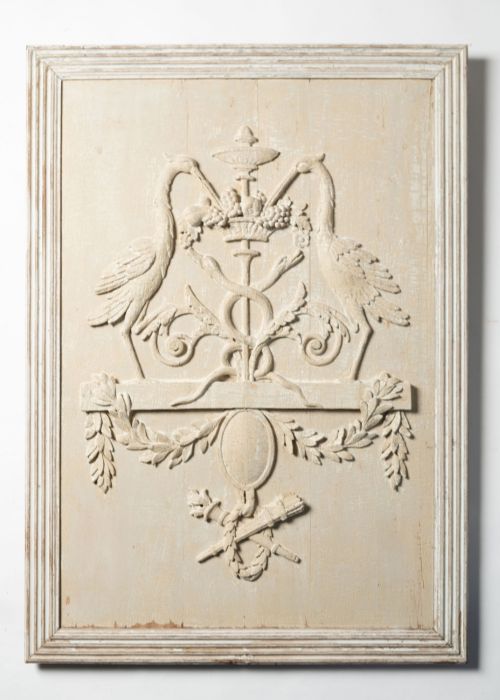
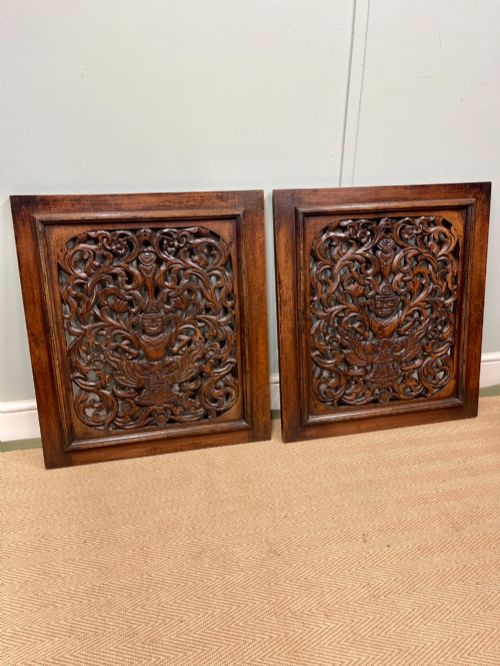
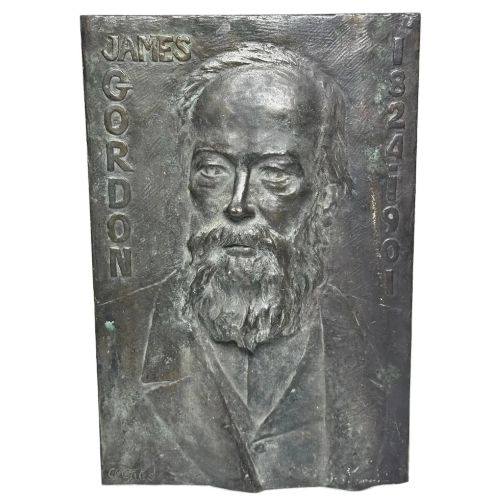
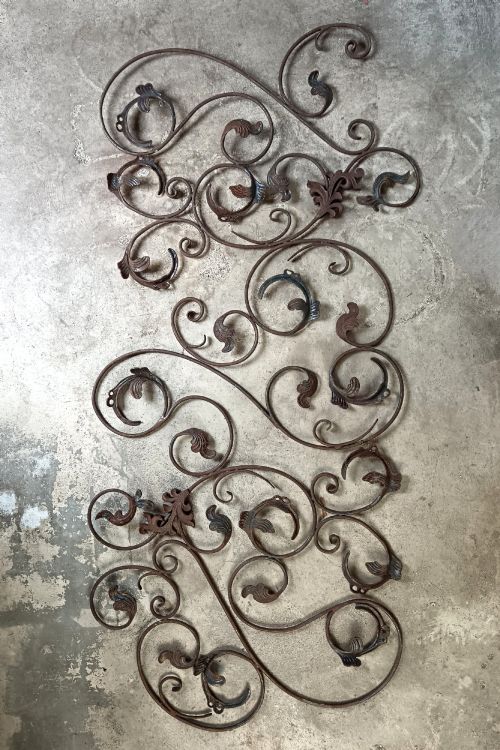
Makers utilised traditional materials such as solid oak, pine, and exotic woods, shaping them through detailed hand carving, pierced work, and lacquering. Metal elements in the listings involve cast bronze, copper relief, and wrought iron.
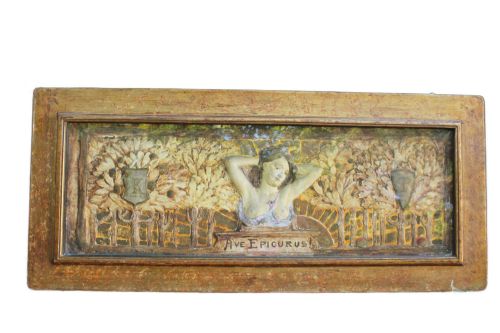
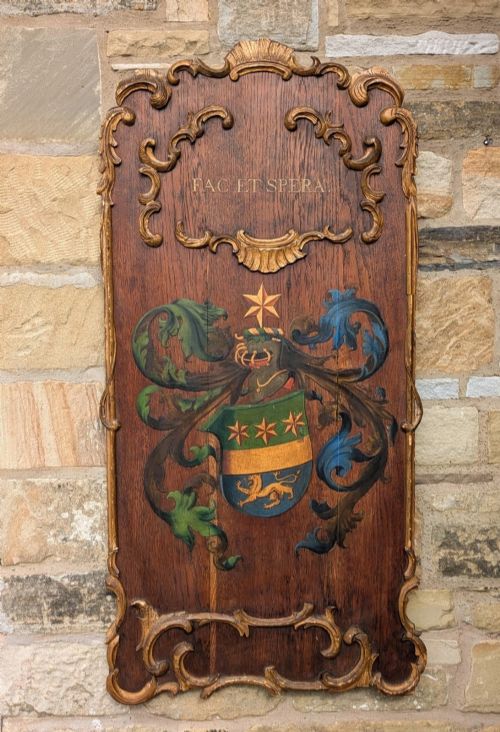
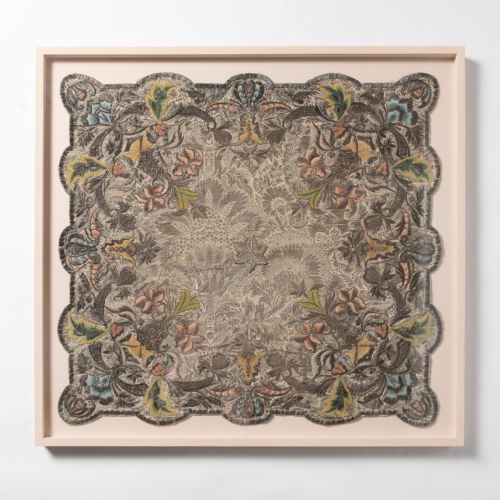
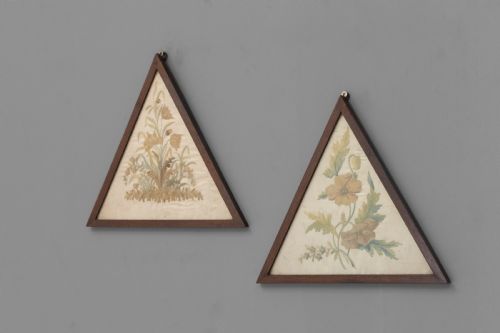
Surfaces frequently feature hand painting, oil on panel techniques, gold leaf application, and polychrome plaster relief. Textile examples incorporate intricate silk and wool embroidery on various woven grounds.
Antique Decor Panel Retail Price Guide 2026
Typical asking prices for decor panel among the pieces listed under this phrase on Sellingantiques today, from the lower quarter to the upper quarter. They describe what is for sale here now, not the wider market.
What Varies In Quality
Depth and precision of carving separate simpler architectural fragments from masterworks of cabinetry, where undercut foliage and facial expressions retain crisp definition. Material selection dictates longevity, distinguishing dense hardwoods from softer secondary timbers.
The fidelity of hand-painted details and the preservation of original gilding or polychrome pigments govern visual impact. Textile integrity relies upon the tightness of the embroidery and the stability of the backing fabric.
Nanninga Uitterdyke·Poix Blin·Alice Gates·Icilio Federico Joni·W Williams·Carlhian and Corbiere·Reginald Robert Tomlinson
The Antique Decor Panel Glossary
- Panel
- A flat piece of wood, metal, canvas, or textile framed or mounted for display on a wall. It serves as the primary structural support for carvings, paintings, or decorative reliefs.
- Relief
- Sculpture where figures or designs project from a flat background. High relief stands out significantly, while low relief sits closer to the plane.
- Suzani
- A type of embroidered tribal textile originating from Central Asia, typically worked in silk on a cotton or wool ground. These pieces often feature bold floral and geometric motifs.
- Gilding
- The application of a thin layer of gold leaf or powder to a surface such as wood, bronze, or plaster. It provides a lustrous, enduring metallic finish.
- Architectural Salvage
- Building elements rescued from older structures before demolition, including decorative panels, iron scrollwork, and carved over-doors. These items retain historical building techniques.
Antique Decor Panel: Frequently Asked Questions
How do I hang a heavy wooden panel safely?
Heavy wooden panels require direct anchoring into wall studs using appropriate brackets or French cleats to support the weight securely.
Avoid relying solely on plasterboard anchors for substantial antique carvings or architectural salvage pieces.
Can textile panels be exposed to direct sunlight?
Direct sunlight causes natural silk and wool threads in antique embroideries to fade and degrade over time.
Position textile wall hangings in shaded areas of the room or utilise UV-filtering glass if framing them.
What is the difference between a panel and a plaque?
Panels generally form part of a larger architectural scheme or represent flat pictorial surfaces like painted wood and canvas.
Plaques are typically smaller, self-contained decorative items cast in bronze, copper, or plaster for direct wall mounting.
How do I clean antique painted wood surfaces?
Dust painted wood gently with a soft, dry microfibre cloth to remove surface particles without disturbing the original finish.
Liquid cleaners and abrasive cloths should be avoided entirely to prevent lifting old paint layers.