


Antique Decanter Jug
An antique decanter jug combines the weight of cut glass with metal mounts for serving wine at the table.
Antique Decanter Jug
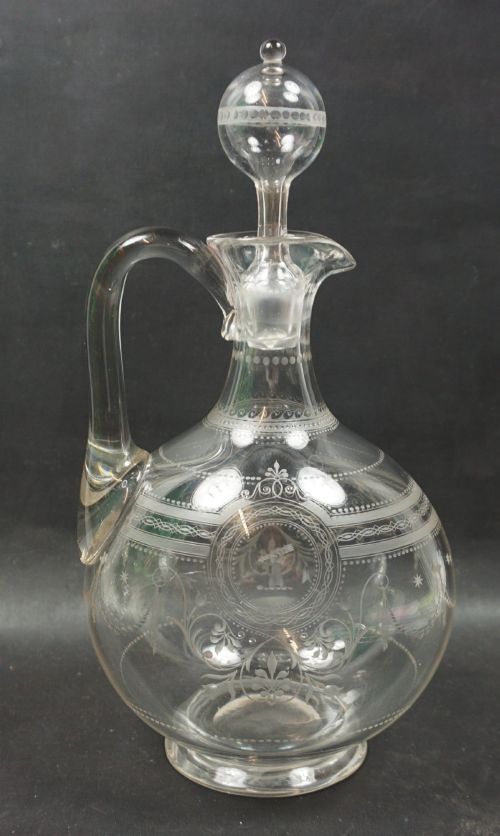
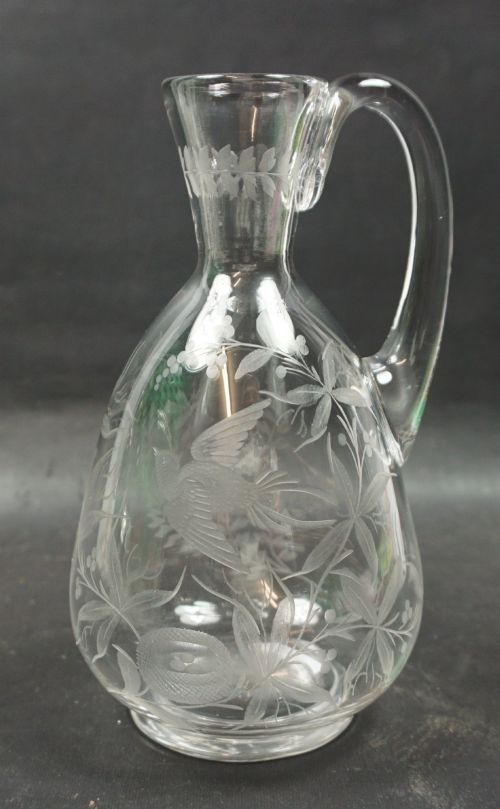
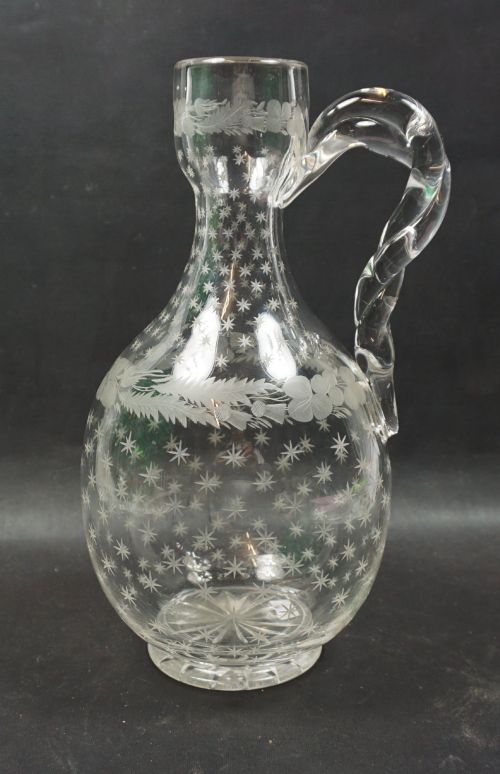
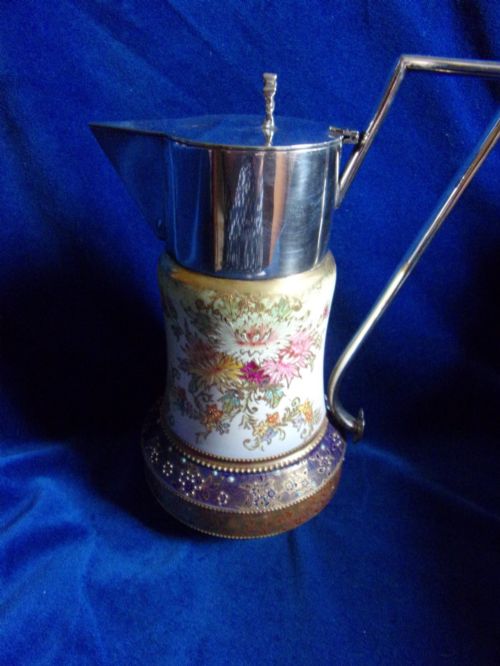
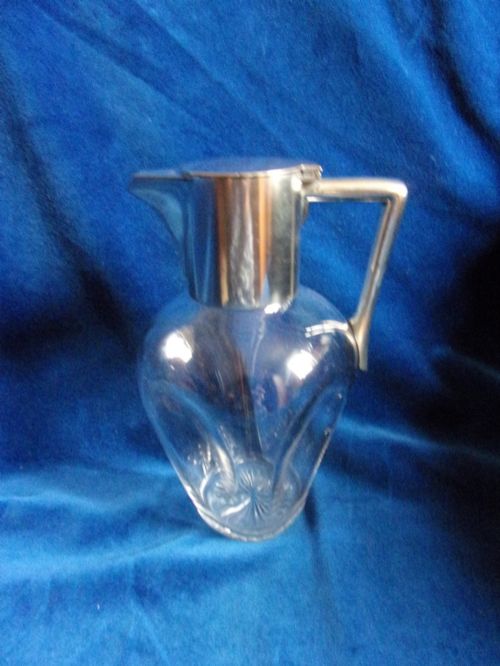
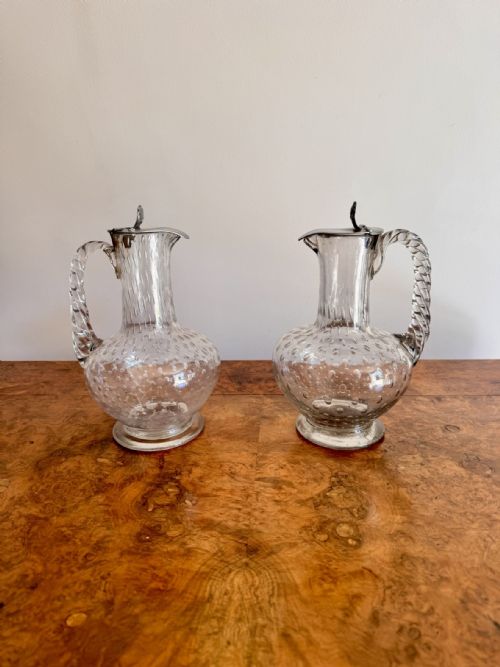
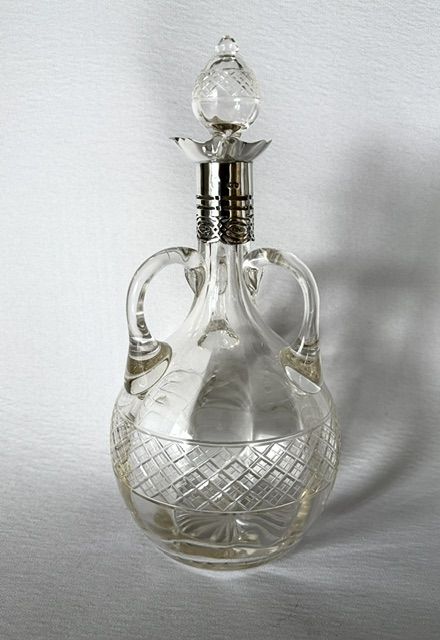
When you search for an antique decanter jug, you encounter vessels designed for serving wine, whisky, and water at the dining table. The selection spans the Victorian and Edwardian eras through to the Art Deco period, taking the form of claret jugs, water pitchers, and whisky noggins.
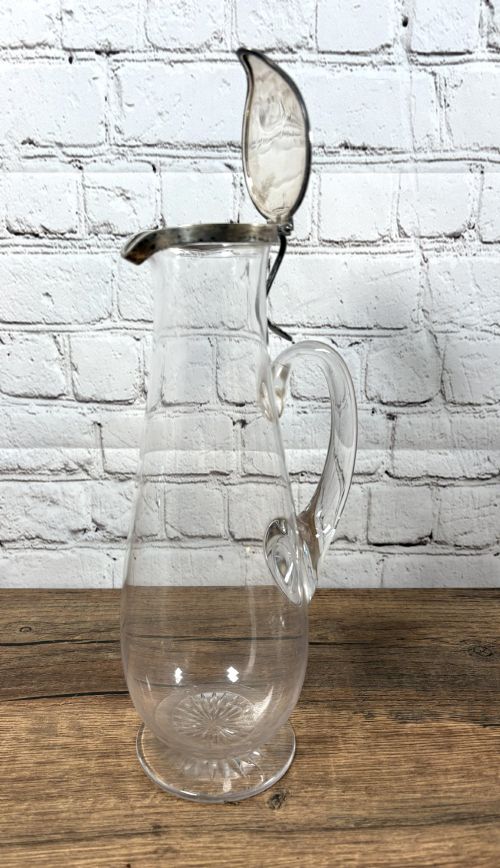
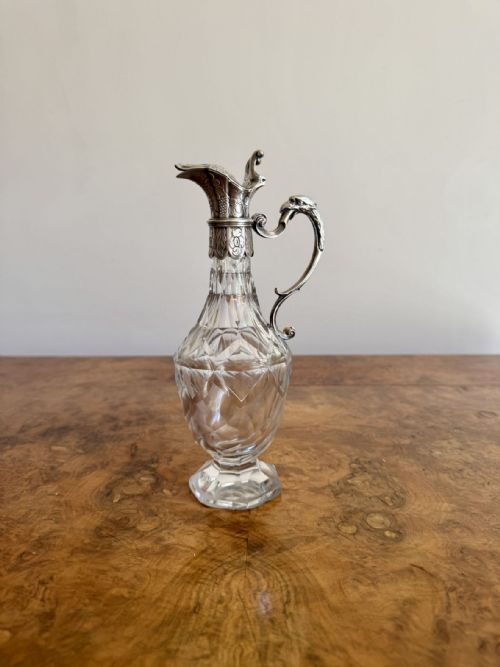
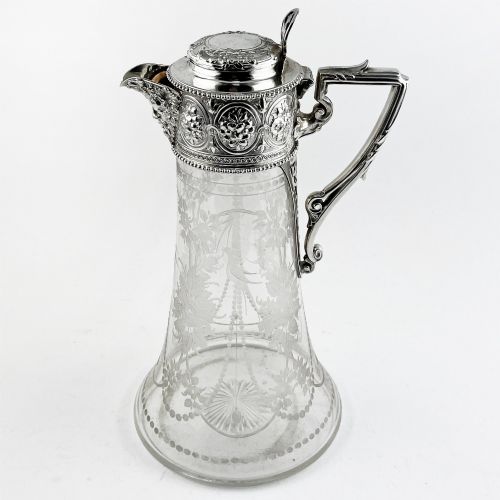
The most common pieces on this page pair glass bodies with metal mounts, specifically silver plate and sterling silver. These incorporate handles and spouts shaped for pouring, often with hinged lids operated by a thumbpiece.
Materials and Techniques
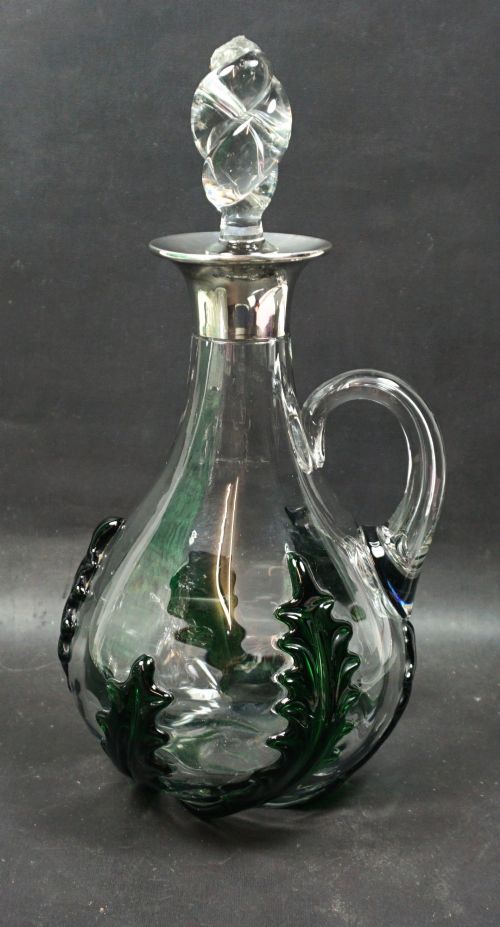
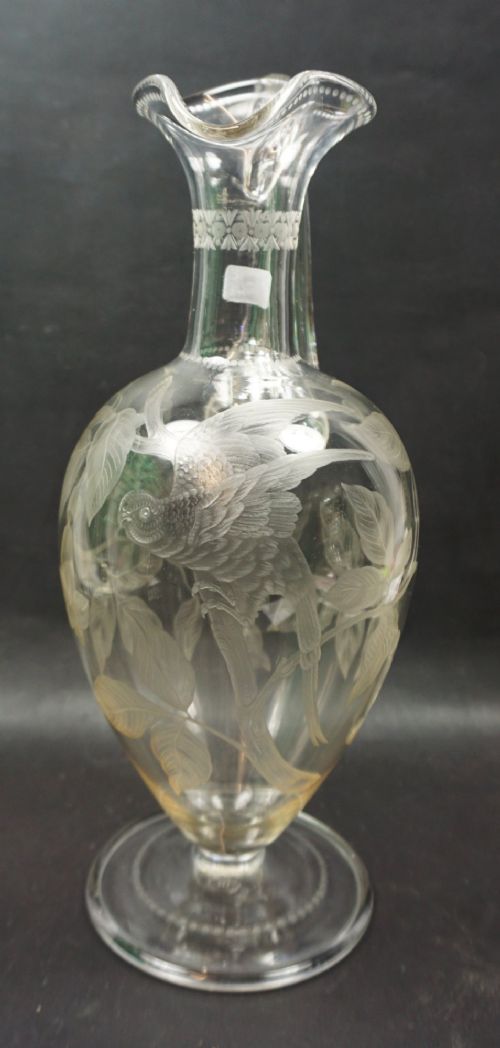
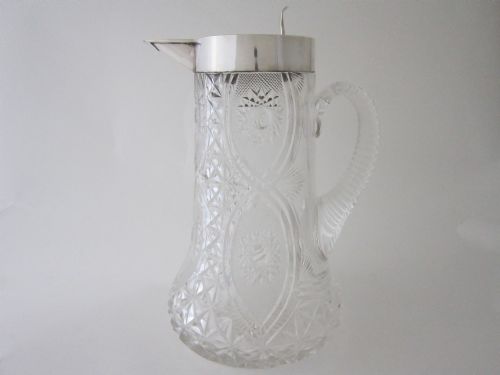
Makers utilised clear glass, cut glass, crystal, and lead crystal, sometimes employing coloured glass in violet, green, amethyst, and cranberry tones. Glass bodies received decoration through hand-painted gilt appliqués, enamel work, floral engraving, or deep geometric cutting.
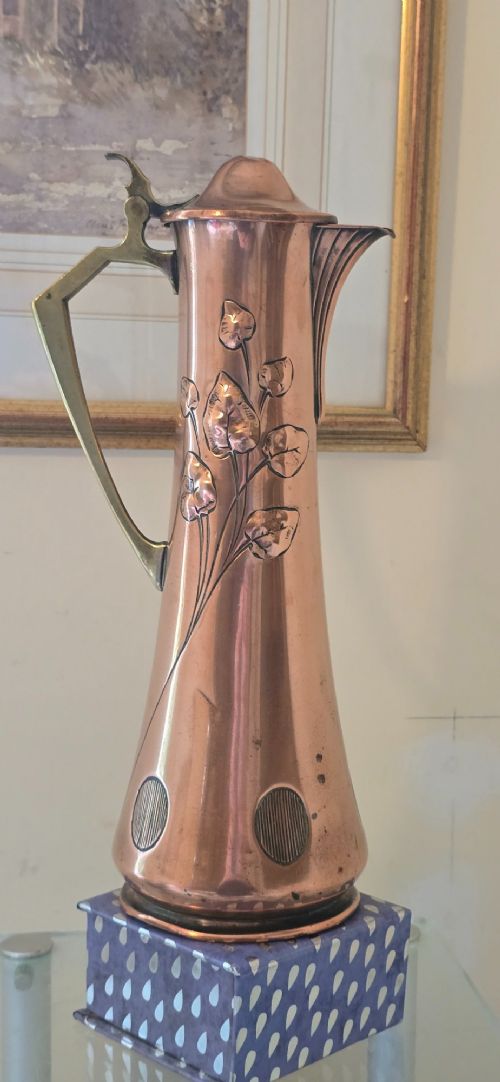
Mounts and handles derived from sterling silver, silver plate, copper, brass, and pewter, shaped to fit the neck and shoulders of the glass body. Metals were cast, chased, or engraved with floral reliefs and masks, then secured with collars around the glass rim.
Antique Decanter Jug Retail Price Guide 2026
Typical asking prices for decanter jug among the pieces listed under this phrase on Sellingantiques today, from the lower quarter to the upper quarter. They describe what is for sale here now, not the wider market.
Materials represented include cut crystal, coloured glass, sterling silver, silver plate, pewter, copper, and brass.
Judging Quality
The distinction between standard pieces and the finest work lies in the depth and crispness of the glass cutting alongside the weight of the metal mount. Heavier crystal refracts light more cleanly, while thick sterling silver mounts display sharper chased detail than thin silver plate.
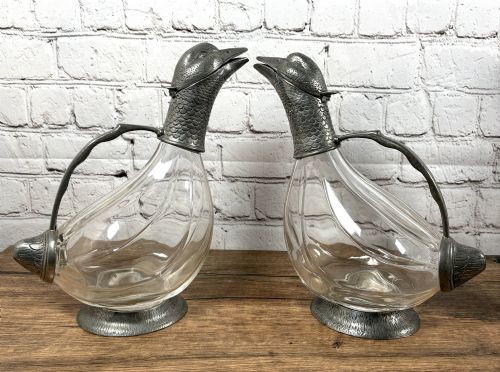
Design integration separates ordinary production from exceptional pieces, particularly where handles mimic natural forms like serpents or where spouts take sculptural shapes such as Bacchus masks and owls. The alignment between the hinged metal lid and the glass lip determines the balance of the vessel in the hand.
William Comyns·Asprey and Co. Ltd·Stevens and Williams·Henry Matthews·Royal Doulton·Mappin and Webb
The Antique Decanter Jug Glossary
- Claret jug
- A specialised vessel designed for serving red wine, featuring a pouring spout and a hinged lid. These pieces date predominantly from the Victorian and Edwardian periods.
- Whisky noggin
- A small decanter or jug holding a single measure of whisky, typically accompanied by a silver-mounted lip and handle. They frequently appear from the George V era.
- Silver plate
- A layer of silver fused to a base metal core such as copper or brass. This technique allowed makers to achieve the appearance of solid silver at a lower cost.
- Lead crystal
- Glass containing lead oxide, which increases the weight, refractive index, and clarity of the material. It allows for deep, sharp wheel-cutting without fracturing.
- Nailsea glass
- Glassware associated with the Nailsea glassworks in Somerset, known for looped and splashed coloured glass designs. Pieces often exhibit white or coloured trailing beneath a clear outer layer.
Antique Decanter Jug: Frequently Asked Questions
What is an antique decanter jug used for?
These vessels served wine, whisky, water, and lemonade at the dining table or sideboard. They allowed hosts to pour beverages from a decorative container rather than a standard bottle.
The hinged lids kept contents covered between pours, while integrated handles and spouts ensured controlled dispensing into glasses.
How do I clean an antique glass jug?
Wash glass bodies by hand using warm water and mild detergent, avoiding sudden temperature changes that can crack old crystal. Soft bottle brushes help reach interior residue without scratching the surface.
Keep metal mounts dry and polish silver gently with a specialist cloth to prevent tarnish accumulation around engraved details.
How do I date a silver mounted jug?
British silver mounts usually bear hallmarks indicating the assay office, date letter, and maker's mark. These stamps provide the exact year of manufacture for the metal components.
Stylistic indicators such as heavy geometric cutting point to the Victorian period, while sleeker lines and enamel work suggest later Edwardian or Art Deco dates.
Are these jugs safe for serving wine?
Most antique glass and silver jugs remain fully functional for serving wine and other drinks today. Ensure the interior is thoroughly cleaned and rinsed before use.
Check that the metal collar and handle remain securely fixed to the glass neck to support the weight of liquid during pouring.