




Antique Decanter Case
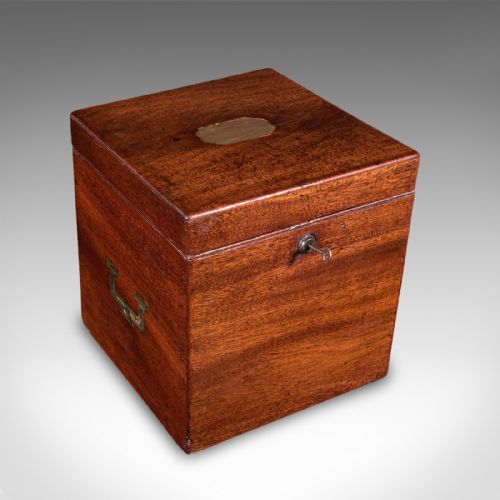
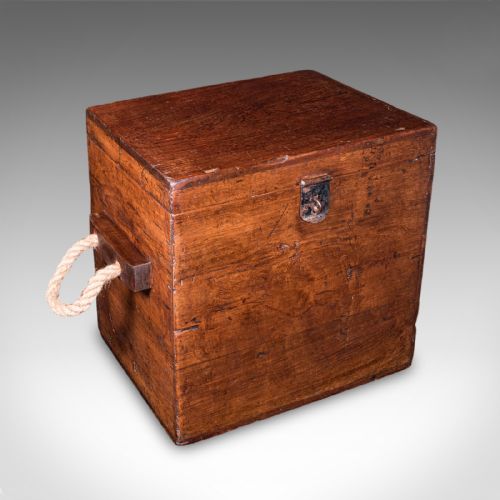
These antique decanter case finds are fitted drinking vessels and secure bottle boxes designed to protect and display spirits, most often met as Victorian coromandel boxes and Edwardian oak tantalus sets.
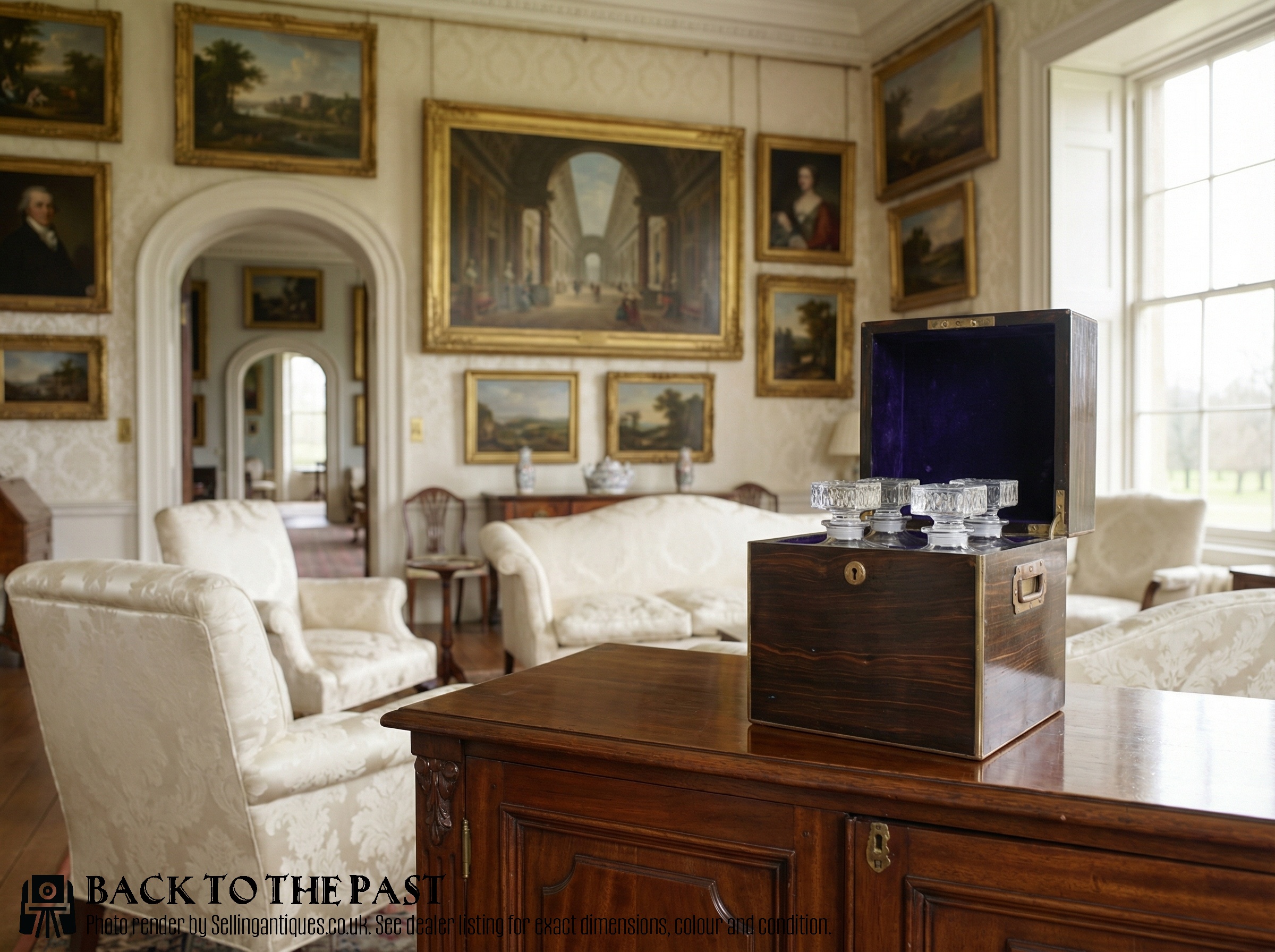
Antique Decanter Case
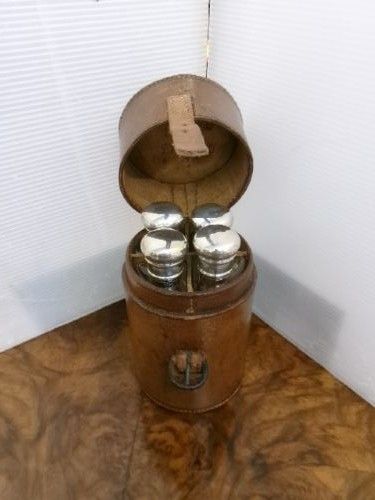
An antique decanter case comprises fitted wooden boxes, portable leather cylinders, and secure locking tantalus frames designed to hold glass bottles and flasks securely. Buyers searching this phrase encounter protective housings made to keep expensive spirits locked away or ready for travel.
The pieces on this page span the 18th century through the Edwardian period, with Victorian examples appearing most frequently. These range from mahogany two bottle carriers and coromandel drinks boxes to single bottle oak tantalus sets and leather cases fitted with silver top flasks.
How they were made
Cabinetmakers constructed these protective housings primarily in dense hardwoods such as oak, mahogany, and coromandel, often adding brass mounts, hinges, and locks for security and reinforcement. Marquetry stringing and fine joinery define the exterior woodwork of the better domestic drinks boxes.
Internal storage relied on fitted compartments lined to hold cut glass decanters, carafes, and silver top flasks securely in place during transit. Metal casting produced the bronze and brass framework seen on ecclesiastical bottles and campaign cases.
Antique Decanter Case Retail Price Guide 2026
Typical asking prices for decanter case among the pieces listed under this phrase on Sellingantiques today, from the lower quarter to the upper quarter. They describe what is for sale here now, not the wider market.
Secret spring buttons sometimes release hidden jewellery drawers tucked beneath the decanters in luxury coromandel caskets.
What varies in quality
Quality rests in the choice of dense exotic timbers like coromandel against standard oak, alongside the precision of the brass hardware and working locks. Superior examples demonstrate crisp marquetry stringing and tight joinery that keeps heavy glass vessels stable.
The matching quality of the internal glass components, such as cut crystal decanters and silver top flasks, distinguishes finer presentation pieces from simpler utility carriers. The integration of complex locking mechanisms also separates standard boxes from high grade tantalus sets.
Fenton Bros
The Antique Decanter Case Glossary
- Tantalus
- A locking drink container that holds decanters secure while exposing their contents to view without allowing access. The mechanism typically requires a key to release the bottles.
- Coromandel
- A dense, heavily figured Southeast Asian timber prized for its dark grain and used in fine Victorian luxury boxes. It provides a striking contrast against bright brass mounts.
- Marquetry
- The art of applying thin slices of wood to form decorative patterns on a surface. Stringing refers to thin inlaid lines that outline panels on cabinet work.
- Carafe
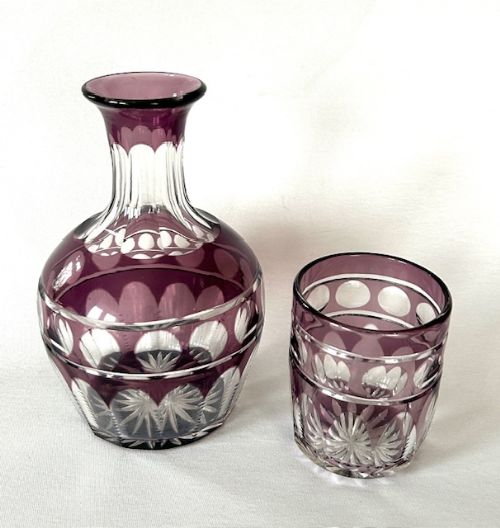
- An open-topped glass flask used for serving wine or water, frequently paired with matching tumblers inside fitted travel cases. They appear in coloured and cut crystal forms.
- Campaign
- Describing portable furniture and travel equipment built for military officers or travellers on the move. These pieces prioritise robust construction and compact fitted storage.
Antique Decanter Case: Frequently Asked Questions
What is an antique decanter case?
An antique decanter case is a secure wooden box, leather holder, or locking frame designed to transport and display glass spirit bottles.
These pieces range from portable campaign units to stationary drinks boxes intended for the dining room or parlour.
How were these cases used?
They were used by households to store expensive spirits safely away from domestic staff or children while keeping drinks ready for guests.
Portable versions also allowed travellers to carry glass flasks and carafes securely during journeys by road or rail.
How do I date an antique decanter case?
Dating relies on the prevailing timber choices, lock mechanisms, and decorative styles visible across the periods.
Georgian examples tend to use solid mahogany with simple lines, whilst Victorian and Edwardian boxes frequently employ coromandel, oak marquetry, and complex locking tantalus frames.
How do I clean the wood and brass?
Maintenance involves gentle dusting and the careful application of appropriate wax polish to nourish dry hardwood surfaces.
Brass mounts should be cleaned sparingly without abrasive compounds to preserve the natural aged patina.