


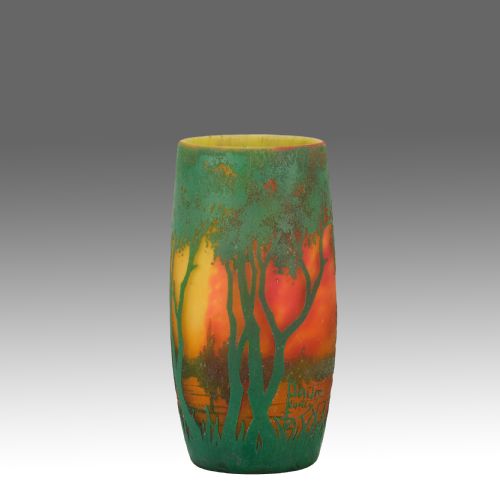


Antique Daum Glass Vase
An antique daum glass vase brings rich French artistry into a room, offering striking colours and forms shaped by master glassmakers.
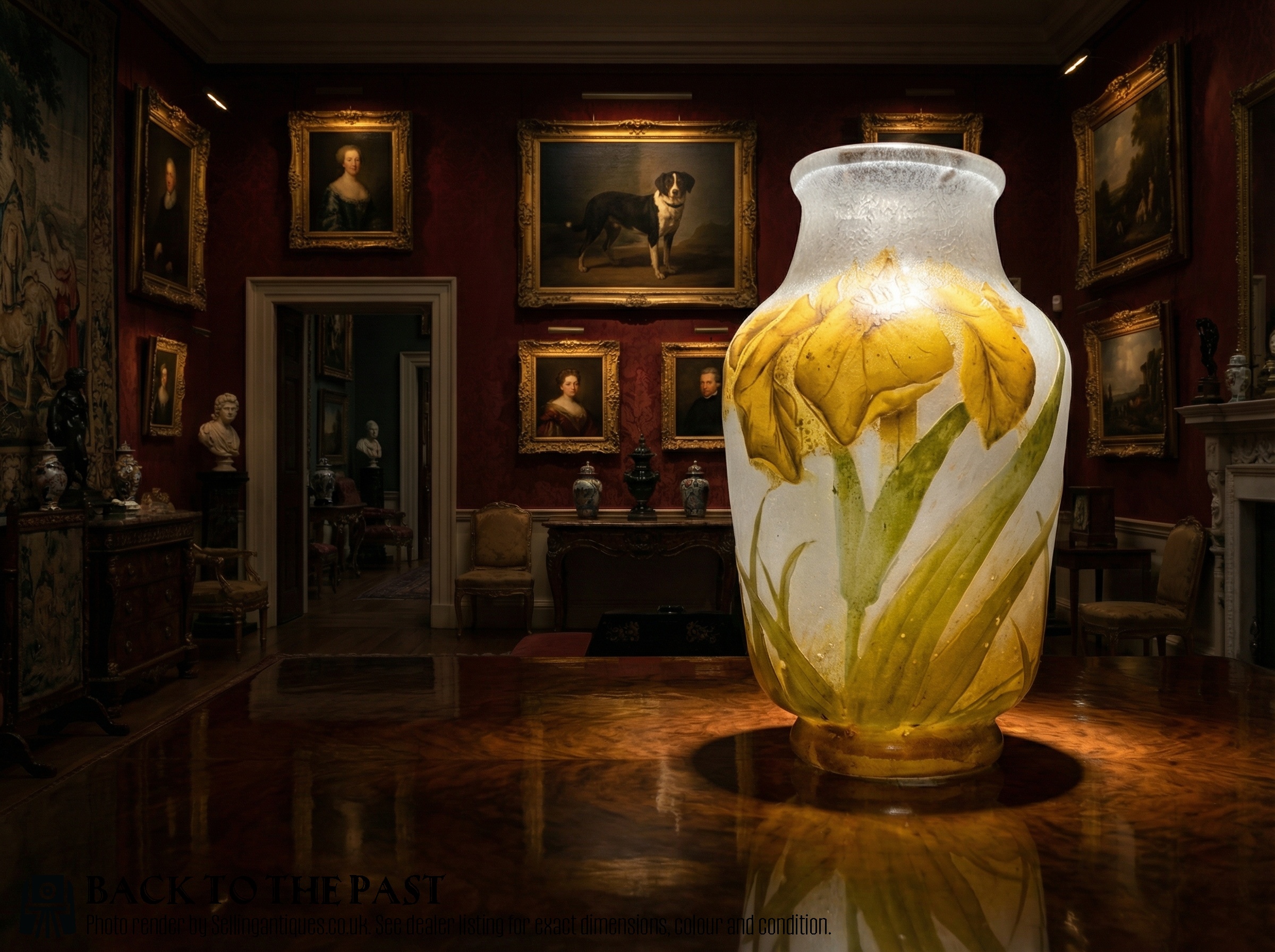
Antique Daum Glass Vase
When you search for an antique daum glass vase, you encounter exceptional pieces originating from France during the late nineteenth and early twentieth centuries. These vessels showcase the distinct aesthetic movements of their creation, spanning from organic naturalism to geometric modernism.
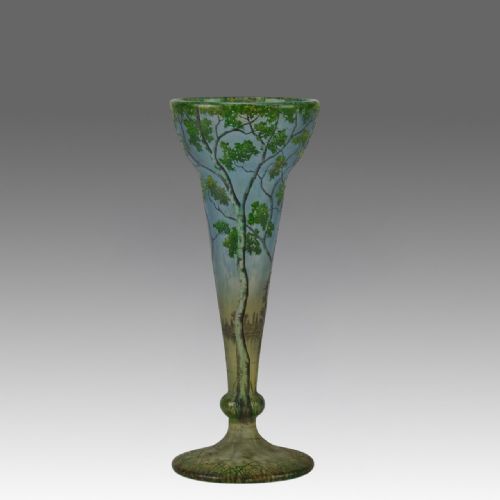
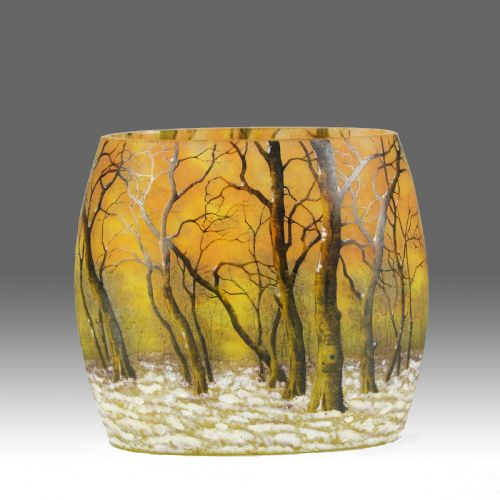
The versions you are most likely to meet on this page date predominantly from around 1900, capturing the flowing lines of the Art Nouveau period. These early examples frequently feature botanical or landscape motifs that reflect the natural world with remarkable depth.
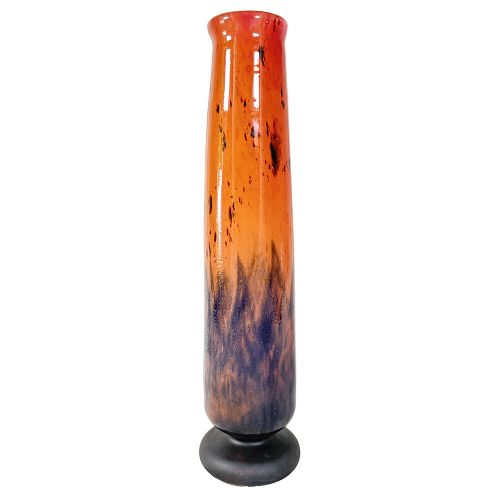
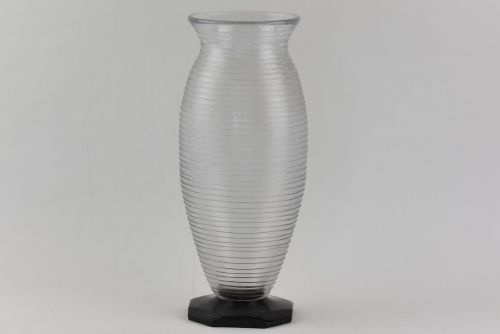
Alongside the floral designs, you also discover later pieces from the 1920s representing the bold transitions of Art Deco style. These later forms often emphasise heavy crystal construction and bubbles captured within the glass rather than surface carving.
Materials and construction methods
The creation of these pieces relies heavily on cameo glass techniques, where multiple layers of coloured material are fused together before being carved away. Artisans use acid-etching and enamelling to reveal intricate patterns and add subtle tonal variations to the surface.
Makers also utilise blown glass and solid crystal to achieve substantial forms, occasionally incorporating powdered glass for mottled background effects. Each technique requires precise temperature control and skilled hand manipulation to achieve the desired texture and opacity.
Materials recorded across the selection include cameo glass, enamelled glass, acid-etched surfaces, and heavy crystal.
Distinctions in quality and execution
Quality in these vessels rests upon the depth of the carving and the complexity of the colour transitions across the layers. Superior examples demonstrate a careful balance between the acid-etched design and the underlying background illumination.
The crispness of the signature and the weight of the material further separate standard production from exceptional studio output. Pieces featuring detailed polychrome enamelling alongside multi-layered cameo work generally represent the higher tier of execution.
Daum Frères·Daum Nancy
The Antique Daum Glass Vase Glossary
- Cameo Glass
- A form of vessel created by fusing distinct layers of coloured glass and carving or etching the outer stratum to expose the contrasting background. This method allows for detailed relief decoration.
- Acid-Etched Glass
- A technique utilising hydrofluoric acid to eat away exposed portions of the material, creating textured patterns or matte finishes. It permits precise control over design depth without mechanical engraving.
- Art Nouveau
- A decorative style prevalent around 1900 characterised by asymmetrical lines, flowing plant motifs, and organic forms. It heavily influences the floral and landscape designs found on early vessels.
- Art Deco
- A design movement emerging around 1920 favouring geometric shapes, streamlined silhouettes, and heavier crystal forms. This aesthetic shifts away from natural curves towards structured symmetry.
Antique Daum Glass Vase: Frequently Asked Questions
How do I identify an Art Nouveau piece?
Look for organic motifs such as flowers, leaves, and natural landscapes rendered with flowing, asymmetrical lines. The palette often mimics nature through sunset tones or earthy greens.
Check for the characteristic cameo carving style typical of the period around 1900, which gives the surface a tactile, layered relief.
What is cameo glass?
Cameo glass is formed by fusing two or more distinct layers of coloured glass together while molten. Artisans then carve or acid-etch the outer layer away to reveal the contrasting colour beneath.
This intricate process creates a raised design that catches the light and adds significant depth to the vessel.
How should I display my vase?
Position your vessel near a natural light source, such as a windowsill or an illuminated cabinet, to let light pass through the coloured glass layers. This reveals the subtle gradients and acid-etched details.
Ensure it sits on a stable, flat surface away from high-traffic areas due to the heavy crystal and delicate cameo construction of many pieces.
What is the difference between Art Nouveau and Art Deco styles?
Art Nouveau designs from around 1900 celebrate organic curves, floral subjects, and natural landscapes. They offer a fluid, painterly approach to surface decoration.
Art Deco examples from the 1920s embrace geometric order, heavier crystal weights, and bubble inclusions, reflecting a transition toward modernism.