







Antique Date Display
These antique date display pieces bring timekeeping and historic moments into daily life, offering charm through calendars, marked ceramics and inscribed objects.
Antique Date Display
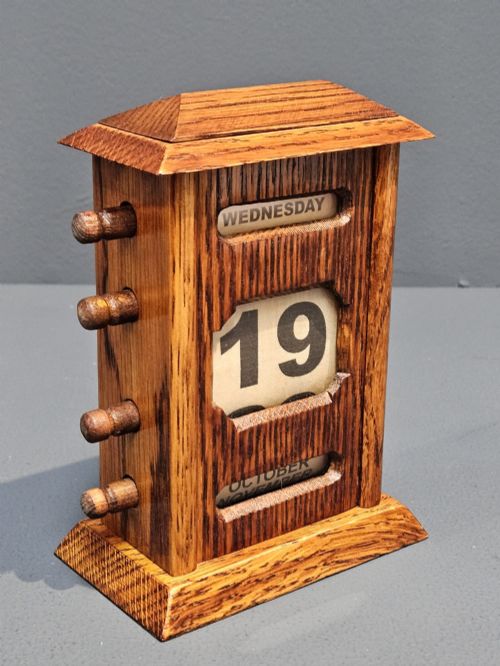
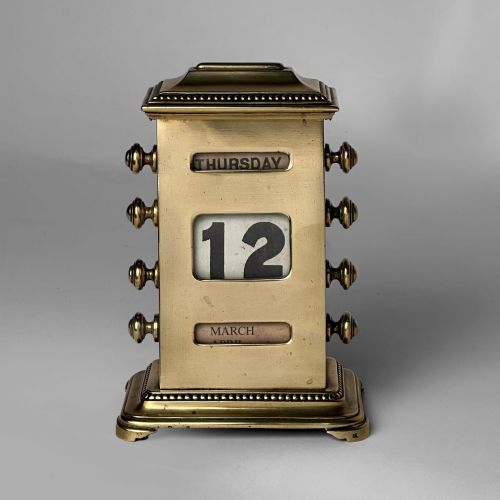
An antique date display encompasses practical calendar mechanisms, marked ceramics and inscribed objects that record specific days or years. Buyers seeking an antique date display encounter perpetual calendars made from brass and mahogany, alongside desk accessories and ceramic wares bearing precise dates.
The material record spans the nineteenth and twentieth centuries, taking in Victorian brass work, Edwardian desk pieces and mid-century items. These objects range from wall-mounted office calendars to personal wristwatches and cabinet plates with factory date codes.
Materials and construction
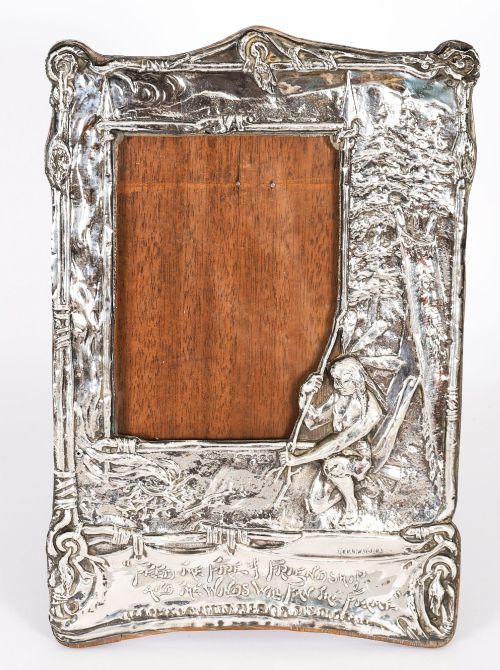
Makers utilised durable hardwoods like mahogany alongside cast brass and silver to construct mechanical calendar frames and desk clips. These structural metals and timbers support sliding panels and paper cards designed for daily adjustment.
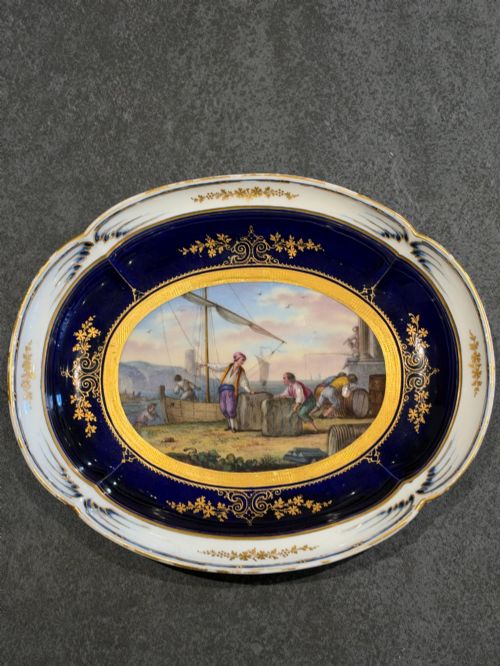
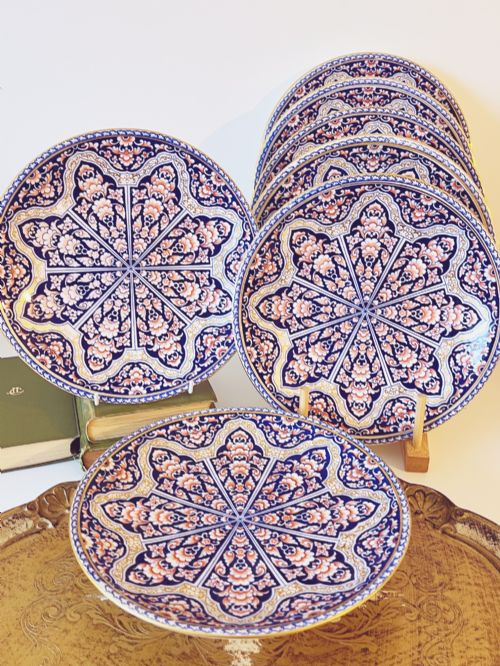
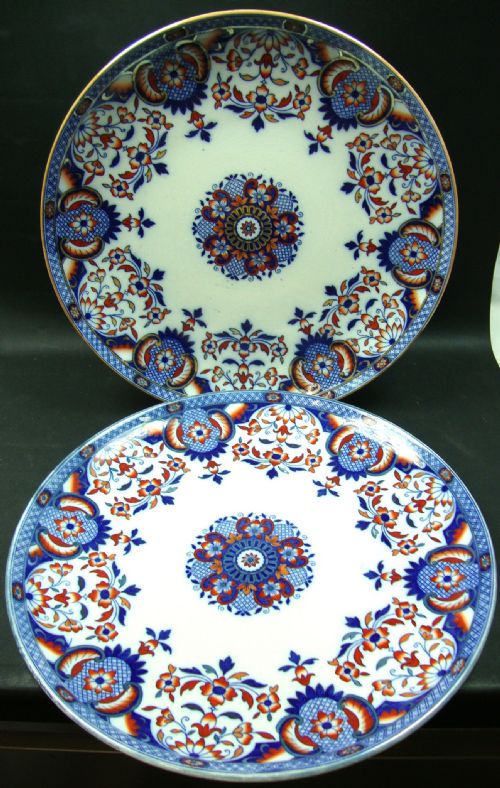
Ceramic pieces receive underglaze blue, gold leaf, and Imari colours applied to earthenware and porcelain bodies. Marked wares demonstrate factory firing techniques and hand-painted details that preserve precise production years.
Antique Date Display Retail Price Guide 2026
Typical asking prices for date display among the pieces listed under this phrase on Sellingantiques today, from the lower quarter to the upper quarter. They describe what is for sale here now, not the wider market.
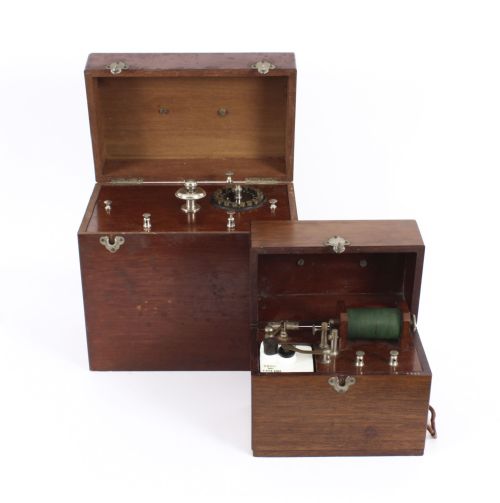
A fish preserved by taxidermy shares calendar space with mechanical desk clips and nineteenth-century medical devices.
Assessing the pieces
Quality rests on the crispness of cast brass lettering, the stability of mahogany joinery, and the legibility of calendar dials. Finer examples maintain original moving components and intact paper or card inserts without modern replacements.
Ceramic date displays depend on the clarity of factory marks, hand-painted precision, and the preservation of gilt or enamel decoration. Pieces with documented makers or specific presentation inscriptions command greater interest among collectors.
William Tonks of Birmingham·James Jones of London·Royal Crown Derby·Royal Worcester·Mintons·Kinkozan Satsuma
The Antique Date Display Glossary
- Perpetual calendar
- A mechanical device designed to show the day and date indefinitely through adjustable cards, drums or pointers. These desk and wall accessories appeared frequently in Victorian and Edwardian offices.
- Date mark
- A stamped letter, cipher or numerical code used by potteries and metalworkers to indicate the exact year of manufacture. Factory ciphers allow collectors to date ceramics precisely.
- Imari
- A decorative style featuring iron red, cobalt blue and gold leaf, originating in Japan and later imitated by European potteries. Mintons and other makers produced large ceramic chargers in this palette.
- Electro therapy device
- A medical apparatus utilising electrical currents, often marked with institutional names and specific dates of manufacture. These scientific instruments reflect nineteenth and early twentieth-century medical history.
- Desk clip
- A spring-loaded metal and wooden accessory used to hold papers, frequently combined with calendar functions on Victorian and Edwardian writing desks.
Antique Date Display: Frequently Asked Questions
How do perpetual calendars work?
Perpetual calendar mechanisms use rotating drums, sliding cards or movable pointers to align days of the week with calendar dates. Users manually adjust these components as months progress.
Most mechanical examples from the nineteenth and twentieth centuries rely on brass frameworks mounted to mahogany or tortoiseshell panels.
Can I read factory date codes?
Many British potteries and metalworkers stamped their products with specific letter or number codes denoting the year of production. These marks help verify the exact age of marked ceramic plates and metal accessories.
Matching the stamped symbol against standard factory registers reveals the precise manufacturing period.
Where were these pieces used?
Desk accessories and wall-mounted calendars functioned in professional offices, libraries and domestic studies during the Victorian and Edwardian eras. They provided a reliable daily reference before digital timekeeping.
Larger decorative ceramics and presentation bronze vases served as ornamental display items in period interiors.
How do I care for wooden calendars?
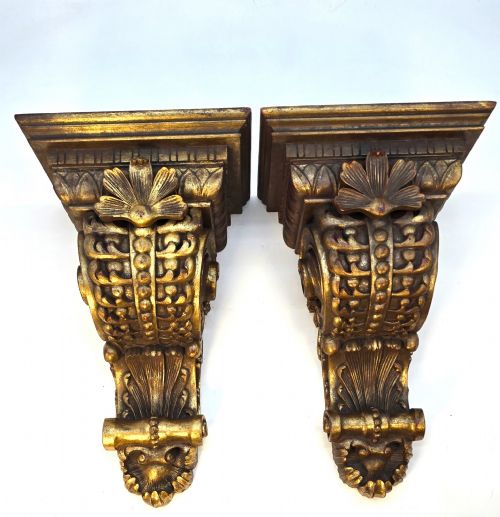
Keep wooden calendar frames and mahogany wall brackets away from direct sunlight and sudden temperature changes to protect the timber and paper elements. Dust gently with a dry cloth.
Avoid applying liquid polishes directly to antique paper inserts or mechanical joints to prevent moisture damage.