
Antique Dangling Earrings
Antique dangling earrings bring movement and light to the ear, spanning Victorian designs through to Mid-Century styles.
Antique Dangling Earrings
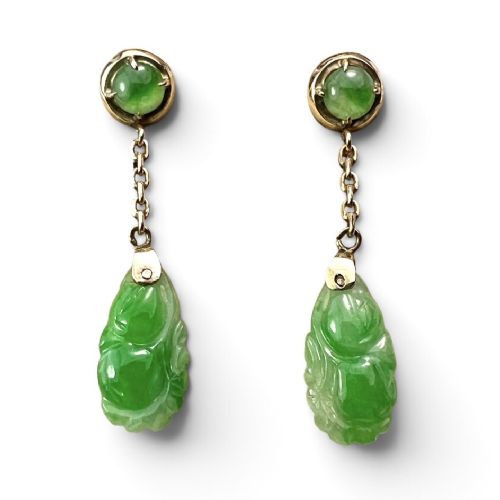
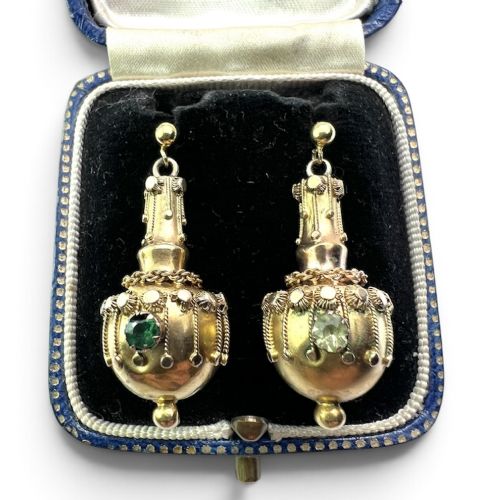
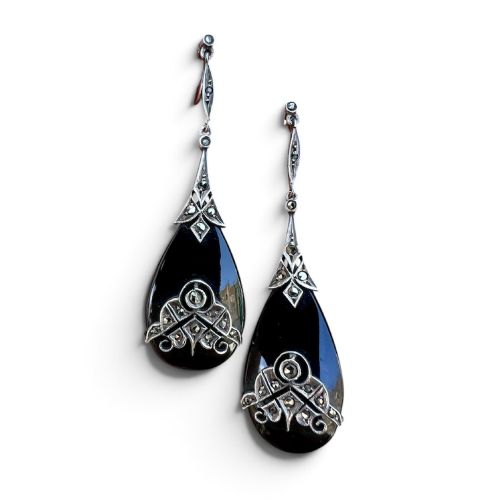
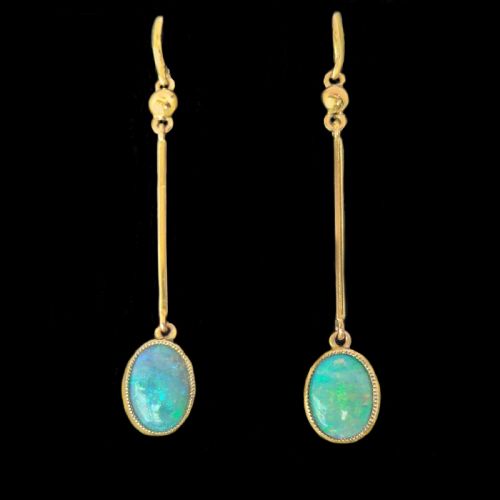
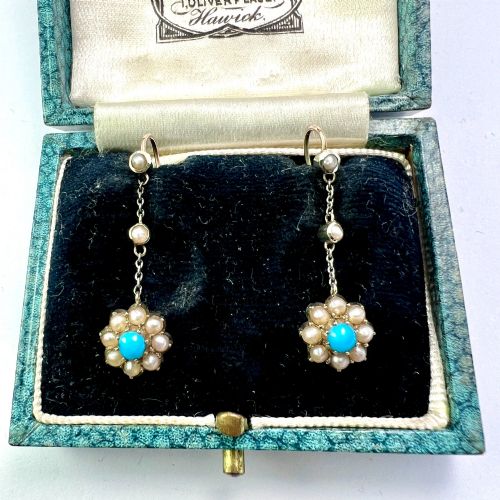
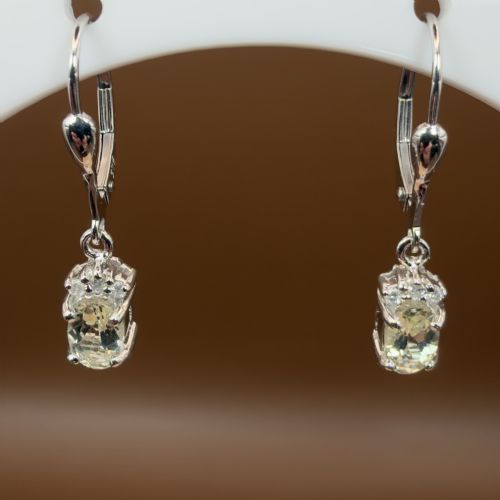
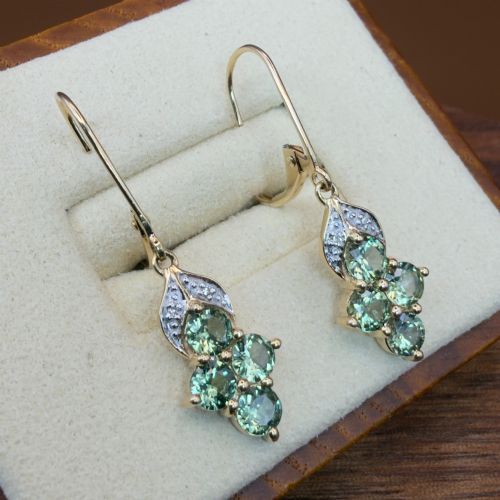
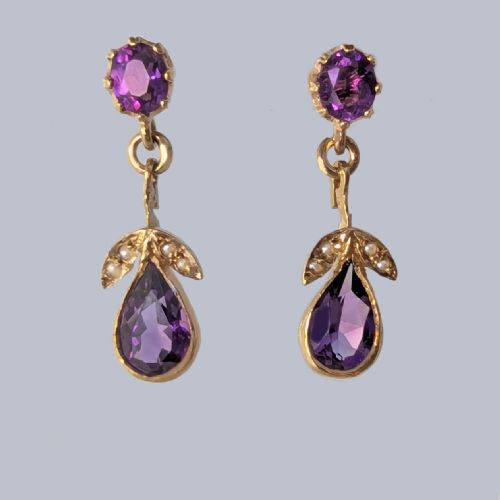
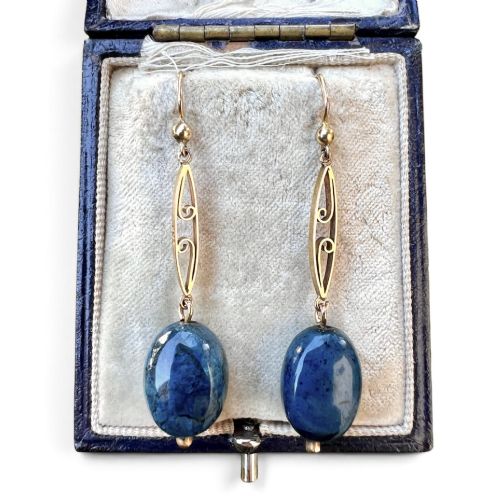
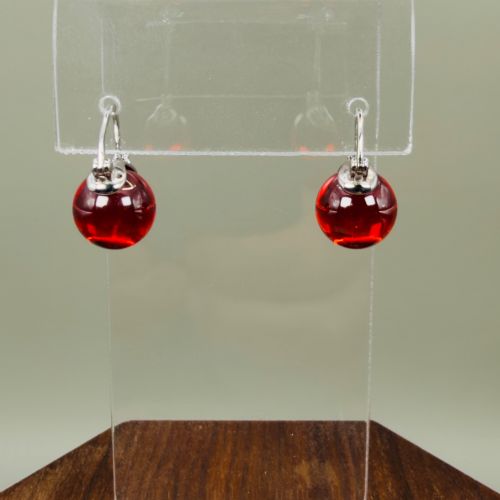
When you search for antique dangling earrings, you encounter drop and chandelier forms designed to swing below the earlobe. The pieces on this page span Victorian, Edwardian, and Art Deco periods, bringing together everything from simple chain drops to elaborate cluster designs.
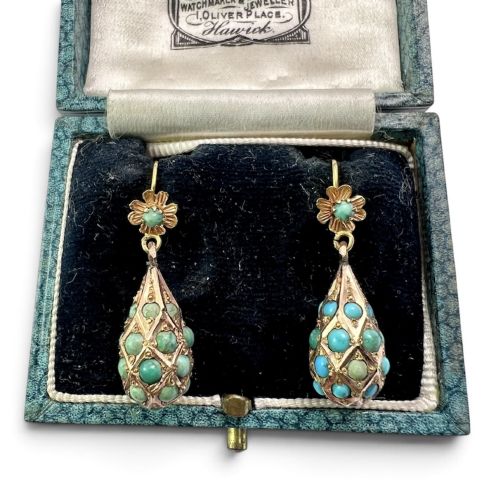
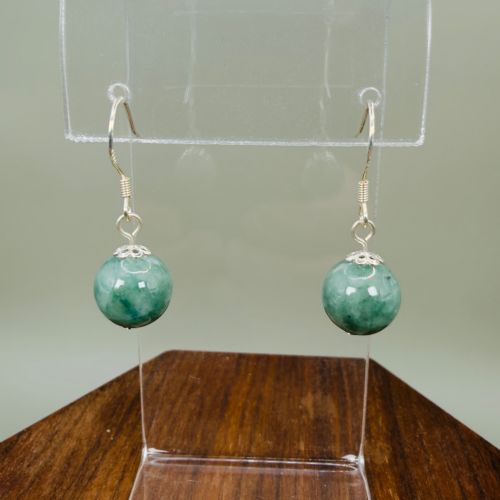
Victorian examples frequently utilise gold with garnet, turquoise, or malachite, often incorporating Etruscan Revival motifs like amphorae and lover's knots. Edwardian and Art Deco iterations lean towards platinum, silver, and white gold set with diamonds, jade, and amethyst.
Drop earrings and dangly hoops dominate the selection, accompanied by chandelier styles that use tiered stones for maximum movement. Buyers find both pierced and screwback configurations depending on the decade of manufacture.
How they were made
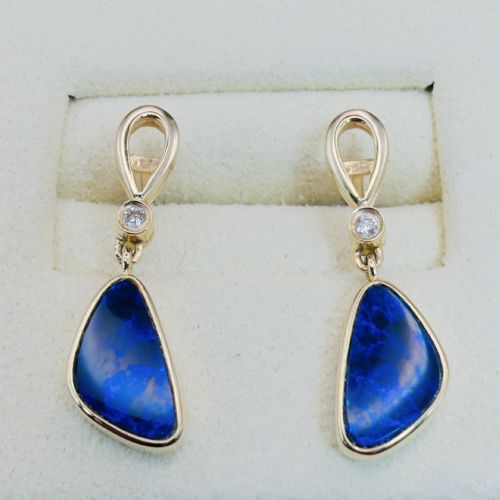
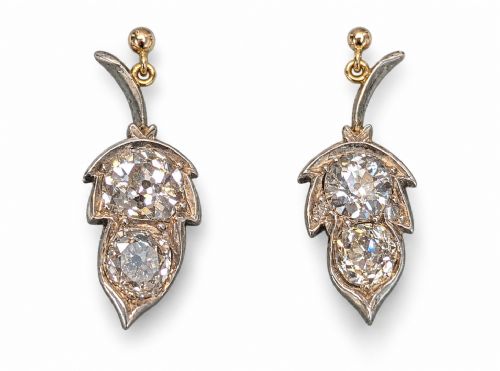
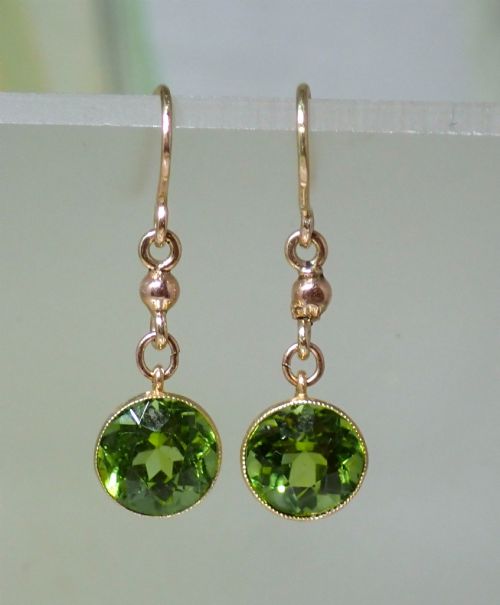
Craftsmen built these items using 9ct and 15ct gold, sterling silver, and platinum, frequently combining gold and silver in older settings to throw light onto old-cut diamonds. Stones such as peridot, citrine, opal, and turquoise were secured via claw or collet settings.
Art Deco and Edwardian pieces demonstrate fine milling, pierced work, and the integration of marcasite alongside gems like jade and carved paste. Victorian workshops often employed granulation and wirework to achieve intricate Etruscan Revival textures.
Tassel fringes and chain drops required delicate link construction to ensure fluid motion, while screwback mechanisms provided options for non-pierced ears in later decades.
A surprising number of tiny serpents wind their way down Victorian drops, proving that nineteenth-century romance had a distinctly slithery edge.
What varies in quality
The distinction between standard examples and the finest work lies in the harmony of the stones and the delicacy of the metalwork. Superior pieces display matched, high-clarity gems and precise stone-cutting that maximises brilliance.
Original configurations and intact settings elevate a pair, particularly when delicate chain links or granulation remain entirely undamaged over the decades. The crispness of the bezel work and the weight of the precious metal indicate the maker's original investment of time and skill.
Knoll and Pregizer
The Antique Dangling Earrings Glossary
- Old-Cut
- A diamond cut characteristic of older periods, featuring a smaller table and a higher crown that catches candlelight rather than electric illumination. These stones possess a softer, warmer glow than modern brilliant cuts.
- Marcasite
- Small faceted pieces of iron pyrite set closely into silver to create a sparkling, metallic border. This technique was popular in Art Deco and Edwardian jewellery.
- Etruscan Revival
- A Victorian design movement inspired by archaeological discoveries, utilising granulation and gold wirework. These pieces emulate ancient Etruscan gold artefacts.
- Chandelier
- A multi-tiered earring design that spreads downwards in successive drops. They generate substantial movement and light.
Antique Dangling Earrings: Frequently Asked Questions
Are these earrings for pierced ears?
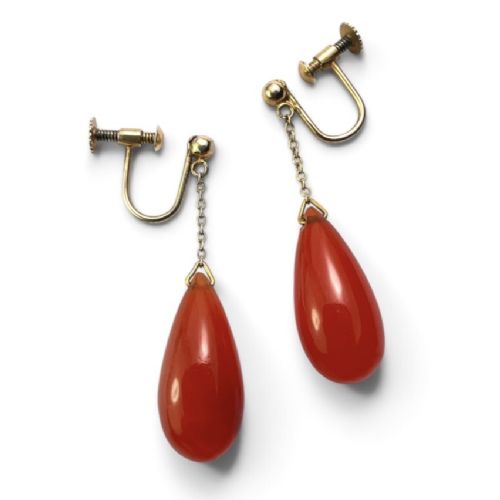
The selection includes configurations for both pierced ears and non-pierced lobes, depending on the manufacturing period. Screwback mechanisms appear frequently in mid-century and art deco items.
Older Victorian and Edwardian examples often feature standard wire hooks or posts suitable for pierced wear.
How do I date an antique pair?
Dating relies on the combination of precious metals, stone cuts, and stylistic motifs present in the drop. Victorian pieces often use lower-carat golds with organic or Etruscan revival themes.
Later Edwardian and Art Deco iterations introduce platinum, geometric patterns, and calibrated stones like jade or onyx.
What is the difference between drop and chandelier styles?
Drop earrings typically feature a single suspended element hanging below the earlobe, creating a clean vertical line. Chandelier designs expand into multi-tiered arrangements with wider silhouettes.
Both styles rely on articulation to ensure movement when worn.
How should I store hanging earrings?
Hanging items benefit from being stored flat or hung individually on a dedicated jewellery rack to prevent chains and fringe tassels from tangling. Keeping them separated protects delicate stones like opal and turquoise from abrasion.
Store them away from direct sunlight to preserve the colour of sensitive gems.