



Antique Cut Rummer
These antique cut rummer pieces are hefty English drinking glasses from the Georgian, Regency, and Victorian eras, prized by collectors for their weight and brilliance.
Antique Cut Rummer
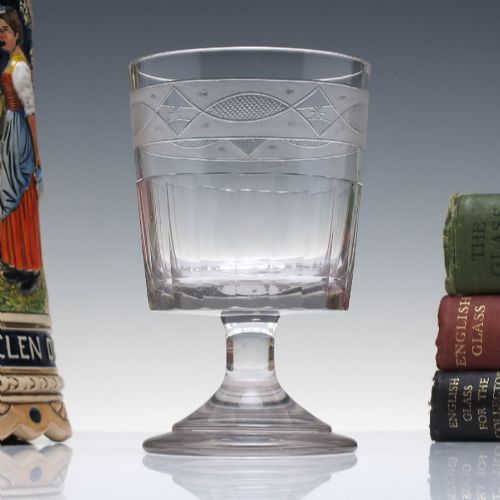
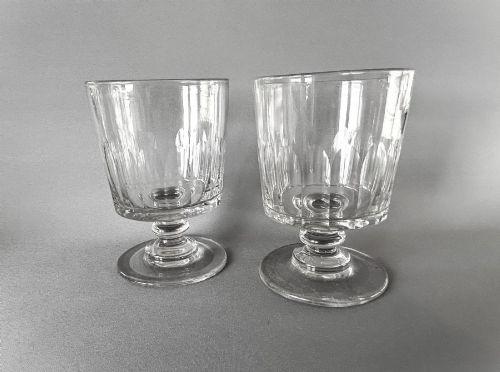
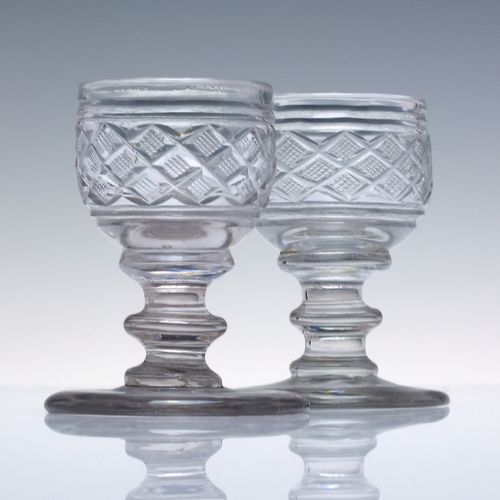
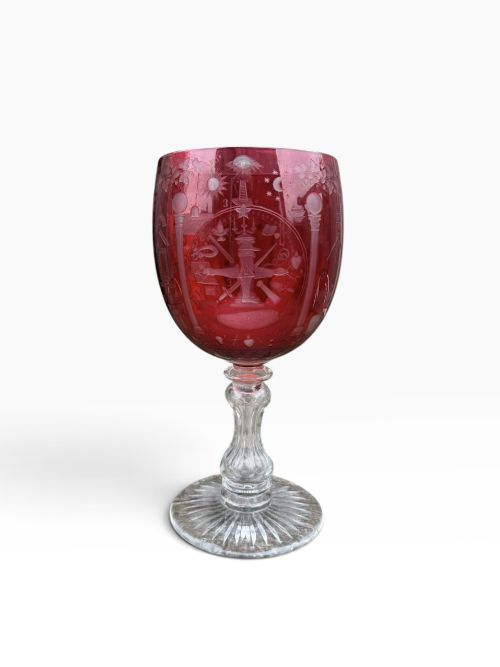
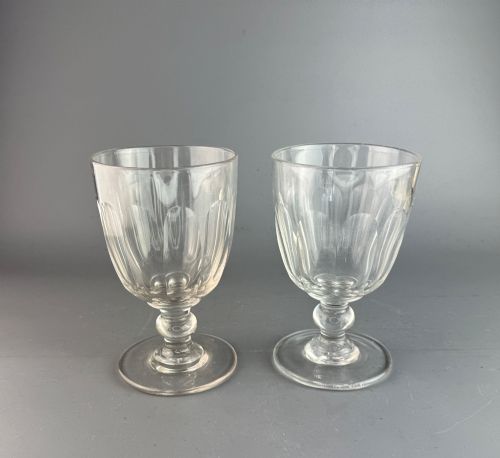
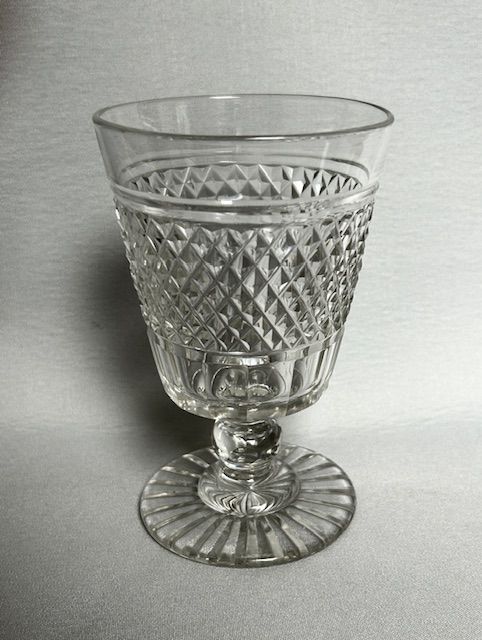
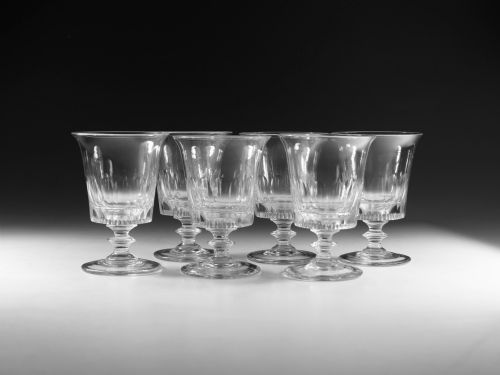
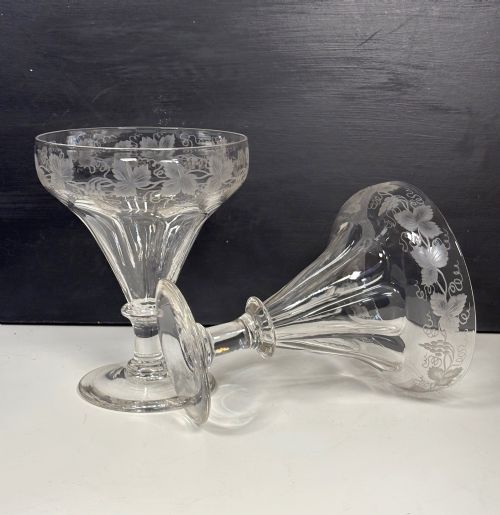
When you search for an antique cut rummer, you are looking at substantial English drinking vessels designed for robust toasts rather than delicate sipping. The pieces appearing here span from the Georgian period through the Victorian era, taking forms such as bucket rummers, pan rummers, and dram glasses.
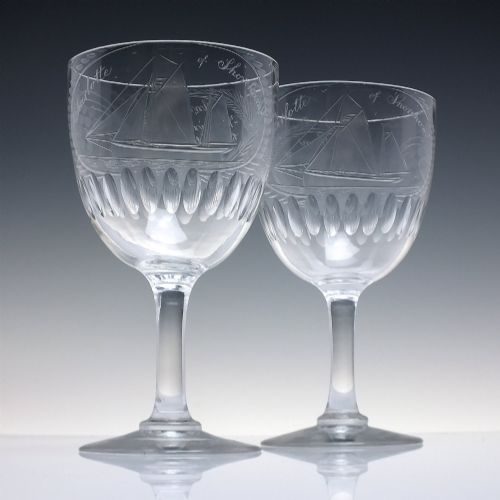
You are most likely to meet clear lead crystal and cut glass examples featuring heavy bases and generous bowls. Some items arrive as pairs or sets of six, while others stand alone as remarkably large display pieces.
How they were made
These glasses rely heavily on lead glass and heavy crystal, materials chosen for their clarity and capacity to take deep facets. Artisans shaped the metal by hand before applying wheel-cut decoration such as hobnail patterns.
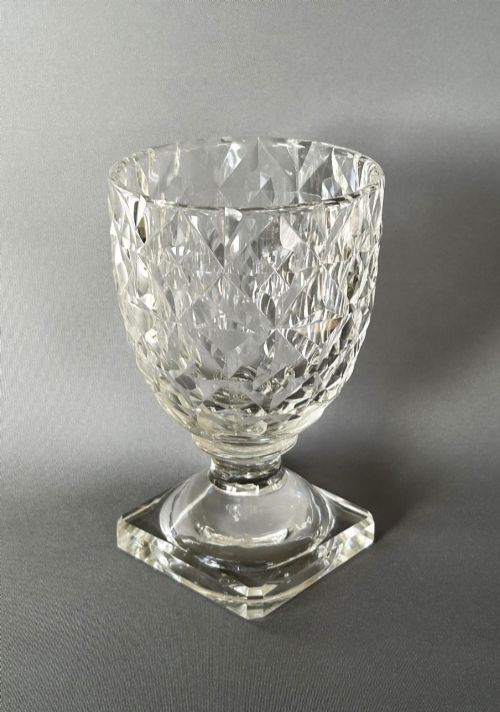
Production techniques also involved engraving the bowls and forming distinct bases, including square lemon squeezer feet and sturdy baluster stems.
Antique Cut Rummer Retail Price Guide 2026
Typical asking prices for cut rummer among the pieces listed under this phrase on Sellingantiques today, from the lower quarter to the upper quarter. They describe what is for sale here now, not the wider market.
Listings span four distinct eras: Georgian, Regency, Victorian, and Edwardian, showcasing lead crystal, clear glass, and cranberry glass.
What varies in quality
Quality rests upon the depth and crispness of the cutting across the bowl and the stability imparted by the base. Pieces with square lemon squeezer feet or heavy baluster stems demonstrate superior ambition in shaping.
The Antique Cut Rummer Glossary
- Rummer
- A large English drinking glass used in the eighteenth and nineteenth centuries for wine, beer, or punch. These vessels are notable for their thick walls and heavy footed bases.
- Hobnail cut
- A raised geometric pattern resembling the head of a hobnail, frequently cut into the lower body of Georgian and Regency glassware to catch the light.
- Lemon squeezer foot
- A square, moulded glass base with indented corners that mimics the shape of a domestic kitchen juicer. It is typically found on quality Anglo-Irish and Georgian pieces.
- Baluster stem
- A sturdy, shaped stem resembling an architectural baluster that elevates the heavy bowl of a drinking glass. It provides a secure grip on substantial vessels.
- Pan rummer
- A rummer featuring a wide, straight-sided bowl with a flat bottom. This form showcases broad horizontal or vertical cutting.
Antique Cut Rummer: Frequently Asked Questions
What were rummers used for?
These large vessels served as everyday drinking glasses for ale, wine, and punch in homes and taverns during the Georgian and Victorian periods.
Their robust construction meant they could handle hearty toasts and regular use without easily tipping or breaking.
How do I date an antique rummer?
Dating relies on observing the form of the bowl, the style of cutting, and the shape of the base or stem. Georgian and Regency examples often feature heavy lead crystal and square lemon squeezer feet, while later Victorian pieces show different proportions and engraving styles.
Comparing the weight and optical properties of the glass also helps place the piece within its correct nineteenth-century decade.
Can I use antique rummers for drinks today?
Many collectors enjoy using their heavy crystal rummers for wine, water, or spirits during special dinners. Hand washing in warm water is essential to protect the historic lead glass from thermal shock and chemical damage.
Careful handling ensures these durable nineteenth-century objects continue to serve at the table.
Why are some rummers called Anglo-Irish?
The term reflects the flourishing glass trade between England and Ireland following the lifting of trade restrictions in the late eighteenth century. Irish glasshouses produced exceptionally heavy, deeply cut crystal that was prized across Britain.