

Antique Cut Glass
When you search for antique cut glass, you enter a world of heavy crystal, sharp facets, and polished vessels designed to catch the light.
Antique Cut Glass
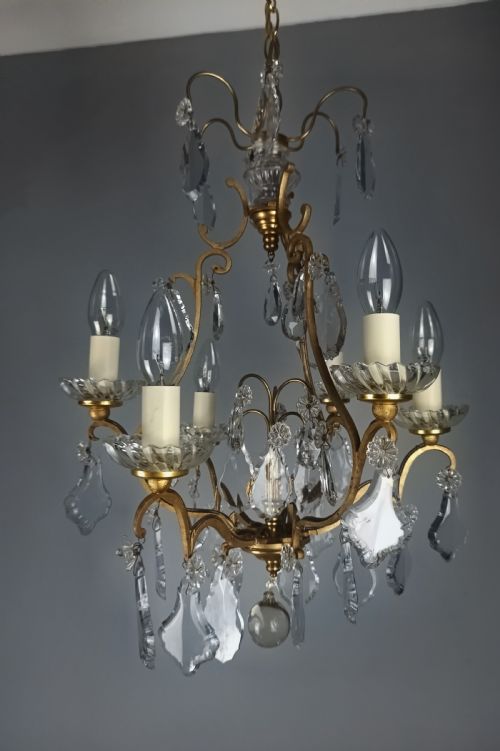
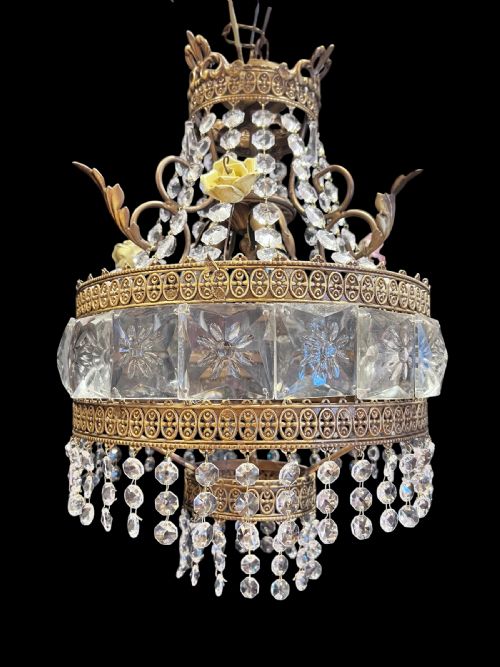
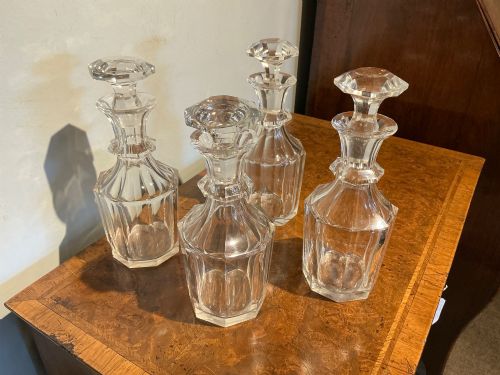
When browsing antique cut glass, you encounter a diverse array of domestic and decorative objects spanning the Georgian, Victorian, Edwardian, and Art Deco periods. The selection includes heavy decanters, stemware, scent bottles, and large chandeliers hung with crystal prisms.
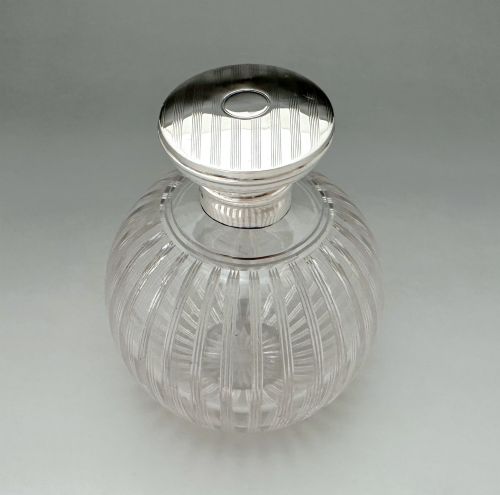
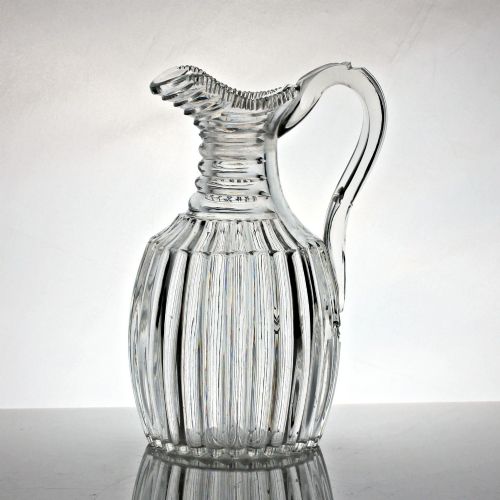
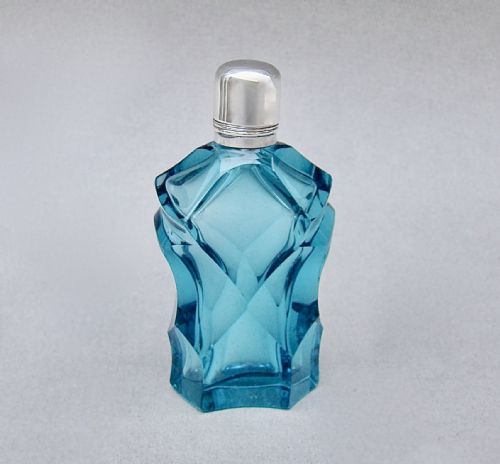
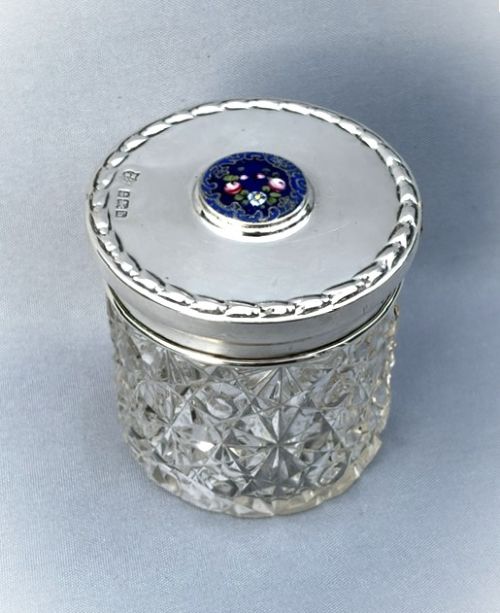
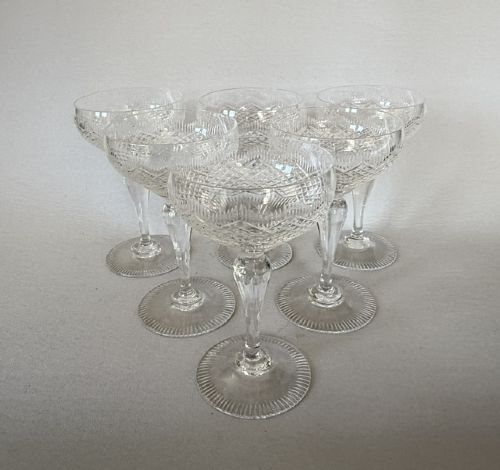
Tableware forms such as rummers, jugs, champagne bowls, and finger bowls appear frequently alongside mounted scent bottles and inkwells fitted with sterling silver or plated mounts. Pieces originate from British, French, and Bohemian makers, reflecting shifting domestic habits from dining room hospitality to dressing table luxury.
The material takes many functional shapes, from ships decanters designed for stability at sea to towering chandeliers intended for formal reception rooms. Each category demonstrates how deeply faceted glass was integrated into daily life across the nineteenth and early twentieth centuries.
How they were made
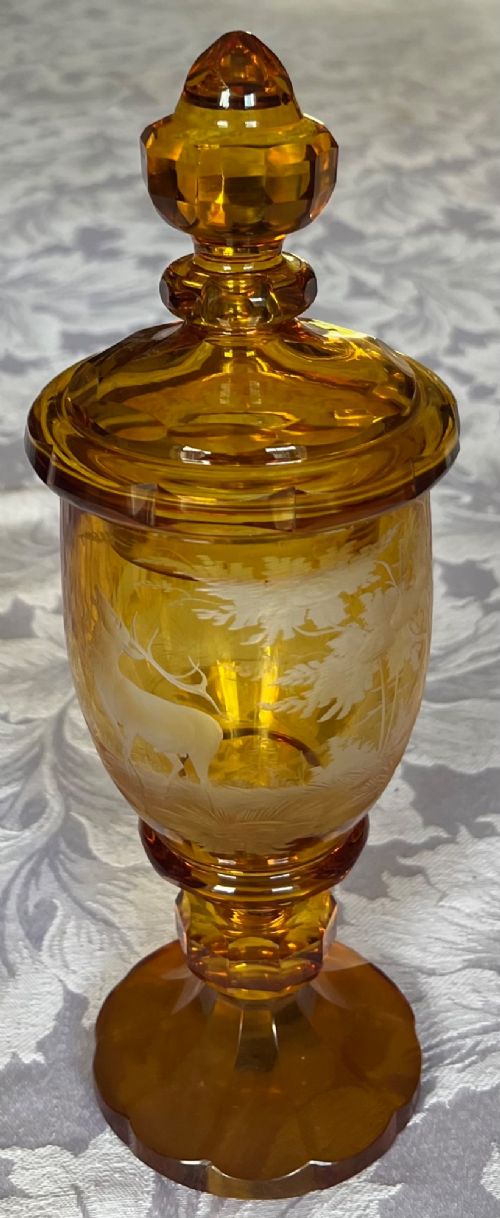
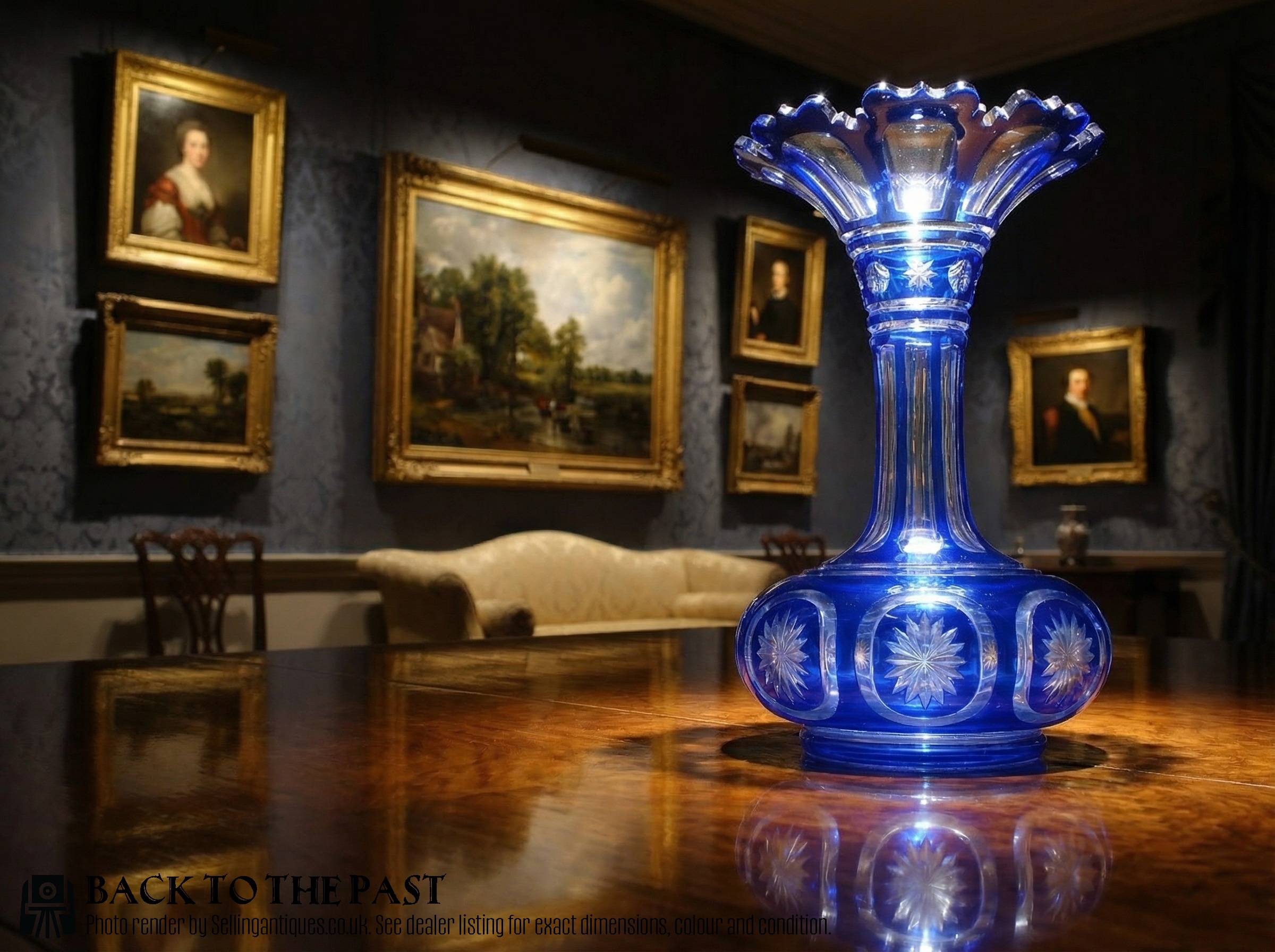
Makers shaped these objects using heavy lead crystal or standard glass, often combining the vitreous body with sterling silver, silver plate, or brass mounts. Coloured glass overlays in amethyst, blue, green, and cranberry required a double-layer technique where the outer hue was cut away to reveal clear glass beneath.
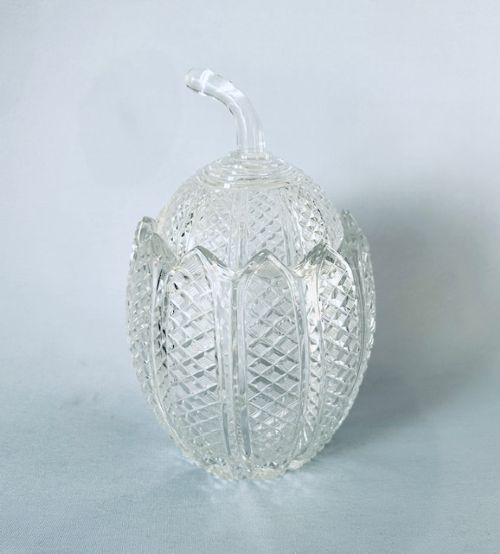
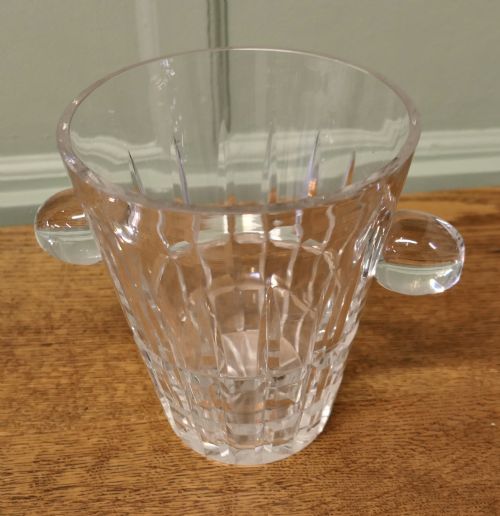
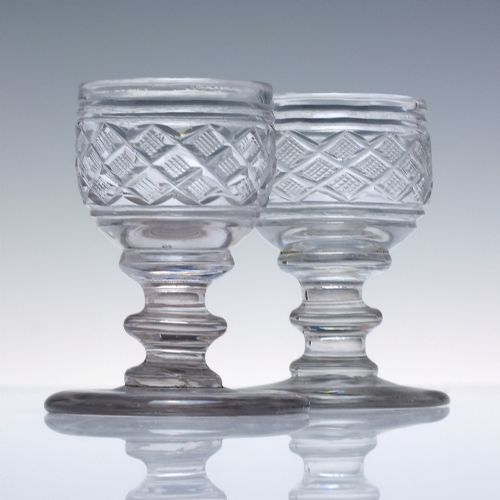
The characteristic facets were applied using abrasive wheels of varying textures, followed by polishing with cork or felt to restore transparency to the cut recesses. Master artisans employed pillar cutting, prism cutting, and thumb-cutting to create geometric patterns that fractured light from every angle.
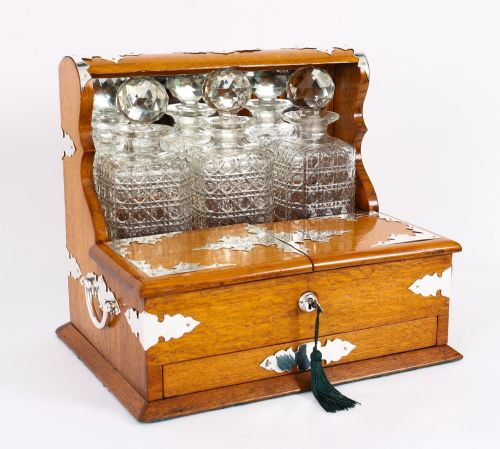
Some nineteenth-century decanters included locking wooden tantalus frames, designed specifically to keep thirsty houseguests away from the whiskey.
What varies in quality
The distinction between ordinary items and exceptional examples lies in the crispness of the cutting and the weight of the metal. Deep, clean facets with sharp edges demonstrate superior craftsmanship compared to shallow, rounded impressions.
Quality also rests in the integration between the glass body and its metal mounts, whether sterling silver, silver plate, or brass. Heavier lead crystal blanks provide a sonorous ring and greater clarity, elevating the piece well above standard moulded glass imitations.
James Giles·Stevens and Williams·The Boots Company·Henry Clifford Davis·Elkington·WMF·Baccarat
The Antique Cut Glass Glossary
- Lead crystal
- Glass containing a high proportion of lead oxide, which increases weight, refractive index, and clarity. This heavy material allows for deeper, sharper facet cutting than standard soda-lime glass.
- Overlay
- A technique where a layer of coloured glass is fused over a clear glass body. Subsequent cutting through the outer layer exposes the contrasting clear glass underneath.
- Rummer
- A large, sturdy stemmed drinking glass popular in the eighteenth and nineteenth centuries. They were typically used for ale, wine, or punch.
- Tantalus
- A locking wooden frame holding two or three decanters to prevent access to the contents without a key. They frequently incorporated cut glass vessels with sterling silver or plated hardware.
- Thumb-cut
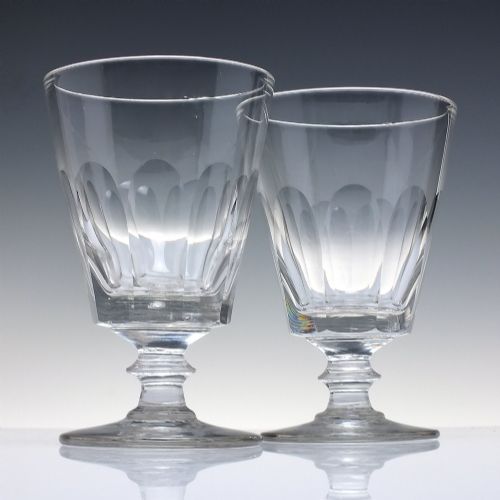
- A decorative pattern featuring shallow, concave depressions resembling thumbprints ground into the surface of the glass. This method was widely used on Victorian and Georgian drinking vessels.
Antique Cut Glass: Frequently Asked Questions
How do I date antique cut glass?
Dating relies heavily on the style of the cutting, the shape of the vessel, and any associated metal mounts. Georgian pieces often feature heavy, pillar-cut profiles, while Victorian and Edwardian examples frequently incorporate sterling silver collars with clear hallmarks.
Changes in manufacturing techniques and design trends across the nineteenth century also help narrow down the period. Comparing the object to documented pieces from makers like Baccarat or Stevens and Williams provides further chronological context.
Are coloured glass overlays difficult to care for?
Coloured overlays require gentle handling because the outer layer of glass is fused to a clear core. Wash them by hand in lukewarm water using mild detergent, avoiding sudden temperature changes that might stress the material.
When fitted with sterling silver or silver plate mounts, keep moisture away from the metal joins to prevent tarnishing and corrosion. Proper storage away from direct sunlight preserves the rich hues of amethyst, green, and cranberry glass.
What is the difference between crystal and glass?
True crystal contains a significant percentage of lead oxide, which gives the material a heavier feel and a brighter sparkle. When struck, genuine lead crystal produces a clear, resonant tone rather than a dull thud.
Victorian and Edwardian manufacturers utilised this heavy material to achieve deeper facet cuts that ordinary soda-lime glass could not support. This distinction is particularly evident in high-end decanters and chandeliers.
How were silver-mounted scent bottles used?
Silver-mounted scent bottles served as essential personal accessories for holding perfumes and smelling salts during the Victorian and Edwardian eras. They were often tucked into evening bags or displayed prominently on dressing tables.
The hinged or screw-top silver lids, frequently bearing Birmingham or London hallmarks, kept volatile fragrances sealed securely inside the cut glass bodies.