


Antique Cut Glass Pots
These antique cut glass pots range from Edwardian vanity jars to Victorian inkwells, combining heavy glass bodies with precious metal mounts.
Antique Cut Glass Pots
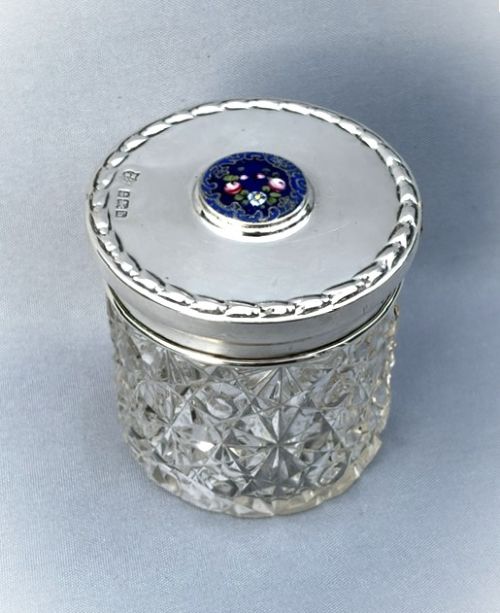
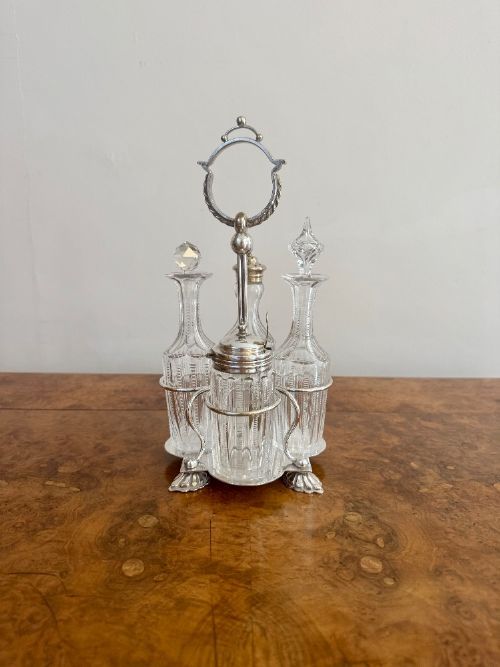
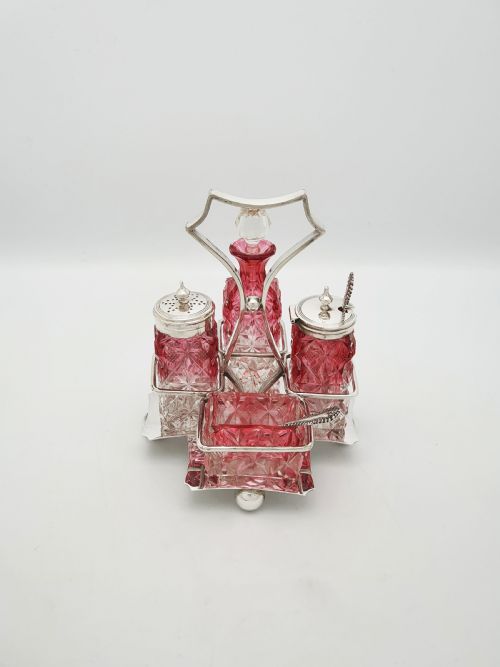
Antique cut glass pots encompass a diverse array of functional vessels designed for the vanity, dining table and desk, including trinket boxes, dressing table jars, cruet sets, inkwells and mustard pots. These pieces typically combine a heavy glass or lead crystal container with fitted metal mounts, such as sterling silver, silver plate or brass.
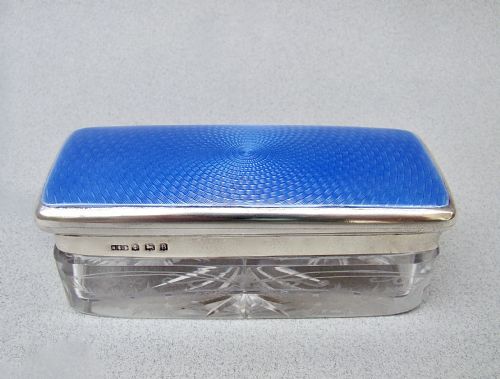
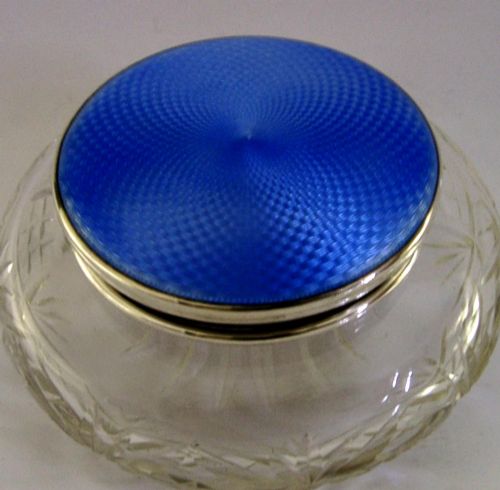
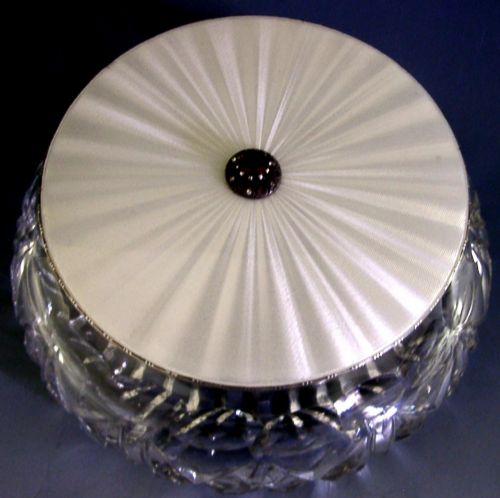
The selections span multiple eras, with Edwardian and Victorian examples appearing frequently alongside earlier Georgian items and later Art Deco designs featuring coloured enamel or guilloché work. Tableware forms such as salt cellars and condiment jars sit alongside boudoir accessories like rouge pots and powder jars.
Makers and manufacturers ranging from local silversmiths to prominent firms like Asprey and Tiffany produced these containers to serve practical daily functions while displaying decorative craftsmanship. Buyers encounter everything from single preserve jars to multi-bottle cruet frames.
How they were made
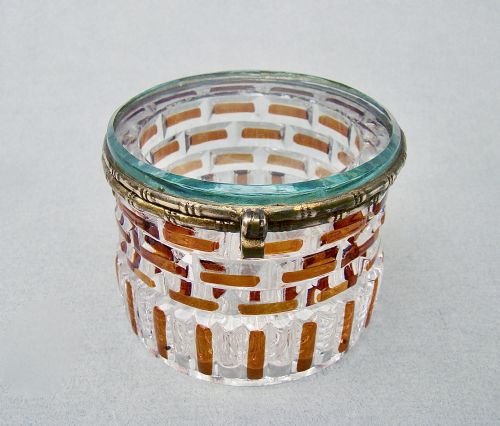
The body of each piece relies upon lead crystal or cut glass, shaped by blowing or moulding before artisans applied wheel-cutting techniques to carve geometric or floral patterns into the surface. This heavy cutting creates the characteristic refraction and weight expected in quality items.
Metal mounts, lids and collarsutilise sterling silver, silver plate, or brass, often secured to the glass neck with specialised adhesives or tight mechanical fits. Many incorporate hinged lids, while dressing table variants frequently pair the metalwork with coloured enamel or guilloché decoration.
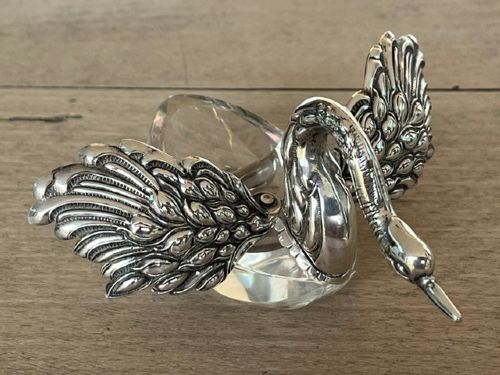
Several examples include movable swan wings and carriage frames, turning mundane condiments and matches into delightful tabletop novelties.
What varies in quality
The clarity and depth of the glass cutting dictate the visual crispness of a piece, distinguishing deep, hand-polished facets from shallow mouldings. Heavier lead crystal provides a more resonant ring and greater heft in the hand.
The substance of the metal mounts and the complexity of the accompanying work, such as hand-applied enamel or structural silver hallmarking, separate standard utility containers from finer dressing table accessories.
Henry Clifford Davis·Mappin Brothers·Hasset and Harper·Asprey and Co.·Tiffany and Co.
The Antique Cut Glass Pots Glossary
- Cruet set
- A collection of small glass bottles or pots mounted in a metal stand, used for holding condiments at the dining table. These often include mustard pots, salt cellars and oil cruets.
- Guilloché
- A decorative technique where a precise, intricate pattern is mechanically engraved into metal beneath a translucent layer of enamel. It appears frequently on Art Deco dressing table lids.
- Lead crystal
- A type of glass containing metallic oxide that increases the refractive index, weight and clarity of the material. It allows for deep, sharp wheel-cutting.
- Match striker
- A textured glass container designed with a rough surface portion specifically for igniting safety matches. They commonly feature a sterling silver collar.
- Trinket box
- A small lidded container intended for holding jewellery or small personal accessories on a dressing table. They frequently employ silver mounts and hinged lids.
Antique Cut Glass Pots: Frequently Asked Questions
What were antique cut glass pots used for?
These vessels served diverse domestic purposes across the dining room, desk and dressing table. Households utilised them to hold condiments, preserve jams, store small trinkets, dispense ink or apply cosmetics.
Their dual role as functional items and decorative objects meant they were kept on display in dining rooms and boudoirs alike.
How do I identify an Edwardian cut glass pot?
Edwardian pieces often feature bright silver mounts bearing London or Birmingham hallmarks from the early twentieth century. The glass cutting tends to be crisp and geometric, sometimes accompanied by pastel enamelling.
These items frequently reflect the lighter, more elegant tastes of the period compared to heavier Victorian predecessors.
Are the metal mounts solid silver?
The metal components vary depending on the specific piece and its intended function. Many items utilise sterling silver authenticated by official assay office hallmarks, while others consist of silver plate over a base metal or solid brass.
Checking the collar or lid for stamped hallmarks provides immediate confirmation of the metal purity.
How should I clean antique glass and silver pots?
Gentle maintenance preserves both the glass clarity and the aged patina of the metal mounts. Warm soapy water and a soft cloth suffice for the glass body, avoiding harsh abrasives that might scratch the surface.
Silver components benefit from specialised metal polishes applied carefully to avoid contact with the glass or enamel sections.