


Antique Glass Dressing Set
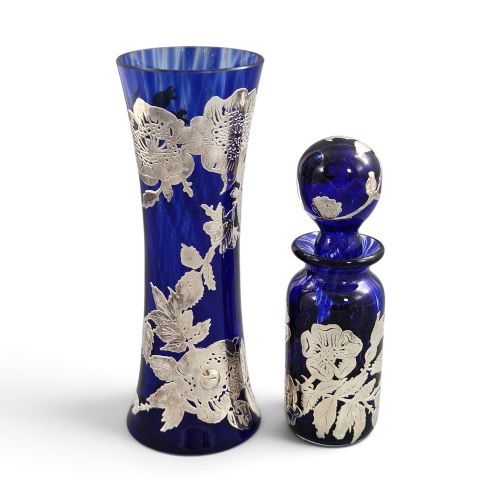
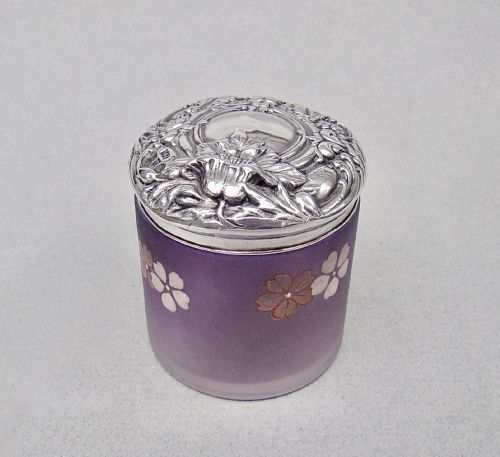
An antique glass dressing set brings silver mounts, cut glass and velvet lining together on the dressing table.
Antique Glass Dressing Set
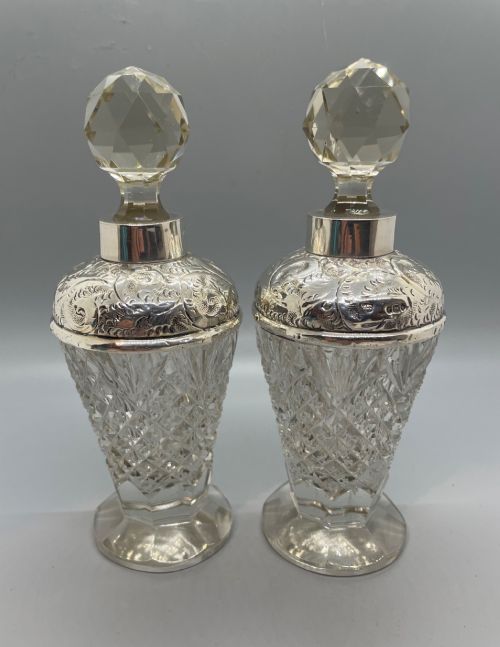
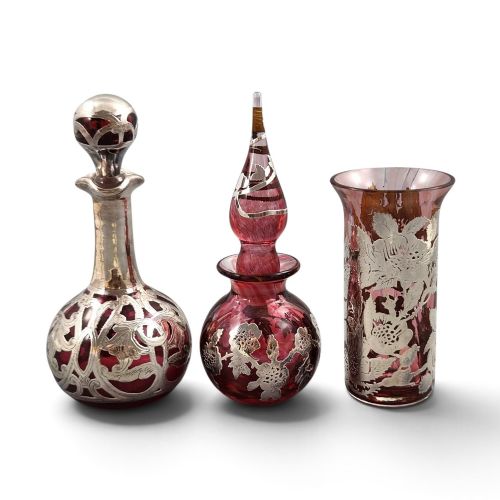
An antique glass dressing set comprises matched groups of scent bottles, jars and perfume containers housed in fitted boxes or displayed upon trays. The pieces you meet most often on this page date from the Victorian and Edwardian periods, alongside later George V and Art Deco examples.
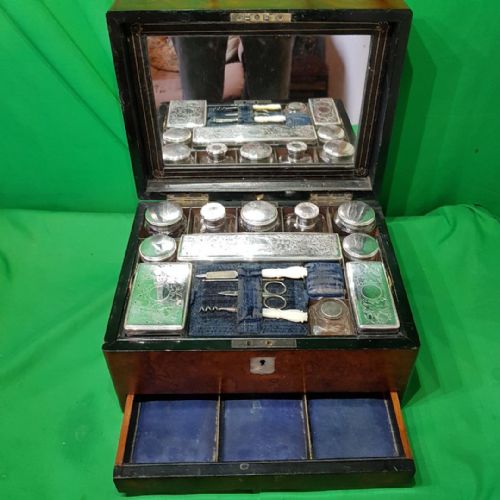
Many sets combine cut glass bottles with sterling silver, brass or enamel lids, sometimes resting inside burr walnut, kingwood or rosewood travel cases lined with velvet and leather. Individual accessories range from single scent caskets to complete five-piece dressing table layouts.
Makers housed these glass vessels in purpose-built vanity boxes and cases featuring fitted compartments for daily grooming essentials. The physical survival of the complete set relies heavily on the durability of the original leather or wooden case.
How they were made
Glass components rely on heavy cutting, moulding and frosting techniques to create faceted patterns or opaque surfaces. Silversmiths then fashioned matching collars, lids and mounts, frequently applying hallmarks or colourful enamel.
Enclosures require precision carpentry in timbers such as burr walnut, coromandel and mahogany, fitted with brass hardware and lined with plush velvet or leather. Artisans secured delicate glass scent bottles within custom partitions to prevent transit damage.
Some gentlemen's travelling sets included hidden compartments alongside celluloid accessories for the Victorian vanity.
What varies in quality
Quality rests upon the weight and clarity of the glass, the thickness of the silver mounts and the intricacy of the timber casework. Heavier cut glass combined with solid hallmarked silver or enamel lids separates finer sets from standard production.
The degree of completeness within fitted dressing boxes defines the upper end of the range. Original velvet linings, fully matched bottle trios and intact leather travel cases elevate individual sets above those with mismatched or missing components.
W M F·Jonathan Douglas·Baccarat·Hermanova
The Antique Glass Dressing Set Glossary
- Cut glass
- Glassware shaped by abrasive wheels to produce deep geometric facets that catch the light. This technique adds substantial weight to scent bottles and jars.
- Scent casket
- A dedicated wooden or brass-mounted box designed to secure perfume bottles upright. These often feature velvet interiors and locking mechanisms.
- Sterling silver
- An alloy containing a high proportion of pure silver, stamped with assay office hallmarks. It forms the lids, collars and mounts on many dressing table bottles.
- Burr walnut
- A highly figured timber veneer prized for its swirling grain patterns. It frequently decorates the exterior of Victorian vanity boxes and travelling sets.
- Enamel
- A durable coloured vitreous substance fused to metal lids through high-heat firing. It introduces vibrant colour accents to Edwardian and Art Deco dressing sets.
Antique Glass Dressing Set: Frequently Asked Questions
What is included in a dressing set?
A standard set comprises cut glass scent bottles, powder jars and perfume containers, sometimes housed in a fitted wooden vanity box.
Complete setups may also incorporate matching silver-mounted brushes, mirrors and smaller accessory boxes.
How do I date an antique set?
Silver mounts carry hallmarks indicating the assay office and year of manufacture, providing an exact date for the metal components.
Stylistic indicators such as Art Deco geometric forms or Victorian burr walnut cases help narrow the production period further.
Were these sets meant for travel?
Many examples are travelling sets built into robust leather or rosewood cases with secure locks and fitted compartments.
Other layouts function as static dressing table sets intended to remain permanently on a vanity surface.
How do I care for the glass and silver?
Gentle cleaning with warm soapy water maintains the clarity of the cut glass without damaging historic surfaces.
Silver mounts require occasional polishing with a soft cloth while taking care to avoid staining adjacent glass or fabric linings.