



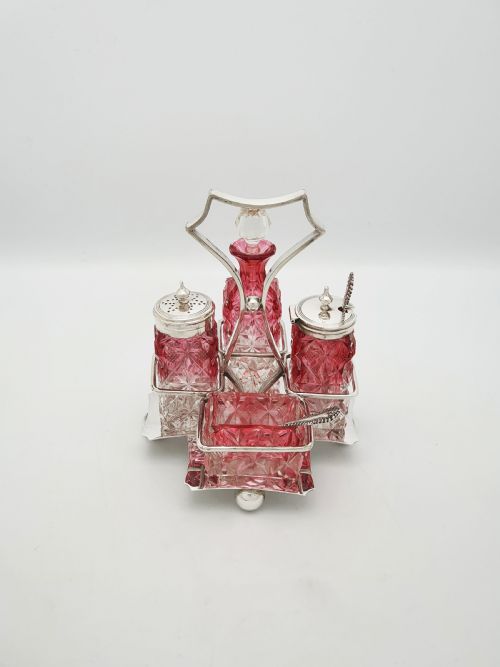


Antique Cut Glass Pot
When you handle an antique cut glass pot, you hold a functional piece of Victorian, Edwardian or Art Deco design that brought daily elegance to dressing tables and dining rooms.
Antique Cut Glass Pot
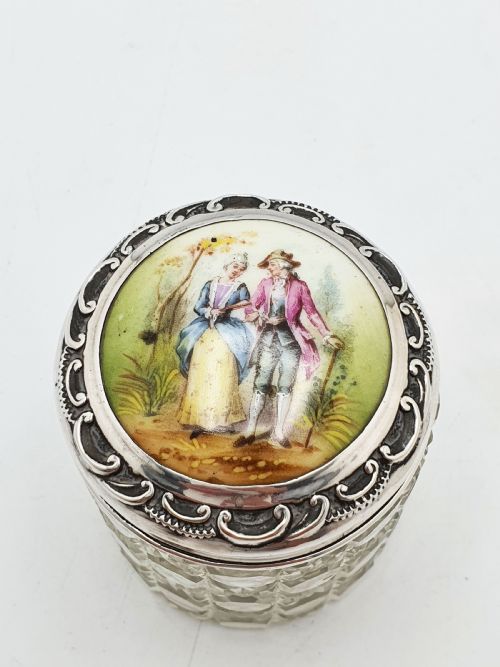
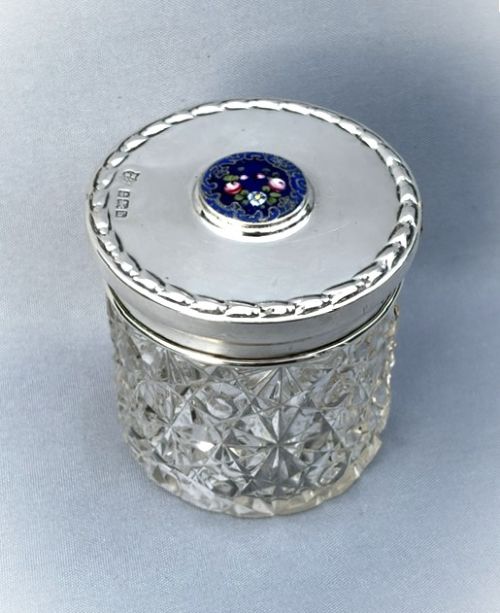
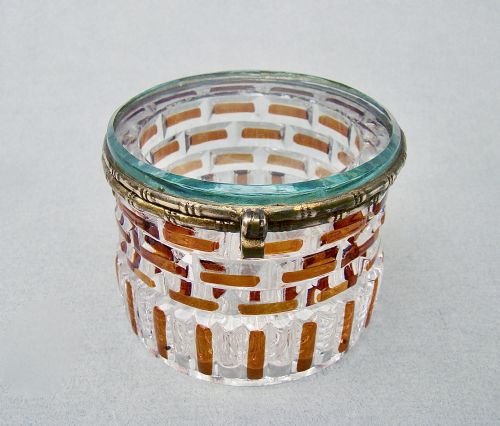
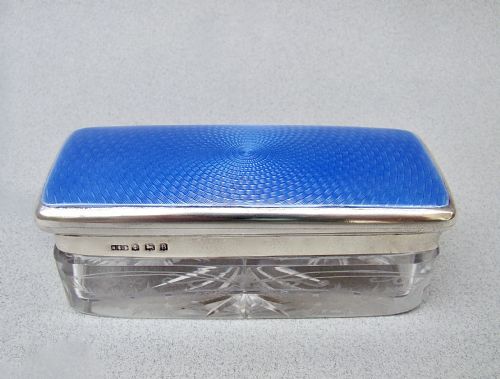
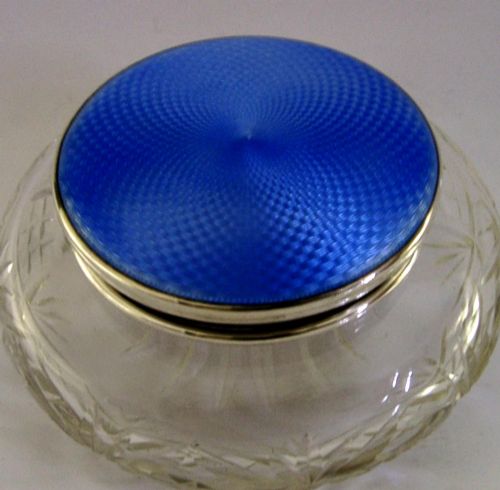
The most common examples on this page date from the Victorian and Edwardian eras, alongside several Art Deco pieces from the nineteen-twenties and thirties. Many incorporate precious metals, utilising sterling silver or silver plate for their hinged or lift-off lids and mounts. Others introduce colour through cranberry flashed glass, amber Baccarat crystal, or vibrant blue and pink enamel lids.
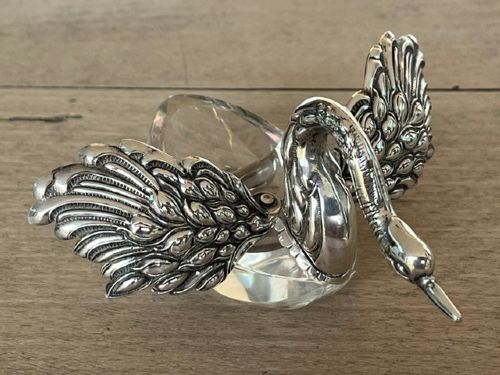
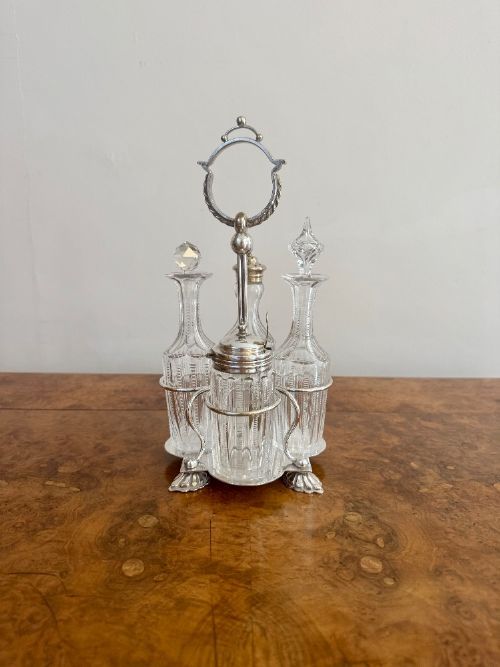
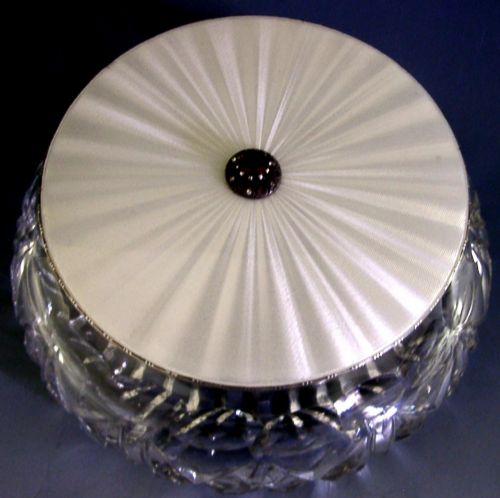
Form follows function across these varied objects. Dressing table jars often feature hand-painted porcelain plaques or guilloché enamel tops, whereas dining pieces like cruet sets and butter dishes rely on clear lead crystal and robust silver plating to withstand daily service. Grand Tour brass mounts and novelty shapes also appear, demonstrating the sheer versatility of cut glass in domestic interiors.
How they were made
Makers produced the glass bodies of these pots through a combination of moulding and wheel-cutting. Craftsmen pressed or blew molten glass into metal moulds to form the basic shape, then applied abrasive wheels to cut deep geometric or floral patterns into the surface, finishing the work by polishing the facets to a high brilliance.
Lids and mounts required silversmithing techniques, including casting, stamping, and engraving. Workshops fitted sterling silver or silver-plated collars around the glass rims, attaching hinged or flush-fitting lids that often received engine-turned guilloché enamel or hand-painted porcelain detailing.
Some Edwardian glass pots doubled as match strikers, featuring rough textured bases designed specifically for igniting safety matches indoors.
What varies in quality
The quality of an antique cut glass pot rests largely on the crispness of the glass cutting and the weight of the material. Heavy lead crystal with sharp, deeply faceted cuts and a resonant ring indicates superior manufacture compared to lightweight, moulded glass with soft edges.
Metalwork provides another clear marker of distinction. Substantial sterling silver mounts bearing crisp hallmarks demonstrate a higher grade of production than thin silver plate, particularly when combined with undamaged, evenly applied enamel or hand-painted decorative plaques.
Henry Clifford Davis·Mappin Brothers·Asprey and Co·Hasset and Harper·Jonathan Douglas·Tiffany and Co
The Antique Cut Glass Pot Glossary
- Guilloché enamel
- A decorative technique where a geometric pattern is mechanically engraved beneath translucent enamel. It frequently appears on nineteen-twenties dressing table jar lids.
- Lead crystal
- A heavy, high-clarity glass containing lead oxide, which increases brilliance and makes the material softer for deep wheel-cutting.
- Cruet set
- A matched collection of glass bottles or jars used for holding condiments and seasonings at the dining table, usually fitted in a silver-plated frame.
- Cranberry glass
- A rich red glass produced by adding gold chloride to the molten batch, often seen flashed over a clear glass body before cutting.
- Match striker
- A textured glass container designed with a rough surface on the base or body for igniting safety matches.
Antique Cut Glass Pot: Frequently Asked Questions
What were cut glass pots used for?
These vessels served numerous domestic purposes depending on their specific form. Vanity jars held powders and creams, inkwells sat on writing desks, and cruet sets dispensed condiments at the dining table.
Smaller trinket boxes kept jewellery safe on bedroom dressers. Each piece was tailored to a specific daily ritual of the Victorian or Edwardian household.
How do I date an Edwardian cut glass pot?
Dating relies heavily on silver hallmarks stamped onto the metal mounts or lids. These marks reveal the exact assay office and year of production.
Stylistic clues also help, as Edwardian pieces often favour light garland motifs and bright silver plate, whereas earlier Victorian items tend to be heavier and more robust.
Are Art Deco glass pots different from Victorian ones?
Art Deco pieces from the nineteen-twenties and thirties display distinct geometric lines, sharp angles, and bold colours like bright blue or pink enamel. They embrace industrial modernity.
Victorian and Edwardian versions lean towards traditional floral motifs, deep brilliant-cut crystal patterns, and ornate silver mountings reflecting historical revival styles.