
Antique Cut Glass Plate
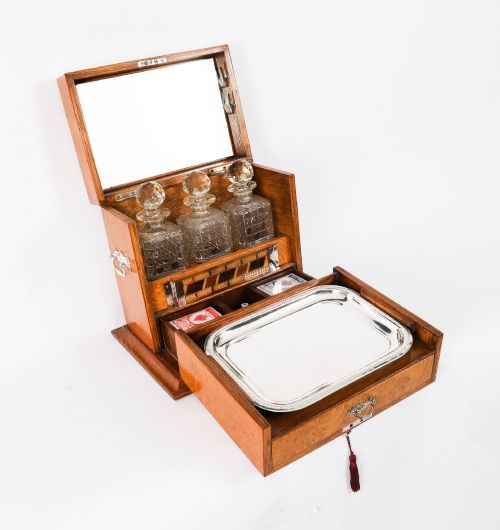
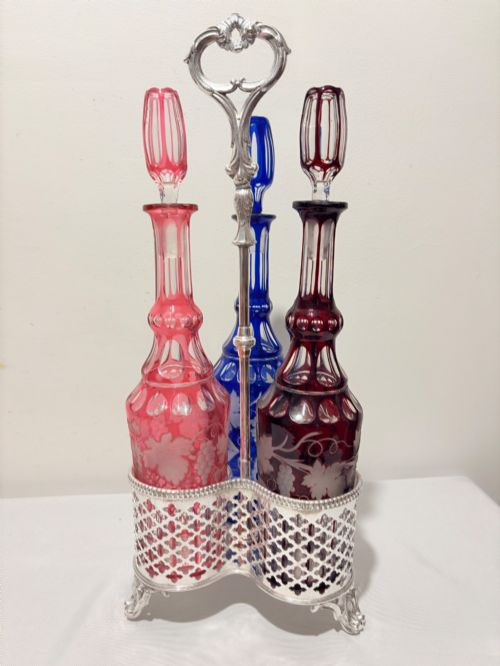
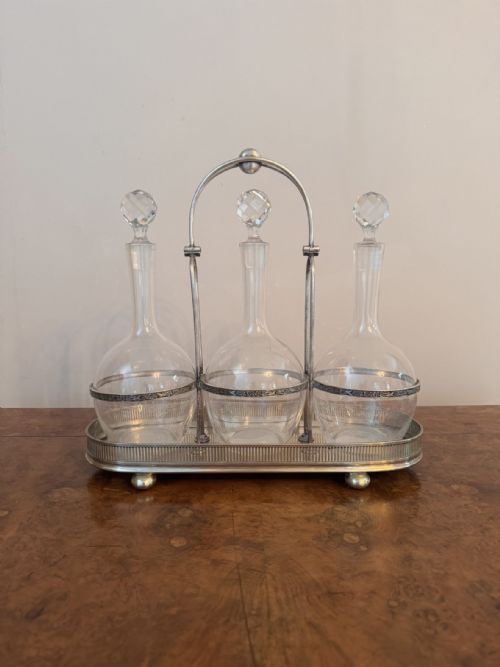
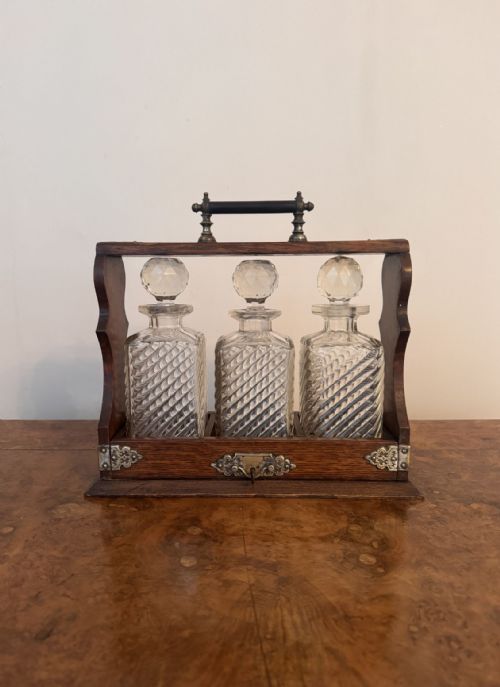
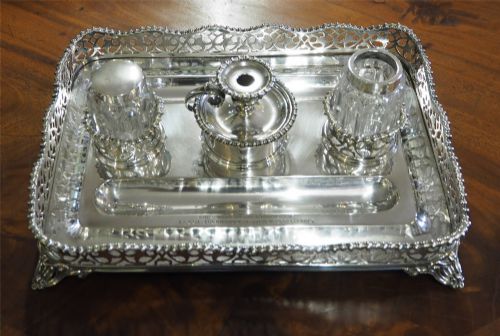
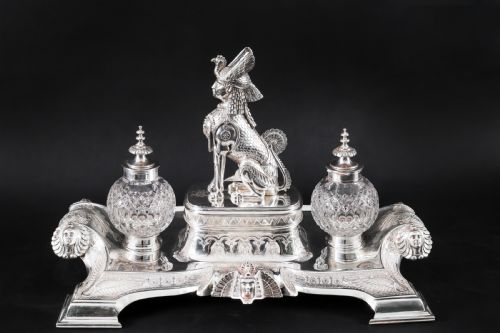
When you search for an antique cut glass plate, you discover heavy pressed and faceted vessels paired with gleaming silver plate mounts from the Victorian and Edwardian eras.
Antique Cut Glass Plate
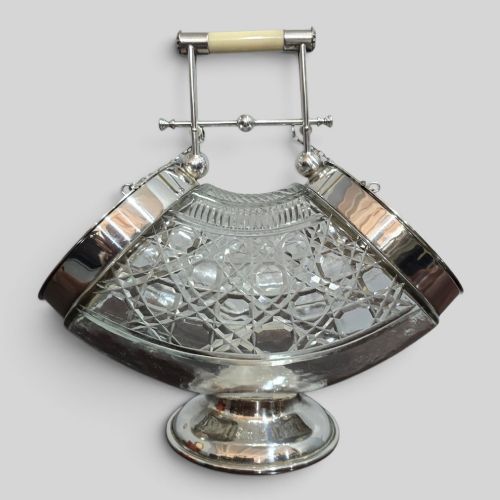
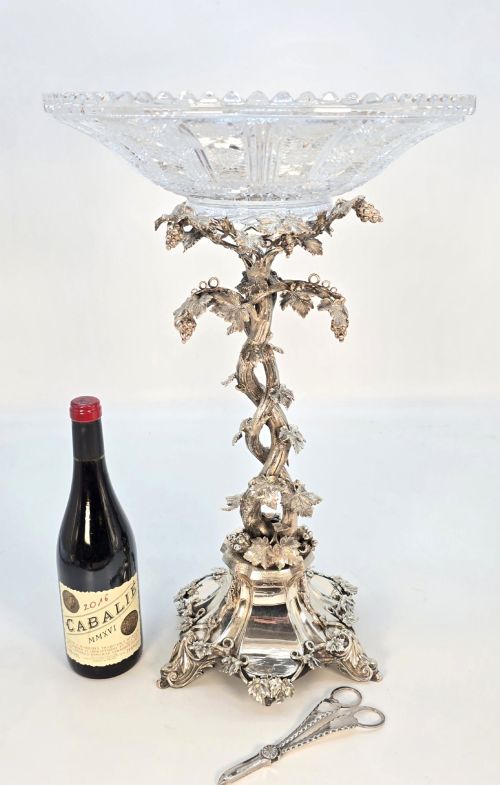
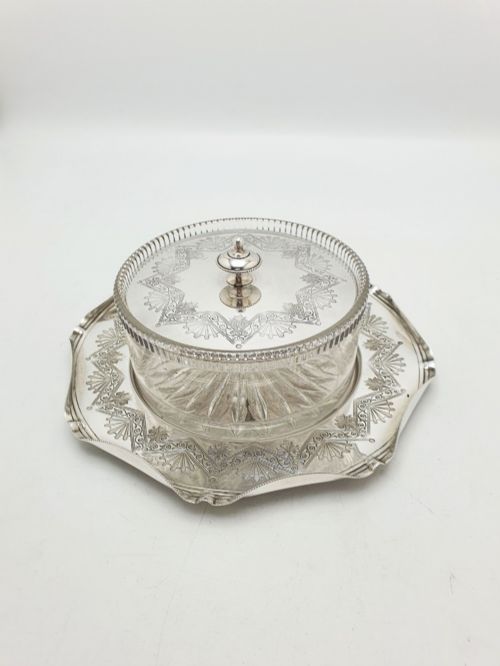
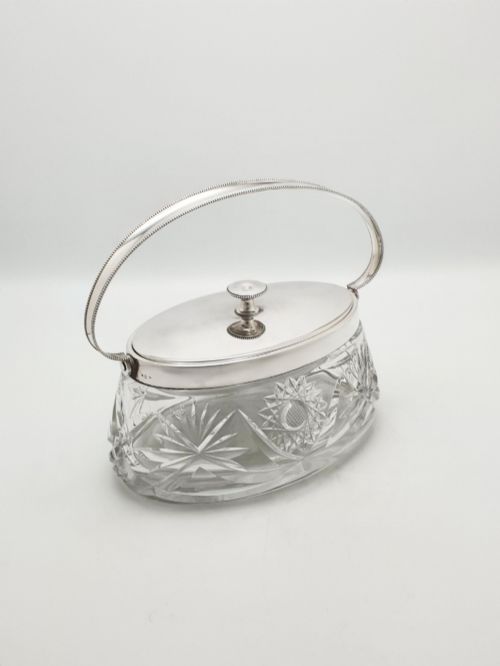
An antique cut glass plate search typically leads buyers toward tableware components, serving dishes, and combined silver-plated assemblies rather than standalone flat plates. The records reveal items such as butter dishes, cheese dishes with domes, biscuit barrels, and fruit bowls featuring cut glass liners.
The objects stem predominantly from the nineteenth and early twentieth centuries, spanning the Victorian, Edwardian, and Art Deco periods. Makers combined heavy lead glass with silver plate, oak, and giltwood to create functional dining accessories.
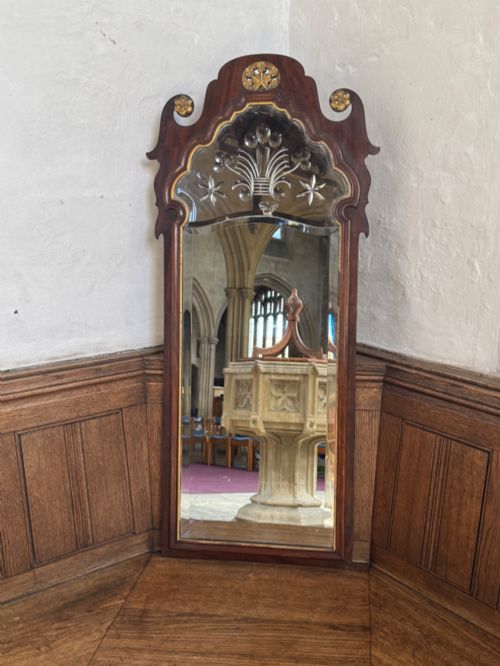
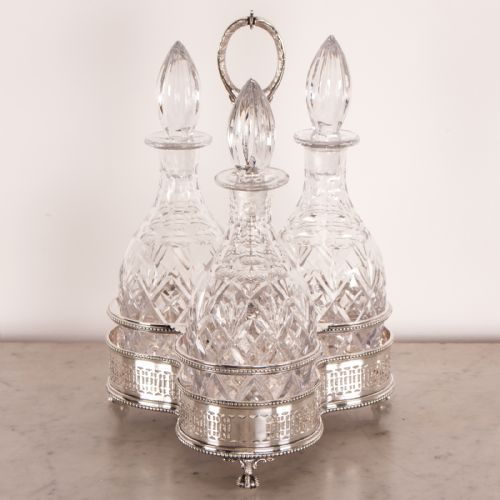
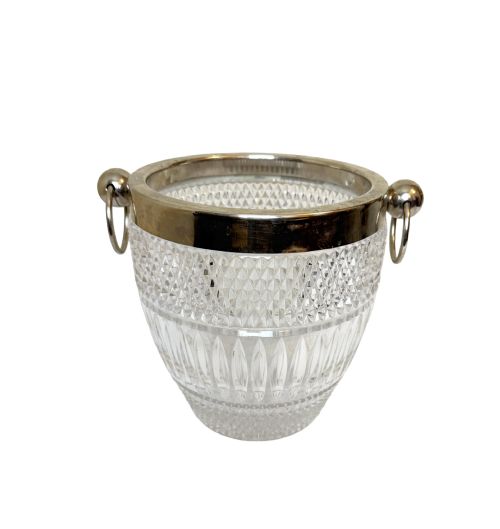
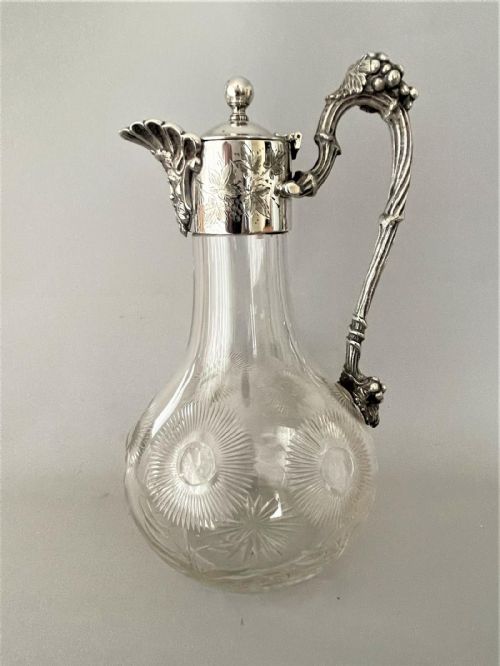
While flat plates occasionally appear under related mirrors or reverse-cut wall pieces, the primary form is hollowware. Buyers encounter cruet sets, claret jugs, and ice buckets where deep incisions catch the light.
How they were made
Craftsmen shaped glass through blowing and pressing before applying wheel-cutting techniques to carve geometric motifs like hobnails and starbursts into the surface. This deep incision work required steady hands to prevent fractures in the heavy material.
Foundries produced accompanying mounts in silver plate, employing base metals coated with a layer of silver via electroplating processes developed in the nineteenth century. Artisans combined these metal frames with oak stands and giltwood elements to finish the objects.
Listings feature cut glass and silver plate items spanning from the Victorian era through the 1920s Art Deco period.
What varies in quality
Depth and crispness of the wheel cutting dictate the refinement of the glass components. Sharp, precise facets indicate superior craftsmanship compared to shallow, rounded impressions.
The weight and thickness of the silver-plated mounts and the integrity of the underlying metal structure distinguish robust utilitarian items from lighter wares. Makers known for substantial output, such as Elkington or Walker & Hall, maintained consistent standards in their metalwork.
Elkington·Walker & Hall·Wilkinson & Co·WMF·Mappin Brothers·Mappin & Webb·Goldsmiths and Silversmiths Company·John Round·Cooper Bros·John Grinsell & Sons
The Antique Cut Glass Plate Glossary
- Cut glass
- Glass decorated by holding it against a rotating abrasive wheel to carve patterns into the surface. This technique produces sharp-edged facets that scatter light.
- Silver plate
- A base metal such as copper or nickel alloy covered with a thin layer of pure silver. The process became widespread during the Victorian era for dining accessories.
- Hobnail cut
- A raised, pointed pattern resembling the hobnails used in boot soles. It creates a heavily textured surface across the glass.
- Cruet set
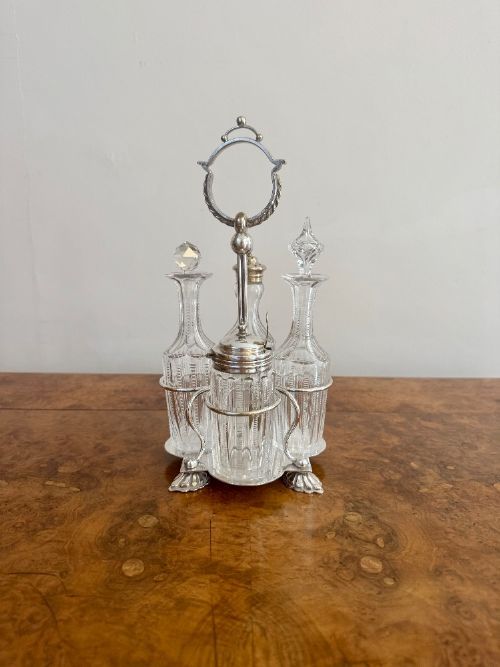
- A matched collection of glass bottles fitted with silver-plated tops, held together in a frame for condiments at the dining table. They frequently date from the Edwardian period.
Antique Cut Glass Plate: Frequently Asked Questions
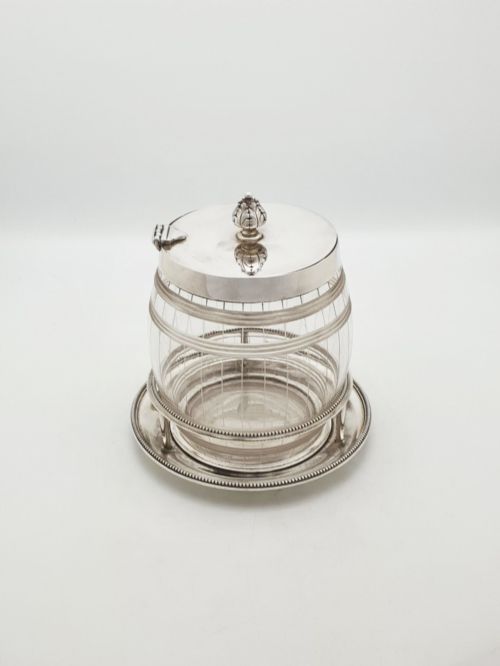
What is an antique cut glass biscuit barrel?
A covered container designed to keep dry baked goods fresh on the dining table. These vessels combine heavy cut glass bodies with hinged silver-plated lids and swinging handles.
Craftsmen often added matching silver-plated stands during the Victorian and Edwardian periods to elevate the presentation. They served a central role in formal domestic entertaining.
How do I clean antique cut glass?
Wash the glass pieces gently in warm water using mild soap and a soft cloth to protect the sharp facets. Avoid harsh scouring pads that can scratch the aged surface.
Keep silver-plated mounts separate from prolonged water immersion to preserve the metal plating. Dry all components thoroughly before reassembly.
What are silver-plated cruet sets used for?
These assemblies held liquid and dry condiments like oil, vinegar, salt, and pepper for formal meals. The glass bottles feature distinct cut patterns and stoppers to identify their contents.
A frame with a central handle kept the bottles organised for passing around the dining table. Most examples date from the late nineteenth and early twentieth centuries.
How can I tell Victorian cut glass from Edwardian pieces?
Victorian glass often displays deep, heavy hobnail or starburst cutting paired with ornate, substantial silver plate mounts. The overall aesthetic leans toward elaborate ornamentation and darker wood accents.
Edwardian items frequently exhibit lighter, more restrained floral or geometric cutting styles. The mounts tend to be sleeker, reflecting changing tastes at the turn of the twentieth century.