



Victorian Engraved Tableware
Victorian engraved tableware brings together functional silver and glass pieces designed to elevate nineteenth century dining.
Victorian Engraved Tableware
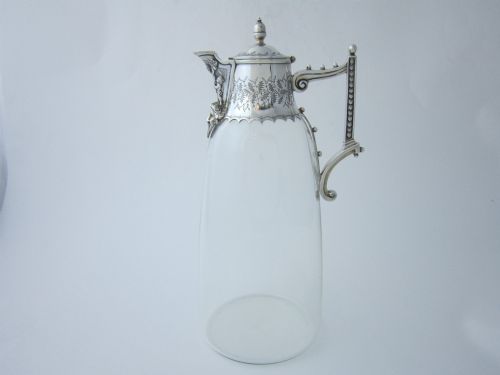
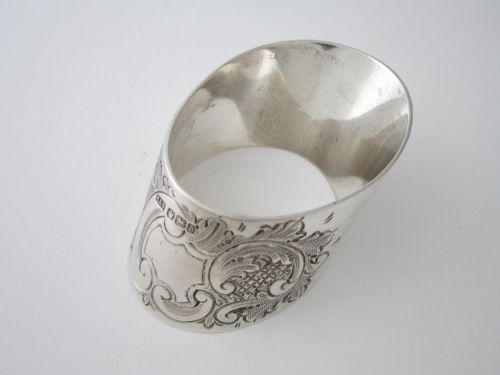
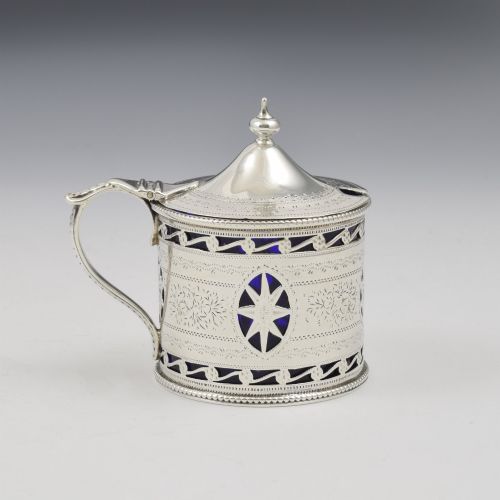
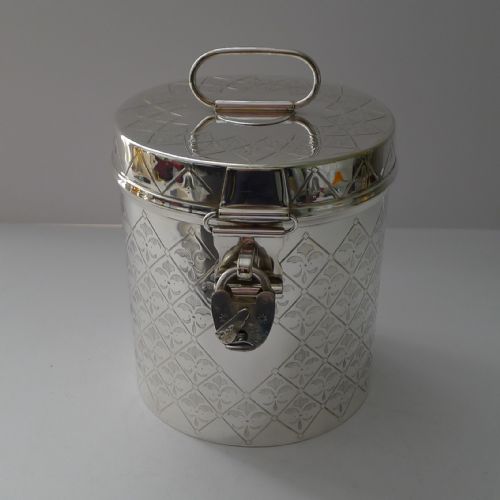
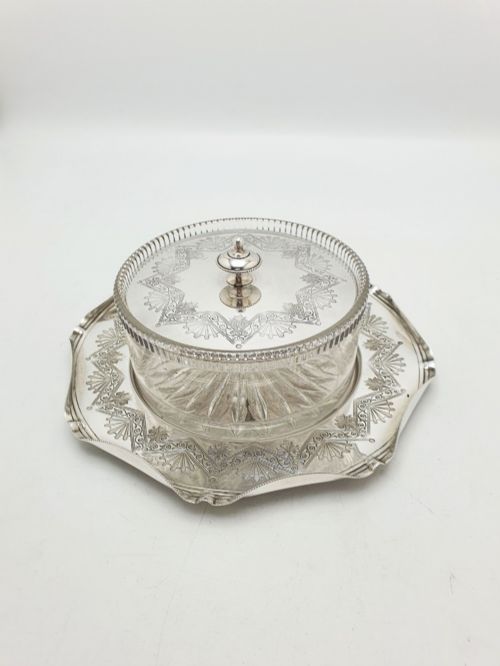
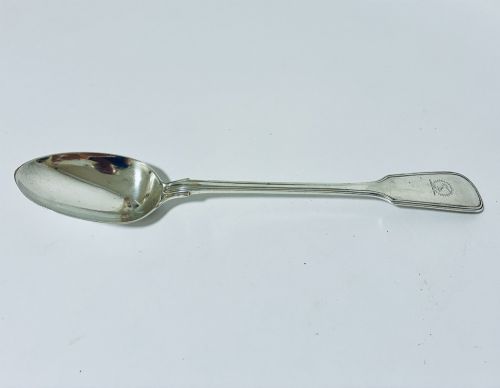
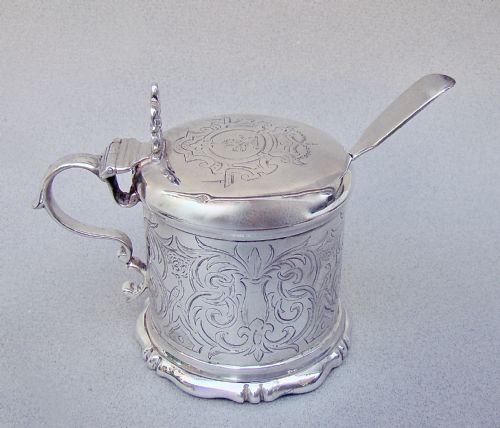
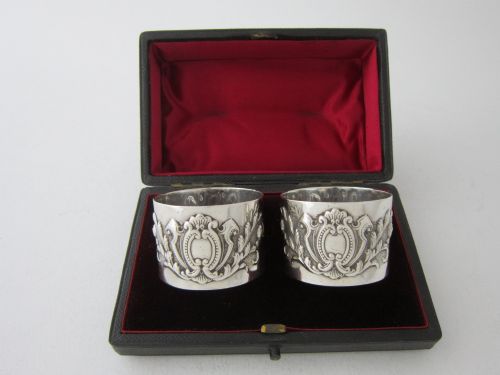
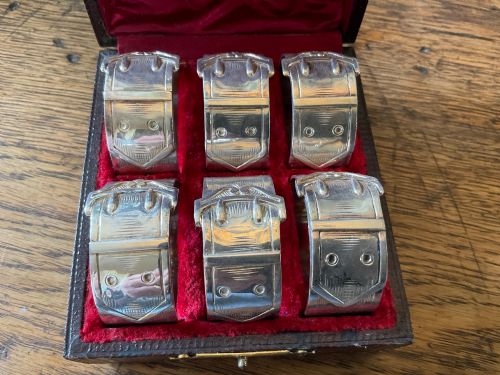
When you search for victorian engraved tableware, you encounter a specialised selection of dining implements and serving vessels spanning the nineteenth century. These items include mustard pots, napkin rings, biscuit barrels, and butter dishes created to serve formal meals.
The objects stem predominantly from the Victorian period, though related examples occasionally extend into the Georgian and Edwardian eras. Forms range from utilitarian salt cellars to ornate claret jugs and sugar baskets.
Makers utilise sterling silver, silver plate, and glass to construct pieces that reflect the social rituals of the period. Buyers most frequently meet napkin rings, condiment containers, and handled servers on this page.
Materials and Techniques
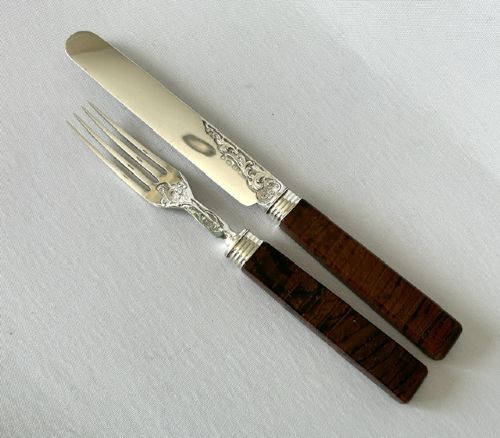
Silversmiths shape sterling silver and silver plate through casting, hammering, and piercing to produce intricate pierced mustard pots and sugar baskets. Engraving is then applied by hand to decorate handles, bowls, and body surfaces with foliage or geometric motifs.
Glass components, such as liners for butter dishes and bodies for claret jugs, are blown and cut to fit metal frames. Artisans combine these materials securely, often adding parcel gilt finishes or agate inlays to knives and forks.
Listings feature sterling silver and silver plate items from the Victorian period alongside Georgian and Edwardian examples.
Distinctions in Quality
The standard of Victorian engraved tableware depends on the crispness of the hand engraving and the weight of the metal utilised in the body. Superior examples display deep, deliberate cuts in the silver alongside well-balanced proportions.
Makers who maintain high standards pay attention to structural joinery and the integration of secondary materials like glass and agate. Finer pieces demonstrate careful chasing and clear hallmarks that identify the silversmith and assay office.
Nathan and Hayes·Mappin and Webb·Charles and George Fox·Robert and Belk·Walker and Hall
The Victorian Engraved Tableware Glossary
- Sterling silver
- A silver alloy containing ninety-two point five percent pure silver by mass, standard for quality British tableware. This material provides durability and takes fine hand engraving effectively.
- Silver plate
- A base metal coated with a thin layer of silver, common in nineteenth century biscuit barrels and butter dishes. It offered an accessible luxury for dining tables.
- Claret jug
- A large vessel designed for serving red wine, typically constructed from cut glass with a sterling silver handle, mount, and hinged lid. These often feature ornate Victorian chasing.
- Parcel gilt
- Silver objects that are partially gilded with a thin layer of gold on the interior or decorative accents. This technique highlights specific engraved details.
- Berry spoon
- A large serving spoon with fruit motifs chased or engraved onto the bowl, popular during the Victorian period for serving desserts.
Victorian Engraved Tableware: Frequently Asked Questions
What is victorian engraved tableware?
Victorian engraved tableware comprises metal and glass dining accessories produced during the nineteenth century. These items include mustard pots, napkin rings, and biscuit barrels adorned with decorative surface work.
Such pieces reflect the dining customs and manufacturing techniques of the era, combining utility with ornamental design.
How do I clean silver plate?
Cleaning silver plate requires a gentle silver polish and a soft cloth to avoid removing the thin layer of precious metal over the base. Avoid harsh abrasives that scratch the surface.
Store pieces in dry environments to prevent tarnishing between uses.
Are glass liners original?
Many Victorian butter dishes and salt cellars retain their original blown or cut glass liners, which were custom-fitted to the metal frames. Replacements are sometimes found in older service items.
Inspect the rim and base of the glass for signs of age that match the metal housing.
How do I identify hallmarks?
British hallmarks stamped onto the metal indicate the assay office, the maker's mark, and a date letter corresponding to the year of manufacture. Reference guides help translate these small punches.
Unmarked items are frequently silver plated rather than solid sterling silver.