
Antique Cushion
When you search for an antique cushion, you find everything from silver novelties to tribal wool rugs shaped into soft furnishings.
Antique Cushion
The material forms span from Edwardian silver novelties shaped like animals and household items to larger textile pieces utilising 18th-century Belgian linen or Anatolian and Persian tribal kilims. These items bridge decorative utility and tactile comfort, reflecting both domestic sewing work and specialist metalworking.
The origins stretch from Victorian needlework and Edwardian silversmithing workshops to tribal weaving traditions in the Near East. Each iteration serves a different domestic function, whether resting on a chair seat or holding pins on a dressing table.
How they were made
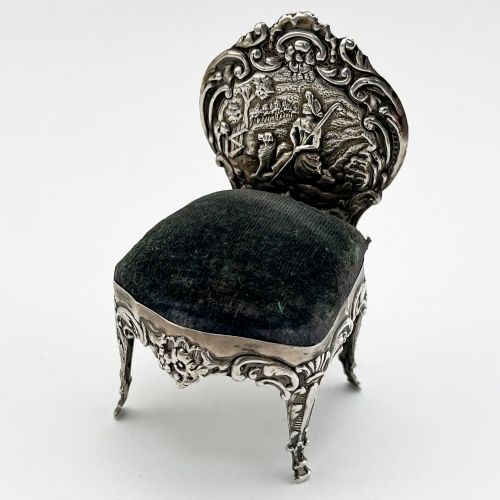
The physical construction combines precious metals, textiles, and traditional stuffing materials as recorded across the listings. Sterling silver pin cushions are cast and formed into intricate shapes such as chairs, animals, and boots, then fitted with internal stuffing to receive pins.
Textile cushions utilise wool, velvet, fabric, and linen, often incorporating antique needlepoint, Berlin work, or segments of tribal kilim rugs and saddle bags. These fabric covers are paired with feather inners or traditional backing materials to maintain structure and form.
Silver geese, camels, and swans patiently wait on dressing tables disguised as humble pin cushions.
What varies in quality
Quality rests upon the crispness of casting in silver pieces and the integrity of the weave or needlework in textile items. Silversmithing detail distinguishes standard novelty forms from finely chased figures produced by established makers.
In fabric and rug conversions, the condition of the wool, the survival of original backing linens, and the vibrancy of natural dyes dictate the standing of the piece. Superior examples preserve their textile strength and structural geometry without extensive modern intervention.
Adie & Lovekin·Whytock & Reid
The Antique Cushion Glossary
- Pin cushion
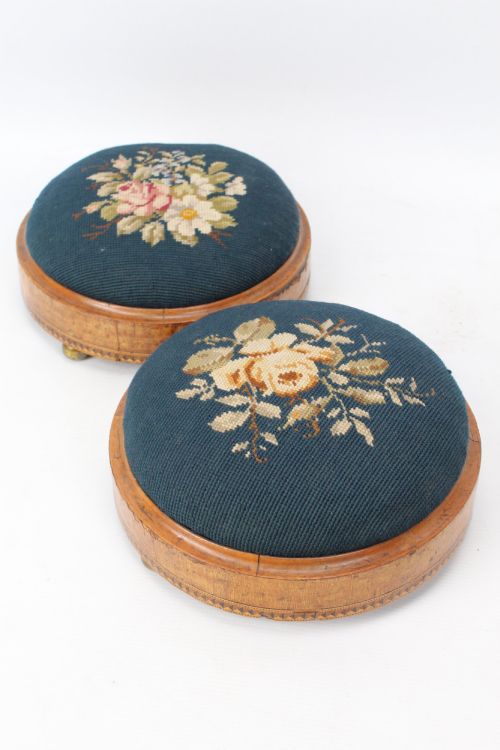
- A small domestic accessory designed to hold sewing pins securely. These often take the form of novelty silver objects or upholstered foot stools.
- Kilim
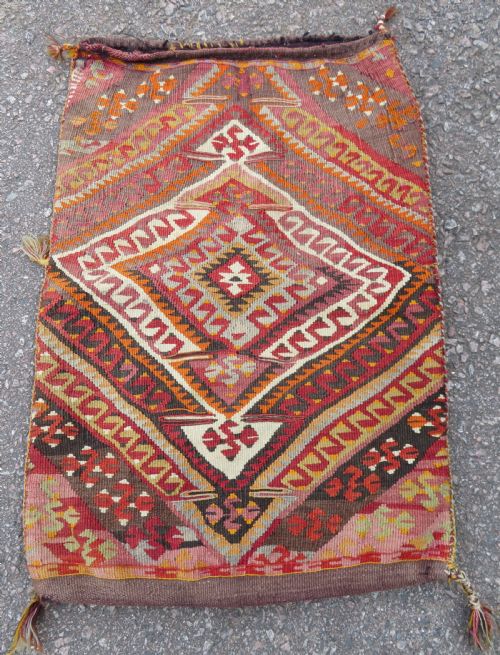
- A flatwoven carpet or rug produced in regions such as Anatolia and Persia. Sections of these flatweaves are frequently repurposed into cushion covers.
- Berlin work
- A style of needlepoint embroidery popular in the 19th century that utilised charted patterns printed on grid paper. It frequently appears framed or integrated into textile furnishings.
- Sterling silver
- An alloy consisting of silver and other metals, typically copper, standardly used in British silver pin cushion manufacture. It provides durability for intricate figural casting.
- Needlepoint
- A type of canvas work embroidery stitched by hand using wool or silk yarn. This technique appears on Victorian foot stools and seat covers.
Antique Cushion: Frequently Asked Questions
What is an antique pin cushion?
An antique pin cushion is a small decorative object used in sewing rooms to keep pins and needles organised. They were frequently produced by silversmiths in imaginative shapes such as animals and household items during the Victorian and Edwardian eras.
Beyond silver, these pieces also appear as small upholstered stools or soft furnishings worked in needlepoint. They combine practical utility with intricate craftsmanship.
How do I use a kilim cushion?
Kilim cushions are used as decorative scatter pillows on armchairs, sofas, and beds. They introduce texture and pattern into a living space through traditional flatwoven wool designs.
Ensure the wool and backing fabric are handled with care, keeping them out of direct sunlight to protect the dyes. Many incorporate vintage tribal rug fragments that benefit from gentle placement.
How old are these cushions?
The age of these items varies widely depending on whether you are looking at silver novelties or textile furnishings. Many silver examples date from the Edwardian and late Victorian periods, around the turn of the twentieth century.
Textile cushions often incorporate much older elements, such as eighteenth-century Belgian linen or nineteenth-century tribal kilim fragments. The listing details will specify the era of the primary materials used.
What metals were used for silver cushions?
Silver pin cushions are predominantly made from sterling silver, hallmarked to indicate purity and origin. Birmingham assay marks are frequently found on these pieces from the Victorian and Edwardian eras.
The metal provides a sturdy housing for the internal stuffing while allowing silversmiths to cast detailed figural designs like birds, shoes, and furniture.